The electricity sector is changing, and the utilities that thrive tomorrow will be the ones willing to rethink their role today.
I had the opportunity to participate in the IBEDC FY2026 Board Strategy Retreat, where board members, executive management, regional leadership, and industry stakeholders came together to discuss the future of the sector and the strategic direction of the organization under its new ownership structure.
During my session on "Opportunities for Distribution Utilities in Nigeria's Emerging Decentralized Electricity Market," I challenged the traditional way of thinking about electricity distribution. The future utility cannot simply be a commodity distributor; it must evolve into a multi-sided energy marketplace that creates value across the entire energy ecosystem.
One of the key points I shared was that interconnected mini-grids should not be viewed as competitors to DisCos. Rather, they are powerful tools for reducing losses, deferring capital expenditure, improving service delivery, and accelerating access to electricity in underserved areas. For franchise areas like IBEDC's, there are thousands of megawatts of untapped distributed energy opportunities waiting to be unlocked.
I also highlighted the value of strategic collaboration. By partnering with the REA, utilities can leverage blended finance, accelerate network digitalization, and expand access in ways that strengthen both their commercial sustainability and customer impact.
Some projects provide electricity. Others help restore hope.
I was delighted to see the commissioning of the 152 Mass Housing Units, Climate Peace Hubs, and GEF-supported African Mini-Grid Program implemented through the partnership between, the Rural Electrification Agency (REA) and the United Nations Development Programme (UNDP), led in Nigeria by Ms. Elsie G. Attafuah. This initiative through the Katsina State Government and other development partners, represents a thoughtful and integrated response to some of the most complex challenges facing communities in North-West Nigeria.
For years, communities across North-West Nigeria have contended with the combined effects of insecurity, displacement, climate stress, and economic disruption. In places like Jibia, the challenge has never been about one issue alone. It has been about livelihoods, resilience, opportunity, and the ability of families to rebuild their lives with dignity.
That is why I find this intervention particularly inspiring. It brings together housing for displaced families, support for livestock markets and local commerce, climate resilience infrastructure, community dialogue platforms, and renewable energy solutions as part of a single vision for recovery and stability.
Beyond the sessions, the day was filled with meaningful engagements, conversations that continue to shape how we think and operate. I had the opportunity to connect with Emeka from Nextier, Chibuike from Beckaphyll, Erick Ongera from ComAp, Edwin Akabuilo, Jackson from Kamin Technologies, and Karsan Reddy from Schneider Electric, who also took me through the Climate Smart Village concept.
These engagements are a reminder that progress in this sector is built on continuous learning and collaboration. Every conversation offers insight, whether it is sharing what has worked in Nigeria or learning from innovations and experiences across other markets.
That, for me, is one of the most important parts of this work, staying connected to a global ecosystem that is collectively pushing the boundaries of what is possible in renewable energy and energy access.
The work continues.
#EAIF2026 #EnergyAccess #MeshGrids #CleanEnergyAfrica #RenewableEnergy #DARES #PoweringCommunities #EnergyTransition #PoweringNigeria #abbaaliyu
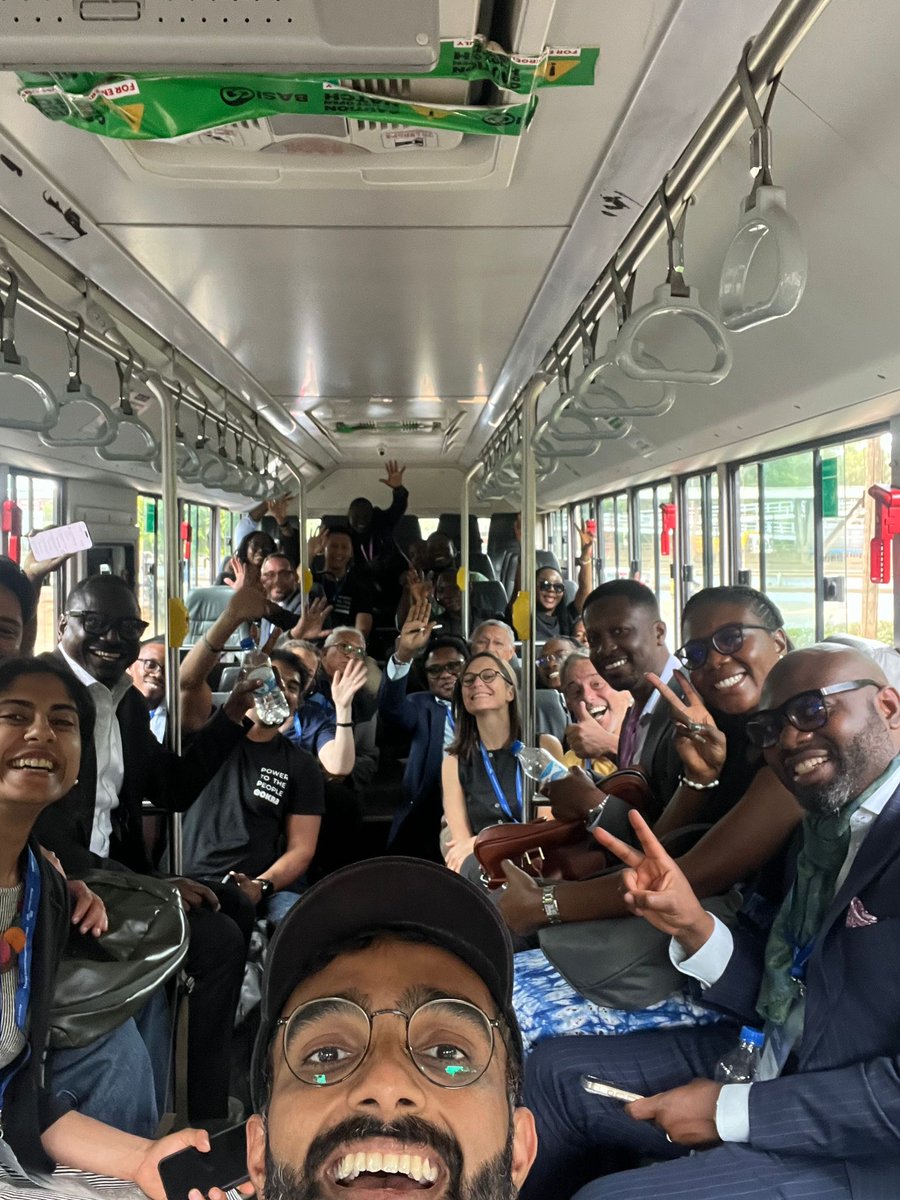
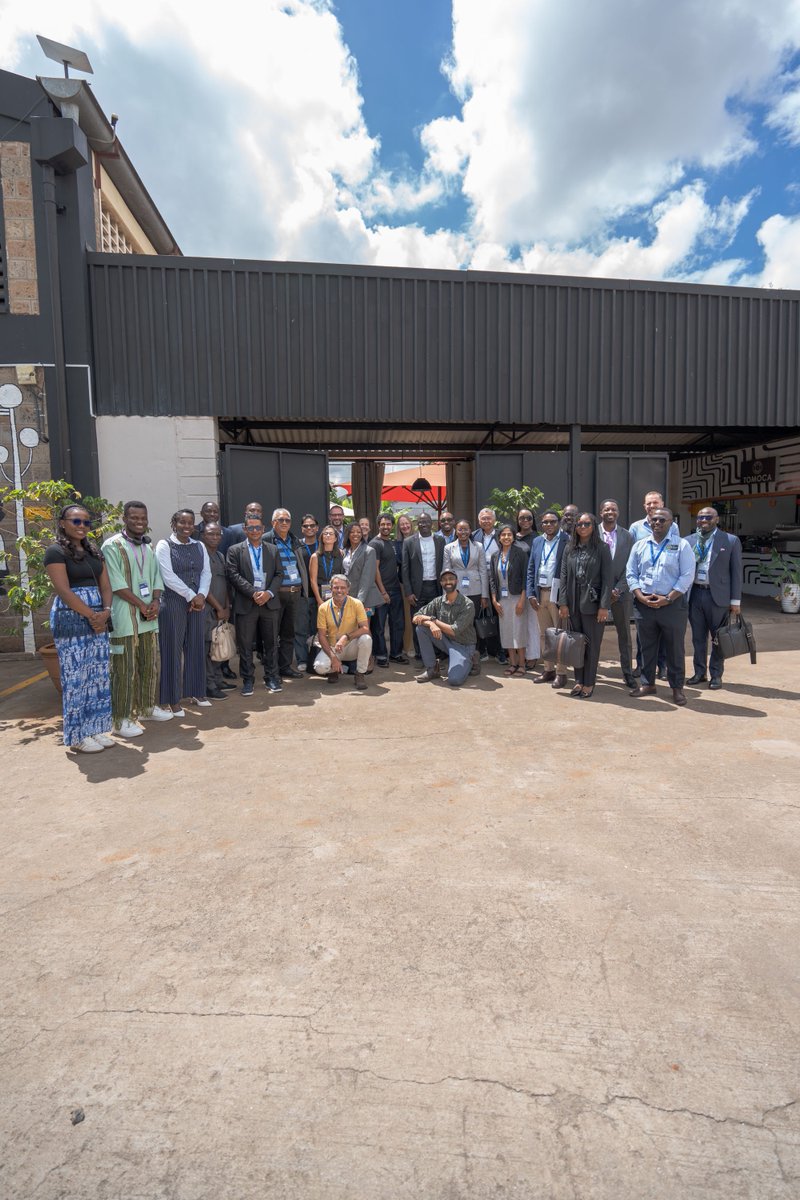
The real value of gatherings like #EAIF is not just in the panels, it’s in the depth of conversations, the exchange of ideas, and the alignment that happens across the ecosystem.
At the #EAIF Breakfast Roundtable in Nairobi, The real value of gatherings like #EAIF is not just in the panels, it’s in the depth of conversations, the exchange of ideas, and the alignment that happens across the ecosystem.
At the #EAIF Breakfast Roundtable in Nairobi, organised by GET invest, Crossboundary & Okra Solar, I had the opportunity to share our experience with mesh grid deployment under the REA-DARES programme. As we continue to expand Nigeria’s electrification strategy, it is clear that mesh grids play a critical role. Occupying that middle tier between solar home systems and mini-grids, and helping us bridge access gaps in a more flexible and scalable way.
We also had honest discussions around the risks. Technical, financial, and operational and how we are addressing them in Nigeria through structured implementation, policy alignment, and strong private sector participation.
It was equally valuable to hear perspectives from colleagues across the continent, including representatives from Mozambique, Liberia, and The Gambia. While the challenges may differ, there is a shared commitment to refining models and scaling solutions that work within each national context.