When I worked in the Kubernetes ecosystem, I had the interesting perspective in that I had tried to write so many orchestration systems historically. The majority of them were terrible, but I understood the domain very well by the time Kubernetes popped up. Unknowingly I've done a similar thing with agents. OpenClaw is the bleeding-edge architecture of agents. But I have built so many agent frameworks. That I know this crap so well. All the dumb nuances.
On the one hand agents are very simple. It's just a loop. But it's very similar to Kubernetes orchestration. It's just a reconciliation loop. But these loops in practice end up being sort of complex. I'm honestly really excited to work in this agent realm. I don't care so much about models. I take that for granted. But how do you build an agent on top of a model? It's almost like I have 20 years of experience that make me perfectly suited for this domain. And the agent is the new unit.
We went from servers to virtual machines to containers. The new unit is Agent. Which is weird; that doesn't necessarily make sense but it's because AI is different. The new unit is not Sandbox; it's Agent. That is our new unit of compute. Infrastructure always had three tiers. Storage, networking, compute. We've added a fourth tier, which is models. The Agent is the unit that ties together storage, networking, compute, and models.
With every unit there's some corresponding asset. A server is obviously a physical thing. A virtual machine had VMDKs, AMIs, OVF. Containers have Docker images, Docker files. An Agent is just a file system. It can be stored in git. It can be a zip. It's really just a collection of files, largely markdown files.
was so swamped this week forgot to share we published the latest @CloudNativeFdn tecumentary this week "Backstage: From Spreadsheet to Standard" #kubecon#cloudnativecon https://t.co/PBkJ2KqVOQ - thank you to the Backstage folks and Spotify for lending their office for this!
@KubeCon_ we are ready for Observability Day, come to learn about the Obs space and get the fresh updates from maintainers from @CloudNativeFdn projects!
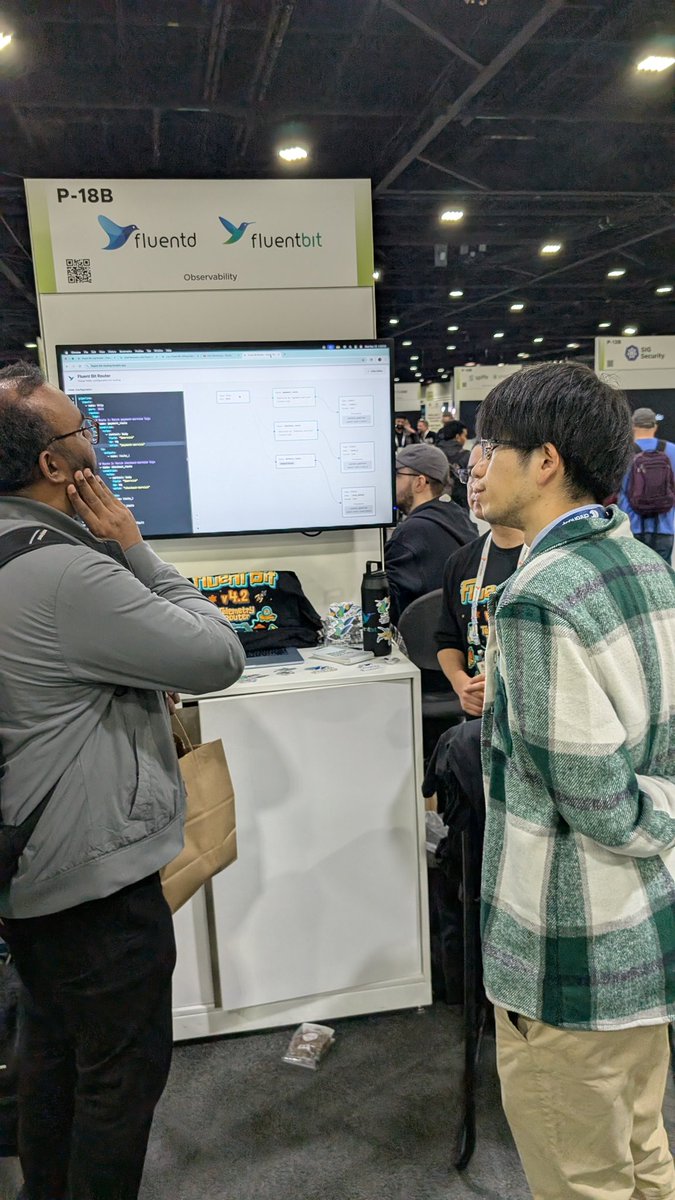
Just in time for the holidays🎄, learn about how telemetry routing works in @fluentbit. From tag-based, conditional, to label-based routing, it's here in a hands-on free online workshop lab released today! @chronosphereio#cloudnative#observability#o11y https://t.co/flaQnuCDUV
In my experience of life across personal, professional, and open source, I’m amazed at how many people kind of wait for things to happen to them instead of going out and making things happen for them. It’s a consistent difference between a certain level of success (not just financial).
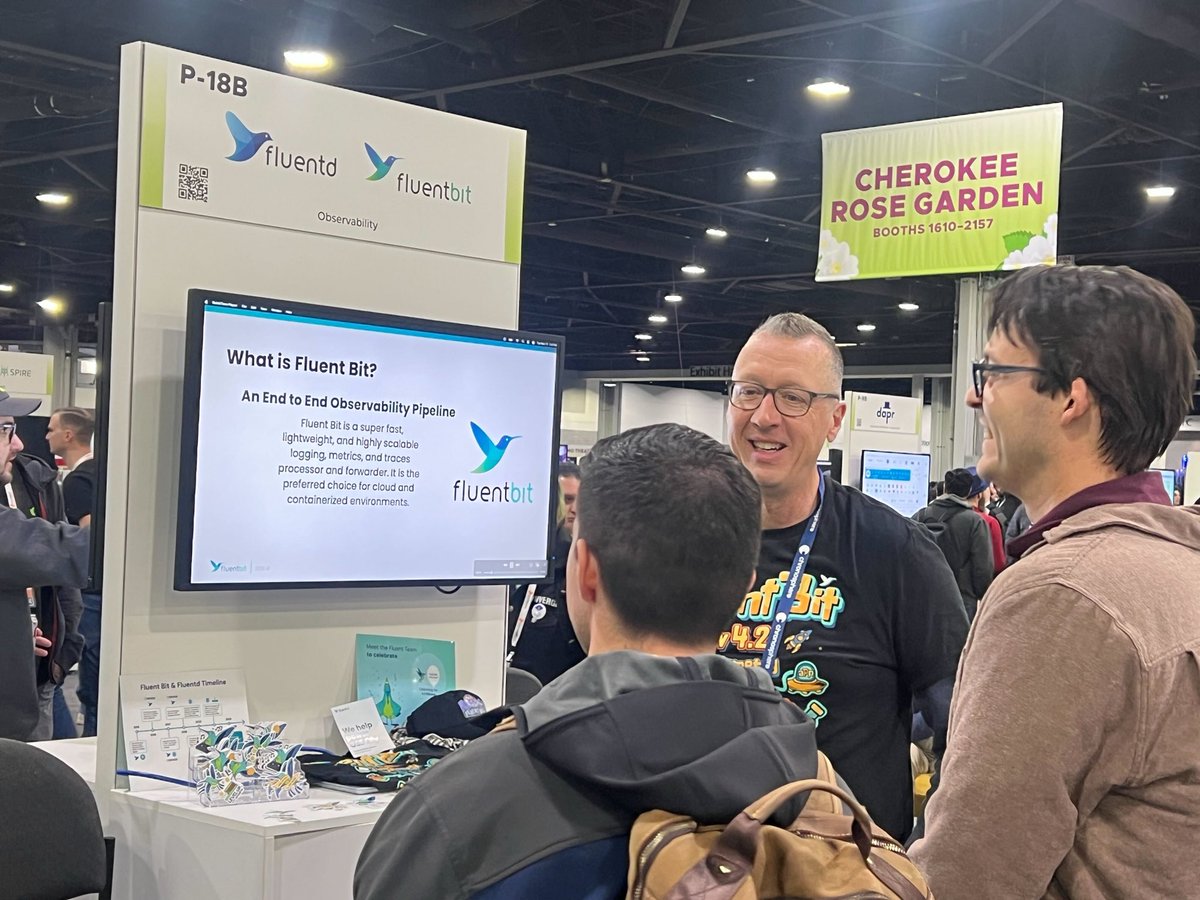
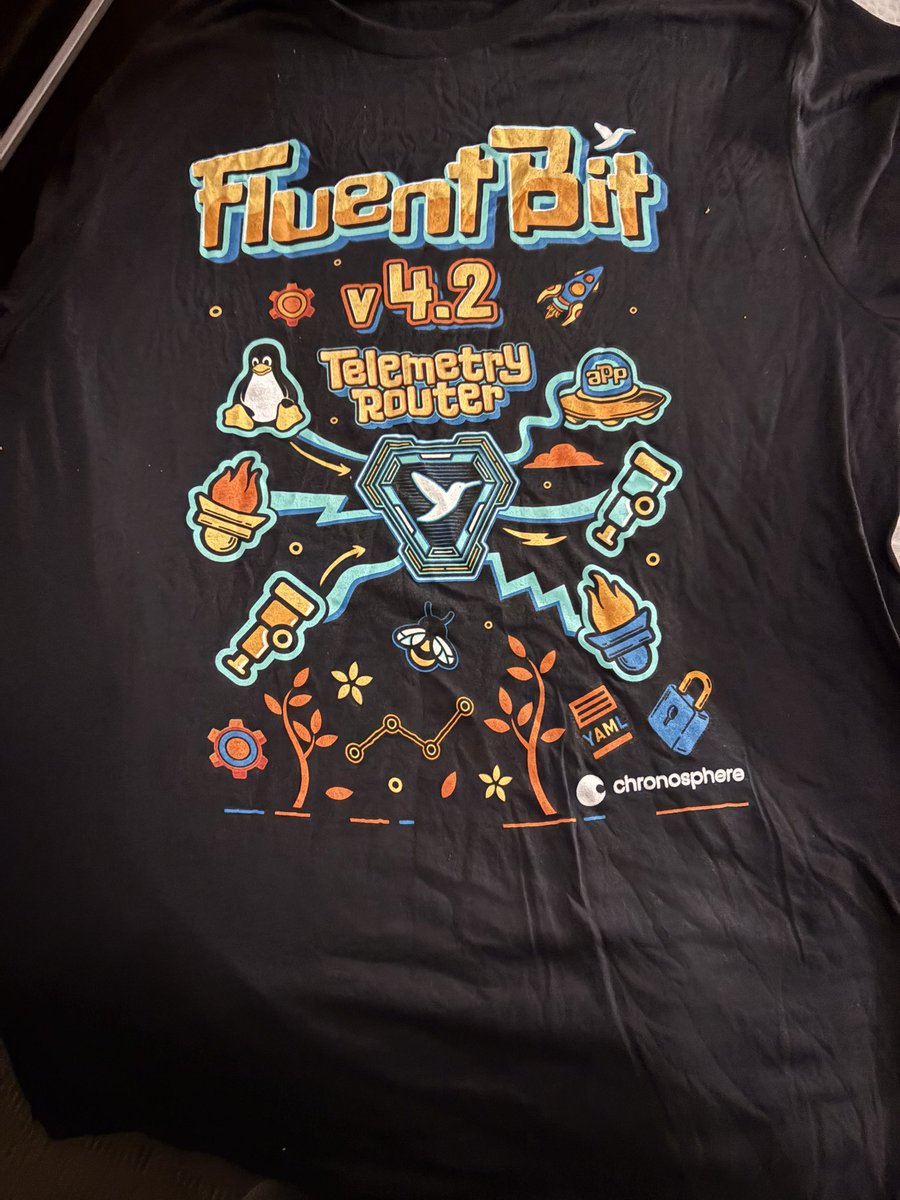
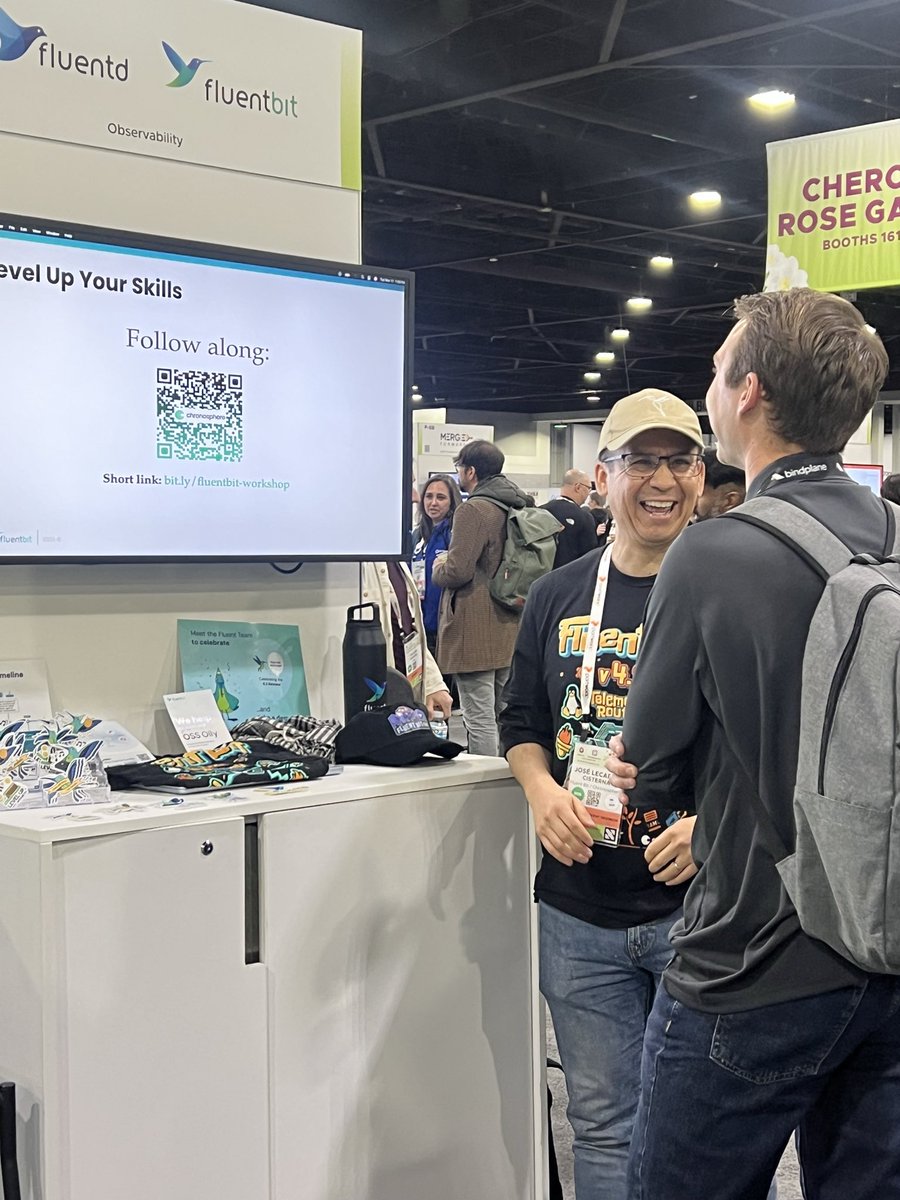
Hey #kubecon attendees! It's been great to see you all, before we wrap up, don't forget to stop by the Fluent Kiosk in Project Pavillion and ask for your @fluentbit v4.2 t-shirt
@525_olivia@jefielding Nothing specific today..just a general reflection from years of seeing what sticks when people build from real experience v/s from theory...
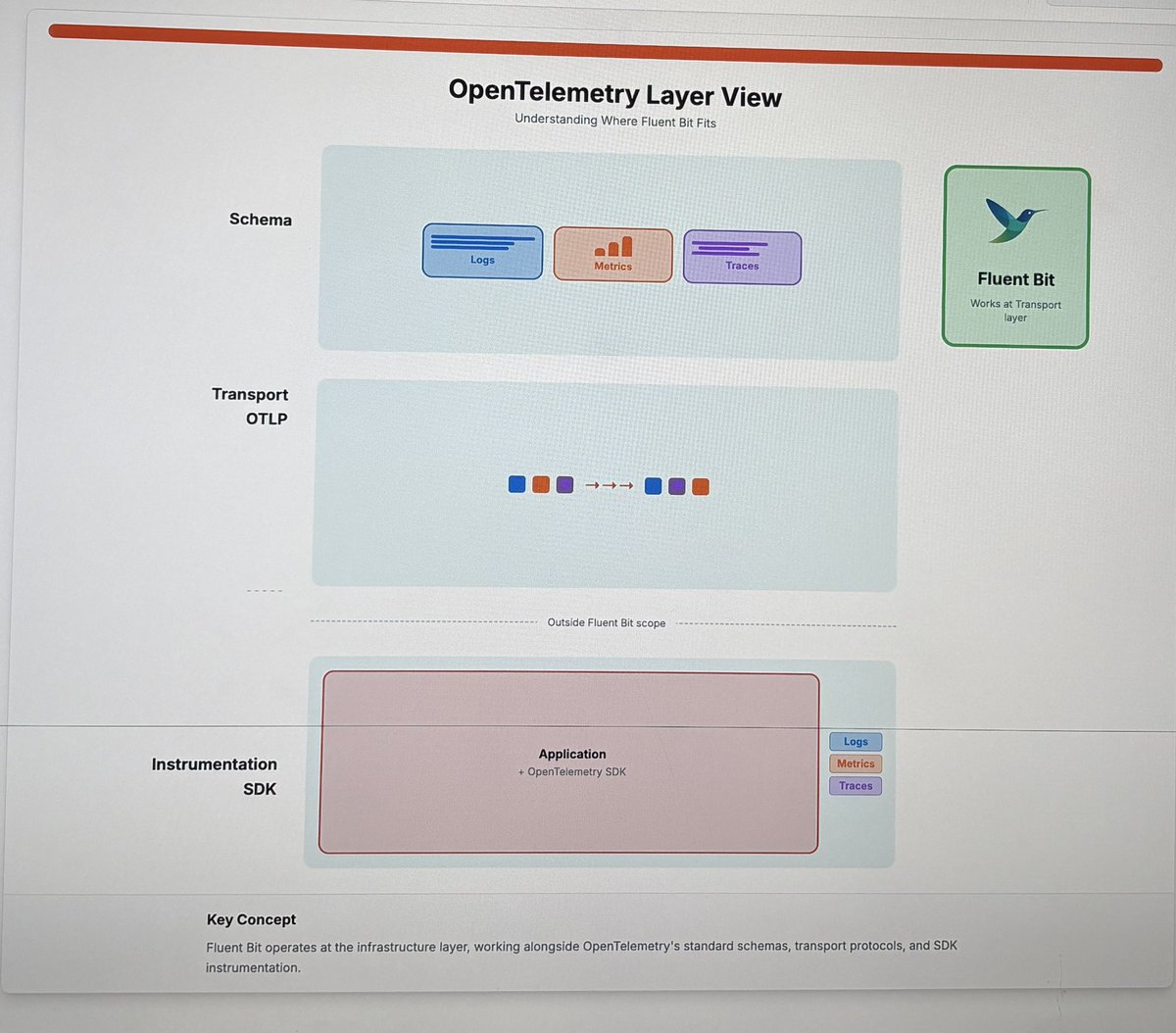
🔥 Level up your logs! Learn how to use @fluentbit processors to build smarter, conditional log pipelines that fit your app & infrastructure. 🚀
Check out the guide on @thenewstack: https://t.co/HPpnRhG9QP
#FluentBit#Observability#DevOps#Logging