Ampliamos el plazo de la Convocatoria #CátedrasDeLaDiásporaMexicana para que investigadoras e investigadores en el extranjero puedan compartir su conocimiento y experiencia con México. 🔬💡
📢 Nueva fecha de cierre: 31 de julio
🔗 Regístrate aquí: https://t.co/KDCPNNfgWm
ENQUETE / La mafia du foot argentin 🇦🇷
https://t.co/CbjfbwrMvW
Attouchement sur mineurs, blanchiment, détournement, faux et usage de faux : la Fédération argentine de football connaît une litanie de scandales et enquêtes (notamment du FBI) mais a été couverte et protégée par la FIFA depuis des années
Qui, quoi, comment et avec les documents...
Keep the faith !
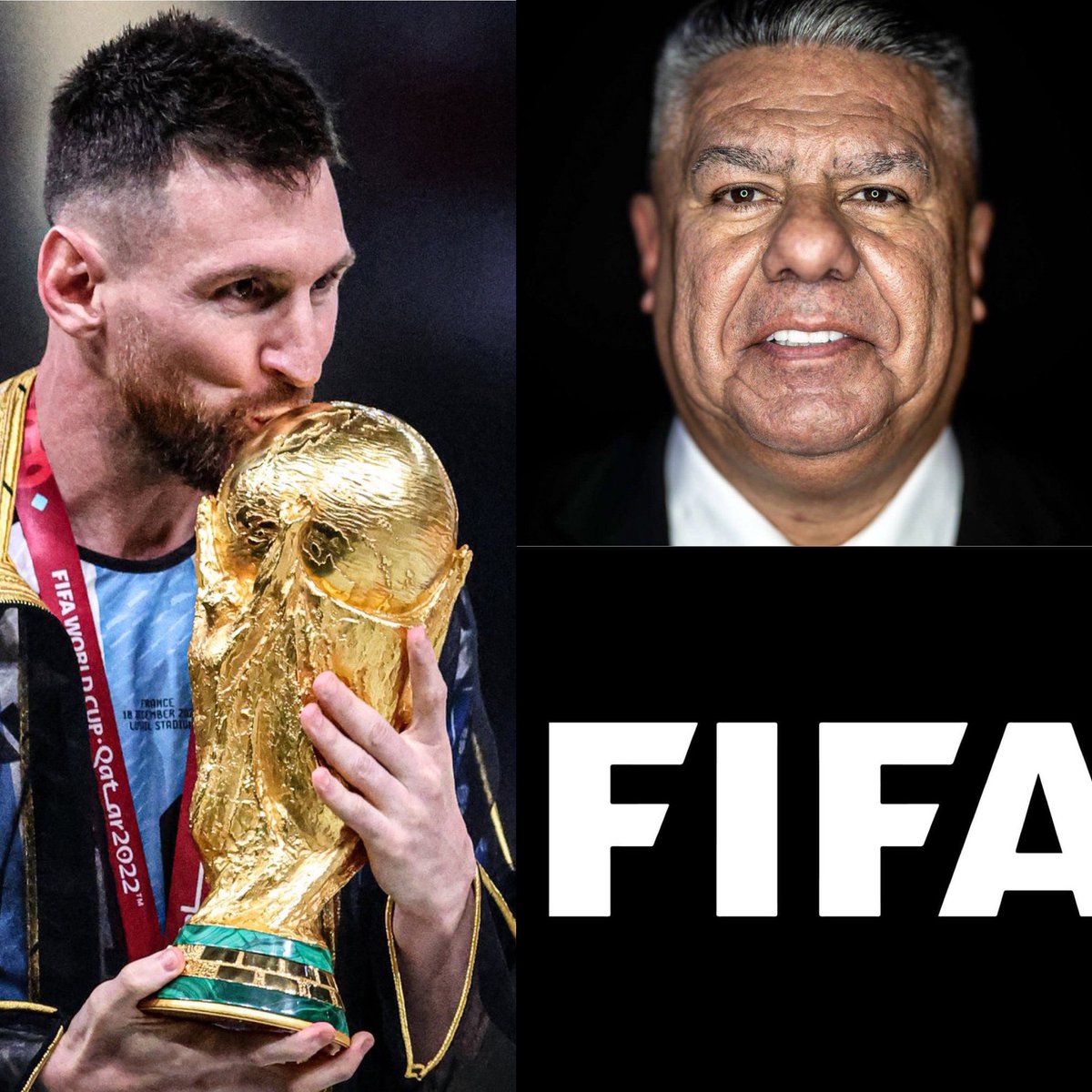
🚨 ¡ESCÁNDALO MUNDIAL! 😳🇦🇷
El periodista francés Romain Molina lanzó una denuncia que está sacudiendo al fútbol.
Según su investigación, más de 42 millones de euros de los cerca de 300 millones que Argentina recibió tras conquistar el Mundial de Qatar 2022 habrían terminado en empresas fantasma.
Molina asegura que, apenas 9 días antes de la final entre Argentina y Francia, la AFA firmó un contrato que cedía el 30% de los ingresos del Mundial a una empresa llamada TourProdEnter.
También afirma que la FIFA habría transferido directamente parte de ese dinero a dicha empresa, la cual —según su investigación— no tendría vínculos con el fútbol.
⚠️ Hasta el momento, estas son acusaciones periodísticas realizadas por Romain Molina. No existe ninguna resolución judicial que confirme estos señalamientos.
Our Move to CometBFT Explained
What if your blockchain could finalize blocks in 1 second with no risk of reorgs? CometBFT (The battle-tested engine behind Cosmos) is now powering Reactive Network.
We're replacing our old Ethereum-style consensus with this high-performance alternative to deliver rock-solid instant finality, especially for cross-chain reactive automation.
Read more 👇
Write a coherent and convincing argument is hard.
It involves structuring your reasoning, providing solid evidence, and addressing counterarguments.
Here is a step-by-step guide to building and conveying a strong academic argument: 🔽
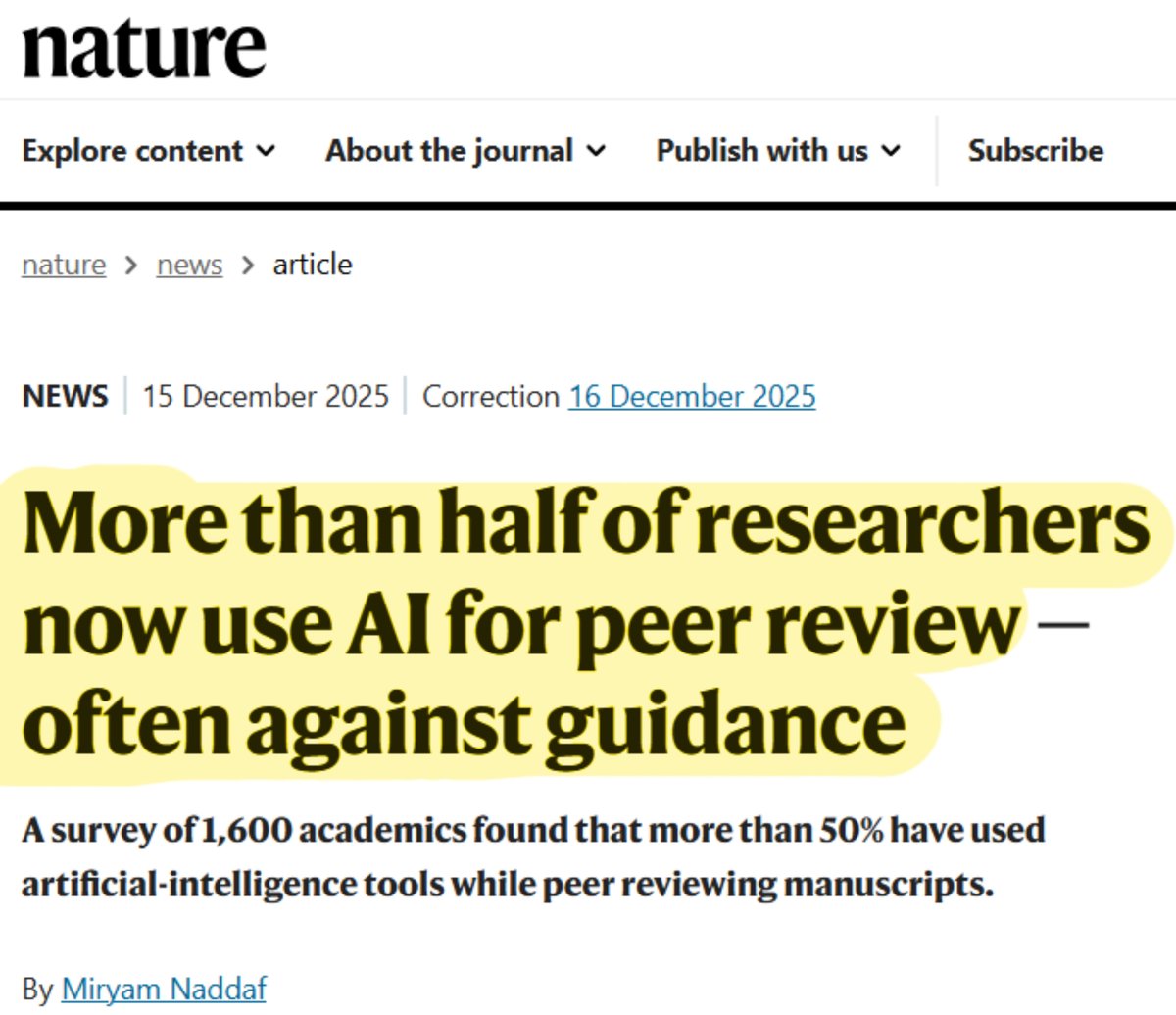
Should AI be used for peer review?
50% of researchers are already doing this.
To find out, I myself tested AI for peer review today.
𝐇𝐞𝐫𝐞 𝐢𝐬 𝐰𝐡𝐚𝐭 𝐈 𝐝𝐢𝐝 𝐞𝐱𝐚𝐜𝐭𝐥𝐲.
1. I picked the most popular platforms for peer review.
📌 It’s called 𝑟𝑒𝑣𝑖𝑒𝑤𝑒𝑟3 – https://t.co/B7n7VoAcct
2. I uploaded a paper I knew very well already.
3. I got the review back in a minute.
𝐇𝐞𝐫𝐞 𝐢𝐬 𝐰𝐡𝐚𝐭 𝐈 𝐟𝐨𝐮𝐧𝐝
(+) Overall, the feedback is useful
(+) It reviews the paper from multiple perspectives
(+) It correctly identifies any hallucinated references
(+) It’s very quick unlike human reviewers
(-) The comments are unnecessarily lengthy
(-) Some comments are generic, applicable to any paper
(-) It misses very deep and niche issues
(-) There is no room for discussion among reviewers
𝐖𝐡𝐚𝐭 𝐢𝐬 𝐦𝐲 𝐟𝐢𝐧𝐚𝐥 𝐭𝐚𝐤𝐞𝐚𝐰𝐚𝐲?
AI as a reviewer can
✅ Help to filter out low quality papers
✅ Identify and fix structural & grammar issues
✅ Help improve the paper before submission
For more practical use:
❌ A human must be kept in the loop and
❌ AI models should be trained on contextual data.
❓What are your thoughts on this?
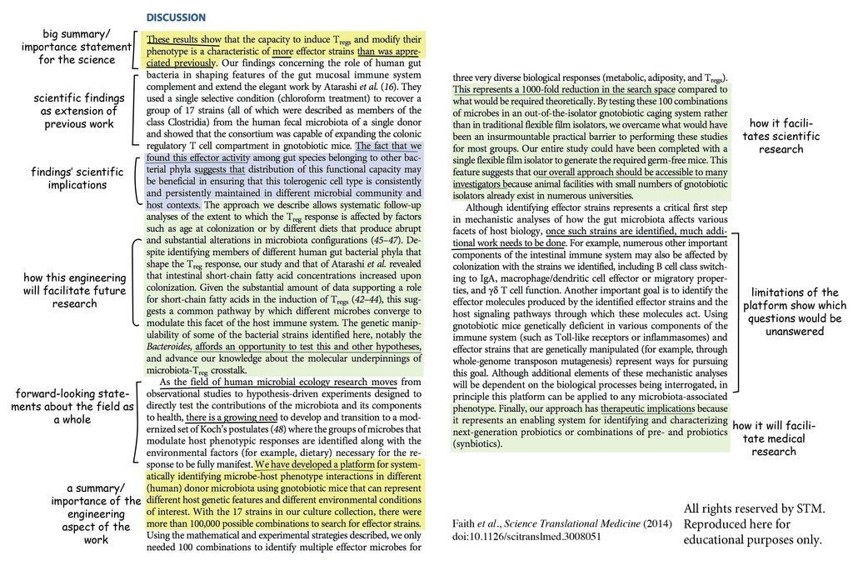
PhD Students - Here is an example of a good discussion section.
A good discussion section should answer 6 questions.
1. What is different in your findings compared to previous research?
2. What is similar in your findings compared to previous research?
3. How different sections of your results section correlate?
4. What are the implications of your findings for practitioners?
5. What are the implications of your findings for researchers?
6. What are the limitations or threats to the validity of your findings?
Most PhD students stare at a blank page for months.
They have smart ideas but no mindmap.
The difference between finishing and forever-editing?
A bulletproof thesis structure.
Here's what successful PhDs know from day one:
Academic tools don't improve your research.
Your brain does.
But finding the right tools makes your brain work better.
You don’t need more coffee. You need fewer tabs open.
(And I'll DM you my free course if you engage with this post)
This MIT paper arguing that using ChatGPT worsens one's performance on neural, linguist, and behavioral levels recently went viral.
Got millions of views. TIME and CNN covered it too.
But most people agreeing with it haven't read it.
Interestingly, researchers themselves used an AI Agent to evaluate essays.
I'm reading it closely to see if it withstands critical scrutiny.
Follow along for my commentary:
We're about to create the 1st gen of scientists who can't research without AI. And honestly? I'm not sure if that's evolution or devolution!
𝗦𝗰𝗶𝗲𝗻𝘁𝗶𝘀𝘁𝘀 𝗮𝗿𝗲 𝗻𝗼𝘄 𝘂𝘀𝗶𝗻𝗴 𝗖𝗵𝗮𝘁𝗚𝗣𝗧 𝘁𝗼:
— Extract key findings from dense papers in seconds
— Design entire experiments from scratch
— Turn complex studies into engaging content for public
— Generate survey questionnaires that would take days to create
— Respond to peer reviewers (yes, really)
& this book does a great job going through these details!
But missed the elephant in the room:
⤴️ research inequality.
Universities with AI access will accelerate faster than those without. Researchers fluent in prompt engineering will outpace those who aren't.
We're creating new divides in an already unequal system!
It doesn't address how AI might bias research directions:
⤴️ We're training AI on biased research. Now it's teaching us. See the problem?
Overall, this isn't another "AI will save us all" book.
Authors actually tested ChatGPT on real research tasks & documented both the wins and the spectacular failures.
𝐌𝐲 𝐭𝐚𝐤𝐞𝐚𝐰𝐚𝐲: We need AI-literate researchers, not AI-dependent ones!
💬 𝗪𝗵𝗶𝗰𝗵 𝗮𝗿𝗲 𝘄𝗲 𝗰𝗿𝗲𝗮𝘁𝗶𝗻𝗴?
Comment if you'd like a link to download this book!
-------------------------
Useful find? Pass it on!
🔄 Retweet
👋 I’m Razia
Click my name + follow + 🔔
I post about AI in #research & #analysis
Want FREE tips on using AI in research?
↳ Join 15K+ researchers:
🔗 link in bio
-----------------------
#aiinresearch