Eye Doctor | Optometrist | Postgrad Diploma in Public Admin | MSc Epidemiology | PHD in Epidemology (in view) | Rivers State born | social media expert
@onu_slim Ur idea is out of touch man . D best solution is 4 Govt to Freeze rental increase in Lagos and Abuja for 5-10 years. If landlords evict tenants for higher pay, they lose the property. It’s working in Riyadh SA
So let me explain why.
Bua Food is classified under on of the illiquid stocks, because about 95% of the total shares belong to AbdulSamad Rabiu.
What is available to the general public is less than 5% which is about 850m units (you might want to buy and no wants to sell, you might want to sell and no one will want to buy). Now for Bua Foods one unit currently cost about 798 naira to purchase.
On the contrary, GTCO has a free float of 99%, which is held by the public that is about 36B unit that can traded easily among people.
One unit of GTCO is 112.50 right now, very very cheap when you compare to Bua Foods. Mind you Bua food is paying 28 naira for every unit which is like 3.5%; GTCO is offering 11.75 naira for every unit which gives you 10.4.
So in simple English if you buy 100k worth of Bua foods you get a dividend pay of 3,500 as dividend, while if you buy 100k of GTCO you get 11k in dividends.
Please note that the share prices used in this tweet is the current value and calculation were made on those figures.
@getequity Since GetEquity app started selling commercial papers, has any company you listed ever defaulted on paying back the principal and profit of a commercial paper listed on GetEquity app?
Warning to all Investors
I am not moved by Femi Otedola's stake in First HoldCo. What you should actually be watching is the day he sells.
This is the lesson buried inside that single fact, and let me show you the disturbing math.
On November 26, 2012, First Bank shares listed at N15 per share.
A N500,000 invested that day bought you 33,333 shares. First HoldCo has traded as high as N145.40 in 2026 and as low as N23.55 within the same 18 months. At the high, that original N500,000 is worth roughly N4,846,666 today. Nearly 10x. On a screenshot, that looks like a wealth story. This is why the screenshot is lying to you.
Making money and making wealth are not the same event. Making money is watching a number in your account get bigger. Making wealth is watching what that number can actually buy stay the same or grow. One is arithmetic and the other is survival.
In 2012, the naira traded at roughly N155 to the dollar. That original N500,000 was worth about $3,225. Convert today's N4,846,666, the position at its ALL TIME HIGH, back to dollars at roughly N1,500 to the dollar, and you get approximately $3,231.
Shocking right? Read that again. 14 years. A share price that multiplied nearly 10 times. And in real, dollar-adjusted terms, this investor is sitting on almost exactly the same wealth they started with. No more No less.
And that is the BEST case, calculated at the stock's all time high. At more typical trading levels around N60, that same position is worth roughly $1,344 today, less than half of what N500,000 was worth in 2012.
This is the exact trap sitting underneath every Nigerian investor holding naira-denominated assets right now, Otedola included. First HoldCo stock is more volatile than 90% of stocks on the exchange, moving 11% in a single week. A chairman holding a controlling stake through that volatility is not proof the investment is safe. It is proof he has a horizon, a strategy, and almost certainly a hedge most retail investors watching from the outside do not have. That is exactly why his exit, not his entry, is the moment worth studying.
This is the part that should worry every Nigerian building a portfolio in 2026. You can hold a Nigerian stock for 14 years, watch the price multiply nearly tenfold, and still discover in dollar terms you built almost no real wealth at all. The naira has done exactly what it always does. It quietly ate the gain while the account balance made you feel rich.
The lesson is not "avoid Nigerian stocks", It is stop measuring your progress in naira alone. Measure it against the dollar. Measure it against inflation. A portfolio that only grows in naira terms while the naira itself erodes underneath it is not wealth. It is a very convincing illusion of wealth, right up until you try to spend it, send your child abroad, or import anything priced outside this country.
Watch what Otedola does with that stake, not what the price does. The exit tells you more about real value than the ticker ever will.
Stocks good for investing:
1. GTCO Strong capital base and one of the highest consistent dividend yields among tier-1 banks. Institutions keep buying it for steady income and long-term compounding.
2. Zenith Bank Delivers reliable profitability and regular dividends year after year. Brokers keep giving it Buy ratings because the numbers hold up through different market cycles.
3. Dangote Cement Controls a massive share of the cement market with pricing power and steady demand from infrastructure. Pays solid dividends and sits as a core defensive holding.
4. MTN Nigeria Dominant telecom player with recovering earnings and strong cash generation after the FX pain. Scale and subscriber base support multi-year growth.
5. Seplat Energy Earns mostly in dollars and pays quarterly dividends. Gives natural protection against naira weakness while the gas business expands.
6. UBA Pan-African footprint plus solid banking fundamentals. Benefits from the same high-rate and recapitalisation tailwinds as the other big banks.
Stocks good for trading:
1. FCMB Regularly ranks among the highest volume stocks on the exchange. Easy to get in and out, and it moves enough on sector news for short-term trades.
2. Aradel Holdings High beta and sharp reactions to oil price changes. Pullbacks and recoveries create clear short-term opportunities when crude moves.
3. Fidelity Bank High daily turnover and sensitive to banking sector momentum. Traders use the liquidity for quick swings around earnings or rate news.
4. AIICO Insurance Insurance names like this see big percentage moves and heavy retail volume. Volatility is higher than the big banks, which suits active trading.
5. CWG ICT stock that shows up often on volatility and volume screens. Moves hard on tech and market sentiment, giving room for short holds.
6. Access Holdings Still trades actively enough for momentum plays even though fundamentals are solid. Price swings around results and capital news create trading windows.
Femi Otedola won't rest until he owns more than 50% of First Bank.
Guess what?
He will sell all his shares when he finally owns between 50%-75%
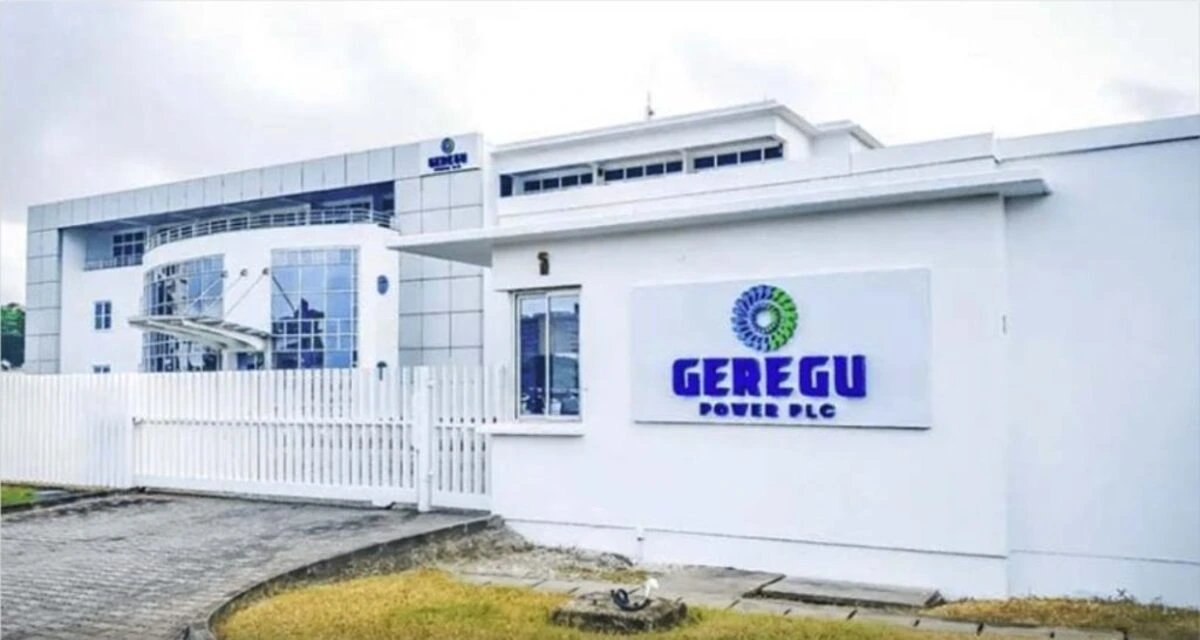
He did it with FORTE OIL and GEREGU POWER
Geregu Power Plc has defaulted on its N40.09 billion Series 1 Senior Unsecured Bond, missing both its eighth semi-annual coupon obligation and its scheduled fourth principal bullet repayment, according to an updated listing status published by FMDQ Securities Exchange. https://t.co/YqIAcKunm3
@ProfitableMan1 Hi since the commercial paper are approved by SEC , are there no measures put in place by SEC to liquidate a company asset and pay investor Incase they default .
If you don't have N5 million naira, skip this post. Let everyone else read on.
CardinalStone, as lead issuing house, has opened the book build for NBET Finance Company Plc Series 2 (Tranche A), a N400 billion power sector bond issued under a larger N4 trillion multi-instrument programme.
What that means in plain terms: NBET, the Nigerian Bulk Electricity Trading company, is borrowing money from investors to fund power sector obligations, and in return, investors earn fixed interest over 7 years.
Not financial advice. Do your own research.
Rights Issue vs Public Offer. Two ways companies raise money from investors. Here is the difference in plain language. 🇳🇬📚
RIGHTS ISSUE
A rights issue is when an existing company offers new shares exclusively to its current shareholders first.
Think of it as the company saying we need more money to grow. Before we offer shares to the public, we are giving you the right to buy first at a discounted price.
PUBLIC OFFER
A public offer is when a company sells new shares to anyone who wants to buy. Not just existing shareholders. The general public. You do not need to currently own the stock to participate.
This is how companies list on the stock exchange for the first time through what is called an 'Initial Public Offering' or 'IPO'. It is also how already listed companies raise additional capital from a wider pool of investors.
THE KEY DIFFERENCES
Rights Issue: Only for existing shareholders. Usually at a discount. First right of refusal before the public.
Public Offer: Open to everyone. No need to own shares already. Broader participation.
Both are legitimate ways companies fund growth.
Knowing the difference helps you decide whether to participate. 🇳🇬
Crypto except for the stable coin and stock market are high grade ponzi scheme .
The profit some people are gaining is the loss of some people hard earned money .
You run a business and the Nigerian government is your biggest buyer, nah receivables go kill you 😭😭😭.
You go dey see receivables for your balance sheet, buy cashflow go dry like anything.
You fit run gig of 500m make them no pay you for 2 years.
Nothing wey i hate reach government work.