Assoc Prof @ucatolica, interested in behavioral science, IOPsych & data analysis/ Profesor Asociado UC, interés en análisis de datos y psicología organizacional
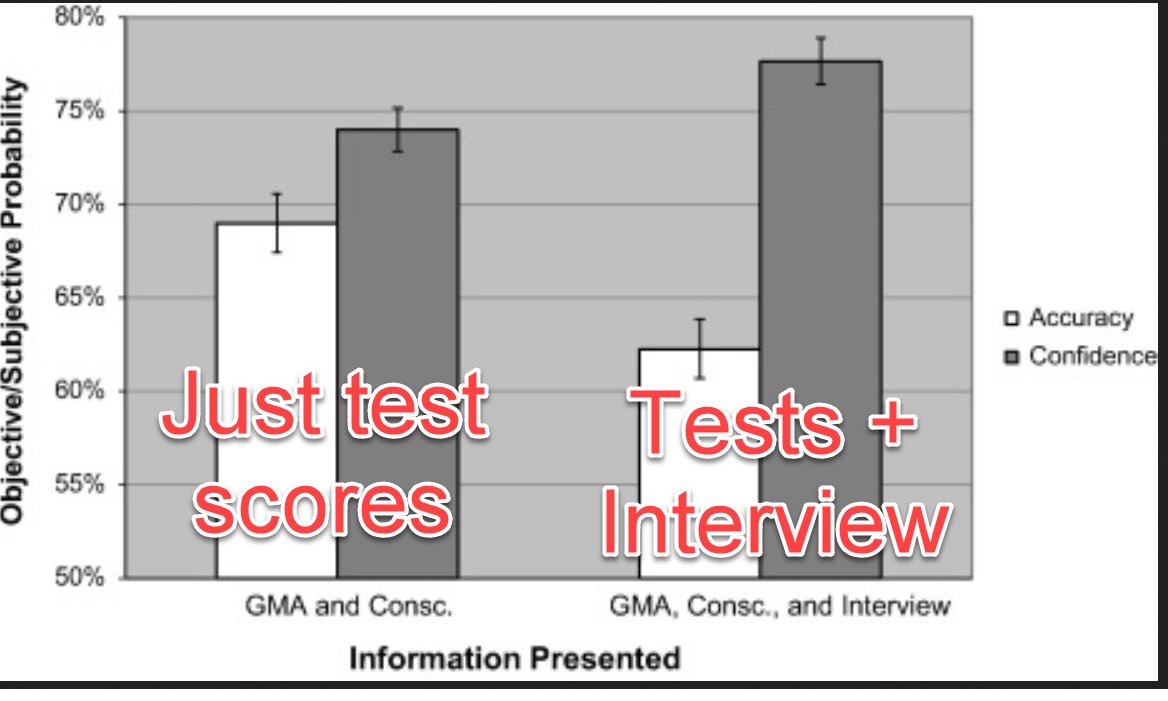
Interviewing job candidates to find out who you should hire (without careful training and planning) is just... bad. It exacerbates bias against minorities, and it results in worse assessments of candidates than just testing, as well as extreme overconfidence in bad choices. 1/4
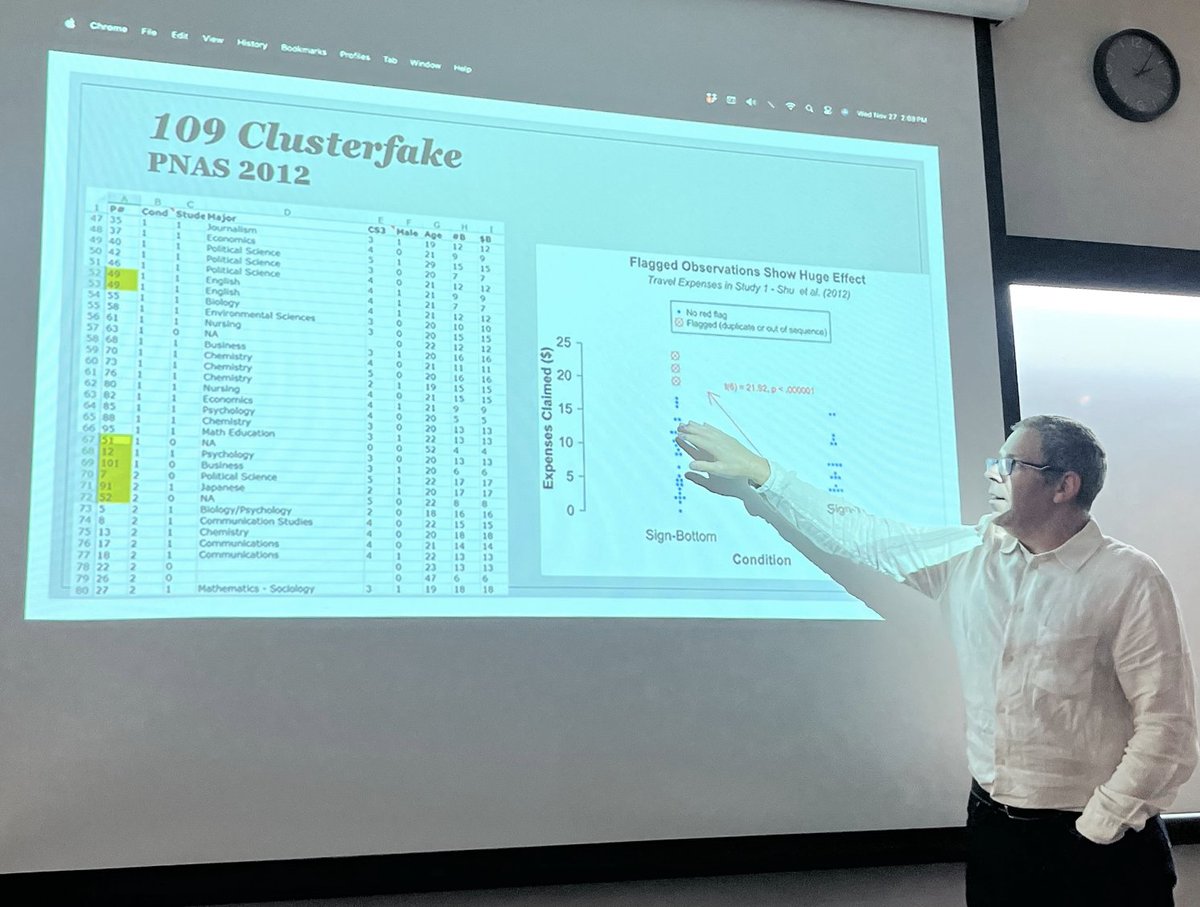
This week @uri_sohn gave a talk at @facea_uc@EscuelaAdmUC on the Gino case, Many CoAuthors, and AsCollected, a platform to prevent fraud.
Really interesting.
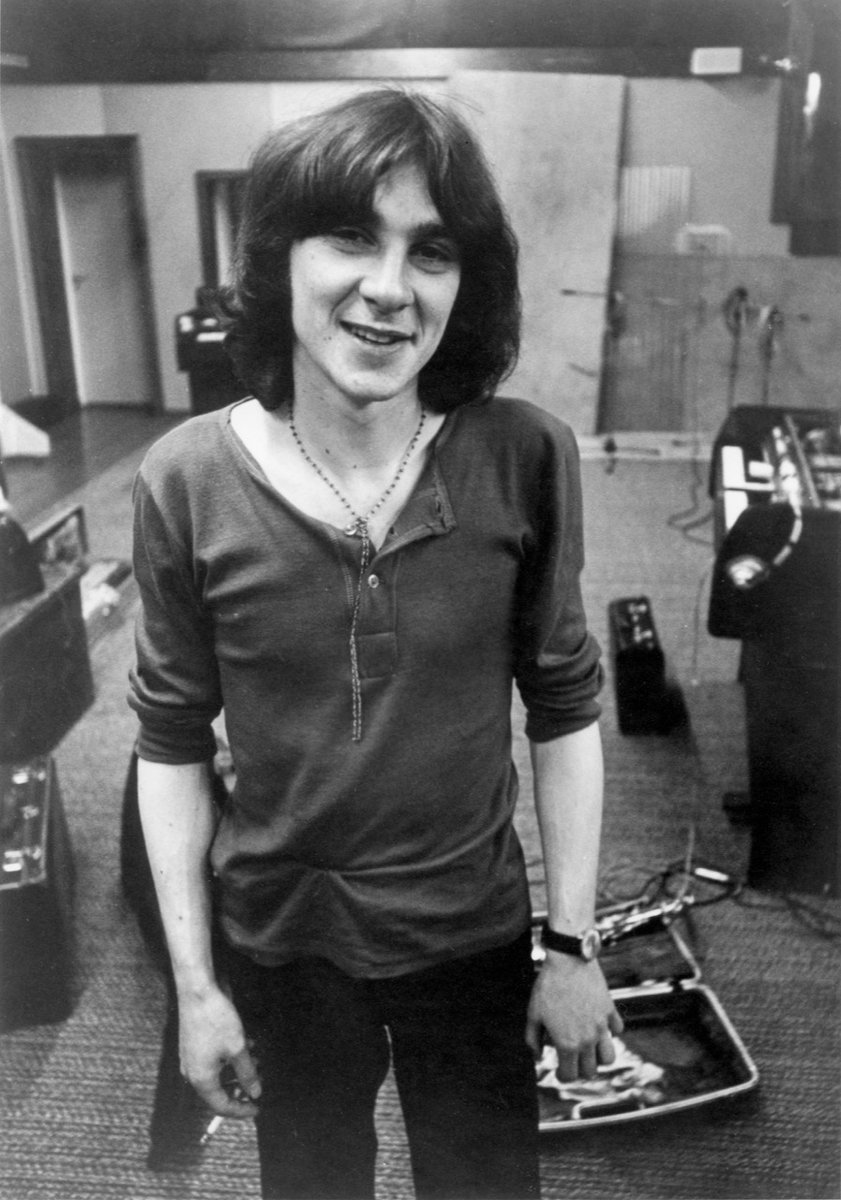
RIP, Robin Hogarth, who passed yesterday. Robin was a giant in the field of decision research. The Behavioral Science group at Chicago Booth would not be the same without Robin and Hillel Einhorn. But I will most remember him as a wonderful and kind man.
@dog_domain@cremieuxrecueil Depends on what you define as tech intrvws. Critical issues for structured (vs unstructured) interviews: 1) questions based on skills relevant for the job; 2) doing the same (initial) questions to all candidates. There are other issues, but these 2 are perhaps the most important
@cremieuxrecueil Yep. Also, what appeared to be driving our results was, on the one hand, using the wrong cues (e.g., too much weight put on job interviews); on the other hand, inconsistent use of these cues across different predictions (I understand you found somthing similar across recruiters).
This suggests that while these visualizations can improve initial planning, further strategies are necessary for enduring effects.
https://t.co/XZkhBijMG8
New paper: We conducted a study with 415 clients of an investment firm to explore how digitally aged photos influence financial decisions, comparing groups with different levels of exposure to their "future self".
Our findings revealed that these aged images significantly (linked to a vivid representation of the future self) boosted intentions to save for retirement more than just descriptive text, although this effect translated into a modest and short-term impact on actual investments
#HayQueIr museo de ciencia y tecnología de Parque Quinta Normal. Por solo $1000 para adultos (niñes ingresan gratis), es una experiencia interactiva y educativa. Monitores son estudiantes de pedagogía en física 👍🏻
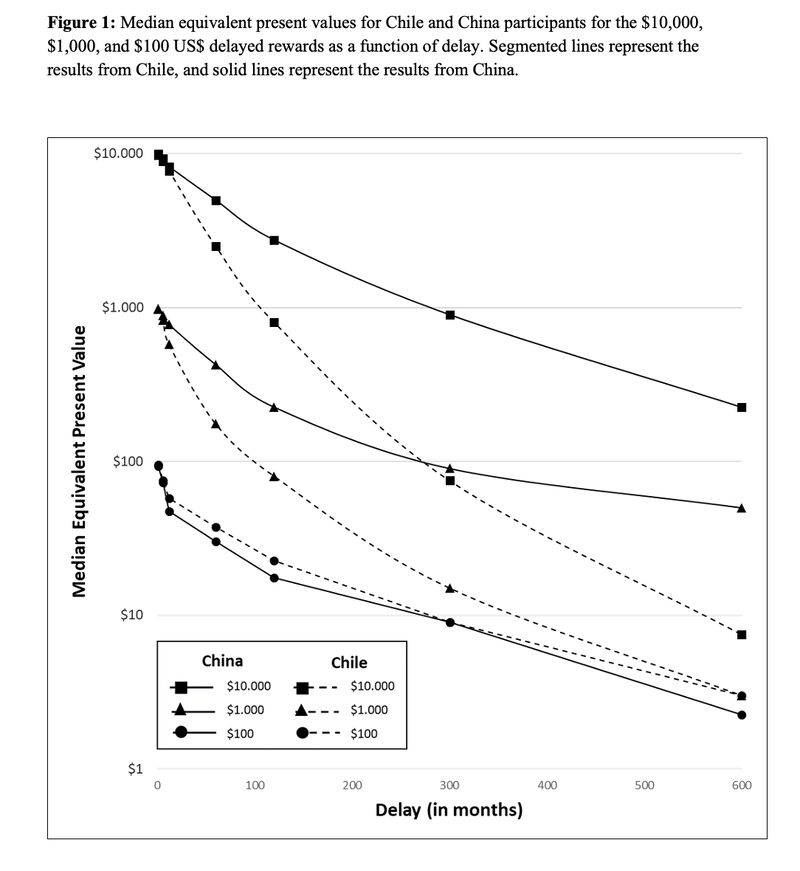
In addition, while people from both cultures fit the hyperbolic discounting model for delayed gratification, Chileans uniquely fit an exponential model for high-value rewards.
We recently published this paper with A Raineri, N Chamorro, and Z Jin. Exploring how Chileans and Chinese view money over time, our study reveals cultural contrasts in financial choice. Chileans discount future rewards more than Chinese, especially for high-value scenarios.
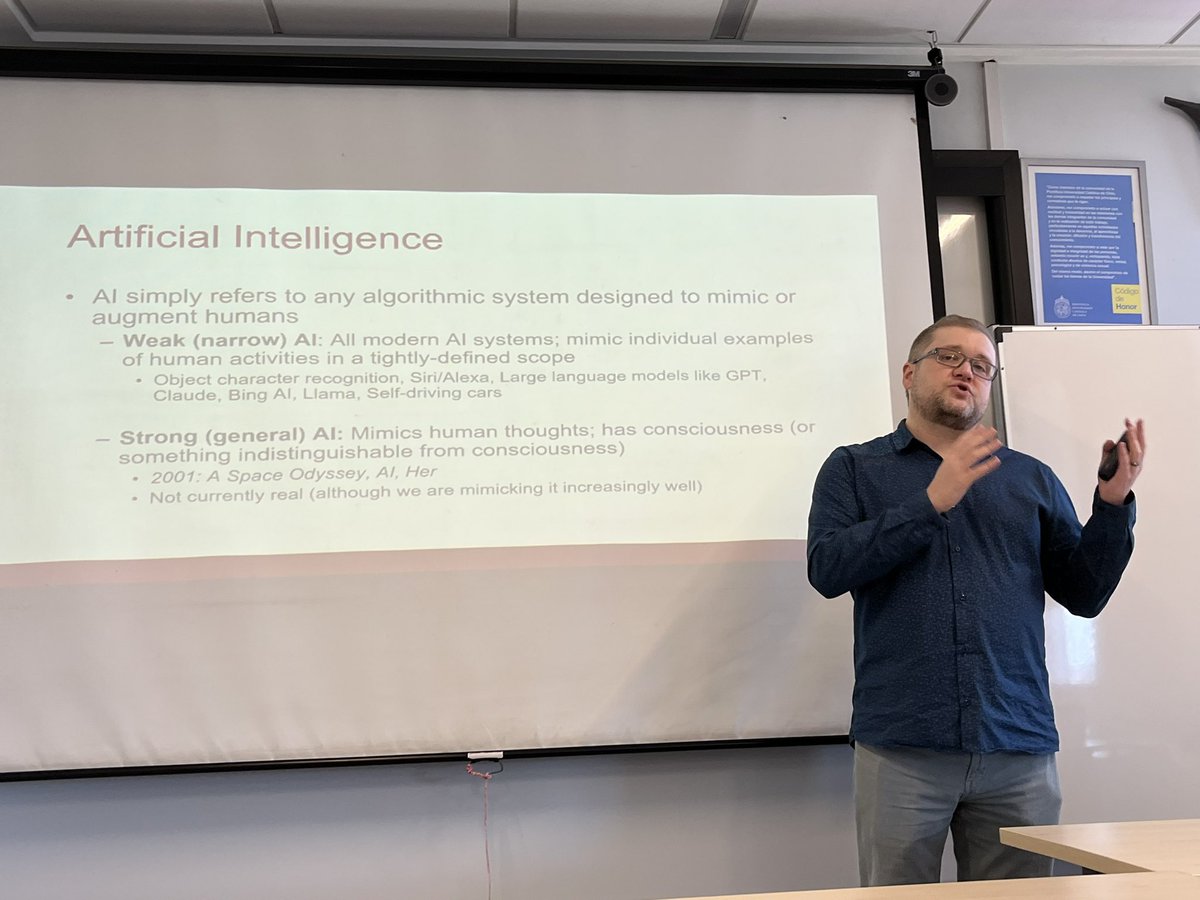
Today we had @rnlanders presenting at @EscuelaAdmUC@ucatolica. Great talk on artificial intelligence, machine learning, and hiring audits. It was, at the same time, research-based, technical and even philosophical, but with lots of practical implications.
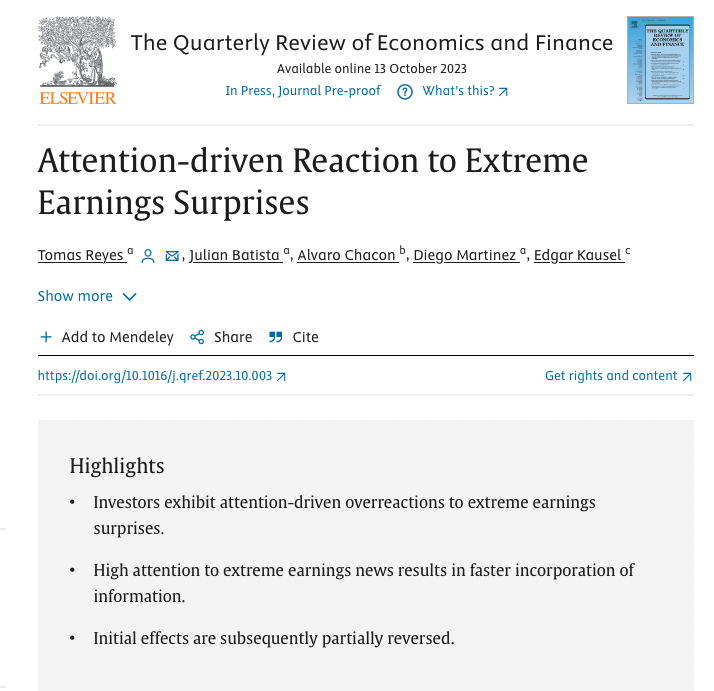
New paper!
We study the relationship between investor attention & stock returns in the context of extreme earnings surprises. High attention to earnings news leads to faster info incorporation into stock prices, overreaction, and then a partial reversal.
https://t.co/ZyE40r1ypD