@sol__despeinada La camiseta tenia esvásticas, lotto la saco enseguida del mercado, yodas las q pudo, y les hicieron otras al club creo q eso quizo decir el pibito
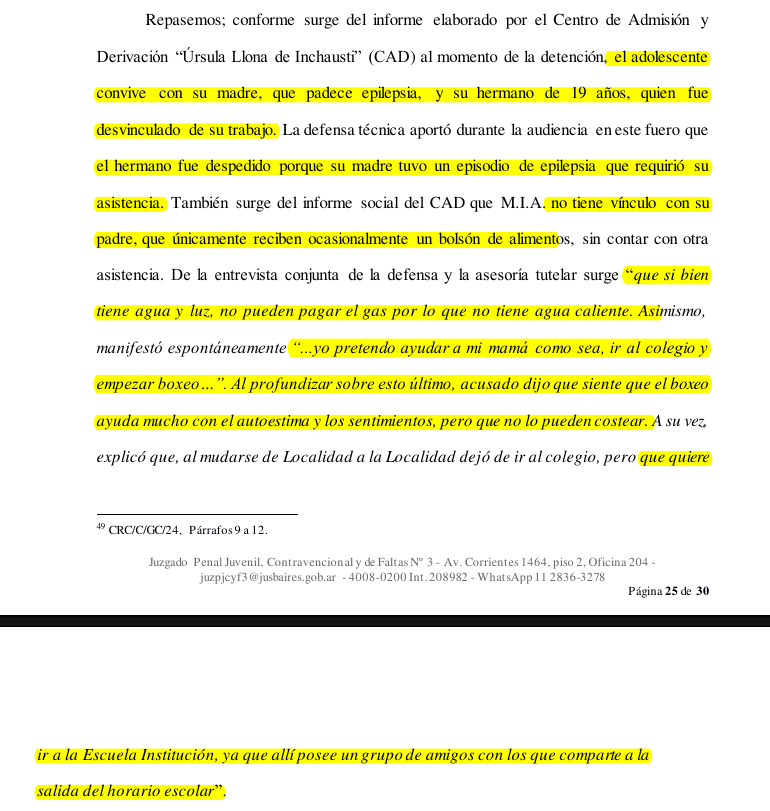
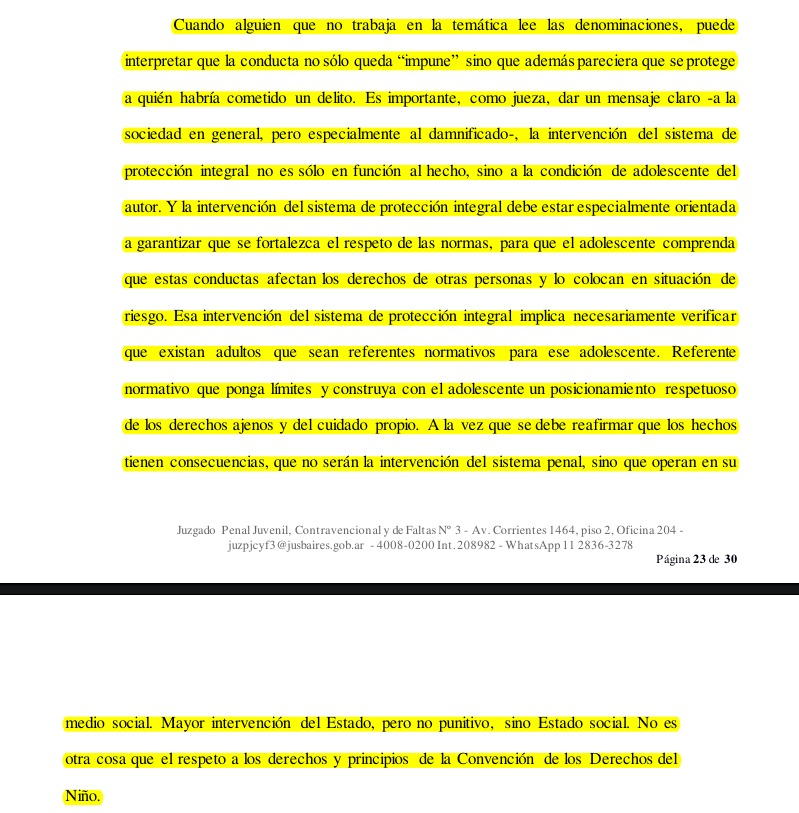
2 párrafos del fallo de la jueza Laura de Marinis
Uno, la descripción de la vida del pibe: padre ausente, madre con epilepsia, hermano mayor que lo echaron por ayudar a la madre durante un ataque de epilepsia, quiere ir a la escuela y "ayudar a su mamá como sea".
Dos, el detalle del sistema de protección integral de los menores en este contexto de tentativa de cometer un delito.
Vale la pena leer el fallo completo.
Los jueces que dejan delincuentes libres son los Lijo, Llorens, Bertuzzi, Rosatti y compañía. No esta jueza.
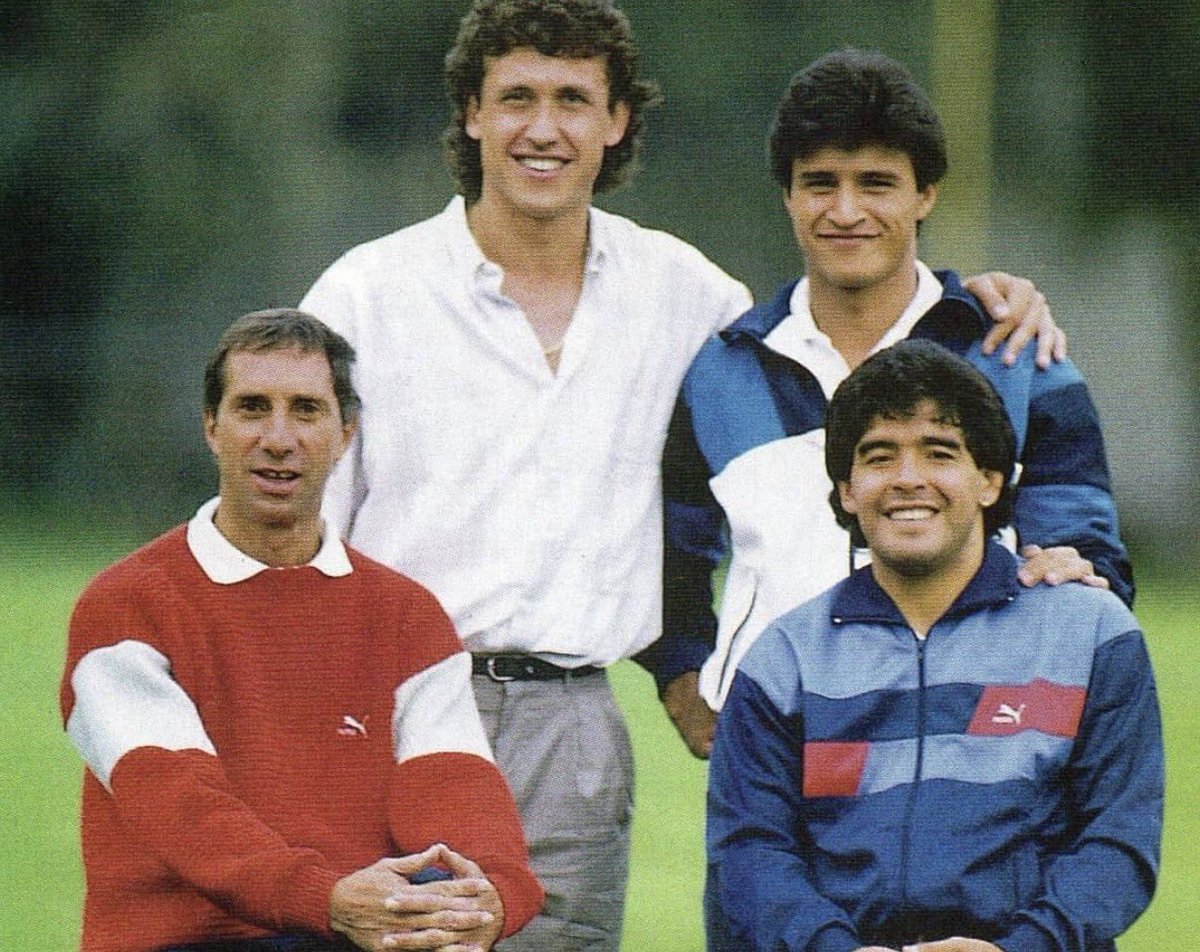
JORGE VALDANO: "Estábamos en Berlín esperando un partido con Argentina y Bilardo insistía en la necesidad de entrenar la técnica y, como las obsesiones nunca se quedan cortas, repetía sin parar que un jugador argentino tenía que vivir con la pelota en los pies:iMañana, tarde y noche, siempre con la pelota', decía. Días repitiendo lo mismo.
Después de escucharlo, Diego salió de su habitación dominando una pelota y haciendo jueguitos. Tomó un ascensor en el que siguió haciendo jueguitos, llegó al comedor, se sentó y la pelota seguía sin caerse mientras picoteaba el pan. Bilardo entró, lo vio y con una sonrisa de oreja a oreja se llenó de razón: '¿Ven?
Por eso es Maradona'"
Ayer volví a ver Terminator, después de muchos años. Me gustó tanto como cuando tenía diez años y la pasaban en Telefé.
Esta escena es tan profética como terrorífica. Parece haber sido escrita mañana.
On March 16, 1968, US troops were raping and massacring Vietnamese civilians including children and babies at My Lai.
Then an American helicopter pilot named Hugh Thompson Jr. saw what was happening — and decided he could not stand by.
Thompson was flying a reconnaissance mission in an OH-23 Raven with his two crewmen, Glenn Andreotta and Lawrence Colburn. Their job was to scout ahead of the ground troops and identify enemy positions.
But something was terribly wrong.
From the air, Thompson noticed bodies everywhere — women, children, infants and elderly people. There was virtually no return fire.
He marked wounded civilians with smoke so they could receive medical help.
But when he came back, he discovered that some of the people he had marked as wounded had been shot dead.
He watched a wounded Vietnamese woman lying on the ground. An American soldier approached her, prodded her with his foot — and shot her in the head.
Thompson was horrified.
He then saw a group of 12–15 Vietnamese women and children fleeing toward a bunker while American soldiers pursued them.
He landed his helicopter between the civilians and the soldiers.
Thompson confronted the Americans and ordered his crew to cover the civilians. He told his gunner, Lawrence Colburn, to train his M60 on the American troops and fire if they opened fire on the Vietnamese.
Think about that.
An American soldier had reached the point where he was willing to risk shooting fellow American soldiers to prevent them from committing more war crimes.
Thompson then helped get the civilians out of the bunker and called in other helicopters to evacuate them.
His crew helped rescue Vietnamese survivors and wounded children.
After returning to base, Thompson immediately reported what he had witnessed to his superiors.
Hugh and his men deserve to be remembered, not because they were American soldiers, but because they chose humanity when others had abandoned it.
While others were killing innocent people, these three Americans risked their lives to save them.
That is courage. That is humanity. This is Thompson Hugh Jr.
"Lo diré sin miedo ahora mismo en televisión: no, no iré a 10.000 millas de aquí para asesinar a más gente pobre simplemente para perpetuar la dominación de los esclavistas blancos. Lo he dicho una vez y lo repito: los verdaderos enemigos de mi pueblo están aquí, no en Vietnam. Gracias".