@1SafetyLast That’s allright from the wheelhouse but imagine being the engineer on duty… Below see level responsible to keep the power on but not knowing what’s going on
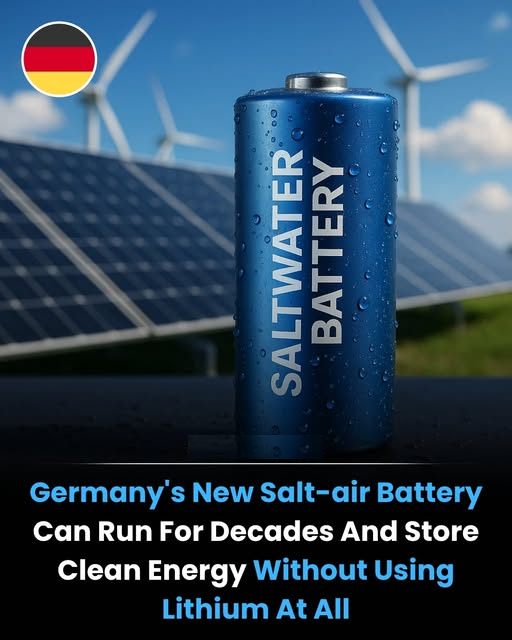
Germany has unveiled a revolutionary salt-air battery that could transform global energy storage. Instead of relying on lithium — a costly, finite, and environmentally challenging resource — this technology uses salt, air, and carbon to create a long-lasting, stable battery with a lifespan measured in decades, not years.
The battery works by converting chemical energy into electricity using a reaction between salt and oxygen. Unlike lithium-ion systems, it doesn’t overheat, doesn’t require rare-earth elements, and is nearly 100% recyclable. It also stores energy at a lower cost, making it ideal for large-scale renewable grids.
If deployed globally, salt-air batteries could make solar and wind power more reliable by storing energy even during long cloudy winters or calm wind periods. It’s a reminder that nature’s simplest materials — salt and air — may hold the key to humanity’s clean-energy future.
Betsie van Genderen
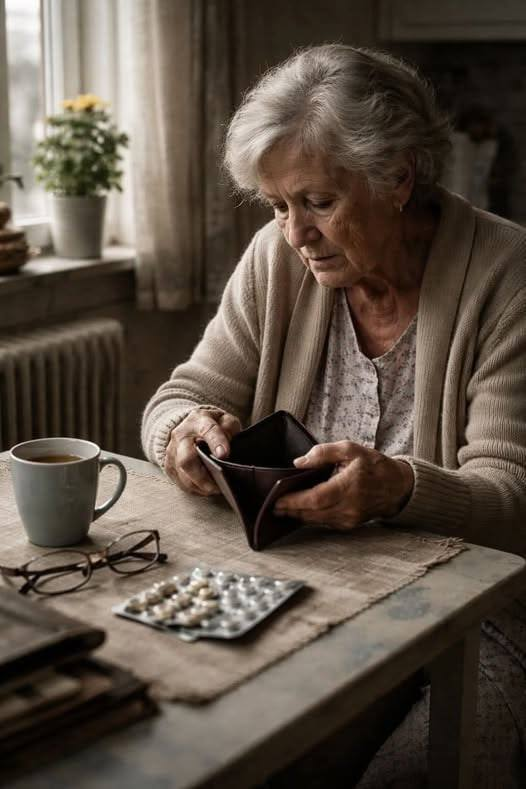
Ze is 84. Ze woont alleen. Het huis is stil sinds haar man er niet meer is.
’s Ochtends zit ze aan de keukentafel met een kop thee die koud wordt voordat hij op is. Haar benen willen niet meer zoals vroeger. De steunkousen liggen klaar, maar ze krijgt ze zelf niet aan.
Er was iemand die kwam helpen. Gewoon iemand. Een vertrouwd gezicht. Maar nu twijfelt ze.
Niet omdat ze geen zorg nodig heeft.
Maar omdat ze bang is voor de rekening.
Dus probeert ze het zelf. Ze trekt. Ze zucht. Ze geeft op. Morgen weer.
De wond op haar been geneest niet. Ze doet er een pleister op. Nog één. En nog één. Het ruikt niet goed, maar ach… het zal wel.
Ze wil niemand tot last zijn.
Dat is wat dit beleid doet. Het maakt mensen stil. Het leert ze om hun pijn te verbergen.
In Den Haag noemen ze het een “eigen bijdrage”. Een klein bedrag, zeggen ze. Te overzien. Maar dat is alleen zo als je nooit hebt moeten kiezen tussen hulp of boodschappen. Tussen zorg of je verwarming aanzetten.
Zorgverleners weten wat er gebeurt als mensen wachten. Ze zien het elke dag. Ouderen die te laat zijn. Te moe. Te bang. Te verwaarloosd. Niet omdat ze niet wilden, maar omdat ze dachten dat het beter was om niks te vragen.
En ja, het levert geld op. Op papier.
Maar ondertussen betalen mensen met hun lijf. Met hun waardigheid. Met hun laatste jaren.
Dit land is rijk. We hebben systemen, regels, potjes en plannen.
Maar ergens onderweg zijn we vergeten waar zorg eigenlijk voor is. Niet om iemand “efficiënt” te helpen, maar om te zeggen: je hoeft dit niet alleen te doen.
Als we zorg iets maken waar je eerst voor moet betalen voordat je geholpen wordt, dan veranderen we iets fundamenteels. Dan maken we hulp iets dat je verdient, in plaats van iets dat je krijgt omdat je mens bent.
En zij? Zij zit nog steeds aan die keukentafel.
Met koude thee. En een been dat steeds meer pijn doet.
Niet omdat niemand haar kan helpen.
Maar omdat wij hebben besloten dat hulp een prijs heeft.
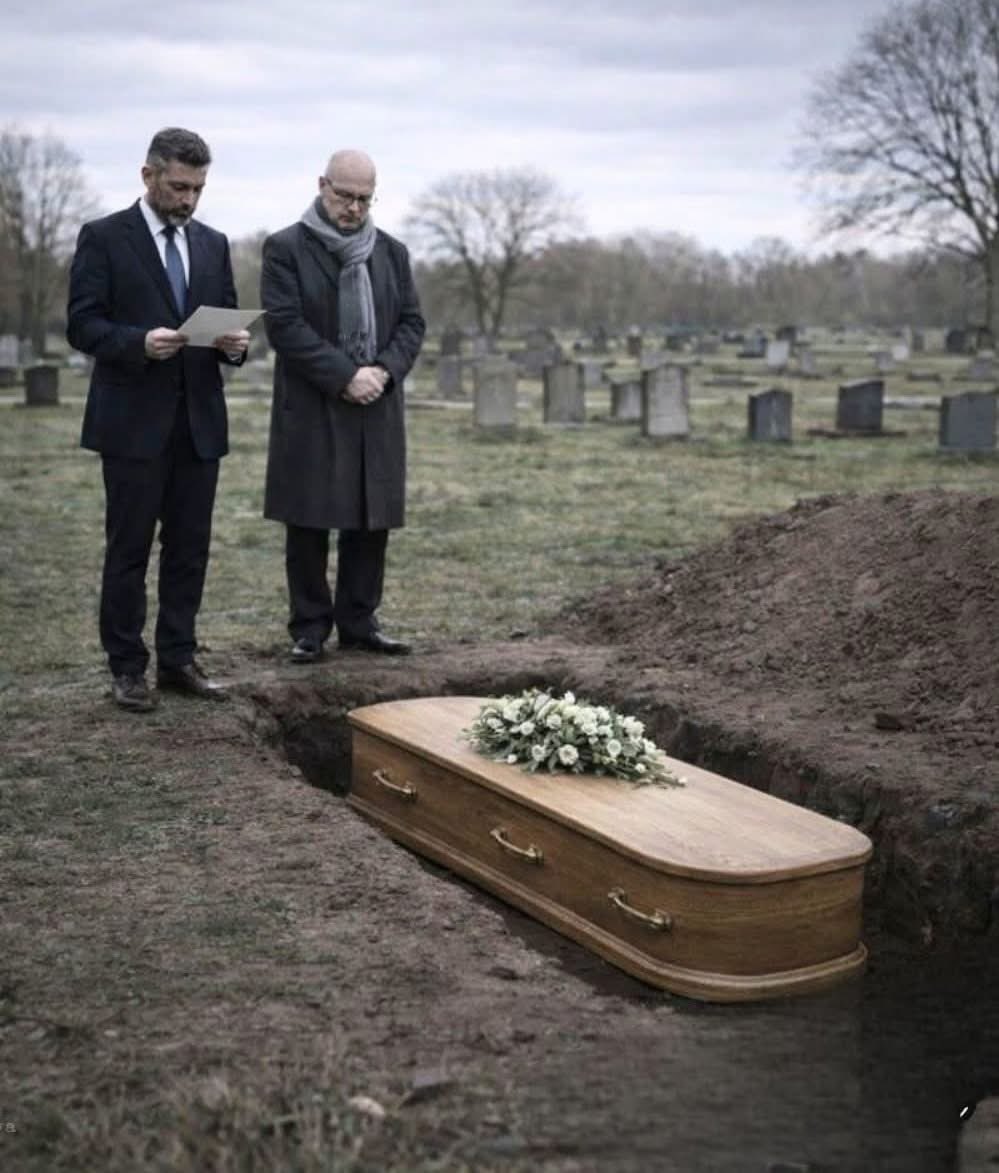
In the Netherlands, when a person dies with no family or friends to attend the funeral, the ceremony is not left to silence. A civil servant is present, representing the community. And beside them stands a poet.
The idea was born to prevent the final farewell from becoming a purely bureaucratic act. The poet receives the few available details: a name, a date, perhaps a job, an address—sometimes only a single, minimal fact. From these fragments, a text is written especially for that life.
During the ceremony, the poem is read aloud. It does not celebrate achievements, nor does it invent affections. It carefully gathers what remains. It turns an anonymous goodbye into a human gesture.
It is not a grand public ritual. It is something simple, almost invisible. Yet in that moment, the deceased is no longer alone. Someone speaks their name. Someone acknowledges them.
And perhaps this is the deepest meaning of the initiative: to remind us that a life, even when it ends in silence, deserves to be farewelled by a voice.
Vandaag mag @StAmbulancewens de 25.000 ste wens vervullen.
Voor 1 keer trending worden op X zou een leuk cadeautje zijn, helpen jullie mee met een RT ?
I would like to ask my non-Iranian followers to spread the news of Iran more than previous days🙏
Today, many Iranian accounts don't have access to the internet to spread the word . We need help of the international community 🇮🇱🇺🇸
Khamenei is pure evil.
Wise words
“My name’s Frank. I’m 64, a retired electrician.
Forty-two years I spent running wires through houses, fixing breakers, making sure people had light in their kitchens and heat in their winters. Never once did anyone ask me where I went to college. Mostly, they just wanted to know if I could get the power back on before their ice cream melted.
Last May, I was at my granddaughter Emily’s school career day. You know the drill — doctors, lawyers, a software guy in a slick suit talking about “scaling startups.” I was the only one there with a tool belt and work boots.
When it was my turn, I told the kids, “I don’t have a degree. I’ve never sat in a lecture hall. But I’ve wired schools, hospitals, and your principal’s house. And when the hospital generator failed during a snowstorm in ’98, I was the one in the basement with a flashlight, keeping the lights on for newborn babies upstairs.”
The kids leaned forward. They had questions — real ones. “How do you fix stuff in the dark?” “Do you make a lot of money?” “Do you ever get zapped?” (Yes, once, and it’ll curl your hair.)
When the bell rang, one boy hung back. Small kid, freckles, hoodie too big for him. He mumbled, “My uncle’s a plumber. People laugh at him ’cause he didn’t finish high school. But… he’s the only one in the family who can fix anything.”
I looked that boy in the eye and said, “Kid, your uncle’s a hero. When your toilet overflows at midnight, Harvard ain’t sending anyone. A plumber is.”
Here’s the thing nobody told me when I was young — the world doesn’t run without tradespeople. You can have all the engineers you want, but if nobody builds the house, wires the power, or lays the pipes, those blueprints just sit in a drawer.
We’ve made it sound like trades are what you do if you can’t go to college, instead of a path you choose because you like working with your hands, solving problems, and seeing your work stand solid for decades.
Four years after high school, some kids walk away with diplomas. Others walk away with zero debt, a union card, and a skill they can take anywhere in the world. And guess what? When your furnace dies in January, it’s not the diploma that saves you.
A few weeks ago, that same freckled kid’s mom stopped me at the grocery store. She said, “You probably don’t remember, but you told my son trades are important. He’s shadowing his uncle this summer. First time I’ve seen him excited about anything in years.”
That’s the part we forget — for some kids, knowing their path is respected changes everything. It’s not about “just” fixing wires or pipes. It’s about pride. Purpose. The kind that sticks with you long after the job’s done.
So next time you meet a teenager, don’t just ask, “Where are you going to college?” Ask, “What’s your plan?” And if they say, “I’m learning to weld,” or “I’m starting an apprenticeship,” smile big and say, “That’s fantastic. We’re going to need you.”
Because we will. More than ever. And when the lights go out, you’ll be glad they showed up.”
@shipbuildingtv I was working in the engine room in these circumstances. Not seeing what was happening out there but busy keeping things running to stay safe.
@RWB_American How is it that nobody ever gives a fuck about the sailors on those ships? Time is money so screw them, who would they ever get a moment of rest to see the country where they got to this time?