Lauretta is 22years old and she is doing everything she can to fight cancer. I'm also doing everything I can to get her the help she needs.
Thank you all for not giving up on us. So far we’ve raised 4.4M and we still need your support to keep her treatment going, she is also preparing to go in for another chemotherapy session this week.
Please keep sharing, quoting and donating what you can. Our helper may still be out there.
Donation link is in my bio
For direct transfer
0247265543
GTB: Duke, Margaret Bassey
Nothing is small 🤲🏾🤲🏾
This video is a call for help.
My mum is battling with stroke, and it is slowly taking her life. She needs urgent medical funds to stay alive, and I cannot do this alone anymore. Please, if you have it in your heart to help or retweet this to someone who can, I beg of you 🤲🏻🙏
Dear @Zlatan_Ibile
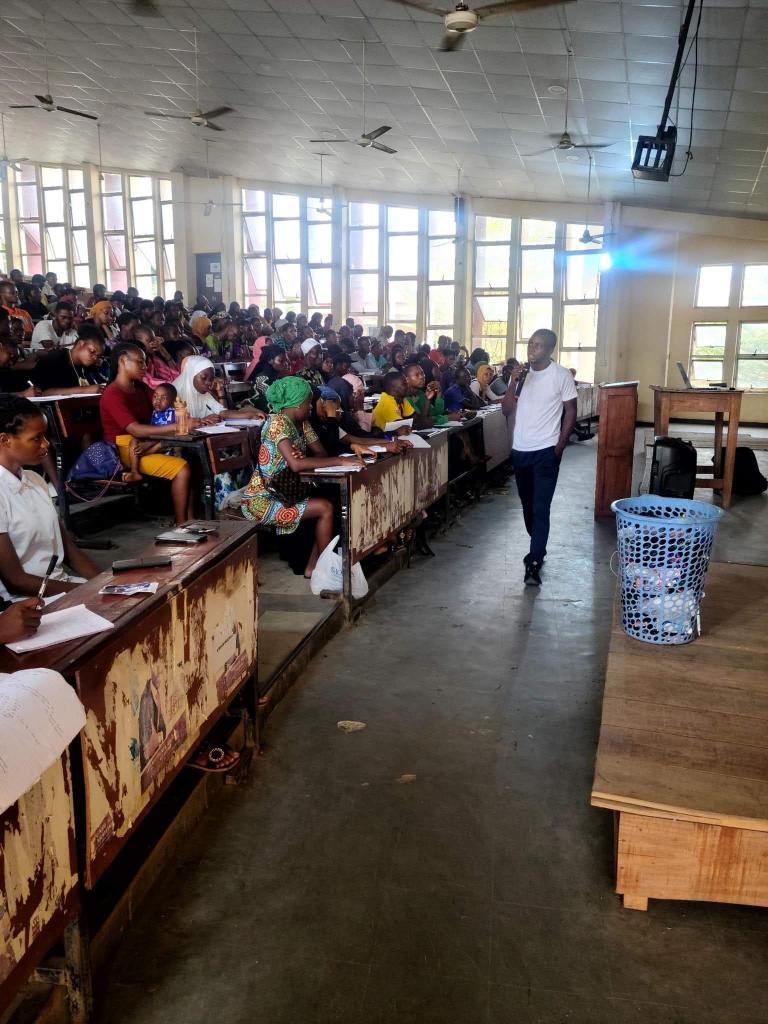
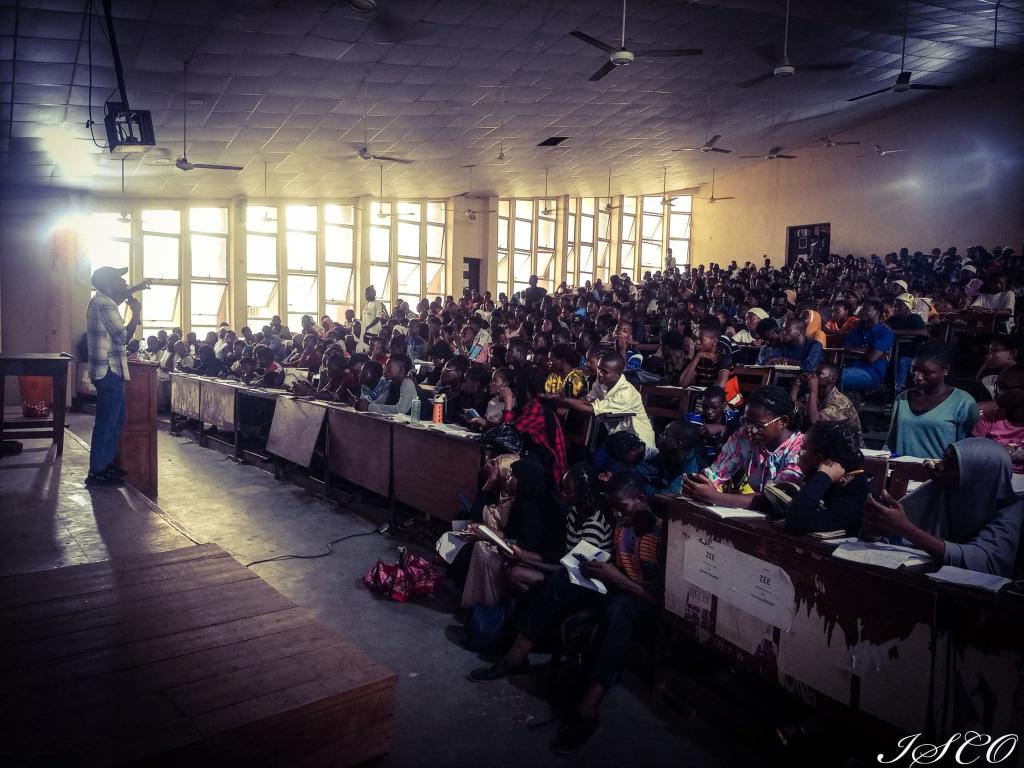
I’ve attached photos of me conducting free French tutorials at the University of Ibadan over the past 4–5 years. I’m confident in my ability to handle basic French lessons effectively if given the opportunity.
Thank you for your consideration.
There's a physicist at Stanford named Safi Bahcall who modeled this exact principle and the math is wild.
He calls it "phase transitions in human networks." When you're stationary, your probability of a lucky event is limited to your existing surface area: the people you already know, the places you already go, the ideas you've already been exposed to. Your opportunity window is fixed.
When you move, your collision rate with new nodes in a network increases nonlinearly. Double your movement (new conversations, new cities, new projects) and your probability of a serendipitous encounter doesn't double. It roughly quadruples. Because each new node connects you to their entire network, not just to them.
Richard Wiseman ran a 10-year study at the University of Hertfordshire tracking self-described "lucky" and "unlucky" people. The single biggest differentiator wasn't IQ, education, or family money. Lucky people scored significantly higher on one trait: openness to experience. They talked to strangers more, varied their routines more, and said yes to invitations at nearly twice the rate.
The "unlucky" group followed the same routes, ate at the same restaurants, and talked to the same 5 people. Their networks were closed loops. No new inputs, no new collisions.
Luck isn't random. Luck is surface area. And surface area is a function of movement.
The lobster emoji is doing more work than most people realize. Lobsters grow by shedding their shell when it gets too tight. The growth requires a period of total vulnerability. No protection, no armor, soft body exposed to the ocean.
That's the cost of movement nobody posts about. You have to be uncomfortable first. The new shell only hardens after you've already moved.