I think people have completely lost the meaning of “parasocial” in this discourse. Not attacking BTS every time they make a choice I wouldn’t make doesn’t mean I think they can do no wrong. It means I understand my place as a fan. I love BTS. I think very highly of them as people based on what they’ve shown us over the years. But I do not know them, and they do not know me. I’m a fan of their art. They are grown men with lives outside of this fandom, and they do not need my approval for every concert they attend, person they meet or choice they make. I don’t have to defend every choice they make because their choices aren’t mine to defend. And I don’t have to attack them either. I can simply disagree, decide what MY boundaries are and move on. That’s not blind loyalty. If anything, believing your relationship with an artist gives you the right to “educate” them, demand apologies and pressure them into living according to your personal values feels far more parasocial to me.
Bro Elmo Musk was literally in the files begging to go to r*pe island and we all still use his fuckass app
all of this is PERFORMATIVE and yall are just looking for hit tweets at the tannie’s expense.
I wasn't gonna talk about this because the toxicity and unnecessary hate towards the tannies has been way too much for me, so I decided to stay out of this app. But this has gone way beyond what it should've.
I genuinely don't understand why listening to an artist's music is automatically being equated to endorsing everything that artist has ever done. Listening to an artist's music does NOT mean you support their actions. Not everyone Googles the history of every artist they listen to. Sometimes you simply hear a song, like it, add it to your playlist and move on. I used to listen to CB too before I knew about his past. That doesn't mean I supported his actions. Music and the person behind it can exist as two separate things for people. The same applies here. Tannies being music lovers and listening to an artist doesn't automatically mean they endorse that person's actions or history.
And yes, you're allowed to be disappointed or feel uncomfortable. You're allowed to criticise them and tell them when something doesn't align with your values. BTS has always been open to genuine, constructive criticism. But there's a massive difference between expressing disappointment and acting like you have the right to police their lives. And some of you have crossed that line today.
You don't know WHY they attended that concert. Until Hobi or Joon talk about it themselves, you're making assumptions. And the language some of you are using is doing nothing but giving BTS haters more ammunition.
How can you call yourself ARMY and forget that there are people waiting like fucking hyenas for any opportunity to drag these men? You can disagree with them without trying to control their lives. You can hold them accountable without tearing them down.
Criticise if you need to. Be disappointed if you are. But for fuck's sake, don't lose all sense of perspective and turn your criticism into something that ends up hurting the very people you're claiming to protect.
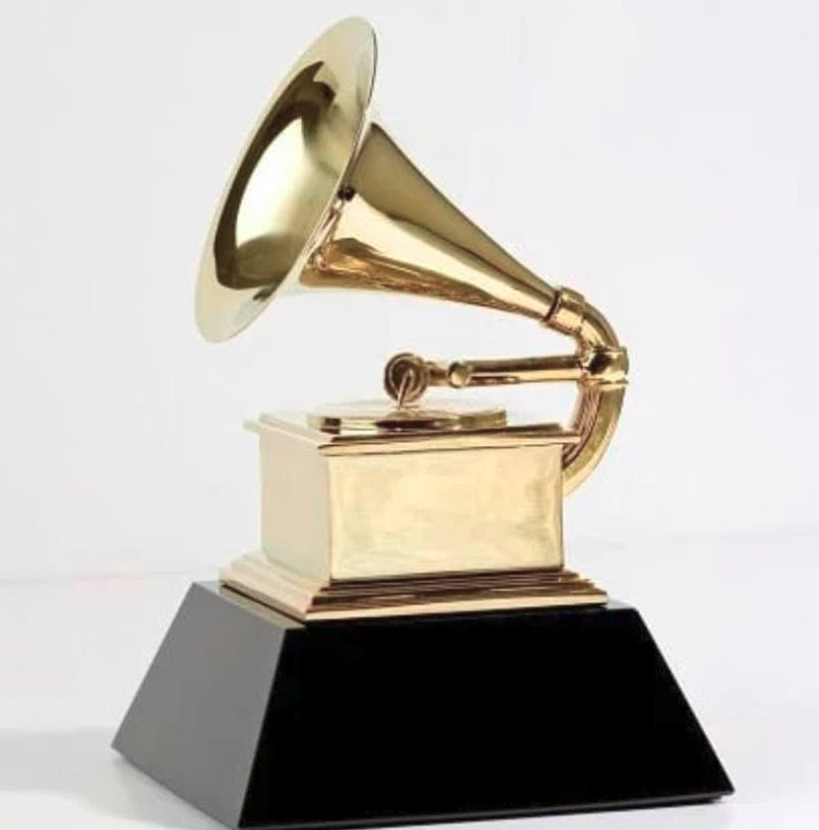
"The standalone Asian Pop category has highlighted, for many, the American obsession with performative inclusion, where "woke" diversity can accidentally end up placing non-Western acts into secondary consolation tiers."
"The recent controversy has brought greater cultural awareness to this issue while, at the same time, keeping the show's top prizes largely reserved for domestic pop stars."
"Instead of letting global hits compete head-to-head in major categories like Record of the Year, institutions often use tokenized subcategories to demonstrate cultural awareness while keeping their top prizes focused on domestic pop stars."
#ArtHasNoAliens @RecordingAcad
https://t.co/JNXJKgnSIq
INFO | 📰
El inversor de capital riesgo coreano-estadounidense Ian Park comparó la situación de #BTS con el Premio Nobel otorgado a Han Kang*:
El Comité Nobel no le concedió a Han Kang el "Premio Literario Asiático", sino el Premio Nobel de Literatura. Esta diferencia, aparentemente insignificante, es la clave de la actual controversia de los Grammy.
BTS declinó presentar su trabajo para los Grammy de 2027. El motivo fue la creación de una nueva categoría: "Mejor Interpretación Pop Asiática". El grupo declaró: "Queremos que nuestra música se escuche por lo que es, sin divisiones por región o idioma".
A primera vista, esto podría parecer un signo de reconocimiento. Pero en realidad, podría significar división. Crear una categoría aparte para la música asiática podría marginarla de las nominaciones principales. A medida que el debate cobraba fuerza, el director ejecutivo de la Academia de la Grabación aclaró personalmente: "Nuestro objetivo no es dividir, sino empoderar. Esta categoría se creó para destacar el desarrollo de la música pop asiática y descubrir nuevos artistas, no para aislarlos".
A primera vista, esto suena convincente. Pero la idea de "dividir en nombre de la igualdad" ya ha demostrado su inconsistencia. En la historia de Estados Unidos, los espacios separados nunca han sido verdaderamente iguales: las instituciones diseñadas para personas de color han sido sistemáticamente de menor calidad. Por lo tanto, tales explicaciones solo alimentan las críticas. Y, ante todo, la identidad asiática no es un género musical. El jazz, el rock o el country sí lo son. Asia no.
La identidad asiática no es un género musical, sino una raza y una región geográfica. No existe el "pop europeo". No hay categorías como "pop británico" o "pop blanco". Ed Sheeran y Adele no pertenecen a una categoría aparte basada en la raza. Sin embargo, Asia comprende aproximadamente el 60% de la población mundial, decenas de países e idiomas. Y todo esto se combinó en una sola categoría. Es más, uno de los requisitos de nominación era la interpretación de canciones en idiomas asiáticos. Resulta que la división no se basa en la música, sino en el origen y el idioma.
La reacción de los organizadores es aún más extraña. Si bien afirmaban que "no hay exclusión", borraron discretamente las grabaciones archivadas de presentaciones anteriores. Aunque aseguraron que los artistas aún podían ser considerados para las categorías principales, sus acciones contradecían sus palabras. Como si dijeran: "¿Cómo se atreven?". Primero, demostraron su autoridad borrando el video. Esta es precisamente la reacción que suelen recibir quienes se atreven a denunciar la injusticia. Incluso si las intenciones eran buenas, el resultado sigue siendo la división racial. Un escenario aparte no implica necesariamente respeto. Por lo tanto, la negativa era la única respuesta correcta.
Creo que BTS rechazó la oferta de los Grammy no por hipersensibilidad. El problema radica en el sistema mismo. Cuando la raza se convierte en una categoría musical, se convierte en una jaula. Y por muy bellamente decorada que esté, una jaula sigue siendo una jaula.
El verdadero respeto no proviene de crear categorías separadas, sino de poder estar en el mismo escenario y competir en igualdad de condiciones. Esto, en mi opinión, es lo que sucedió con Han Kang.
Han Kang simplemente ganó el Premio Nobel de Literatura. No se trata de un "Premio Nobel Asiático de Literatura" aparte, sino del mismo Premio Nobel que todos los demás. Eso sí es verdadera autoridad.
Y este no es ni mucho menos el primer caso. Tras la triunfal actuación de Bad Bunny en los Grammy de 2026, se creó una nueva categoría: "Mejor Canción Latina". Cada vez hay más intentos de incluir la música en idiomas distintos del inglés en categorías separadas.
Para mí, la conclusión es clara: BTS no necesita los Grammy, pero los Grammy sí necesitan a BTS. Esta historia no hizo sino dejarlo aún más claro.
Harvey Mason Jr.’s response is a masterclass in corporate gaslighting that completely ignores how the Recording Academy actually operates.
While the "separate but equal" defense sounds perfectly reasonable on paper, anyone who closely follows the music industry knows that sub-categories are routinely used as containment zones for diverse artists. The Grammys have a long, documented history of using genre and regional brackets to keep non-Western, non-white, and non-English-speaking acts away from the Big Four main stages.
The Structural Flaws in the CEO's Argument
The Vote-Splitting Reality: Mason claims genre categories do not exclude artists from the General Field (Album, Record, and Song of the Year). However, in practice, the 15,000 Grammy voters use these niche categories as a convenient box to check. Once an artist is tucked safely away in a regional or genre slot, voters rarely feel compelled to reward them in the top-tier categories.
The "Urban" Parallel: We have seen this exact playbook before. For years, Black artists were systematically funneled into the "Urban Contemporary" or R&B categories while being locked out of Album of the Year. The Academy renamed the category after intense backlash, but the structural habit of keeping diverse, chart-topping music out of the main spotlight remains identical.
Clout Chasing vs. Artistic Respect: The Academy's sadness over BTS’s withdrawal is deeply financial. The Grammys desperately need the massive social media impressions, live viewership, and cultural relevance that global acts bring to a dying linear television broadcast. They want the traffic, but they refuse to evolve their voting pool to genuinely evaluate global music on equal footing.
The Language and Geography Barrier: Music is a universal medium. By drawing a geographic boundary around pop music coming out of Asia, the Academy is fundamentally stating that Western pop is the "default" and everything else is a foreign anomaly requiring a special, segregated spotlight.
BTS's decision to withhold their submissions is a monumental power move. They are exposing the fact that the industry's most prestigious institution relies on outdated, Western-centric biases, proving that true global impact no longer requires a stamp of approval from a stagnant committee.
@thisbtslife@hseoksj went on https://t.co/CyQrIWFkTg yesterday evening and just kept refreshing the page until it let me choose a tix. spent about 1hr doing so because it wouldn't let me put the tix in the basket but in the end it worked!