Only 10-15% of workforce training transfers to workplace practice: what we can do about it.
Recent research asserts that only 10-15% of what people learn in formal training actually transfers to workplace practice. Those of us building skills for improvement and change in health and care can relate to this. Health and care organisations invest massively in improvement training, yet it frequently fails to translate into practical improvements in care delivery.
The transfer problem is not primarily about the training itself or participant capability. The work environment is the primary determinant of whether learning transfers successfully. We, as leaders, hold the key to unlocking the 85-90% of learning that currently fails to translate into improved care.
Actions we can take to enable learning transfer from improvement training based on research findings:
1) Create explicit support structures. Improvement training participants need identified peer supporters and line managers who understand their role in enabling application of new skills. This support directly affects transfer through impact on motivation and determination to overcome obstacles.
2) Align learning with organisational priorities. When we connect improvement training and individual learning goals explicitly to strategic goals and health and care outcomes, we get more learning transfer.
3) Provide time and opportunity to apply learning. The research identifies availability of time, resources and opportunities to apply new knowledge as critical environmental factors. Improvement work needs protected space, not an expectation it will happen alongside unchanged operational demands.
4) Bridge the "knowing/doing" gap through transfer projects that address genuine organisational problems. These projects should be strategically aligned, adequately resourced and accompanied by clear agreements about outcomes between leaders and participants.
5) Foster knowledge networks and social exchange. Over half of participants change their knowledge networks after training, actively seeking expertise from experienced colleagues. We should recognise and enable these networks, creating conditions for knowledge sharing through communities of practice and regular opportunities for peer exchange.
6) Build a positive error culture. A culture that allows experimentation without fear of blame is both a predictor of informal learning and a facilitator of transfer. Improvement requires testing changes and testing requires psychological safety to learn from what does not work as well as what does.
7) Move evaluation beyond end-of-course feedback to assess behavioural change and organisational results. We should track whether participants are applying improvement methods, whether teams are adopting new approaches and whether changes are producing better care outcomes.
8) Integrate three forms of learning. Combine formal improvement training with informal learning through experimentation and reflection, and self-regulated learning where people set their own goals and monitor their progress. We should support individual learning journeys rather than treating training as a one-off event.
The evidence is clear: successful learning transfer is a system property, not an individual responsibility. When we create the environmental conditions that enable transfer, improvement training can fulfil its potential to transform care for the people and communities we serve.
https://t.co/HkhoyCaBkm By Simone Kauffeld and colleagues. Sourced via John Whitfield.
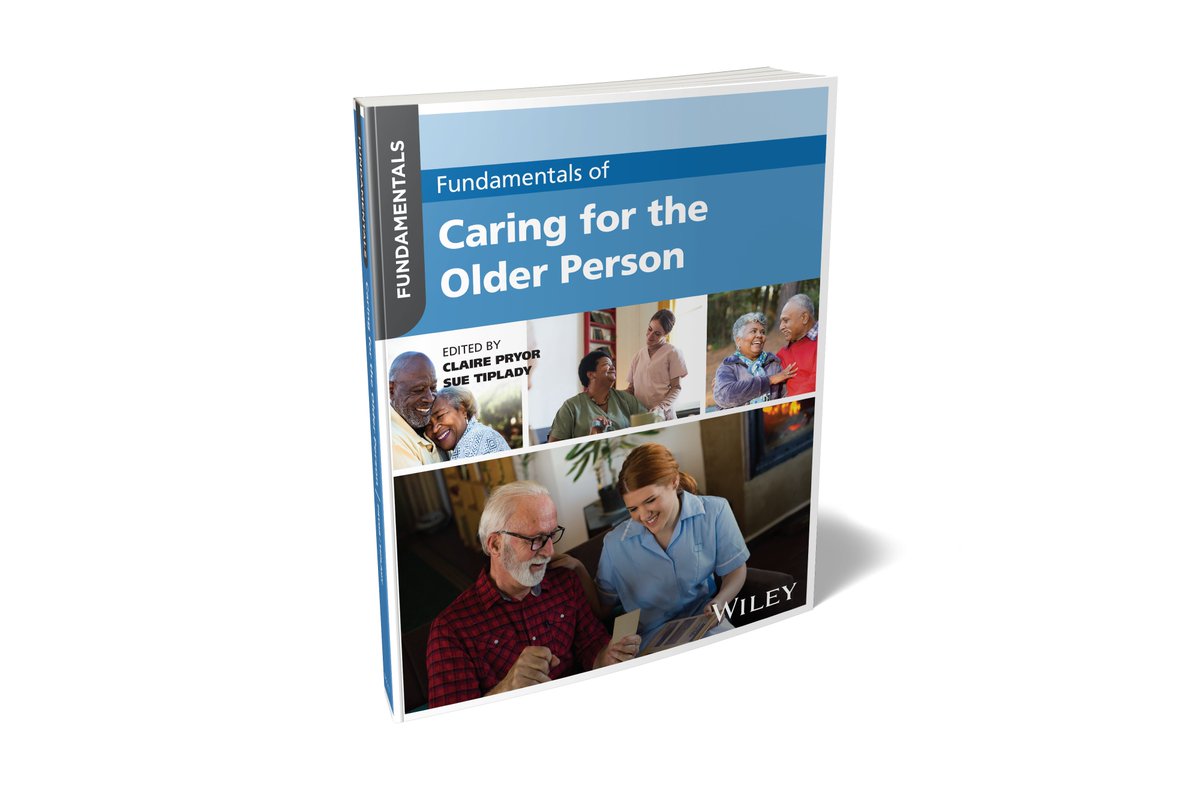
First of it's kind, proud to have contributed with chapters on Ageing and Ageing Populations, and Carer and Family Support - Fundamentals of Caring for the Older Person https://t.co/LwK82Ylnre: Now on pre-sale (20% off)
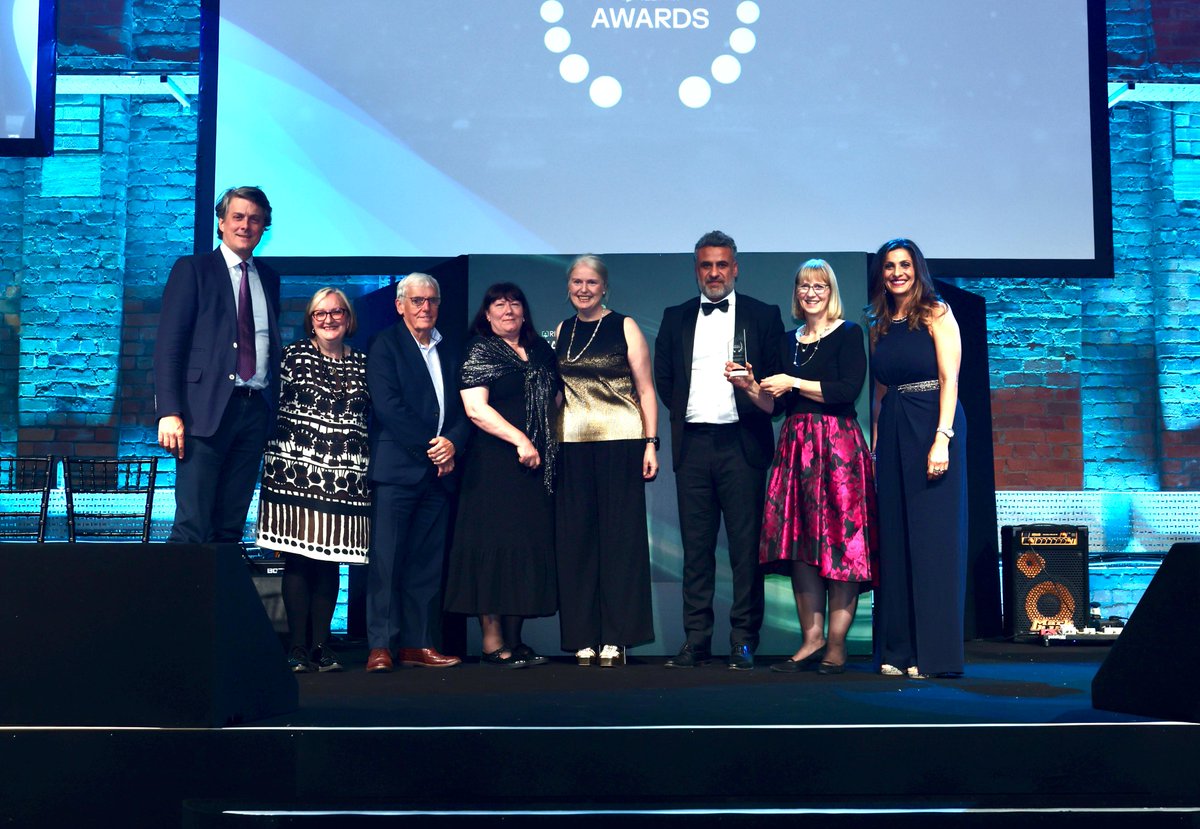
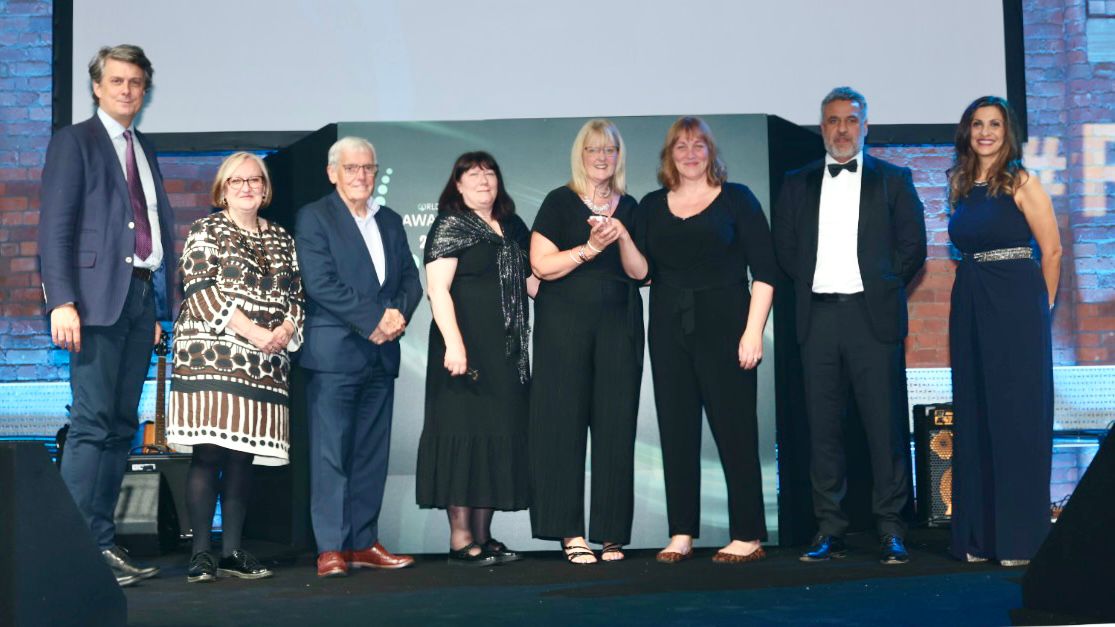
Do really appreciate Awards that go the extra to share excellent practice. Great opts to talk at @RLDatix conference & after. Plus, how lovely to see a showcase again for how @NorthumbriaNHS supports staff & patients - 1 Winner - 3 Highly Commended! 🤩https://t.co/fCO2s7O96R
It’s becoming clear that non-public sector social care providers (the vast majority) won't receive support for National Insurance increases.@wesstreeting indicated he’s assessing the impact on general & community care but is less clear on social care. This needs to be a priority
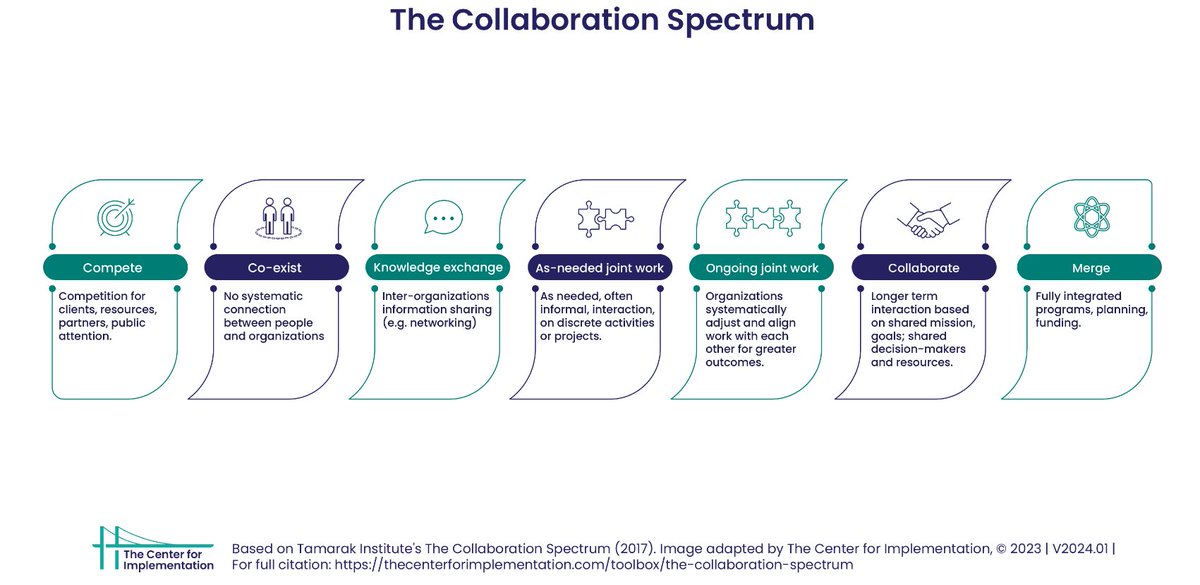
When we're action planning for change, we need to think about relationships & connections, not just about changing processes & pathways. The "Collaboration Spectrum" is a useful tool for discussing where we are now in our relationship with key partners & where we want/need to be in the future to deliver our improvements. We can use it for thinking about other teams in our organisation or other partners in our system: https://t.co/rDfRsp0CZx. Thank you @TCI_ca
📣🎉 Exciting News!
We’re delighted to announce our collaboration with the @RCNFoundation! Together, we're committed to supporting and empowering nursing and midwifery to enhance public health and well-being.
Discover more...
https://t.co/ee5bmE3KYm
@RoyLilley@gbtpo
🌹Labour’s first budget in 14 years at a glance
SPENDING
⚡️changes to fiscal rules freeing up approx £100bn for infrastructure investment over five years incl transport & energy
🩻 NHS gets £22.6bn for day to day spending plus £3.1bn capital - with targets to cut waiting lists & deliver more appointments
📚Education gets £6.7bn increase in capital funding for school building
💣 Defence gets £2.9bn boost though overall spending still falls as proportion of GDP
💷 Minimum wage up 6.7% for millions of workers
🏠 £5bn on housing including an extra £500m to build affordable homes plus five-year rent settlement for social housing providers
👩⚖️ £11.8bn compensation for infected blood scandal victims & their families & £1.8bn for post office horizon scandal
🚂 HS2 will come to Euston, transpennine route upgrade, and more money from potholes - though bus fares cap goes up from £2 to £3
TAX
👨🏽💼Employers national insurance contributions up 1.2 percentage points, threshold lowered to £5k
👷Income tax thresholds which drag more people into higher tax bands frozen until 28/29, rather than 2030 as speculated
💷 VAT on private school fees, rise in capital gains tax, inheritance tax thresholds frozen but include inherited pensions & non dom status scrapped
⛽️ "temporary" 5p cut on fuel duty & freeze on inflationary rises continue for another year. Big hike in air passenger duty for private jets
We’re recruiting for Support Workers to join our amazing Home Care team! Whether you are new to care, or you want to make a real difference, then this could be for you.
Just click here to apply - https://t.co/qlQZ1nK63K #recruitment#jobs#northeastjobs#homecare#careworker
Do you know which NHS services you can access for free after 60?
Check out our Moneywise guide for handy advice and tips on boosting your income and cutting costs safely:
https://t.co/lC6kQGcKuG
Got questions? Email us: Helpline[@]IndependentAge[.]Org
Getting ready to kickstart a new improvement project?
Curious about how other Trusts tackled similar challenges?
Dive into our repository and #PinchWithPride ❤️
https://t.co/lGkSEK06Dc
@RoyLilley@gbtpo
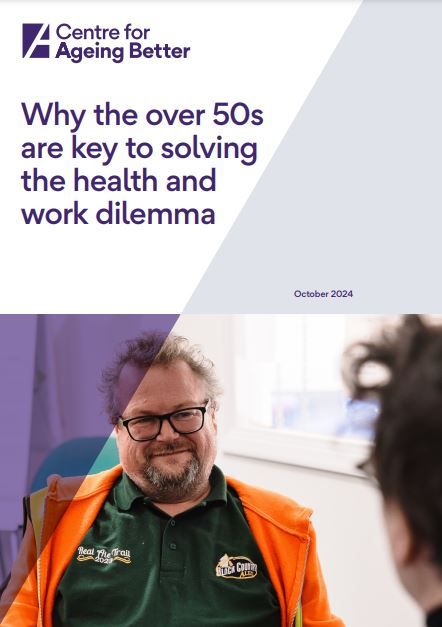
Did you know that over half (53%) of the 3 million people currently economically inactive due to long-term illness or disability, are between 50 and 65?
Our new comprehensive health and work evidence review breaks down this issue in more detail.
Download here: https://t.co/zv8x2fbbHo
How to say no. A superb article: "In a world that often values compliance over authenticity....we find ourselves entangled in a web of obligations, constantly saying yes to requests that may not align with our true desires or priorities. Yet, buried beneath the layers of societal expectations & internalised guilt lies the power to reclaim our autonomy".
This article explains:
- the reasons why we always say yes
- why we should learn to say no
- how to recognise when not to say yes
- tips for learning how to say no
- different (positive) ways of saying no
- how to deal with unwelcome responses
https://t.co/T4jymB3H4m. By @LauraCopleyLPC. I paired it with a graphic on the same topic by @donnellycss.
Our free course, An introduction to leading with kindness and compassion in health and social care, focuses on the link between compassion in leadership and staff wellbeing, team performance, and better outcomes for patients and service users. https://t.co/yWGK7sDoa7
"Pension Credit has a notoriously low rate of take-up, but local authorities and their communities can play a valuable role in helping to raise these levels." Says our Age-friendly Communities Learning Officer, Rebecca Lines.
Read more in our blog: https://t.co/1PowQnxPoI
Congratulations to @SalisburyNHS for their project, 'Reducing Temporary Staff Usage While Improving Acuity and Dependency Scoring with SafeCare'. Highly commended goes to @NorthumbriaNHS.
#RLDatixAwards