Key Takeaways:
1️⃣ What to expect after diagnosis & where to find support
2️⃣ The power of discussing ADHD and learning from others’ experiences
3️⃣ Tips for staying organized
4️⃣ Why understanding ADHD is crucial for creating helpful strategies
5️⃣ Tips for supporting yourself
Check out this podcast from Getting the Right Support – Episode 1 “ADHD, A Young Person’s Guide” which covers helpful tips for young people navigating life with ADHD.
https://t.co/WqFLHhFzbu
#ADHD#ADHDSupport
Further, our scientists Leslie Leve @UOPrevScience and Jody Ganiban delivered the keynote address on the work of EGDS. Thank you for contributing to this exciting work! (3/3)
In July, several EGDS team members participated in the International Conference on Adoption Research in Minneapolis. Project Coordinator Kelsey Van Brocklin, Data Analyst Sally Guyer, and former EGDS Project Coordinator Amy Whitesel presented a poster on adoption openness (1/3)
from infancy to emerging adulthood and reported that adoptees who maintained contact with either of their birth parents reported higher satisfaction with openness than those who never had contact or stopped contact. (2/3)
At EGDS, we are not just passionate about research—we’re also huge animal lovers! To brighten up your day, we wanted to share a collage of our beloved pets who keep us company while we work on advancing science.
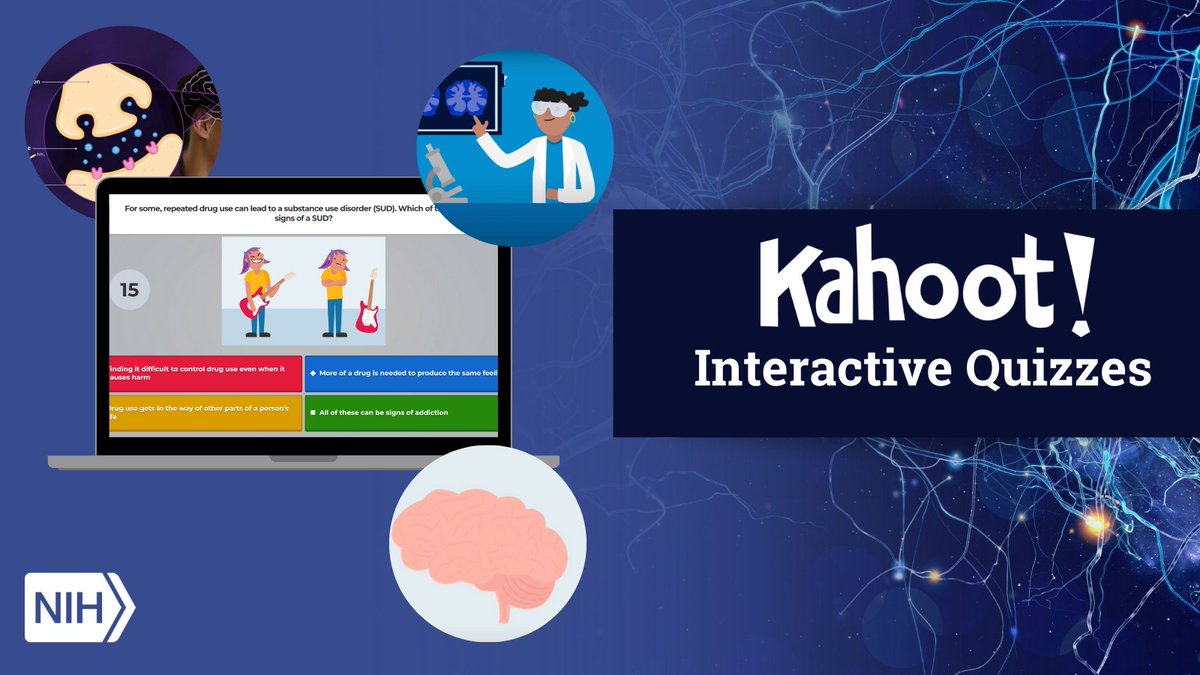
The National Institutes of Health (NIH) has teamed up with Kahoot! to bring you free, interactive games designed to boost your knowledge in health sciences. Check out these engaging and educational games covering a wide range of health science topics!
https://t.co/MXWu6LjlPl
Recently, members of EGDS attended the Behavior Genetics Association conference in London, where passionate scholars share the latest research findings to help advance the scientific understanding of human development.
Zhaoying’s project explores how parents' effortful control—the ability to regulate behaviors, comply with rules to achieve goals, and manage attention—shapes the same abilities in their children, through the nurturing ground of a stable and structured home environment.
True or false: Most traits like creativity, mental health, or moral behavior are passed down from parents to children through a single gene for that trait.
Overall, while there might be a few rare genes that have a big impact, most of our traits are shaped by the environment and the combined effects of many genes, each making a small contribution. (3/3)
True or false: Most traits like creativity, mental health, or moral behavior are passed down from parents to children through a single gene for that trait.
Scientists have looked at all of our genes and found that although certain genes are connected to certain traits, each one has a small role in shaping who we are. (2/3)