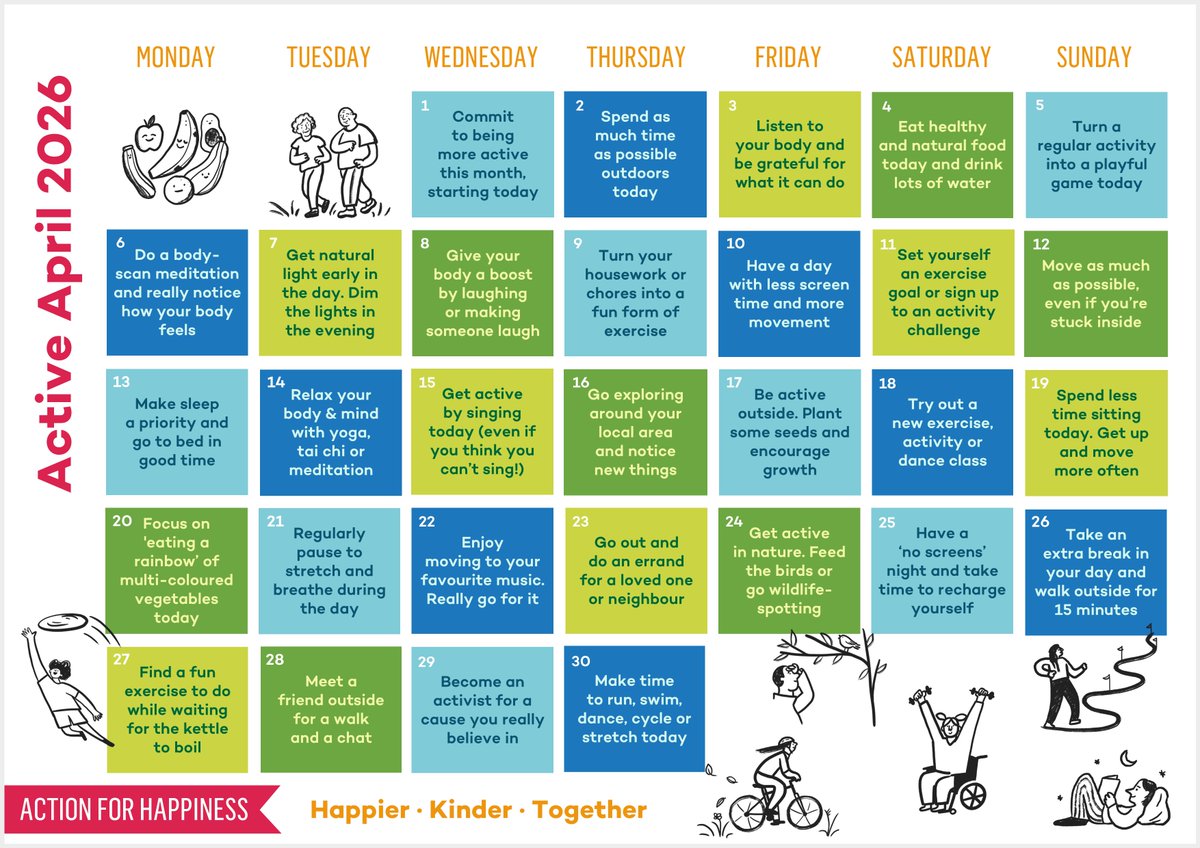
Life is happier when we go outside and get active. Join us for Active April and find ways to keep moving forward 🌤️🚴♂️🏃🌿 https://t.co/7vJLdlFuoI #ActiveApril
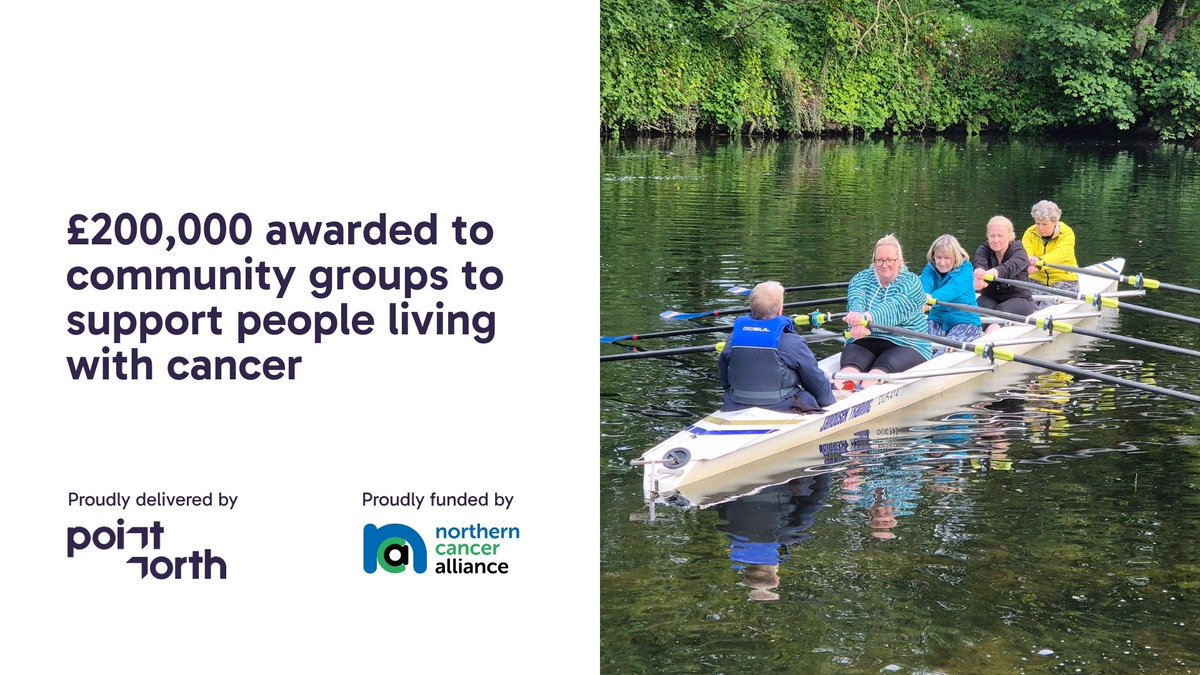
We've awarded £200,000 to support more than 30 community projects across the North East and North Cumbria to improve the quality of life for people living with cancer.
This delivers on the key ambitions of the National Cancer Plan:
https://t.co/BkAgJxGfTM
Tomorrow is #WorldCancerDay when we will be shining a light on all the events across the region raising awareness of the signs and symptoms of cancer. Early diagnosis saves lives. If you're invited for #screening, please do take it up.
#UnitedByUnique@worldcancerday
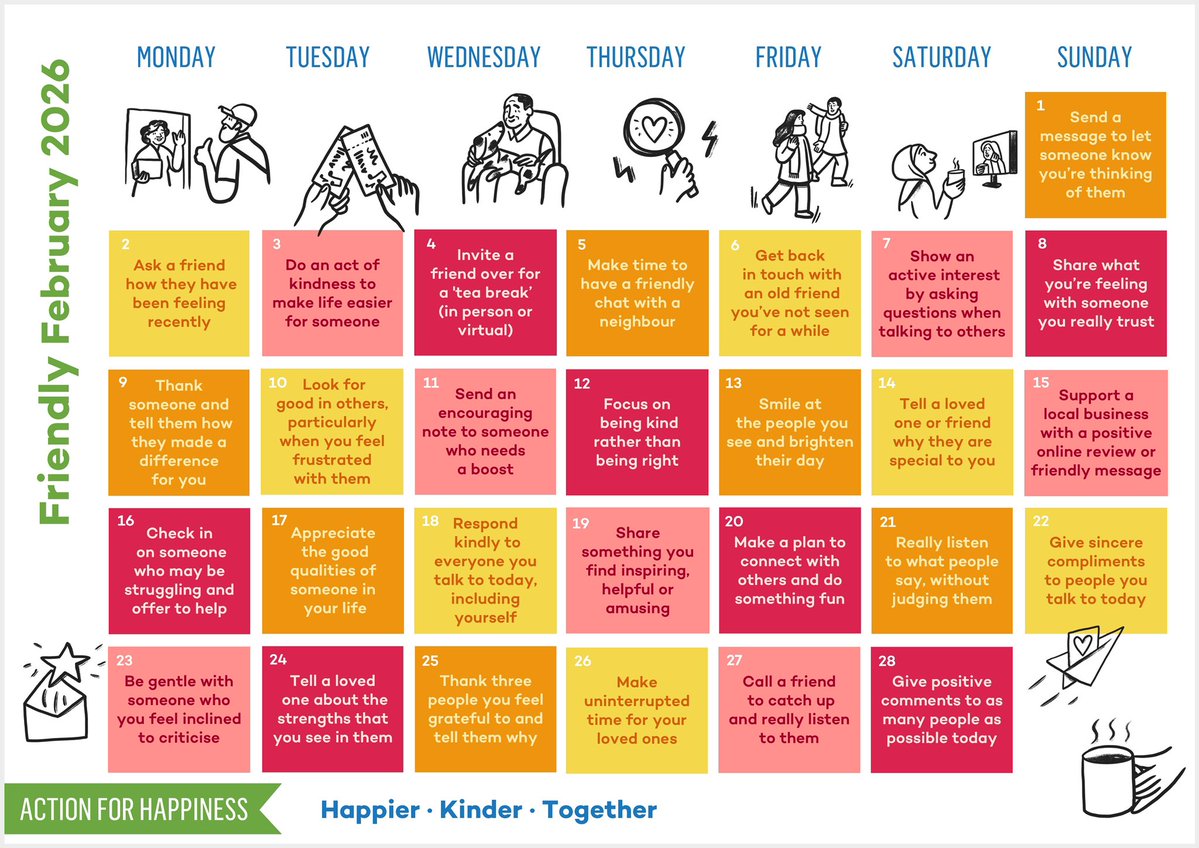
We need each other more than ever 💕🌍 Join us for Friendly February and take action to boost your relationships and be a good friend to others https://t.co/BZj11Sfacg #FriendlyFebruary
Whether you live in a coastal town or rural village, you deserve the same chance at survival as everyone else.
Our National Cancer Plan will help make that a reality.
https://t.co/Zrq2scANzS
Cancer care shouldn’t depend on your postcode.
Our National Cancer Plan will tackle health inequalities head on.
That means more specialists in rural and coastal areas and access to the latest technology
Learn more: https://t.co/oMBjfOW08H
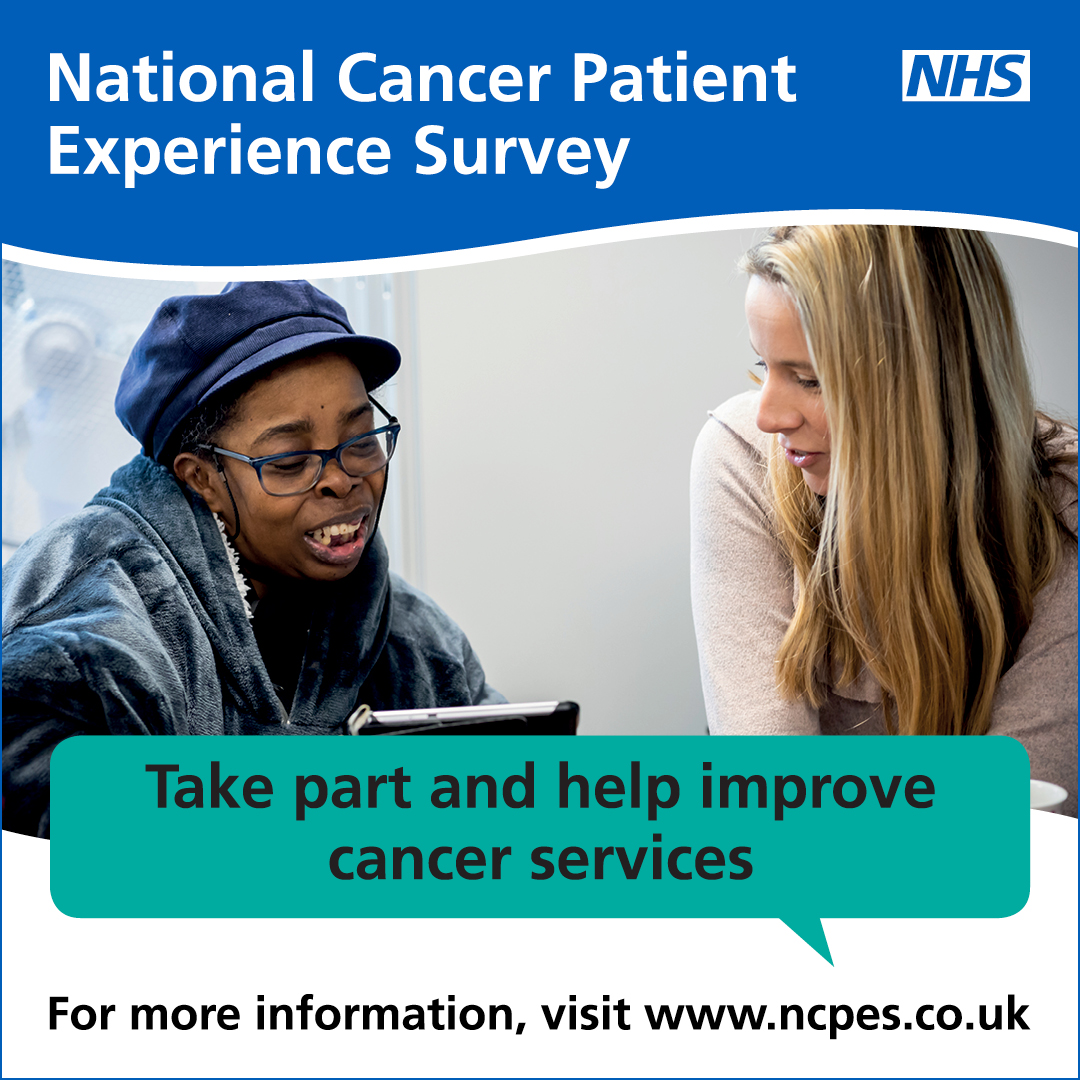
Final reminder⏰! Help contribute to future improvements in your local cancer services. If you are invited to take part in the #CancerPatientExperienceSurvey, have your say https://t.co/L23pgOHyB0 @NHSEngland
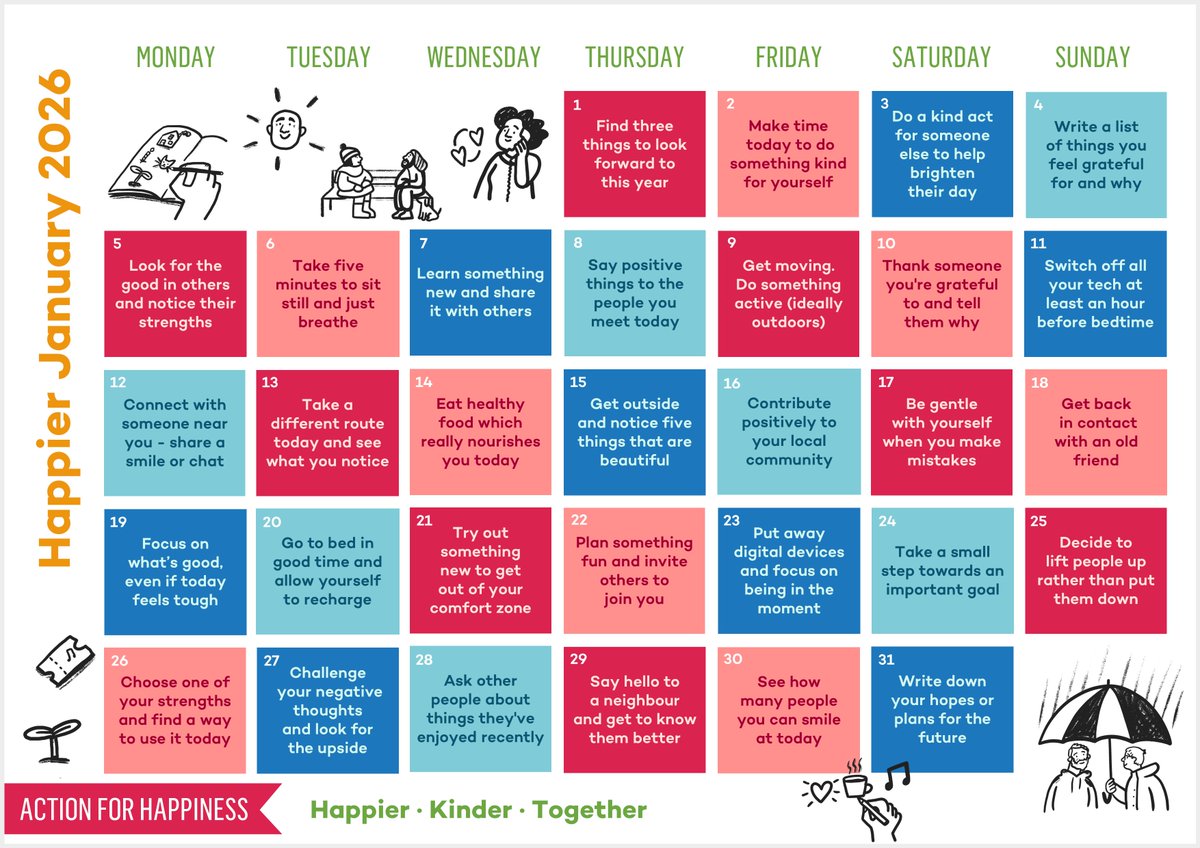
Start where you are and do what you can. Your actions matter 💖✅ Join us for #HappierJanuary and get the new year off to a calmer and happier start https://t.co/FzbUA9CFgU
Every act of kindness makes a difference. Help create a happier world this December with our Kindness Calendar. Please use & share 💕🌍🎄🙏 #DoGoodDecember https://t.co/ujxdATqPnY
Were you treated for cancer in April, May or June 2025? Is there something you think the NHS should continue doing or improve on? If you’re invited please take part in #CPES and help contribute to future improvements in local cancer services. https://t.co/L23pgOHyB0 @NHSEngland
Today we reflect on the ultimate sacrifice made by members of our Armed Forces.
Their commitment to protecting and serving our communities will forever be remembered with gratitude, and their legacy of courage continues to inspire us all.
#WeWillRememberThem
A great way to feel happier is to try a new activity or take a different approach ✨ Join us for #NewWaysNovember and get daily ideas to help you find new ways forward https://t.co/VeJd1aAnzo
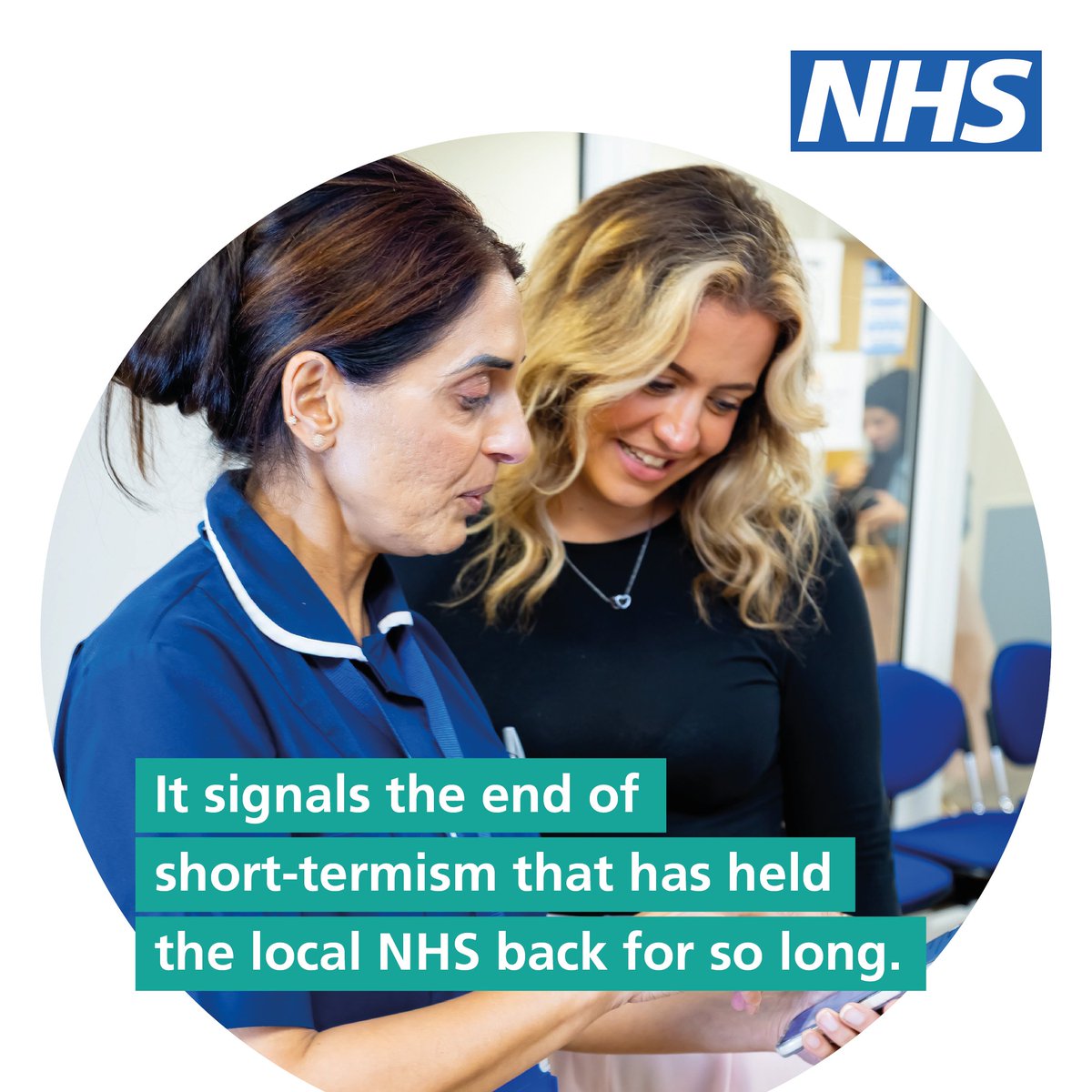
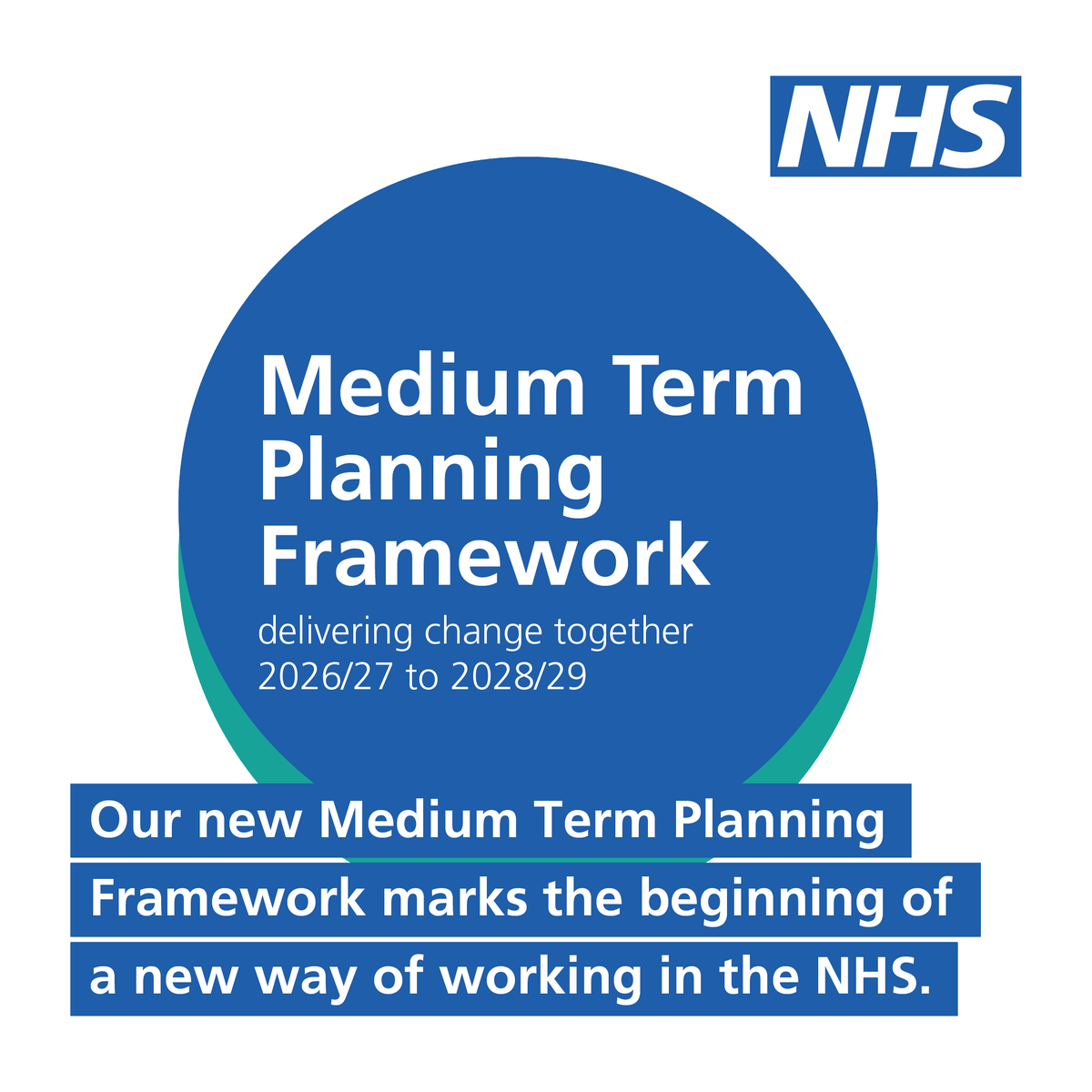
Today we have published the Medium Term Planning Framework for NHS England, marking the beginning of a new way of working in the NHS.
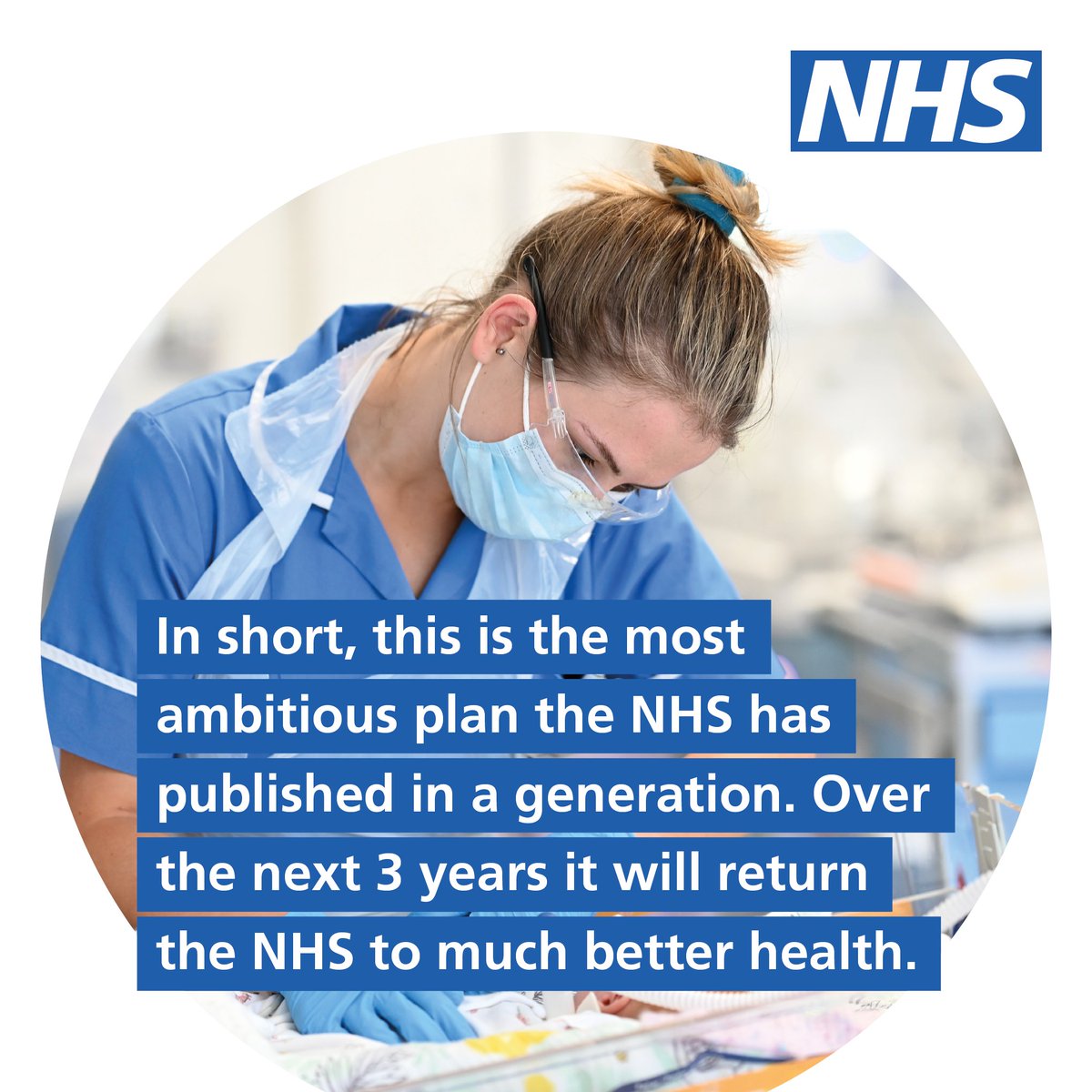
This is the most ambitious plan the NHS has published in a generation.
Read more ➡️ https://t.co/ADCKqPV3mQ
Self-care isn't selfish - you can't pour from an empty cup. Join us for #SelfCareSeptember and find ways to be kinder to yourself as well as others 🙏💕🌍 https://t.co/rry9VO52NK
Kindness makes life better – for others and for us.
This August, let’s fill the world with compassion, joy and hope.
Join us and share #AltruisticAugust 💛🌍🙏
→ https://t.co/9GXWDRE7ia
Organisational change is happening at a scale & pace we've rarely seen previously in the health & care sector. It is stirring up profound anxiety within teams. For leaders, understanding the powerful psychological undercurrents at play in driving group behaviour in times of change is as least as critical as managing the operational aspects of transition.
How do we do lead this change process with our teams in evidence-informed ways? @heidipsychology suggests following a process based on Bion’s group dynamic theory. Bion sets out 3 typical behaviours—dependency, fight-flight, & pairing – that block teams from moving forward. "Dependency" means over-reliance on leadership for answers, leaving team members passive & hesitant to act. "Fight-flight" manifests in blaming, conflict, or withdrawal from the challenge at hand. "Pairing" leads to an expectation that a “saviour” or magical solution will emerge to solve the group’s problems, neglecting participation & collaboration in the team.
Bion’s insights can help us move beyond managing tasks to working with meaning & emotion. This can significantly reduce group anxiety during organisational change. Here’s what leaders might do, based on Bion’s framework:
•Don’t suppress anxiety but recognise the undercurrents of the group
•Openly discuss the dynamics of the team & facilitate dialogue
•Set clear goals, expectations & boundaries, reducing uncertainty fuelled anxiety
•Build trust by communicating transparently
•Encourage participation & ownership, encouraging people to take initiative
•Engage the wider group in problem-solving & decision-making
•Model emotional stability & help “hold” the team’s anxiety
•Encourage group reflection & diverse perspectives & discourage “groupthink”
An overview of Bion’s theory: https://t.co/mZA85VJgfq By @FLsociety
Another superb graphic from @heidipsychology.
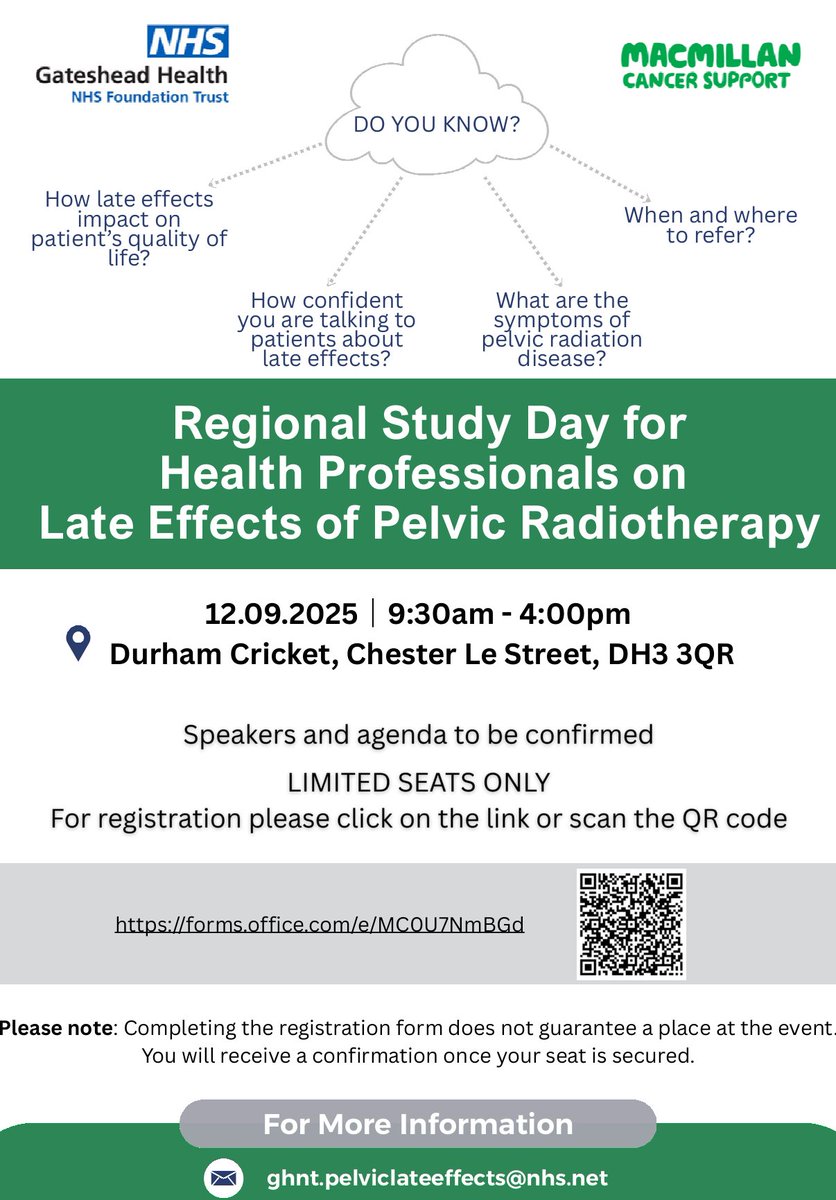
Join Gateshead Health and Macmillan for a regional study day focused on the late effects of pelvic radiotherapy.
Find out more below
Register 👉https://t.co/v2oUzOh1ZV
"Patients are at the heart of their cancer care and listening to and, crucially, acting on what they have to say is vitally important."
Find out more here https://t.co/RJkJEWC7xN
#NationalCancerPatientExperienceSurvey