Every time I go for a nap something else happens.
The DUP Leader and East Belfast MP attended a protest in June 2025 against immigration that saw people block roads.
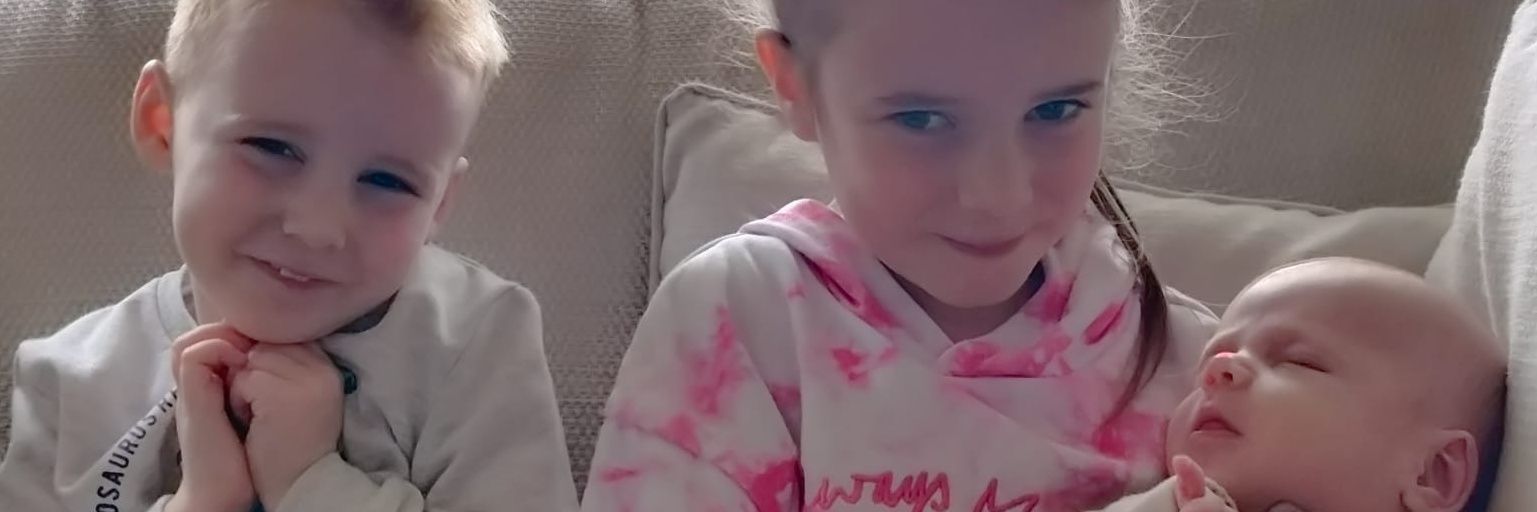
When I post about my Daughter, it's not to get sympathy. It’s to keep her memory alive. ❤️
Your Follow & Repost would mean so much to get our Voices heard in our #ChildhoodCancer community. 🙏🏻
I miss you, Ashley. 🩷
#Forever13
Dr. Hussam Abu Safiya asked his lawyer, “Does anyone still remember me?”
He’s been held in an Israeli prison since December 2024, tortured for refusing to abandon his patients.
Keep speaking about his case.
Our film “The Disappearance of Dr. Abu Safiya” tells his story.
When 740 children were condemned to the sea and the world said “no,” one man said “yes.”
The year was 1942.
In the Arabian Sea, a ship drifted like a floating coffin.
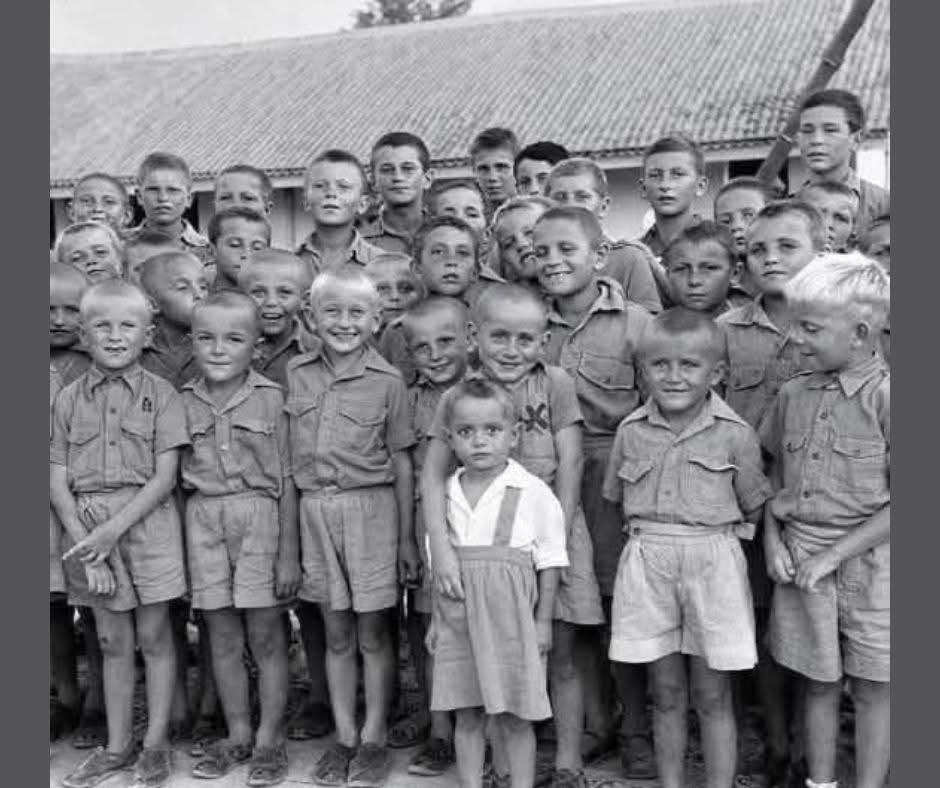
On board were 740 Polish children—orphans, survivors of Soviet labor camps where their parents had died of hunger, disease, and exhaustion. They had escaped through Iran, but the worst still lay ahead: no one wanted them.
Port after port along the Indian coast, the British Empire—the greatest power of the time—shut its doors.
“Not our responsibility. Sail away.”
Food was running out. Medicines were gone. Hope itself had become dangerous.
Twelve-year-old Maria held the hand of her six-year-old brother. She had promised her dying mother she would protect him. But how do you protect someone when the whole world decides he does not deserve to live?
Then the news reached the small palace of Navanagar, in Gujarat.
The ruler was Jam Sahib Digvijay Singhji—a minor prince in a British-dominated empire, with no army, no real control over the ports, and no obligation whatsoever to act.
His advisers told him:
— “Seven hundred and forty children are trapped at sea after the British refused to take them.”
He asked calmly:
— “How many children?”
— “Seven hundred and forty, Your Highness.”
There was a brief silence. Then he said:
— “The British may control my ports.
But they do not control my conscience.
Those children will dock at Navanagar.”
They warned him:
— “If you defy the British…”
— “Then I will face them.”
And he sent the message that saved 740 lives:
“You are welcome here.”
In August 1942, the ship entered the harbor under the merciless summer sun. The children disembarked like shadows—too weak to cry, trained by suffering to expect nothing.
The Maharaja was waiting for them on the dock. Dressed in white, he knelt to meet the children at eye level and, through interpreters, spoke words they had not heard since their parents died:
— “You are no longer orphans.
You are my children now.
I am your Bapu—your father.”
And he did not build a refugee camp.
He built a home.
In Balachadi, he created a small Poland on Indian soil: Polish teachers, food that tasted of memory, childhood songs, classrooms, gardens, and a Christmas tree beneath the tropical sky.
— “Suffering tries to erase you,” he told them.
“But your language, your culture, your traditions are sacred.
Here, they will live.”
For four years, while the world burned in war, those children lived not as refugees—but as family.
He visited them, remembered their names, celebrated birthdays, comforted those who wept for parents who would never return. He paid for doctors, teachers, clothing, and food from his own fortune.
When the war ended and the time came to leave, many wept. Balachadi was the only true home they had ever known.
Today, those children have become doctors, teachers, parents, and grandparents. In Poland, squares and schools bear the name Jam Sahib Digvijay Singhji. He received the country’s highest honors.
But his true monument is not made of stone.
It is 740 lives.
And they still tell their grandchildren the story of an Indian king who, when the entire world closed its doors, looked at suffering and said:
“They are my children now.”