"La società della neve": la scienza dietro la vicenda dei 16 sopravvissuti allo schianto del volo 571 su un ghiacciaio nelle Ande, su @Focus_it https://t.co/awMYp29Zje
(e di cosa dovremmo fare come classe politica e come cittadini) ce l'ha spiegato Francesco Petracchini @echopetra , Direttore dell'Istituto sull'Inquinamento Atmosferico (IIA) del CNR 2/2 https://t.co/WnLHIgY8a9
L'inquinamento in Pianura Padana in questi giorni è a livelli di elevata pericolosità per la salute umana. Che cosa tutto questo c'entri con i cambiamenti climatici e con gli allevamenti intensivi, 1/2
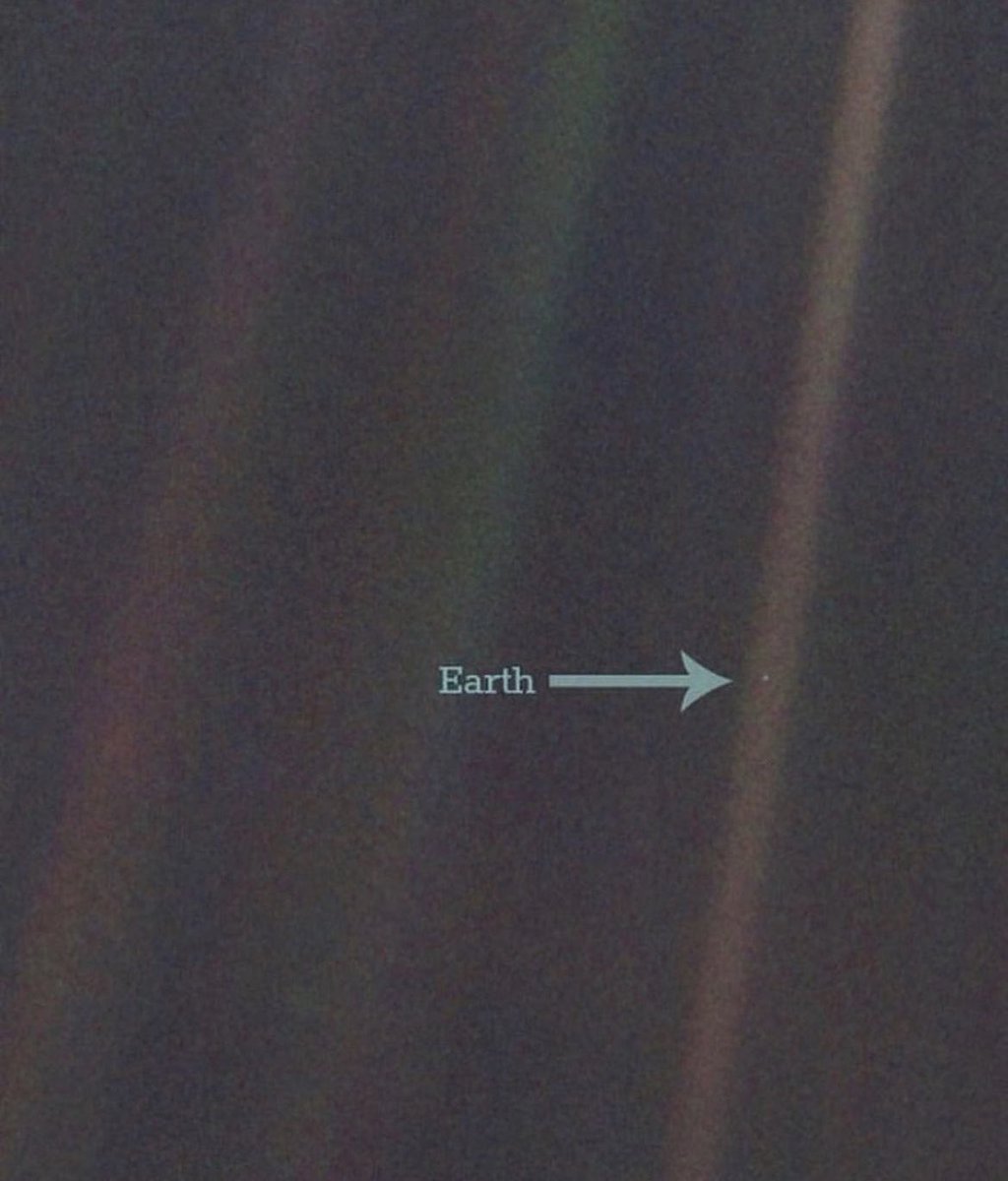
Pale Blue Dot is a photo of Earth that was taken by the Voyager 1 space probe in 1990 from a distance of about 6 billion kilometers (3.7 billion miles) as it was leaving our solar system. This is what Carl Sagan said about the photo:
"Look again at that dot. That's here. That's home. That's us. On it, everyone you love, everyone you know, everyone you ever heard of, every human being who ever was, lived out their lives. The aggregate of our joy and suffering, thousands of confident religions, ideologies, and economic doctrines, every hunter and forager, every hero and coward, every creator and destroyer of civilization, every king and peasant, every young couple in love, every mother and father, hopeful child, inventor, and explorer, every teacher of morals, every corrupt politician, every 'superstar,' every 'supreme leader,' every saint and sinner in the history of our species lived there — on a mote of dust suspended in a sunbeam.
The Earth is the only world known so far to harbor life. There is nowhere else, at least in the near future, to which our species could migrate. Visit, yes. Settle, not yet. Like it or not, for the moment the Earth is where we make our stand. It has been said that astronomy is a humbling and character-building experience. There is perhaps no better demonstration of the folly of human conceits than this distant image of our tiny world. To me, it underscores our responsibility to deal more kindly with one another, and to preserve and cherish the pale blue dot, the only home we've ever known.”
Commuoversi all'annuncio del #nobel✅. Forse perché questa volta comprendiamo fino in fondo la portata delle scoperte premiate #vaccini#covid
https://t.co/CsMu8HIyn5
The 7 hottest days on Earth in the last 100,000+ years all happened in the last week:
July 6 ~ 17.23°C / 63.01°F
July 7 ~ 17.20°C / 62.96°F
July 4 ~ 17.18°C / 62.93°F
July 5 ~ 17.18°C / 62.92°F
July 8 ~ 17.17°C / 62.90°F
July 10 ~ 17.12°C / 62.81°F
July 9 ~ 17.11°C / 62.79°F
La Terra ha superato per la prima volta la temperatura media di 17°C da quando si rilevano dati. Per la precisione, ieri si è arrivati a 17.01°C. Stiamo entrando in territori inesplorati
https://t.co/SdNlqBgmUF
*Mind-blowing* new NASA video showing CO2 emissions from the burning of fossil fuels...
...as if they were visible to the human eye
h/t @ClimateOfGavin
E SE INVECE PROVASSIMO A SALVARLI VIVI?
"Suonano beffarde, adesso, le parole della guardia costiera greca e il solito scaricabarile di Frontex mentre un’ imponente operazione di soccorso, aerei, droni, motovedette, navi, cerca cadaveri in mare". @alessandrazinit@repubblica
Scuola di sopravvivenza di quattro bimbi scampati a 40 giorni da soli nella giungla in #Colombia: come è stato possibile @Focus_it https://t.co/6bGsYXF6lr
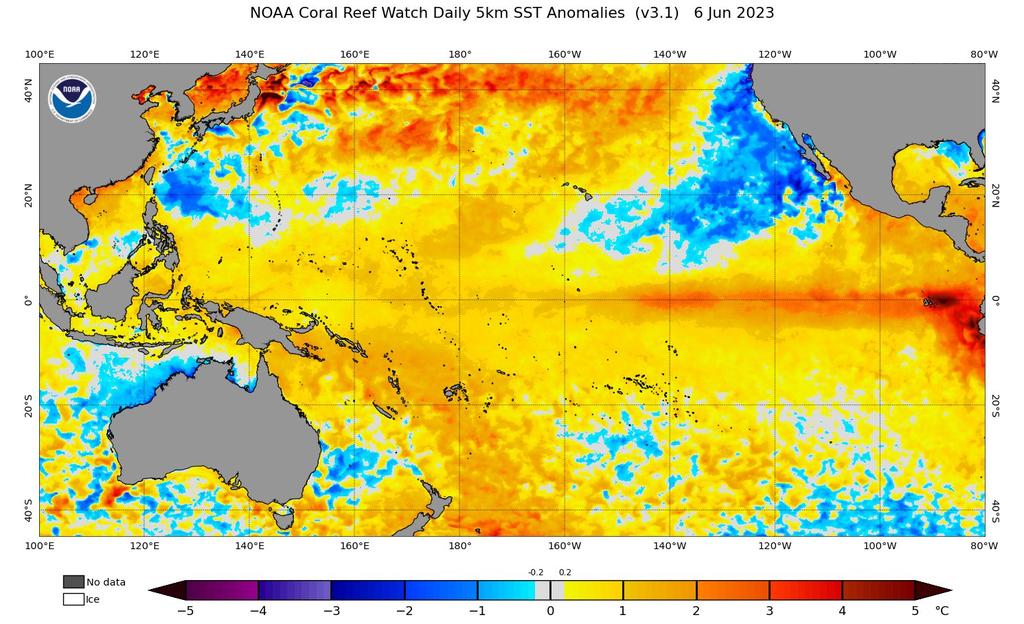
El Nino è ufficialmente iniziato. La soglia di anomalia superficiale di temperatura che lo identifica (+0.5 °C) è stata raggiunta. Secondo la NOAA c'è il 56% di possibilità che possa risultare, al picco invernale, un evento forte.
https://t.co/CQPximC3K1