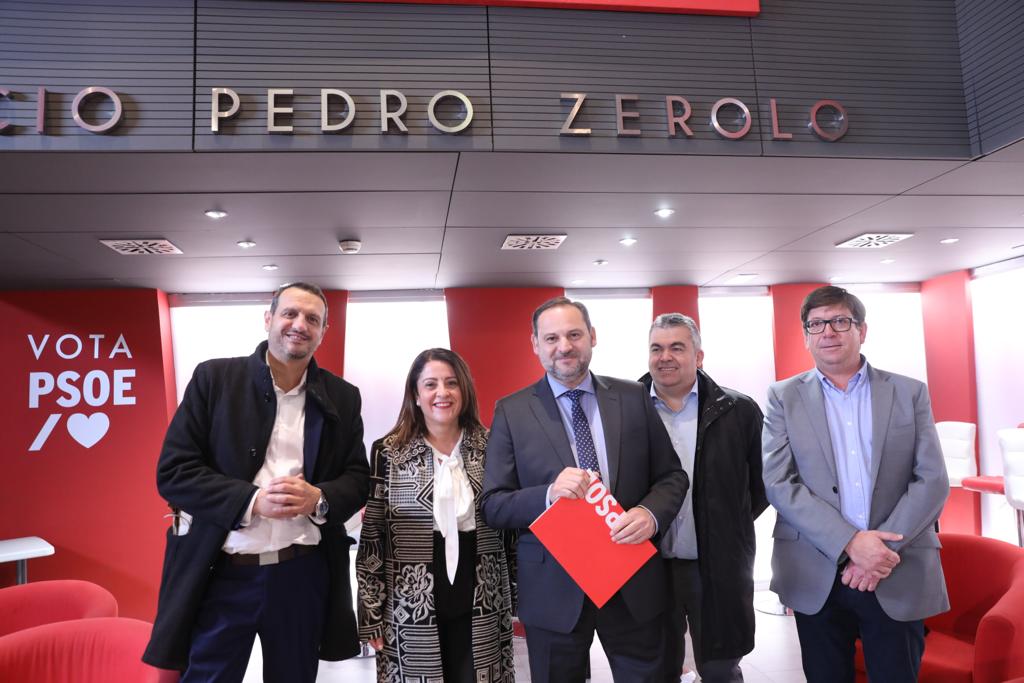
✊🌹 Los miembros del comité electoral ya van camino del debate decisivo.
Es el momento de hablar de proyecto y de la España que nos merecemos todos y todas.
¡Vamos a por ello!
#ElDebate4N#AhoraSí#VotaPSOE
Los ETF de alta distribución son mis activos preferidos para reinvertir las primas de mis opciones.
Pero antes, le hago siempre las mismas preguntas.
En el nuevo vídeo te enseño cuáles 👇
ETF de alta distribución: ¿te pagan renta o te devuelven tu propio dinero?
https://t.co/7UJ1hWjrSY
✏️ ENTREVISTA A JOAN CREUS.
➡️ "Con casi 40 años me llamó Lolo Sainz para la Selección. ¿Sabes qué le dije?".
💣Rompe su silencio sobre el fichaje frustrado de Jokic por el Barça: "Quedó como que hicimos una cagada y se fue a la NBA. Pero no fue así".👇👇
https://t.co/M5yLbviAXd
Opciones más allá de las primas - Conversion
Y si pudiéramos ingresar una prima sin importar la dirección del mercado??
Hoy hablamos de la Conversion, una estrategia libre de riesgo.
Abro hilo. 🧵
1/8
La 1ª edición de «Cómo generar ingresos con las opciones» la escribí con lo que yo creía que necesitabas saber.
La 2ª la he escrito con lo que me habéis preguntado después de leerla. 🧵
1/5
Why is France in chaos? I looked deeply into this, and here's my conclusion:
1. Students are concern about low education spending, which results in poor infrastructure and teachers missing lots of classes. It's true that France spends less of its GDP on learning
2. But the education budget is higher than before! The issue is that all the growth has gone to teachers already retired! A third of the budget!
3. There are other demands of welfare. Eg, university restaurants serve €1 lunches. The demand is so massive that demand has increased 50%, and now there are lines and smaller rations. Students want both €1 lunches and no lines and great portions
4. The biggest complaint is actually that they work too much. But we don't see Korean students rioting. The one thing I'd concede is that working less every day and stopping the ridiculous Wednesday afternoon off would make sense
5. There is a racial side of this. Immigrants and their descendants (from mostly Algeria, Morocco, Tunis, Mali, and Senegal) underperform in social, crime, and economic stats, and education is no different. This results in discrimination against them, most notably in the system Parcoursup. This needs to be addressed.
6. But also, the underlying issue must be addressed. The non-identification to France and its values is one of the engines of turning the demonstrations into riots.
7. Student demonstrations became riots in part because of this, but also because men above 18y have joined. They have done it in the past, and are now a majority of the culprits of vandalizing and looting. They tend to be 18-25, and according to police, are 80% ethnic minority and 20% far left
8. The far left (esp Melenchon's LFI party) has had a role in this, pushing the demands to become strikes, strikes demonstrations, and demonstrations riots. There are specific links between the organizations of the extreme left, Islamic organizations, and street violence. 20-60% of LFI's voters are Muslim
9. Another complaint is police brutality. The argument is that violence is caused by the police being overly aggressive, and students reacting to that. It's true that there are some instances of violence from the police. A child lost a hand to a stun grenade, one might have lost the use of his eye.
10. But also, police violence must be proportional to the violence of the riots, and the numbers suggest they have been *less* violent than deserved, as at the beginning of the riots, when it was mostly students, 2.5 policemen were wounded for every student/teacher wounded. In total, over 2000 policemen have been wounded, to 400 students/teachers. So it looks like this is not a reason for demonstrations becoming riots, and in fact more police action might have prevented that escalation
11. A very small percentage of vandals and looters are caught. Impunity breeds crime.
12. The courts are handing out very light sentences to those who are apprehended, so that's a source of more impunity. The French are changing the law accordingly as we speak.
More details here:
https://t.co/qhCkbQWm5e
Mucha gente me ha conocido por el libro.
Y hay una pregunta que se repite: «¿y después qué?».
El libro te explica las bases.
Lo que no puede hacer es sentarse contigo delante del bróker.
Para eso está el Campus:
1. El libro: entender qué son las opciones y cómo generan ingresos.
2. Opciones en 12 semanas y media: empezar a operar desde cero con un proceso.
La misma operación con opciones te enseña una cosa en un mercado tranquilo y otra con el VIX disparado.
Por eso la experiencia no se puede acumular con prisa.
📰📰📰
¡Nuevo artículo en Dividend Street!
Hoy analizamos la empresa americana líder mundial en salud animal ZOETIS $ZTS 🐶🐱💊🐴🇺🇸
¡Esperamos que lo disfrutéis!
Si es así, os agradecemos ❤️ y 🔄 para mayor difusión.
https://t.co/Ejr6VcpQ27
Tenemos nuevo post de Jon en su substack, que es de obligada lectura.
Lo dejo aquí en formato vídeo, como el de la vivienda del otro día.
El Jon con más altura de miras, dando su visión y sugiriendo reformas para equilibrar la balanza.
Deja también una honorable mención a @extramuros_esp, que estos días están haciendo un trabajo tremendo.
En @SomosPeriplo también estamos trabajando, y pronto habrá noticias de un gran acto.
Es tiempo de hacer y proponer.
Increíble de ver a los “expertos” en solventar la emergencia de vivienda que vive España! En cada televisión! @telediario_tve@A3Noticias@tele5_noticias@noticias_cuatro La realidad es que tenemos a políticos que intentan crear decretos y soluciones cuando no tienen la preparación ni el conocimiento para idear una solución real al problema que vivimos.
España no tiene un problema de falta de decretos. Tiene un problema de falta de viviendas.
Y mientras el Gobierno siga confundiendo anunciar medidas con resolver problemas, seguiremos pagando las consecuencias de su inacción.
Subvencionar la demanda sin aumentar la oferta presiona los precios. Regular cada vez más un mercado sin construir vivienda nueva no elimina la escasez: la administra. Castigar fiscalmente una modalidad de alquiler puede cambiar incentivos, pero tampoco pone un solo ladrillo.
El Gobierno puede aprobar todas las medidas que quiera y venderlas como grandes soluciones. Puede encadenar decretos, anuncios y campañas de propaganda. Pero hay una pregunta que desmonta cualquier discurso:
¿Cuántas viviendas nuevas crea todo esto?
Porque la vivienda no se abarata repartiendo la escasez. Se abarata acabando con ella.
España necesita construir. Mucho.
Más suelo disponible. Licencias en meses, no en años. Más densidad donde sea posible. Seguridad jurídica. Muchísima más vivienda pública y también privada.
Pero el Gobierno no está haciendo lo necesario. Prefiere intervenir sobre las pocas viviendas que existen antes que crear las condiciones para que haya muchas más. Prefiere presentar parches como soluciones y cargar sobre propietarios, promotores y ciudadanos el coste de su fracaso.
Lo demás puede servir para redistribuir, proteger a determinados colectivos o cambiar incentivos. Pero no confundamos eso con solucionar el problema de fondo.
No se arregla una falta de vivienda repartiendo mejor las pocas casas que existen. Se arregla haciendo que existan muchas más.
Menos propaganda. Menos parches. Menos obsesión por intervenir sobre el mismo piso.
Más oferta. Más construcción. Más casas.
El tiempo que las opciones consumen no está repartido.
Está concentrado.
Hay un rato al mes en el que de verdad te sientas: eliges, calculas el compromiso y decides qué harás en cada escenario.
Y luego hay semanas enteras en las que no tocas nada y no pasa absolutamente nada.
El error de quien dice «no tengo tiempo» es imaginarse veinte minutos cada día.
Es justo al revés: un rato concentrado y después silencio.
Aquí lo desarrollo entero👇