Big, big news from Sorbonne University (@Sorbonne_Univ_ )! They have decided to switch to OpenAlex for their publication database and bibliometric analytics, abandoning the use of proprietary products! https://t.co/qRZ5aoJCLQ
It is a *big* day for Retraction Watch.
@CrossrefOrg has acquired the Retraction Watch Database and opened it for the scientific community!
https://t.co/IBjZzhOz8g
A reflection on how we got here -- and how important this is for RW.
https://t.co/u2josF0HWn
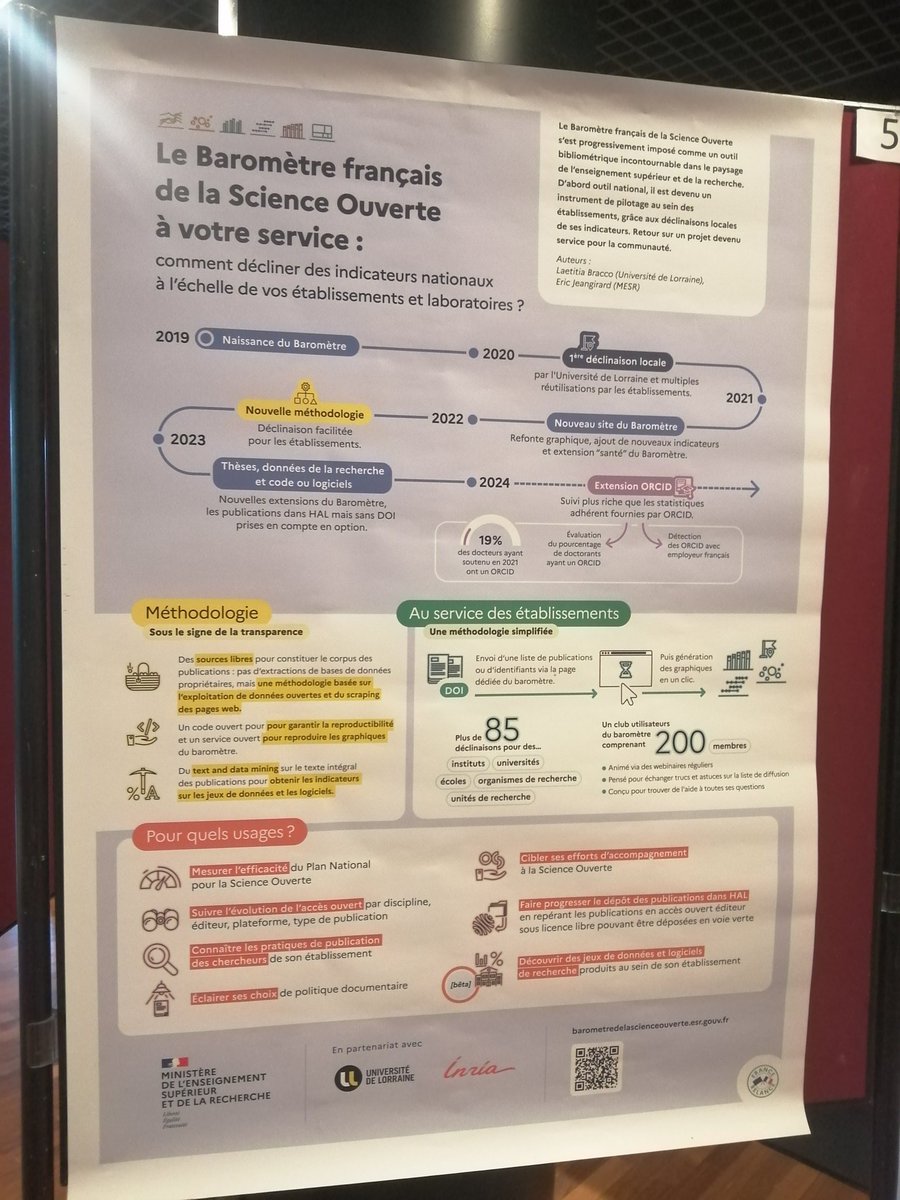
A découvrir sur #RechercheDataGouv : Baromètre français de la #ScienceOuverte - jeu de données des publications, déposé par @ejeangirard
Les métadonnées des publications repérées et enrichies par le BSO sont disponibles : un trésor à votre disposition !
https://t.co/plSHWNcS77
GitHub Copilot and LLM chatbots are causing a big drop in StackOverflow traffic. What's fascinating about it is that these systems work largely thanks to the user-generated content from StackOverflow. Is this feedback loop sustainable?
To offer a vision of a more equitable global research system built around community-owned publishing infrastructures and standards, the first step is weaning off the addictive measures of scientific credibility sold by commercially owned citation indexes
https://t.co/4HAJC4oChw
@OpenAlex_org It would be interesting if it were available in "group-by" (in aggregations only to obtain global statistics) but not at individual level.
Today, I'm announcing Alexandria, an open-source initiative to embed the internet.
To start, we're releasing the embeddings for every research paper on the Arxiv. That's over 4m items, 600m tokens, and 3.07 billion vector dimensions.
We're not stopping here.
@FozFrancisco@rgcastanha@pedroisandretta Olá !
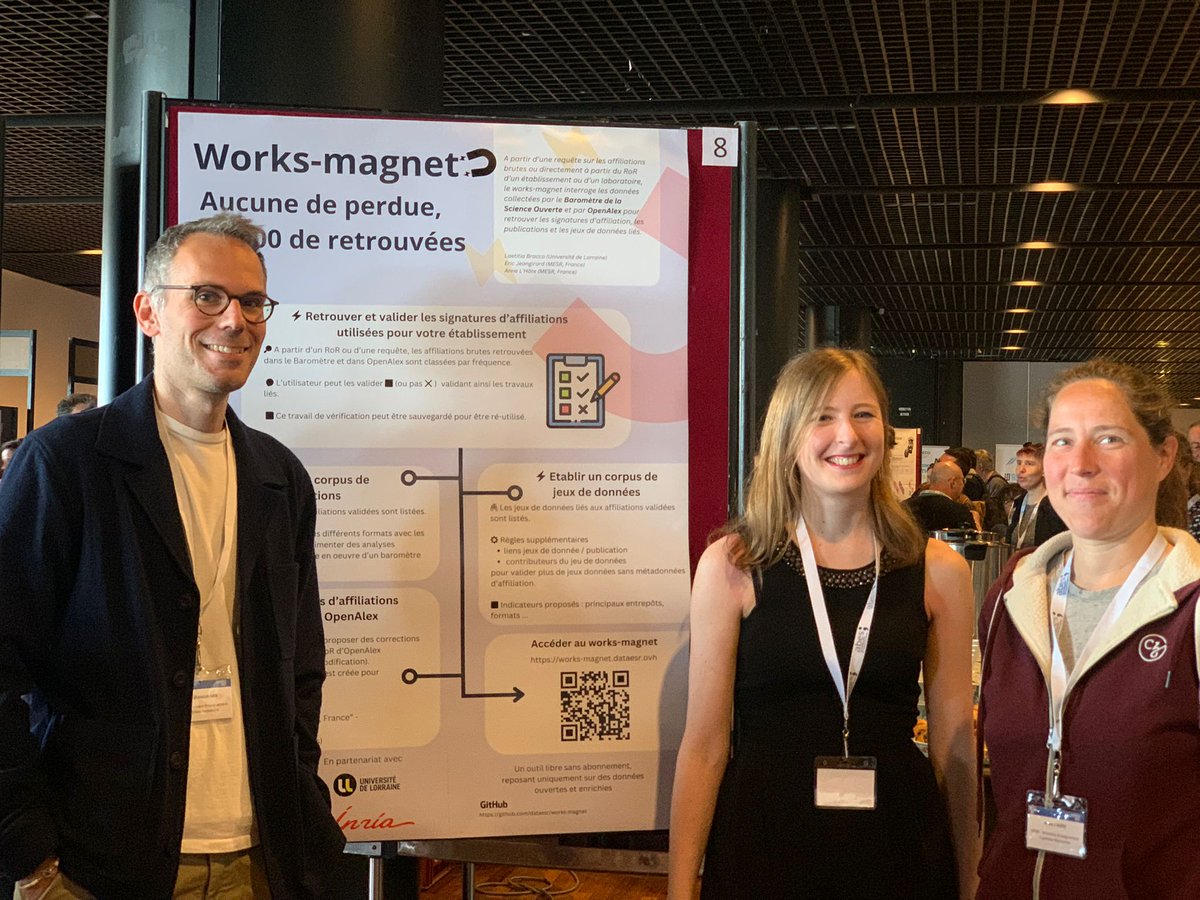
Lançámos o OpenAlex Explorer, uma aplicação web para explorar dados OpenAlex de uma afiliação (em bruto ou RoR ID): https://t.co/WYaMMdU6IV
Isto não é um estudo científico, mas uma ferramenta para obter uma visão geral da qualidade dos metadados de filiação no OpenAlex.