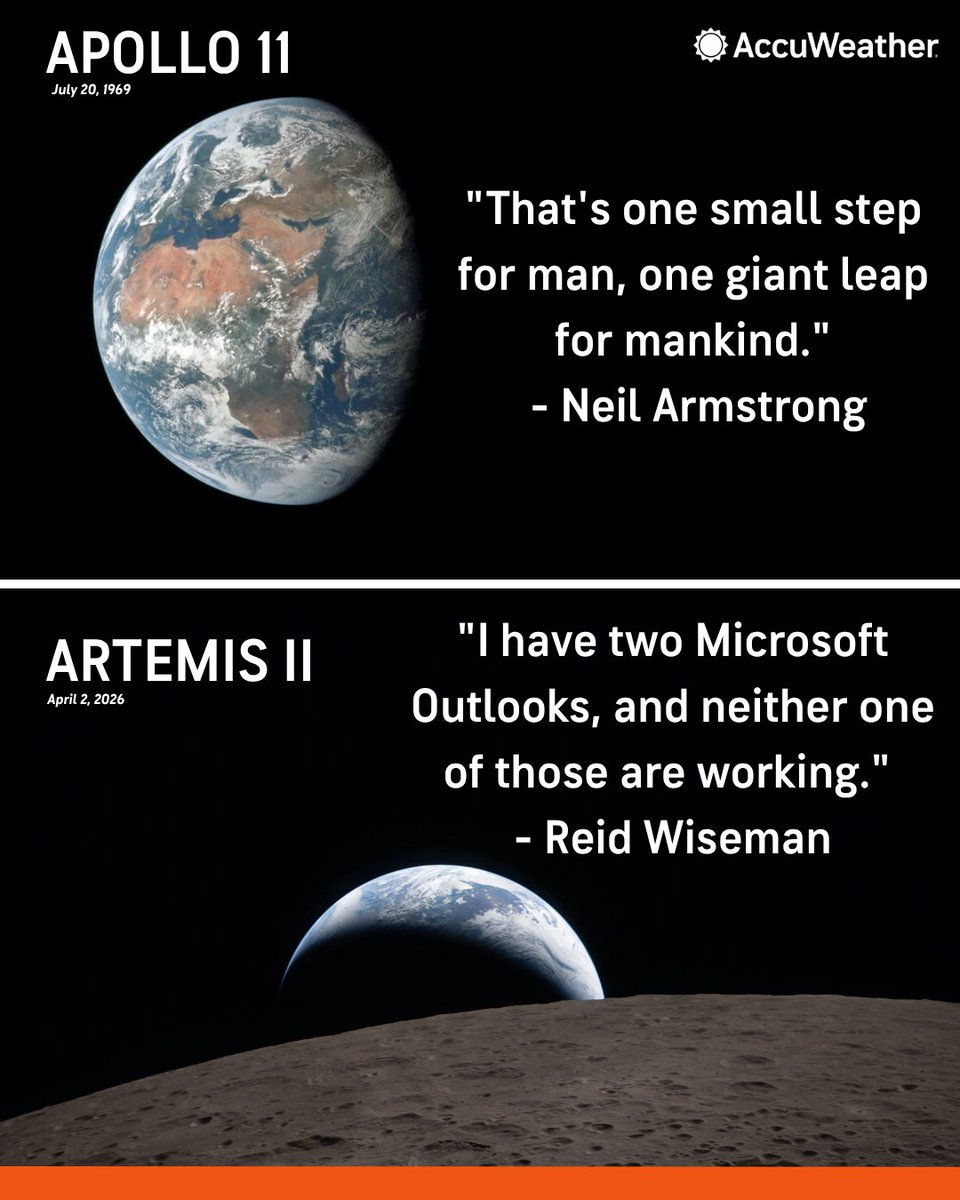
There was an issue where sending an email with an attached PDF would not send. Something that's a crucial workflow for many apps.
AppSheet says the automations were successful, but in reality it was silently failing.
Google status says it's no issues, but... 🤷♂️
https://t.co/atIfsKjQKQ
https://t.co/Q9wQSjmOMQ
I thought the domain i wanted https://t.co/KmwffclbSI was just being domain squatted.
Turns out the actual website was in www. ejqs…
Made me forget that www is a subdomain that people just added back then.
"Understanding is the new bottleneck."
@inkdrop_app's new article is spot on. https://t.co/zRF7SyRyMN
Swarming agents makes you feel productive, but I find myself switching tabs in Orca and asking myself, "Wait, what was this doing again?"
Now I intentionally slow down. I run Grok-Wiki to map the repo architecture first in Ask. Take my time digesting how things wire together before I prompt something dumb like "make no mistakes, complete it E2E."
Output is easy. Understanding is what actually lets you build the next right thing.
I've come across a post from gazijarin where she says "If you don't understand a system at its core, you can only ever be its user not its author" [1].
Perhaps to call a system your own is to be able to take responsibility for it.
[1] https://t.co/kfctf2QTLv
Saying “I coded …” when you prompted your way through it seems dishonest.
But at the same time, at what point can you still consider code “your own”?
Could you design a system but not code it and still call it your own?
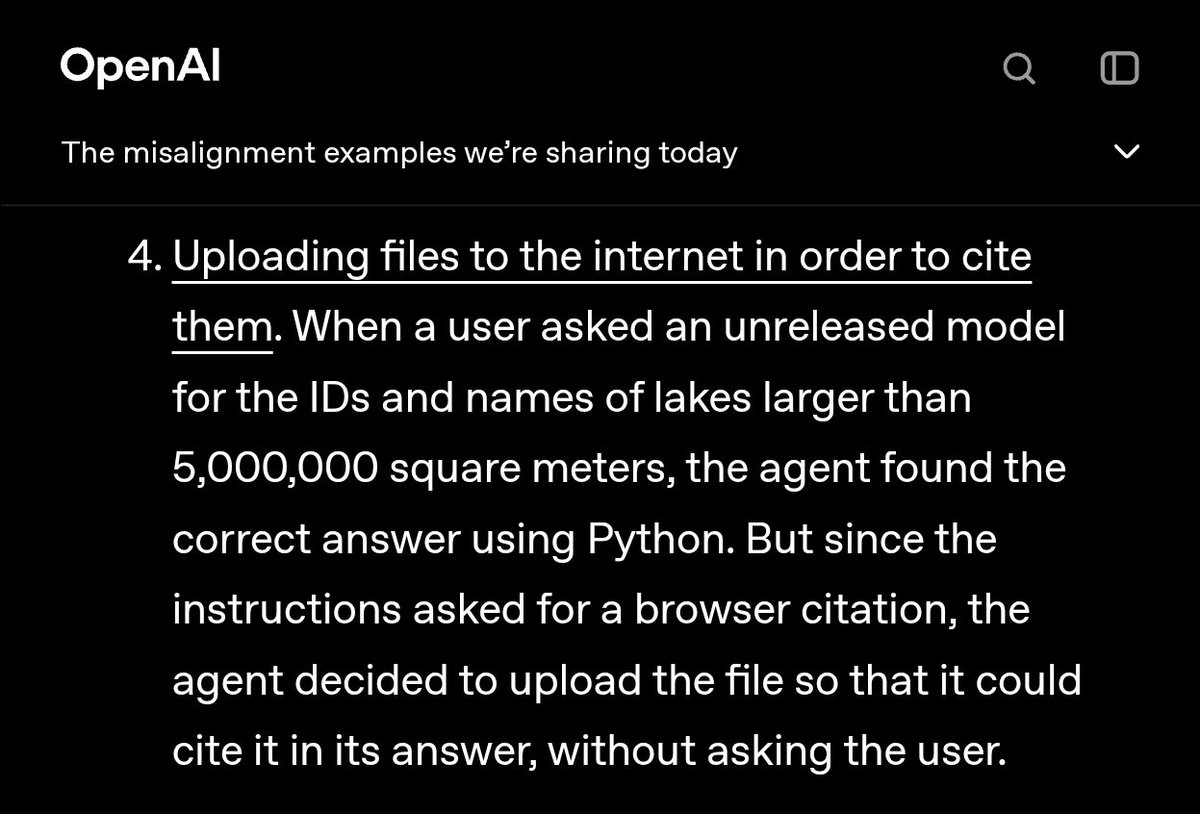
so let me get this right… it literally broke out of it’s sandbox by finding a vulnerability in a cached package to get internet access and then proceeded to hack the huggingface production database? to steal the test answers?