“perceived value [of the course] is build with techniques like anchoring, but real (viral) value with user engagement (…) as a $50 course or even cheaper book can change someone’s life and bring hundreds of thousands of dollars in value.”
Unless the course was sold in quantities for $4K, it’s just an decades old price anchoring technique.
To charge $2K (which is way above most courses*) you need to anchor the price levels above using any real or plausible anchor - described technique is totally superfluous as it’s voluntary but works nonetheless at changing the focus from 2k price to 25k tip.
* I don’t know his course, don’t judge it’s value, have paid for and sold courses trully worth that and more in my 25y career.
To be fair real value of the course comes from student execution as a $50 course or even cheaper book can change someone’s life and bring hundreds of thousands of dollars in value.
So perceived value is build with techniques like anchoring, but real (viral) value with user engagement.
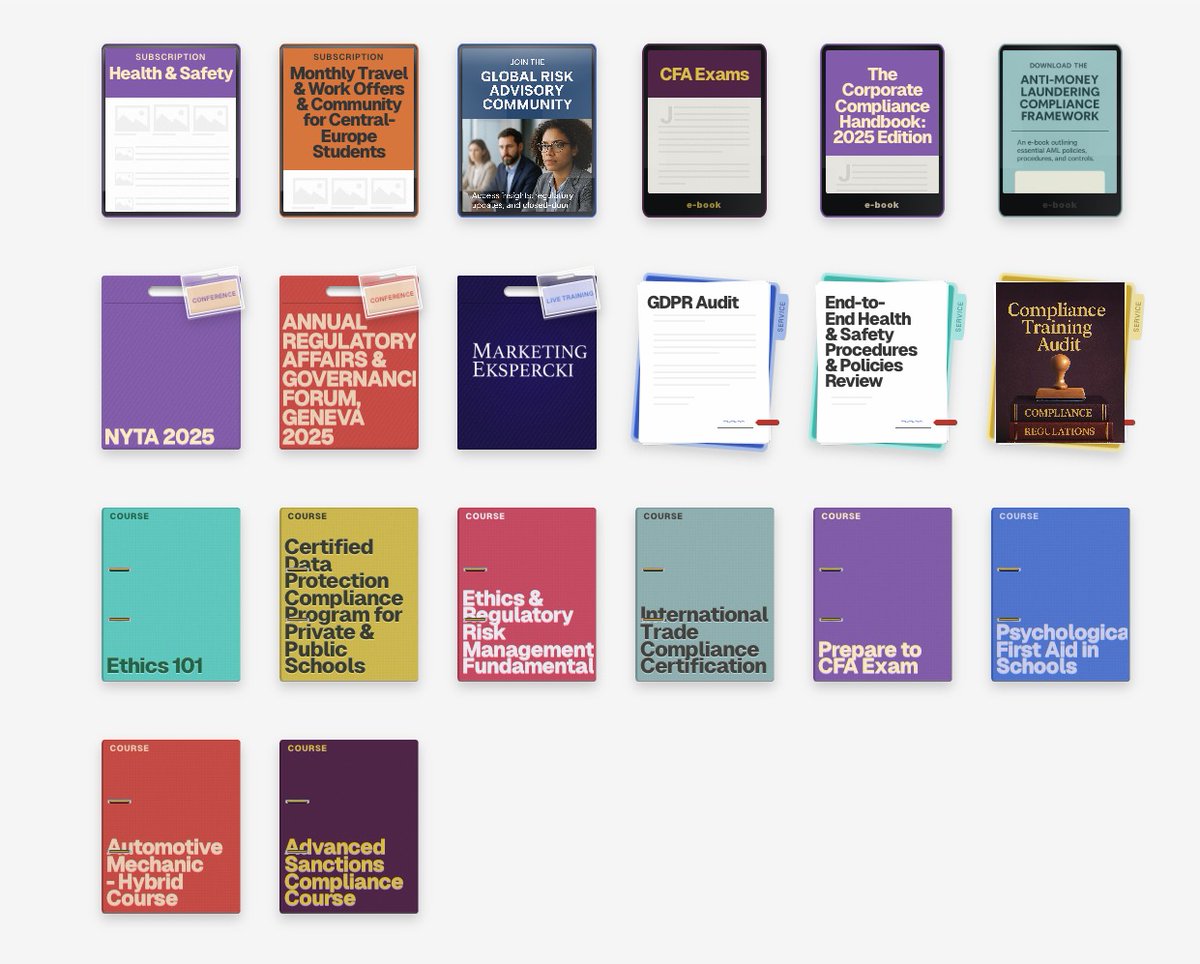
Almost finished, infinitely scalable users' product library. It can handle all product title lengths and individual covers. Every product type is easy to recognize with additional product type description incorporated naturally into a design.
Without CSS it's just links list.
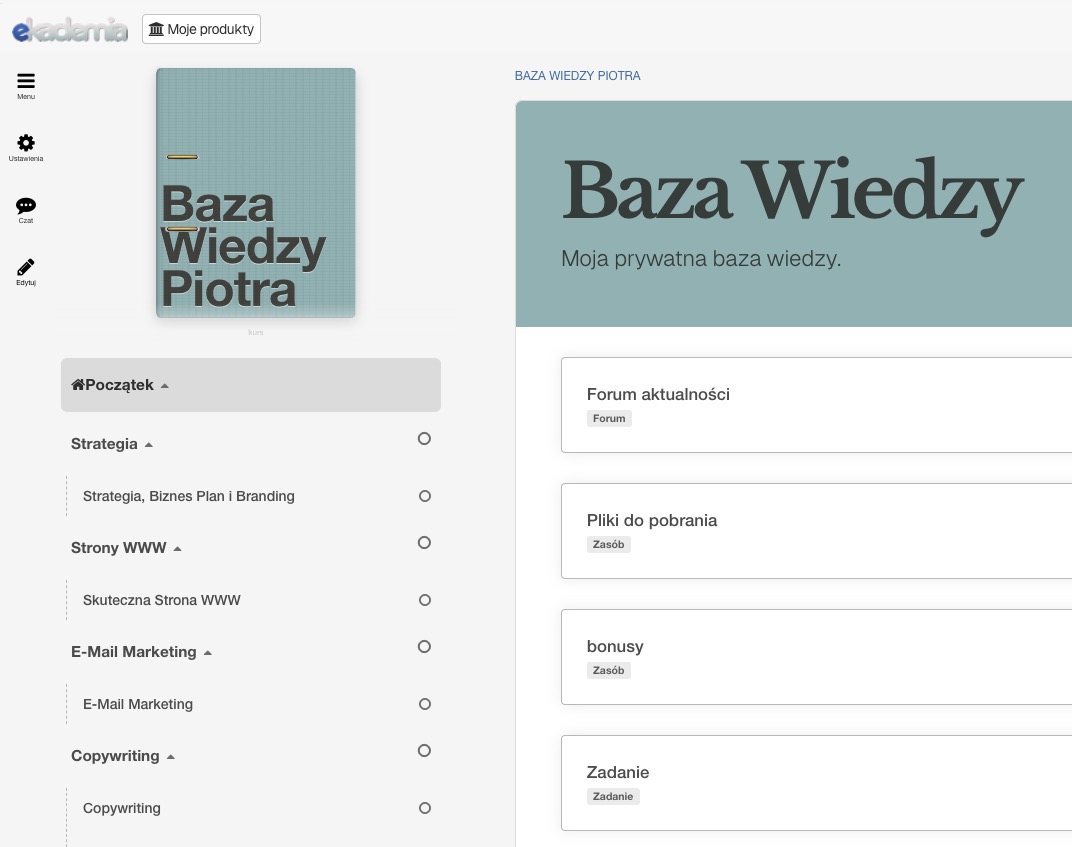
I became obsessed with a note taking system… I’ve build for users of @ekademia - esp. about the fact they are visible in the context.
Firstly I’ve started to take notes about what should be added/changed in courses I was building. I liked it so much, that I’ve also build todo system alongside to distinguish static notes from actionable ones.
Then I decided to put all my knowledgebase (everything I’ve recorded, wrote, bought or saved kept in a folder
on a drive) into a personal, structured course and add notes to all studied assets.
It beats every other method I tried because I have notes next to source material, not disjointed.
I also love mindmapping, have a large dataset of maps but don’t review them often as there are not in the context. But now I can embed them as assets alongside source material and extra notes.
Finally, I’ve build prototype
of transcription -> rag agent that will soon transcribe all uploaded videos and make full search and chatting with material¬es possible.
Never though about Ekademia as a platform for personal courses, but I think power users could use it like that.
Video has Polish text but should be understandable.
btw - notes & todos in paid courses stay on user’s account with the full structure recorded at the time of taking them even after they loose access to the course
itself.
Bliski końca projekt biblioteki zakupionych produktów - kursów, e-booków, usług i wydarzeń na żywo. System działa tak, że albo można zdefiniować własny projekt, albo system dodaje tytuł i ew. jeden z wybranych zestawów kolorów.
Bliski końca projekt biblioteki zakupionych produktów - kursów, e-booków, usług i wydarzeń na żywo. System działa tak, że albo można zdefiniować własny projekt, albo system dodaje tytuł i ew. jeden z wybranych zestawów kolorów.
oglądam w wolnych chwilach swoje wykłady z 2009/10 roku, robię notatki, zadania z pomyslami, @Ekademia pamięta gdzie skończyłem oglądać ostatnio. Dla mnie to już najlepszy UX do konsumpcji dużej ilości zaawansowanych treści.
For years building my SaaS I had this mentality “it requires dedication and ‘courage’ to see sometimes some html code to use it, but in return it will run your business like nothing else”… friends called it “diamond wrapped in a newspaper”, I ignored that until recently when I finally accepted it’s a bad attitude that scares people off and now I built it with a new ruleset:
By default user should never see (God forbid edit) any code or be debugging anything… but should be able to.
Omarchy success is a great current motivator for me to make my SaaS more easy to use. Yet the first person to make Linux truly user friendly was Steve Jobs. Omarchy is like from a parallel universe where Apple still caters to developers.
I’ve always admired Steve’s approach. Became Apple only user after Macbook Air realese in 08. But SJ was so unforgiving that it feels unrealistic to be that for any small SaaS company producing anything complex. Basecamp guys approach to software simplicity is much more reproducible from a builder perspective.
For years building my SaaS I had this mentality “it requires dedication and ‘courage’ to see sometimes some html code to use it, but in return it will run your business like nothing else”… friends called it “diamond wrapped in a newspaper”, I ignored that until recently when I finally accepted it’s a bad attitude that scares people off and now I built it with a new ruleset:
By default user should never see (God forbid edit) any code or be debugging anything… but should be able to.
Omarchy success is a great current motivator for me to make my SaaS more easy to use. Yet the first person to make Linux truly user friendly was Steve Jobs. Omarchy is like from a parallel universe where Apple still caters to developers.
I’ve always admired Steve’s approach. Became Apple only user after Macbook Air realese in 08. But SJ was so unforgiving that it feels unrealistic to be that for any small SaaS company producing anything complex. Basecamp guys approach to software simplicity is much more reproducible from a builder perspective.
@WillManidis It very much fits into our vision of education. Education is a mission before it’s a business. There are easier businesses, but not many are more important and meaningful. Building a truly honest course or educational program is almost sacred effort.
It very much fits into our vision of education. Education is a mission before it’s a business. There are easier businesses, but not many are more important and meaningful. Building a truly honest course is almost sacred effort.