Obesity is an established risk factor for #BreastCancer. Yet many foods high in sugar, salt and unhealthy fats hide behind tiny, hard-to-read #nutrition labels on the back of the pack.
How can consumers make informed choices?
Front-of-pack warning labels change that. Simple, visible labels on the front help consumers quickly identify #unhealthy products and make #healthier choices.
This #PinkOctober, let's demand food environments that protect women's health. With clearer food warning labels, we can all make healthier choices. Join the campaign now for front-of-pack warning labels.
@SEND_GHANA@mohgovgh@OfficialGAND@_GHSofficial@fdaghana@IncubatorGHAI@VitalStrat
#BreastCancerAwarenessMonth #Knowwhatyoueat #FOPWLGhana
There’s a difference between asking the congregation not to distract the service with phones and enforcing ancient cultural practices that even Paul applied to a specific chaotic church situation. One is practical order. The other is you reaching for anything to win an argument.
Victoria Orenze should also listen to Apostle Paul by covering her head and keeping quiet, as she’s a woman and must not exercise authority.
She should also stop wearing wigs and makeup in the presence of God.
It is distracting and disrespectful in God’s presence.
I don’t remember God assenting to all that either. 💁🏽
Since y’all want to be mad and selective!
She didn’t buy the phone, true. But she also doesn’t owe you a seat if you’re distracting the service. If you came for content and not worship, maybe the gate is the best place for you. She’s not sending you away from church..she’s sending you away from her sight. Distractions
The camera man is on duty. His job is to capture the event for people who couldn’t attend. Your phone is for distraction while you’re supposed to be focusing on God. Not the same thing. You’re mixing the two..we’ve seen media guys who encounter God in their work execution.
Disliking her is your burden to carry.. have you heard “brood of vipers” “den of thieves” whitewash tombs” that’s Jesus addressing “PHARASEES” ..Our generation enjoys sugarcoating approaches..It hasn’t changed anyone. She’s right
Victoria Orenze is very bad with words, I dislike her alot.
I was playing at a church program in Lekki County one time and she was to minister before the chior.
Aunty collected mic, and first thing she said, "The song by the chior is so good if they could have gone it well"
@FuntoTemilade Then you haven’t met Jesus yet…. You know what’s called brood of vipers?? Den of thieves?? Do you know who is called a pharasee?? Auntie be calming down 🤣
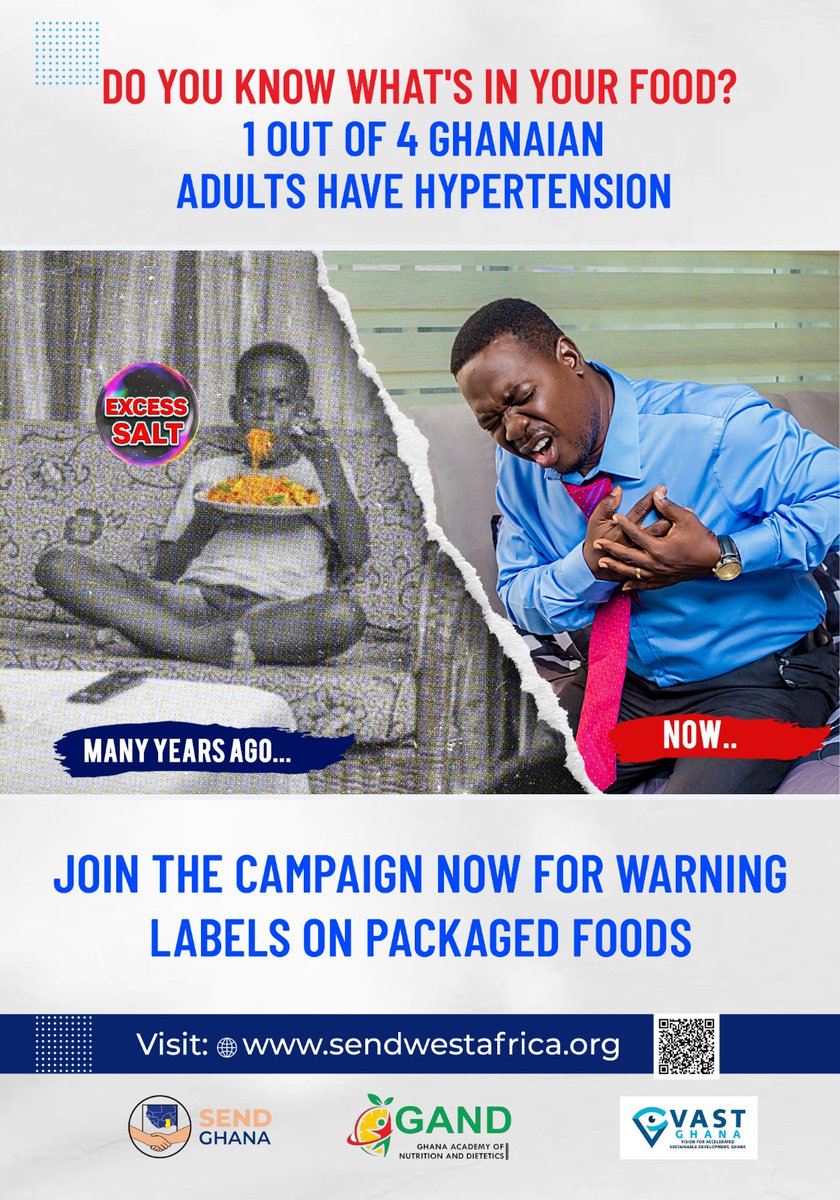
1 in 4 Ghanaian adults has hypertension, and excess salt is a major cause.
Many packaged noodles, snacks and processed foods are loaded with salt, yet without warning labels we cannot tell. What our children eat today can lead to heart disease tomorrow.
We need front-of-pack warning labels (FOPWL) on packaged foods so every family can make an informed choice. Support the campaign now.
@SEND_GHANA@_GHSofficial@mohgovgh@fdaghana
#FrontOfPackLabels #ExcessSalt #KnowWhatYouEat #NCDs #HealthForAll
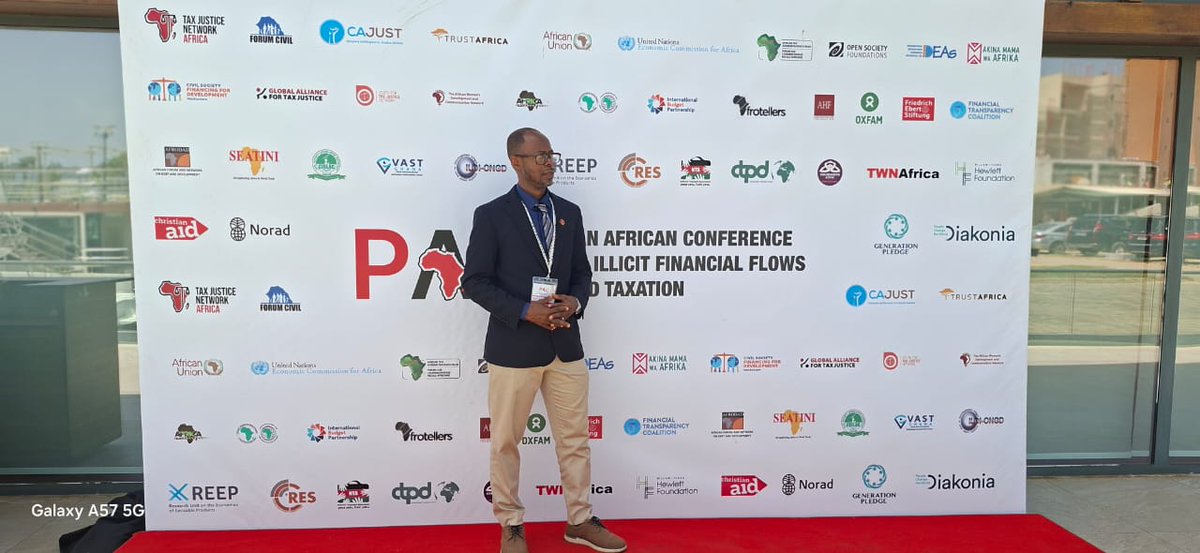
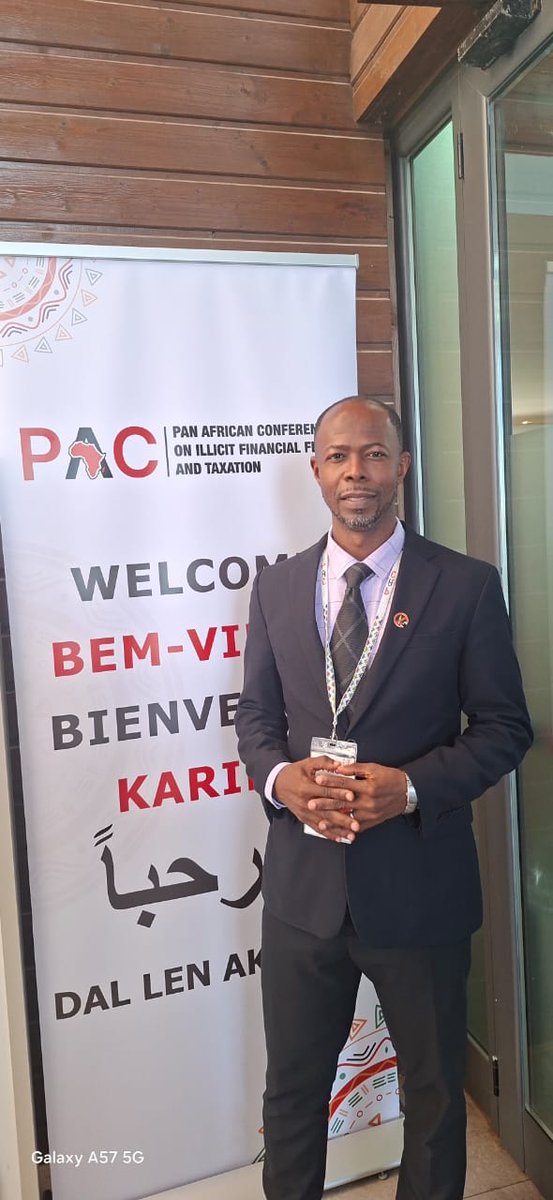
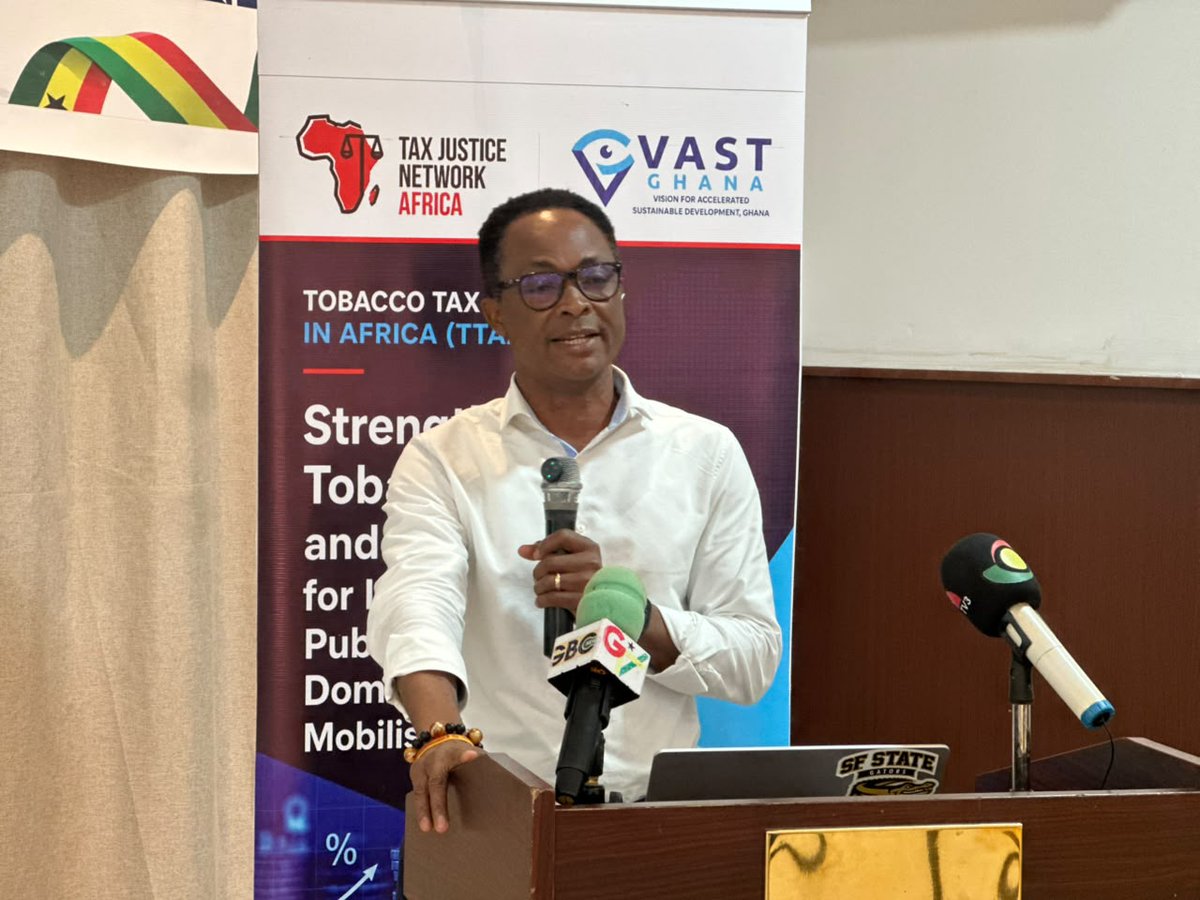
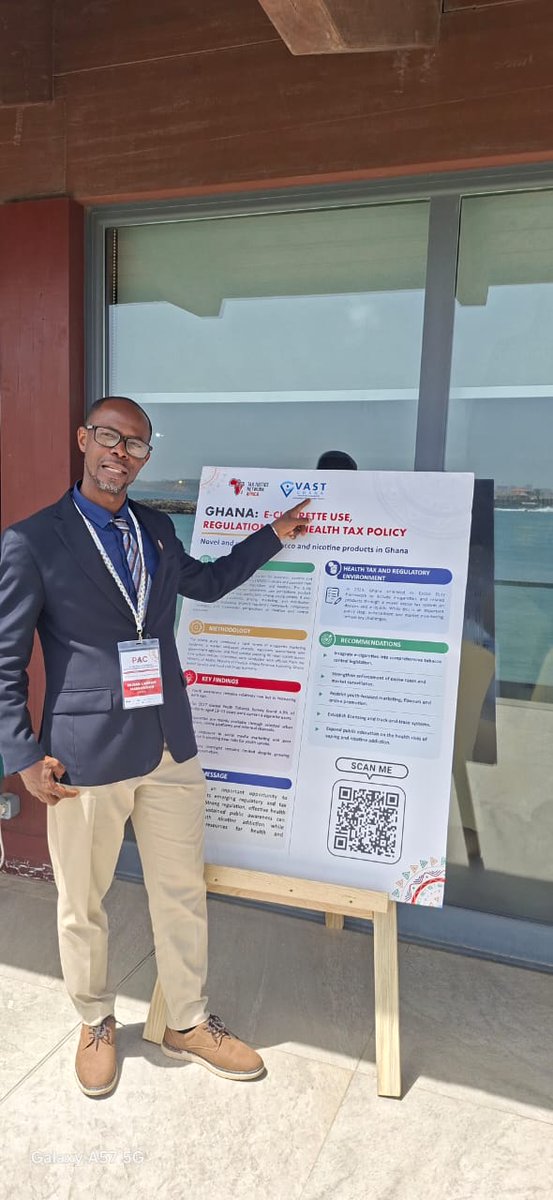
Our Executive Director, Mr. Labram Musah, proudly represented VAST Ghana at the 14th Pan-African Conference on Illicit Financial Flows and Taxation, held from 30th September to 2nd October 2026 and organized by @TaxJusticeAfric.
Under the theme “Advancing a Transformative Tax Justice Agenda for Africa,” he contributed to the opening plenary, “A Shared Struggle for Tax Justice,” asking pertinent questions about who bears the burden of taxation (corporate entities or individuals), how the informal sector can be brought into the tax net, and how we can ensure that health-harming industries are not left behind in domestic resource mobilisation efforts. He also highlighted how taxing these sectors such as alcohol, tobacco and ultra-processed foods can generate funds to help tackle the growing burden of #NCDs.
VAST Ghana continues to bring evidence and Ghana’s #publichealth perspective to regional policy spaces, pushing for stronger accountability and revenue systems that respond to the health challenges facing our communities. #Taxjustice must deliver for #publichealth.
@TaxJusticeAfric@mohgovgh@MoF_Ghana@fdaghana@GhanaRevenue@WHO
#VASTGhana #PAC2026 #TaxJusticeAfrica #HealthTaxes #IFFs #EconomicSovereignty @
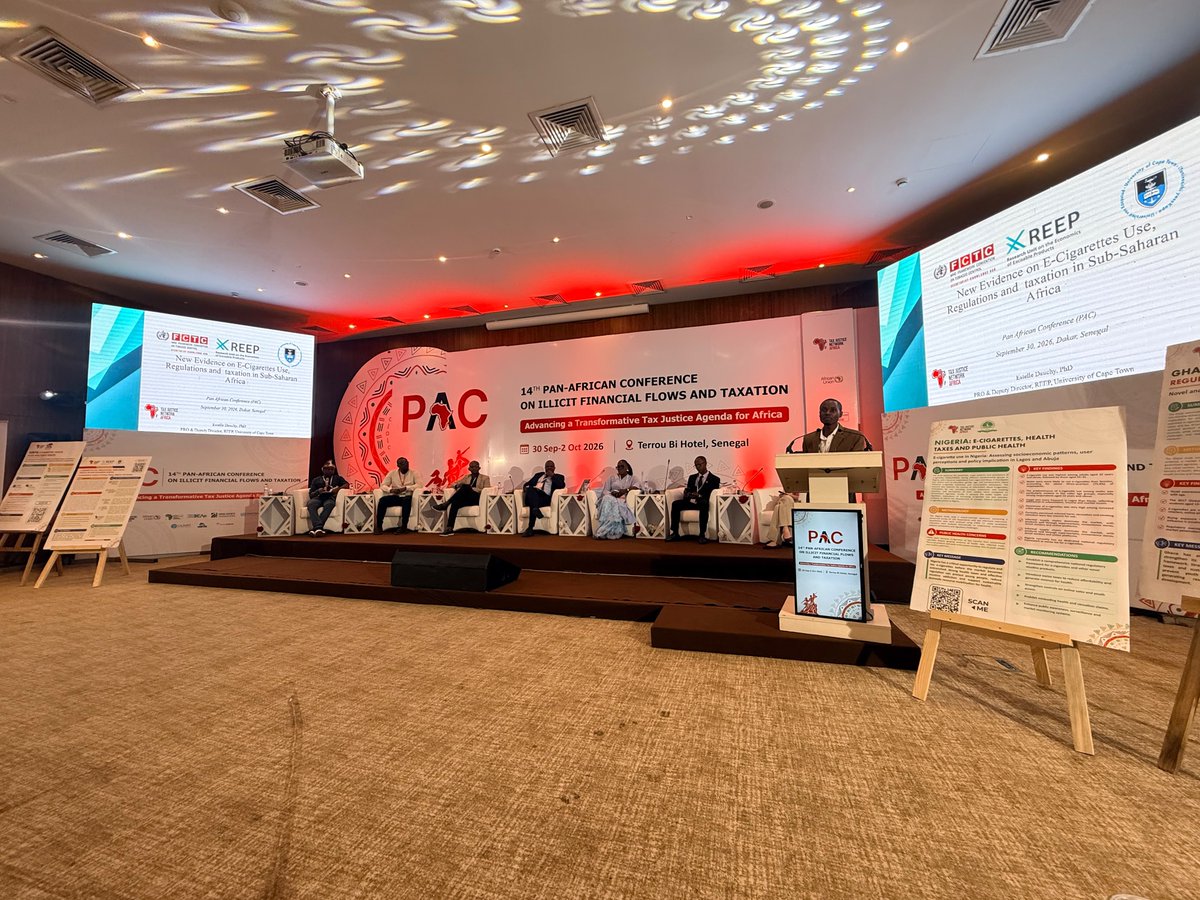
During the panel session of the 14th Pan-African Conference on Illicit Financial Flows and Taxation in Dakar, Senegal, our Executive Director, Mr. Labram Musah, shared lessons from Ghana.
Speaking during the "Country Reflections – Lessons from the Four Countries" panel discussion, he joined fellow panellists Estelle Dauchy, Godefroid Mboyo, Isaiah Mbewe, Solomon Adoga, Penda Ndiaye and Danielle Onyango. The session was moderated by John Thoni of the @TaxJusticeAfric (TJNA).
Mr. Musah brought Ghana’s public health perspective to the conversation. In his reflections, he spotlighted a policy gap in Ghana’s approach to tobacco products. He noted that while the Public Health Act, 2012 (Act 851) empowers @fdaghana to ban and confiscate tobacco products, novel products such as e-cigarettes, vapes and shisha are also subject to taxation by the Ministry of Finance, (@MoF_Ghana ) through the @GhanaRevenue
He explained how this creates policy incoherence that can be exploited, particularly as the #tobaccoindustry continues to evolve. He also drew attention to increasingly sophisticated products driven by innovation and technology, emphasizing the need for regulatory and tax frameworks to be updated to reflect these developments and address their wider public health consequences.
From Ghana’s experience to the wider African #taxjustice conversation, Mr. Musah’s contribution brought a clear public health lens to discussions on domestic resource mobilisation.
@TAX JUSTICE NETW @_GHSofficial Health Service World Health Organization Ghana
#VASTGhana #PAC2026 #TaxJusticeAfrica #HealthTaxes #IFFF #EconomicSovereignty #Dakar
Higher tobacco taxes can help build a healthier Ghana for today and future generations.
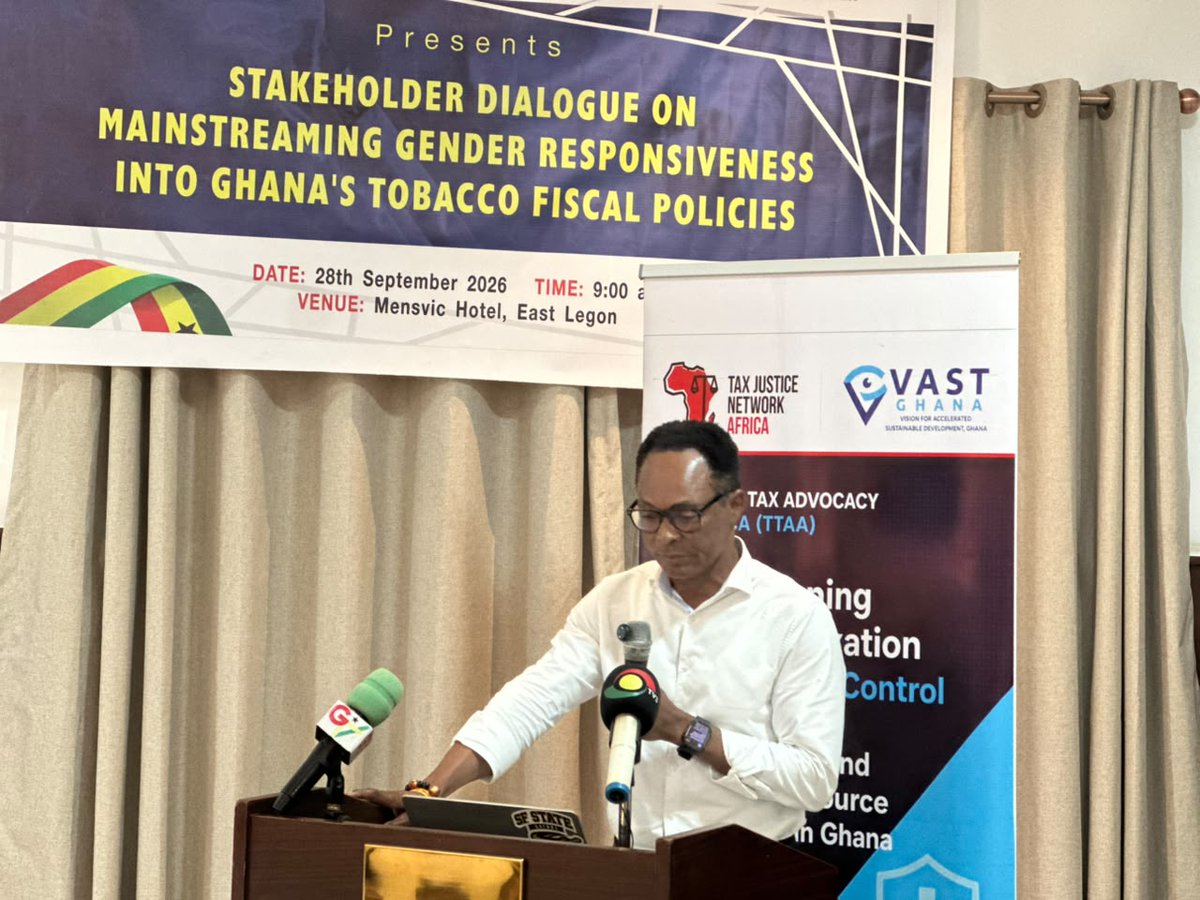
In his keynote presentation, Dr. Divine Logo highlighted why gender matters in tobacco control fiscal policies.
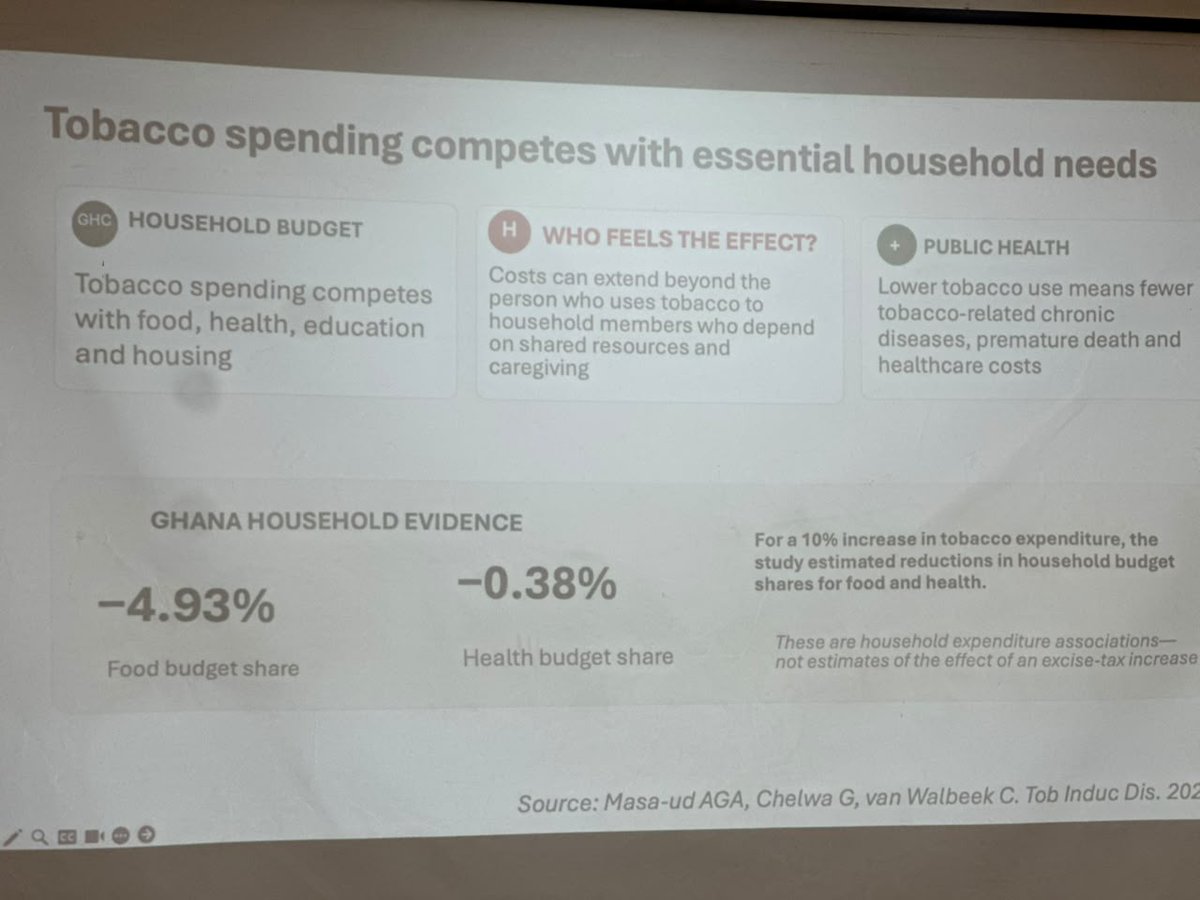
He highlighted that tobacco use is a major health burden. Women and men are affected differently, and making tobacco less affordable protects health, advances equity, and safeguards households.
Ghana can strengthen and simplify its tax structure, learn from the consistent tax increases seen in the Philippines and South Africa, and raise taxes regularly as part of a broader strategy with a gender and equity lens, he emphasized.
A healthier, fairer and tobacco-free Ghana is possible.
#TobaccoControl #GenderEquity #HealthierGhana
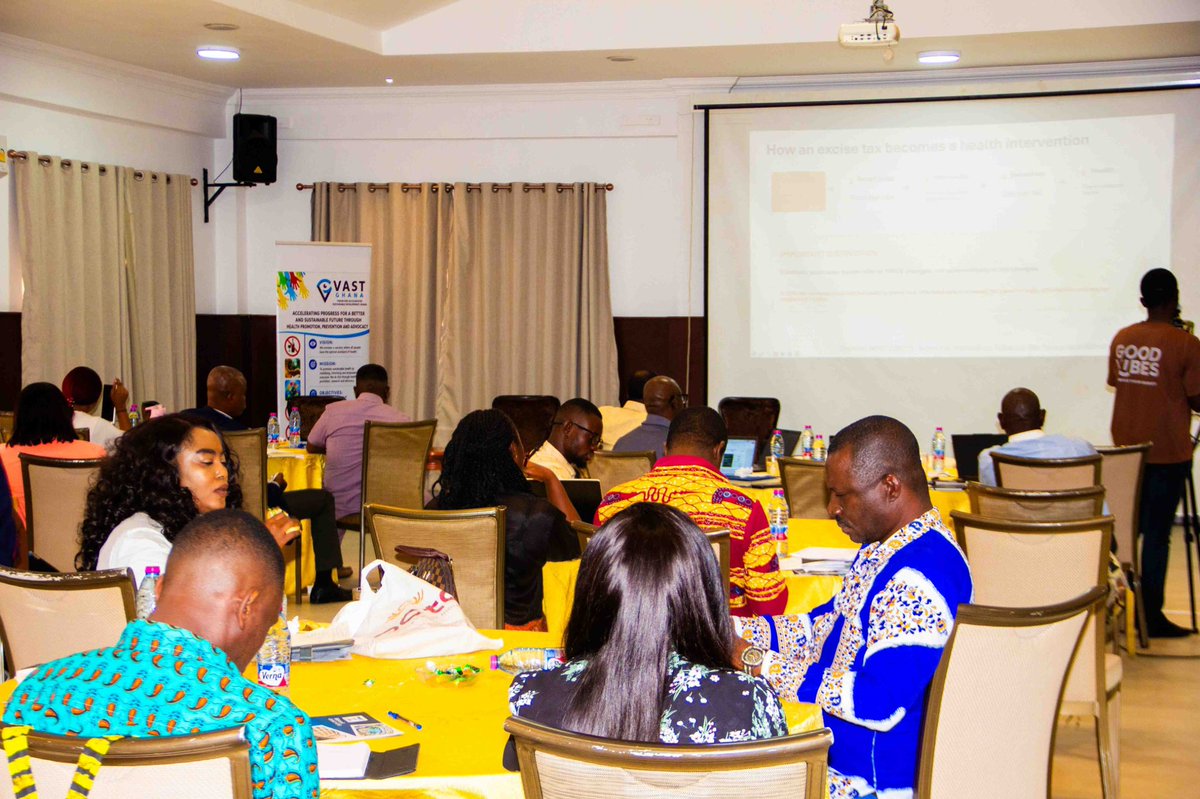
A deeply engaged audience brought energy and insight to today’s Stakeholder Dialogue on Mainstreaming Gender Responsiveness into Ghana’s Tobacco Fiscal Policies.
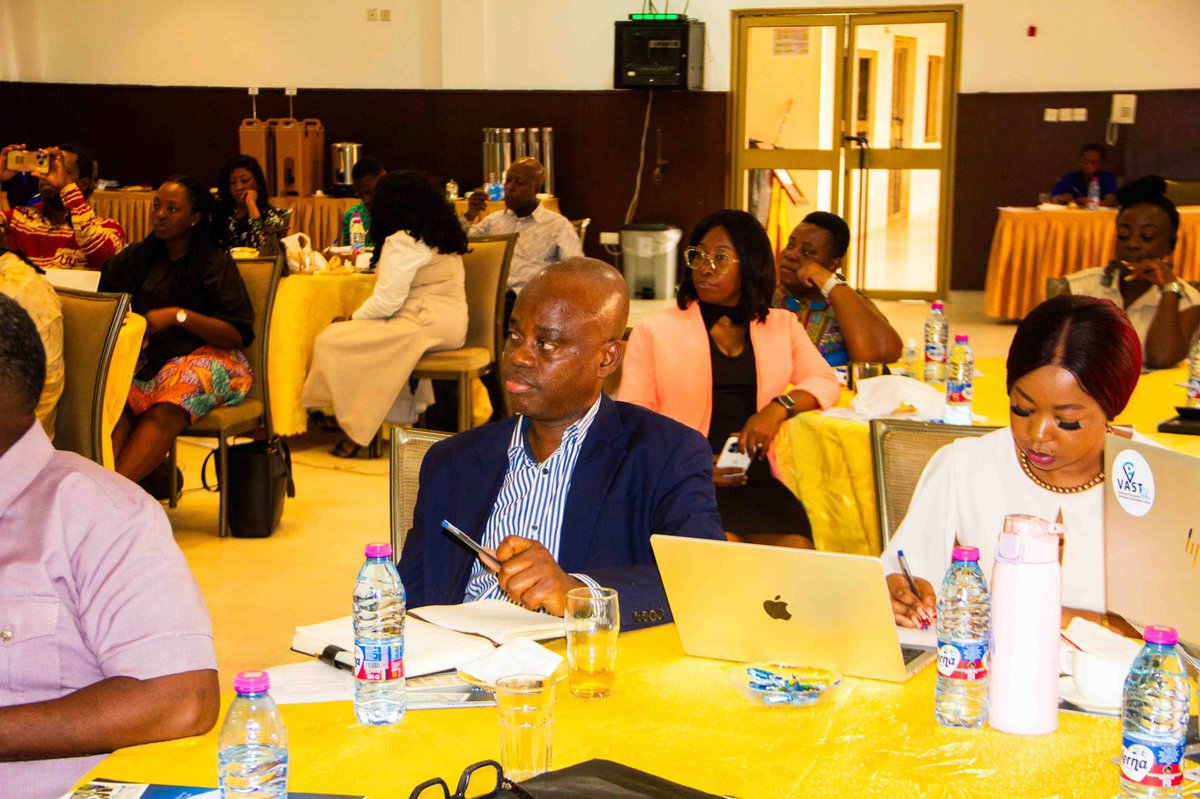
Participants from government, civil society, academia, and community groups contributed rich perspectives, asked critical questions, and helped shape practical recommendations on gender, taxation, emerging products, and stronger enforcement.
Their active involvement highlighted the power of collective action in advancing more equitable and effective tobacco control in Ghana.
@mohgovgh@MoF_Ghana@MoGCSP_Ghana@WHOAFRO@WHOGhana@Youth_TJN@TaxJusticeAfric
Vision for Accelerated Sustainable Development, Ghana (VAST Ghana) has taken critical note of recent claims by Accra Brewery PLC that the recent reform in the Excise Duty Bill specifically the changes to Ghana’s beer excise duty regime and the introduction of the hybrid excise tax rate for wine and spirit alcohol could place up to 2,000 jobs at risk. While VAST Ghana recognizes the contribution of businesses and workers across Ghana’s manufacturing and agricultural sectors, public policy, particularly fiscal policy affecting population health, must be guided by transparent evidence rather than projections that are presented without sufficient methodological justification.
VAST Ghana commends the Government of Ghana, through the Ministry of Finance, for rightly challenging the basis of the claim, noting that the company did not provide the methodology, base year, price elasticity assumptions, or definition used to determine how 2,000 jobs were considered to be at risk. Claims relating to employment losses, economic collapse, reduced investment, and threats to local industries are well-established components of a broader industry playbook used globally to resist, delay, weaken, or deflect public health policies. The World Health Organization has documented that industries producing health-harming commodities have repeatedly used policymakinginterference, coalition building, litigation threats, exaggerated economic arguments, and misinformation to undermine effective public health measures. On alcohol specifically, WHO recognizes a fundamental conflict of interest between government’sresponsibility to protect population health and the commercial objective of alcohol producers to maximize sales and consumption.
The employment argument follows a particularly recognizable pattern. By placing workers and potential job losses at the centre of the debate, industry actors can shift public and political attention away from the health and economic costs of alcohol consumption and frame an evidence-based public health measure as a threat to ordinary Ghanaian workers. Ghana already has compelling evidence that should inform this debate. The Ghana STEPS Survey 2023 found that 22.6%of adults aged 18 to 69 years were current alcohol drinkers. The proportion was considerably higher among men at 30.6%. The survey also found that 28.4% of adults in rural areas currently consume alcohol, compared with 18.6% in urban areas.
These figures are not abstract statistics. They represent Ghanaian lives, households, and communities that bear the health, social, and economic consequences of alcohol-related harm.
VAST Ghana notes that the current excise duty discussion presents an opportunity to move Ghana’s alcohol policy debate from an industry-centered conversation to a population-health conversation. A job created within an industry cannot automatically be treated as a net economic gain if the wider economy subsequently bears avoidable costs. Recent evidence on the economic and health toll of alcohol further supports the call to strengthen excise taxation. While the alcohol industry contributed approximately $369 million to Ghana’s GDP and created about 52,000 jobs, the societal cost of alcohol consumption is estimated at $1.2 billion annually, driven largely by health expenditures, productivity losses, and road traffic injuries. This staggering cost challenges the false narrative that the alcohol industry is an economic asset. In reality, its net effect on Ghana’s economy is negative whenthe health and social consequences are fully accounted for. Public health costs far outweigh the fiscal and employment contributions touted by industry actors.
The World Health Organization has consistently identified increasing alcohol prices through excise taxes and pricing policies as one of the most effective interventions for reducing alcohol-related harm. WHO's latest Global Report on the Use of Alcohol Taxes shows that alcohol is becoming more affordable in many countries because tax systems have failed to keep pace with inflation and income growth. WHO warns that more affordable alcohol contributes to rising NCDs, injuries and other preventable harms, while weak tax systems leave governments and communities carrying costs that are not reflected in the market price of alcohol. The WHO SAFER initiative places increasing alcohol excise taxes and pricing policies among its five high-impact interventions for reducing alcohol-related harm.
There is also an important lesson for Ghana from international experience. Arguments that higher alcohol taxes will automatically drive consumers into illicit markets should not be accepted without evidence. WHO's review of alcohol taxation in the European Region found no automatic relationship between higher taxation and increased illicit alcohol consumption. This means governments should address illicit trade through effective enforcement, tracking, taxation administration, and market surveillance rather than weakening health-protective tax policies because of unsubstantiated fears.
VAST Ghana therefore welcomes the Government's evidence-based response to the employment claims. We encourage the Ministry of Finance to apply the same evidence-based discipline to the health consequences of alcohol taxation.
Every fiscal measure affecting alcohol should be assessed against three questions.
1. Does it reduce the harm associated with its consumption?
2. Does it protect young people and other vulnerable populations from alcohol-related harm?
3. Does it generate sufficient public revenue while reducing the long-term health and economic costs associated with alcohol use?
We believe these questions should become an integral part of Ghana's future excise policy framework.
VAST Ghana commends the Ministry of Finance for demanding evidence to support claims that the revised beer excise regime will threaten 2,000 jobs. This response sets an important standard for Ghana's public policy process. Commercial claims should be examined; economic projections should be tested, and public health evidence should be given appropriate weight.
As the process towards the 2027 Budget Statement is ongoing, we strongly recommend the following actions:
1. Extend hybrid excise taxation to all alcohol products: The current reforms within the Excise Tax Act 2026 apply only to wine and spirits, which are largely consumed by higher‑income groups whose purchasing power is less affected by tax increases. Meanwhile, alcoholic beverages more commonly consumed by lower‑income groups remain subject to lower excise rates. To ensure equity and maximize public health impact, hybrid excise taxation should cover all categories of alcohol.
2. Repeal the 20% excise tax cut on fruit juices and review the definition of fruit juices: The existing definition of fruit juice does not meet global best practices and therefore might impel the public health efforts the Ministry of Finance seeks to achieve. Reinstating the 20% excise tax and adopting a clear, enforceable definition of fruit juice will prevent loopholes and ensure the reforms deliver intended health outcomes.
3. Raise tobacco excise rates and index them to inflation and income growth: Current tobacco taxes remain below international benchmarks. Increasing rates and pegging them to inflation and income growth will preserve their real value and strengthen health financing.
4. Repeal the excise tax on electronic cigarettes; to address the policy incoherence between the Excise Tax Act 2026 and the Public Health Act 2012. The current excise tax contradicts provisions in the Public Health Act. Repealing this tax will align fiscal measures with public health legislation and provide clarity on the regulation of novel nicotine products.
Ghana's growing NCD burden demands decisive action. Stronger alcohol excise taxation is not an attack on industry or workers. It is an evidence-based public policy intervention designed to reduce preventable harm, protect vulnerable populations, generate domestic revenue, and ensure that commercial interests do not outweigh the health and economic interests of the Ghanaian population.
VAST Ghana therefore calls on the Ministry of Finance and other agencies to remain resolute, protect the integrity of the excise tax reform process, and strengthen excise taxation in line with global best practices and WHO recommendations.
How do we fund tobacco control and NCDs when the financing landscape keeps evolving?
The Campaign for Tobacco-Free Kids (CTFK) is convening its Global Webinar Series, Expanding the Tobacco Control Movement, opening with a session on Sustainable Health Financing that brings together practitioners from Ghana, Ethiopia, Việt Nam, Mexico and the Philippines for a practical conversation on budget advocacy.
Our Executive Director, Labram Musah, will speak on strategic planning, drawing on VAST Ghana's own experience across the four pillars of the CTFK Budget Advocacy Toolkit: strategic planning, implementation, budget accountability and budget sustainability, including the challenges we faced, how we worked through them, and what other countries and sectors can take from it. Domestic financing for tobacco control is not a nice-to-have. It is what will determine whether countries can meet their commitments under the WHO Framework Convention on Tobacco Control.
Join us on Join us on 16th September to see how advocacy is being turned into financing that lasts.
Register here: https://t.co/xXDhfbwYmF
#RaiseTobaccoTaxesNow #ExciseTaxSavesLives #VASTGhana #PublicHealth #TobaccoControl #ProtectOurYouth
Post
0 notifications
Happy birthday to Winston Deladem Gamor, our Assistant Policy and Advocacy Manager at VAST Ghana.
Winston, thank you for the thoughtfulness and consistency you bring to the work. Your passion for policy and advocacy, and your willingness to serve wherever needed, continues to strengthen our team and the work we do. Your contribution is seen, valued, and appreciated by all of us. We hope the year ahead brings you good health, progress, and many moments worth celebrating.
Have a wonderful birthday, Winston!
#HappyBirthday #VASTGhana #TeamVAST
171 bookmarks???? That means I can’t be the only blessed by this ministration.
I learnt his name is Yefter Nkansah and you can find this ministration( Intense Worship moment) on YouTube .
Link in comments
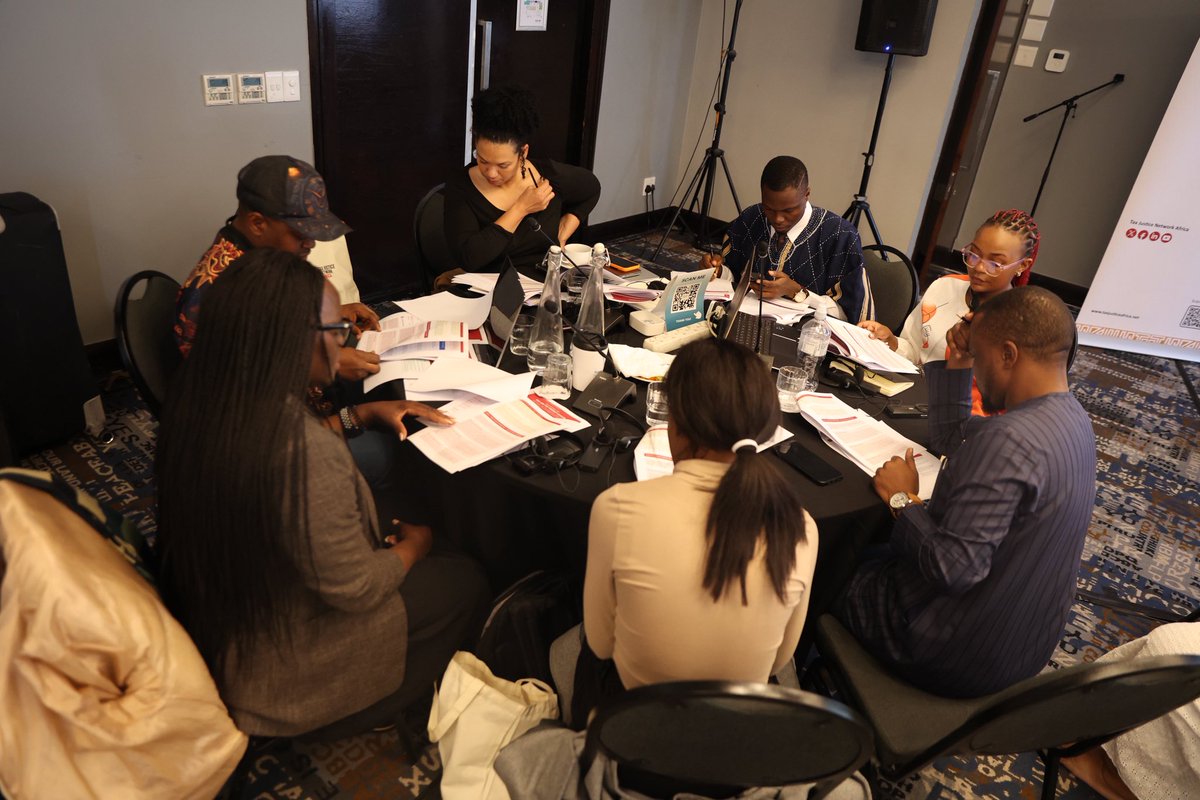
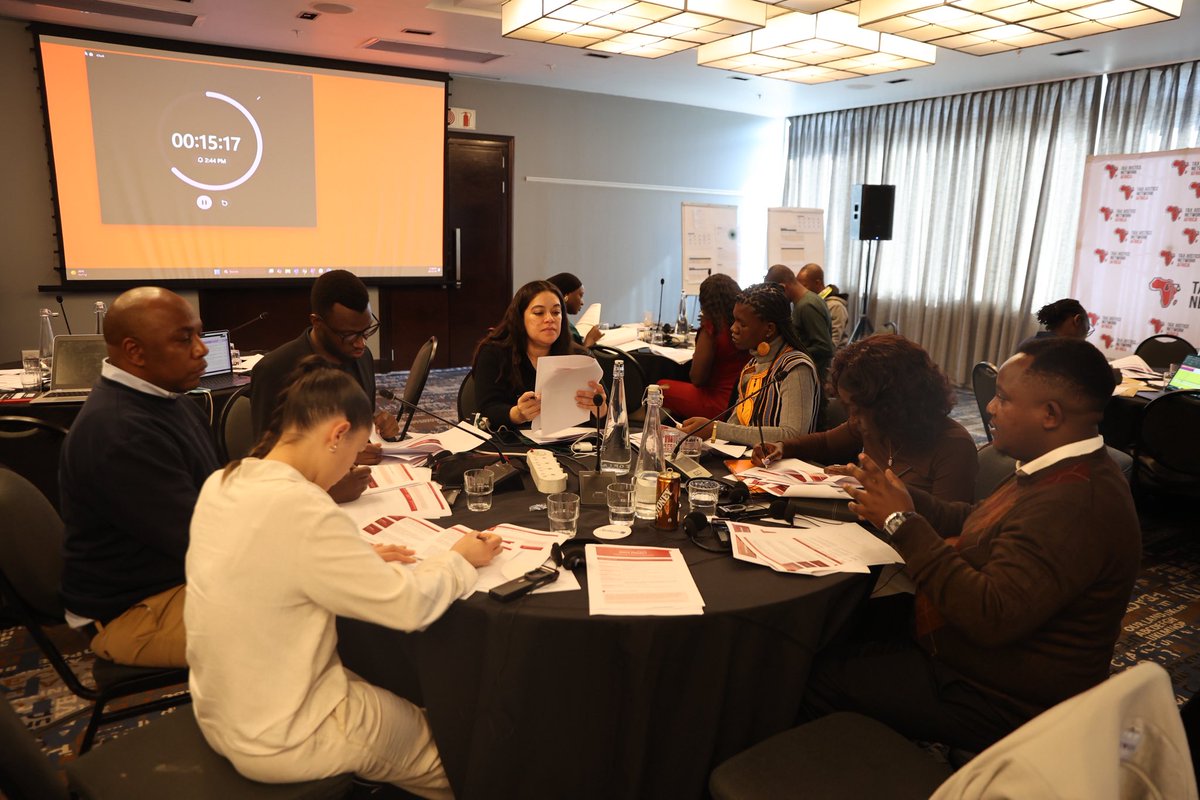
In a panel discussion at the @TaxJusticeAfric Health Tax Advocacy in Africa Kick-Off Meeting in Johannesburg, VAST Ghana’s Executive Director, Mr. Labram Musah, explored the critical role of civil society organisations in advancing the WHO 3×35 Initiative and how data and evidence can strengthen advocacy efforts.
He emphasised the value of meaningful involvement of persons living with NCDs as powerful lived evidence that enriches and legitimises policy arguments. Mr. Musah also shed light on the industry interference playbook, stressing the need for civil society to remain vigilant, anticipate organised resistance, and respond with credible evidence, strategic communication and coordinated action.
VAST Ghana remains committed to evidence-based advocacy that prioritises public health and safeguards policy spaces from commercial interests.
@TaxJusticeAfric@GA4TJ@Movendi_Int@LabramM
At VAST Ghana, promoting health starts with how we care for ourselves.
As part of our #staffretreat and in recognition of Self-Care Month, we stepped away from our desks for a #wellnesswalk, reminding ourselves that #healthyliving is not just what we advocate for, but how we choose to live.
Our customised t-shirts carried messages raising awareness about the dangers of shisha, vapes, and other emerging nicotine products. Along the way, we engaged fellow exercisers and passersby, sharing information on the adverse health effects of tobacco and these emerging products. The walk reflected our belief that protecting health begins with everyday choices, and every conversation counts.
Beyond the policies we champion, we remain committed to fostering a workplace that values physical wellbeing, mental wellness, and self-care.
Happy Friday! Here's to making time to recharge and invest in our health.
#TGIF #SelfCareMonth #WalkTheTalk #VASTGhana #PublicHealth #Wellbeing #ProtectOurYouth #TobaccoControl