CRISPR history part 1/24: 1987: Short, unusual DNA repeats are observed in Escherichia coli bacteria by Ishino et al. in Japan. These are later named CRISPR (Clustered Regularly Interspaced Short Palindromic Repeats), but their function is unknown at this point.
Words fall short today.
Mr. Ratan Tata's
profound humanity and selfless compassion shall always inspire us.
He will forever be remembered as our beloved mentor.
One of the most common bacteria in dental plaque is Corynebacterium matruchotii — and it has a unique form of cell division, splitting into as many 14 cells at a time.
https://t.co/rTX8eDESk3
Shocking to see this analysis, neatly summarised by @wellcometrust based on data from @royalsociety. International collaboration and team working is critical for high-quality research. The UK will miss out if these massive barriers remain.
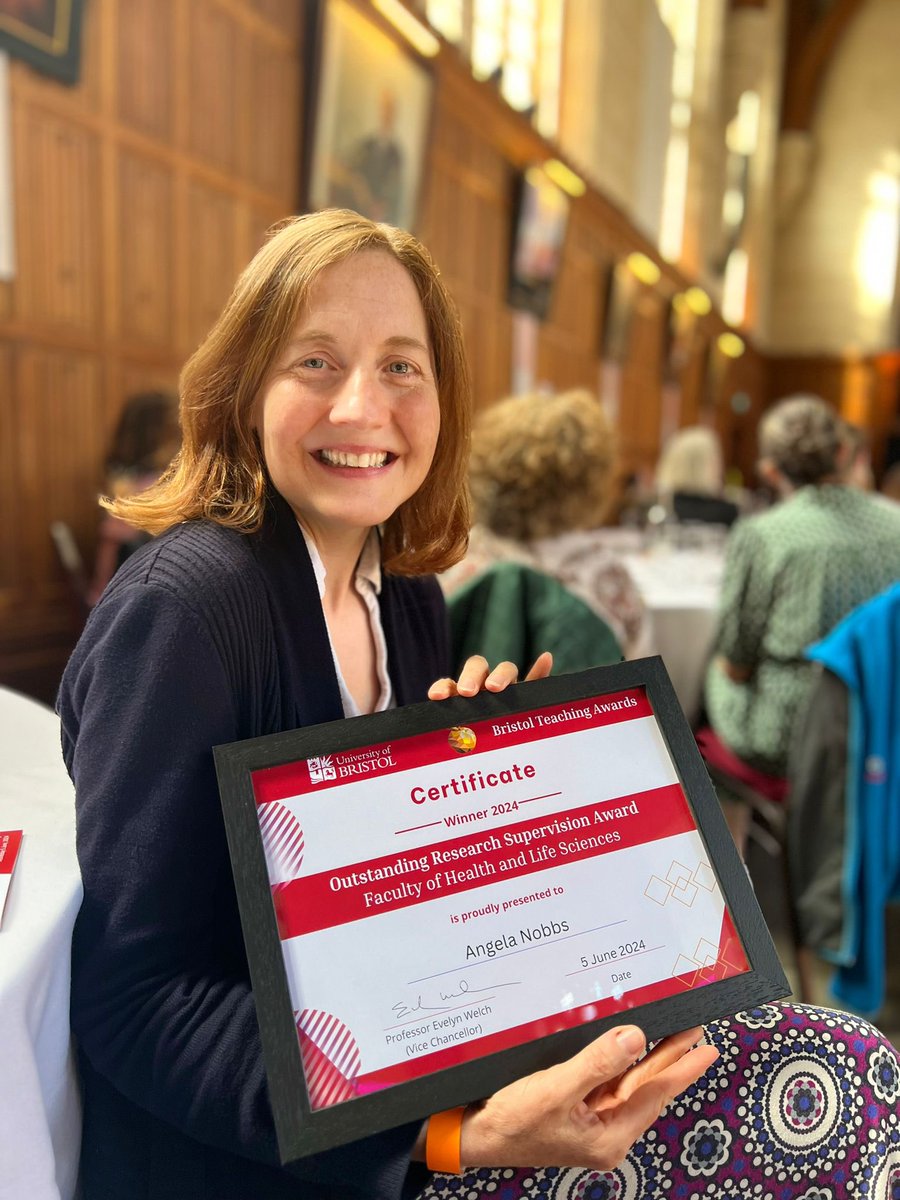
@Brisdental Bristol Dental School Research Away Day being opened by our Research Director Angela Nobbs. A day to showcase the amazing range of research we conduct here in Bristol. @BSODR_UK@IADR@markgormley_@Gormley@yvonnewren @CleftCollective @bgmain1
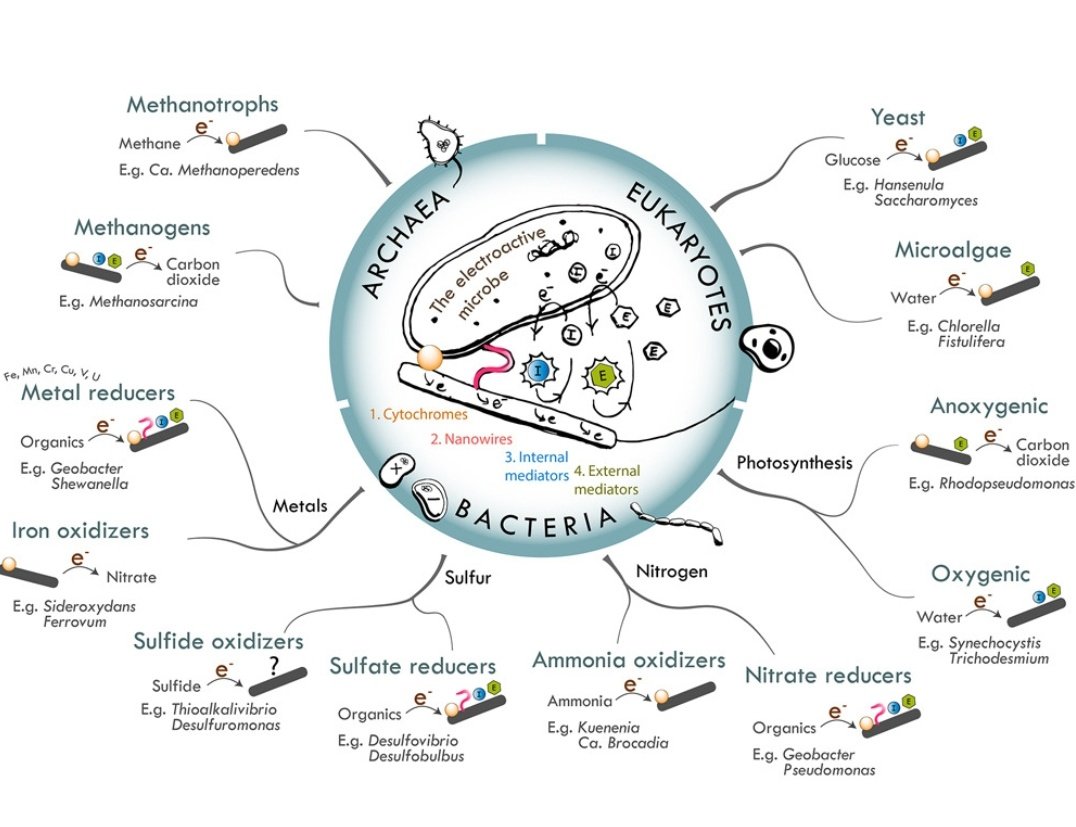
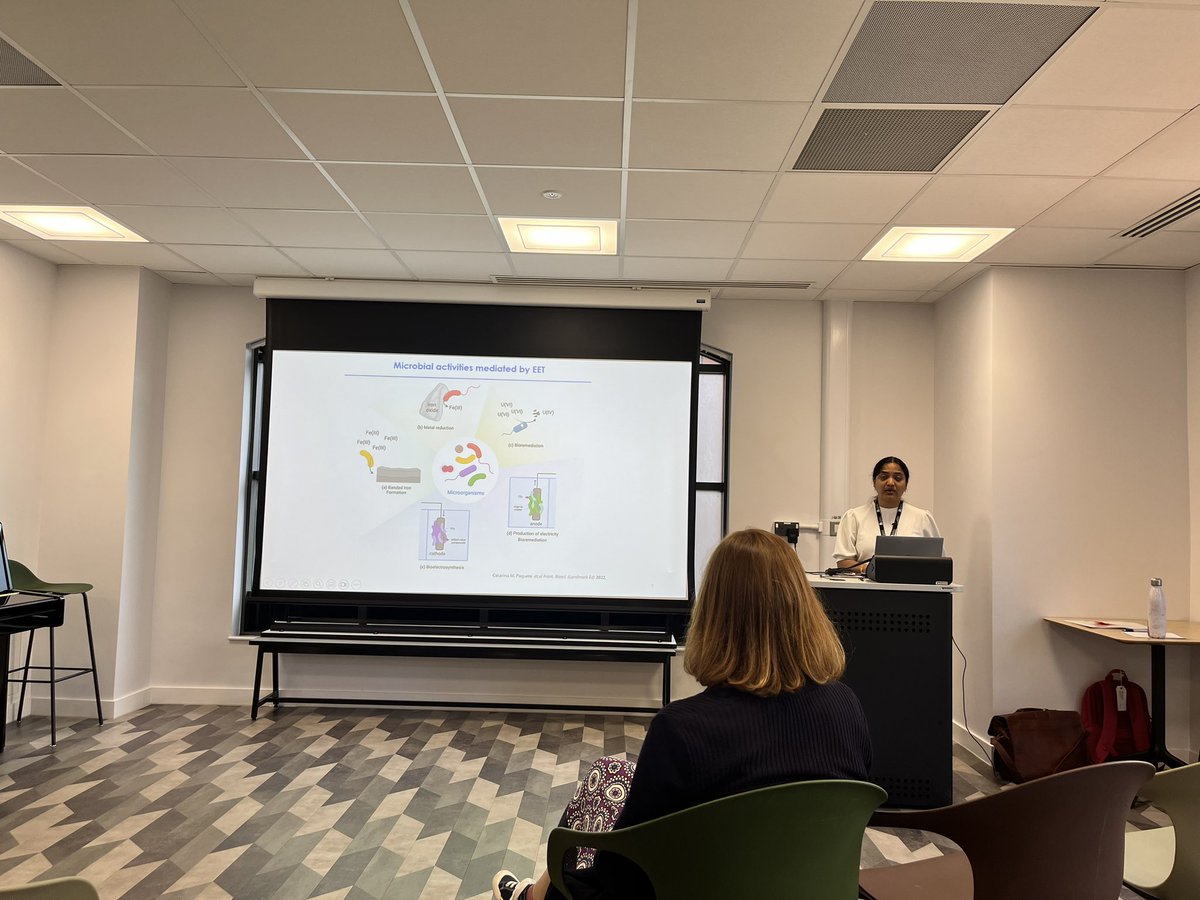
@Brisdental thanks @electricigen for fab talk. Not just dentistry on show here! Hearing about how bacteria can be used to both clean waste water and generate electricity at the same time and uses similar processes that oral biofilms possibly using the to thrive. @BristolUni
Our work on Electrochemical Characterization of Two Gut Microbial Strains Cooperatively Promoting Multiple Sclerosis Pathogenesis https://t.co/Ebye7NXhVx #mdpimicroorganisms via @Micro_MDPI
Here's the thing about AI in biology: it absolutely has revolutionary potential, but any model is only as good as the data it's trained on. And there's a lot we don't know or are simply wrong about in bio.
Want to truly build AI for bio? Invest in basic discovery science.