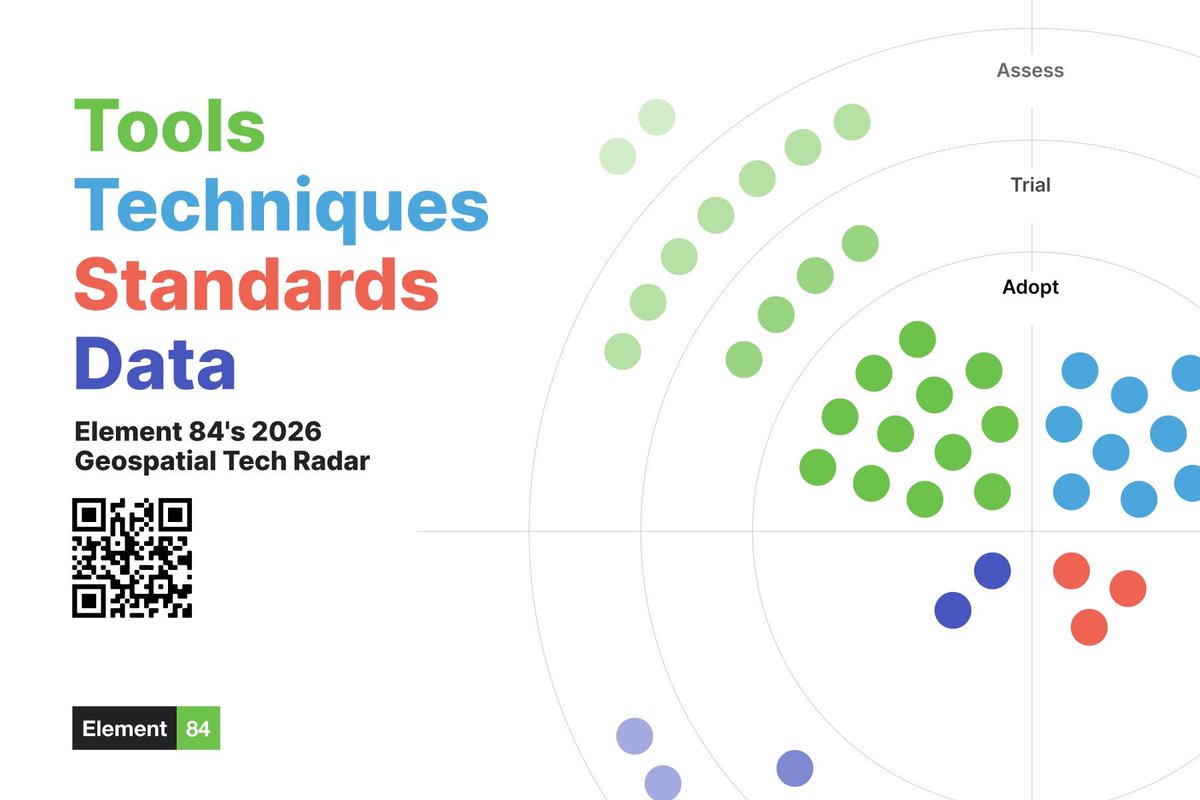
Our 2026 Geospatial Tech Radar is LIVE!!! 🎯
This is our 4th year publishing the radar, and each year we love the opportunity to share our perspectives and start community discussions about new and evolving trends in the geospatial field & beyond.
https://t.co/x9hSbudPWx
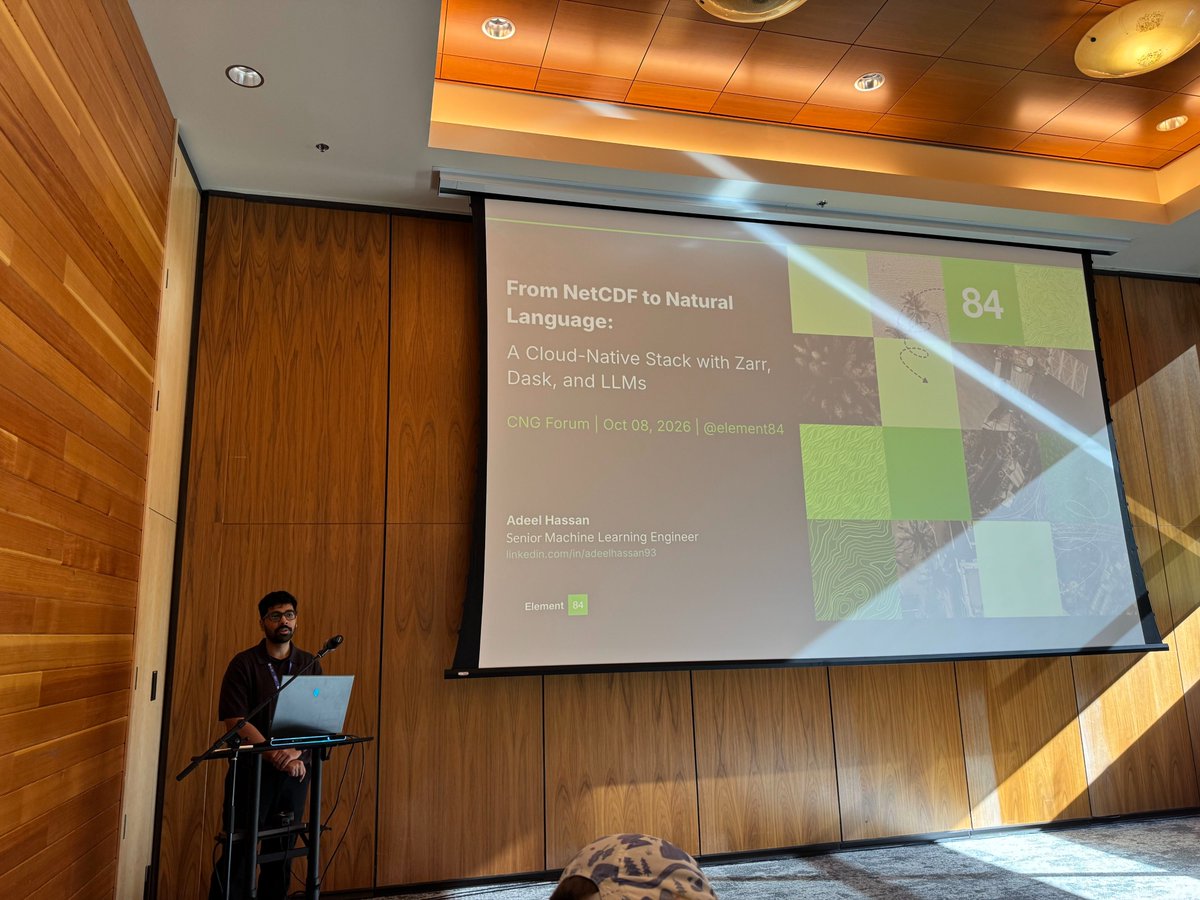
We're back from our conversations, workshops, and hikes in Utah for @cloudnativegeo Forum 2026!
This year's #CNGForum was full of chats about unifying data types and how we can all work to use data more efficiently & effectively. We're excited to continue this work into 2027!
This year's radar reflected three main themes:
💬 Improvements in AI Tooling: Chats & Agents
🔍 The Importance of Provenance
☁️ Refined Tooling for Cloud Native Geospatial Adoption
Read our blog post with our reflections: https://t.co/j4cNdqrICD
Our 2026 Geospatial Tech Radar is LIVE!!! 🎯
This is our 4th year publishing the radar, and each year we love the opportunity to share our perspectives and start community discussions about new and evolving trends in the geospatial field & beyond.
https://t.co/x9hSbudPWx
It's almost time for the 2026 @cloudnativegeo Forum! We have a bunch of talks lined up, and we couldn't be more excited to connect with everyone in Snowbird next week.
If you'll be there, swing by our table and say hello!!
A huge thank you to @jedsundwall and the rest of the #CNG team for allowing us to share about the future of #STAPI & tasking with @opengeospatial! Also, we loved having the opportunity to discuss our recent work with Data2Action in greater depth. (2/2)
https://t.co/nBgXx30lAG
We're still reflecting on all of the great conversations we had last week during #ClimateWeekNYC!
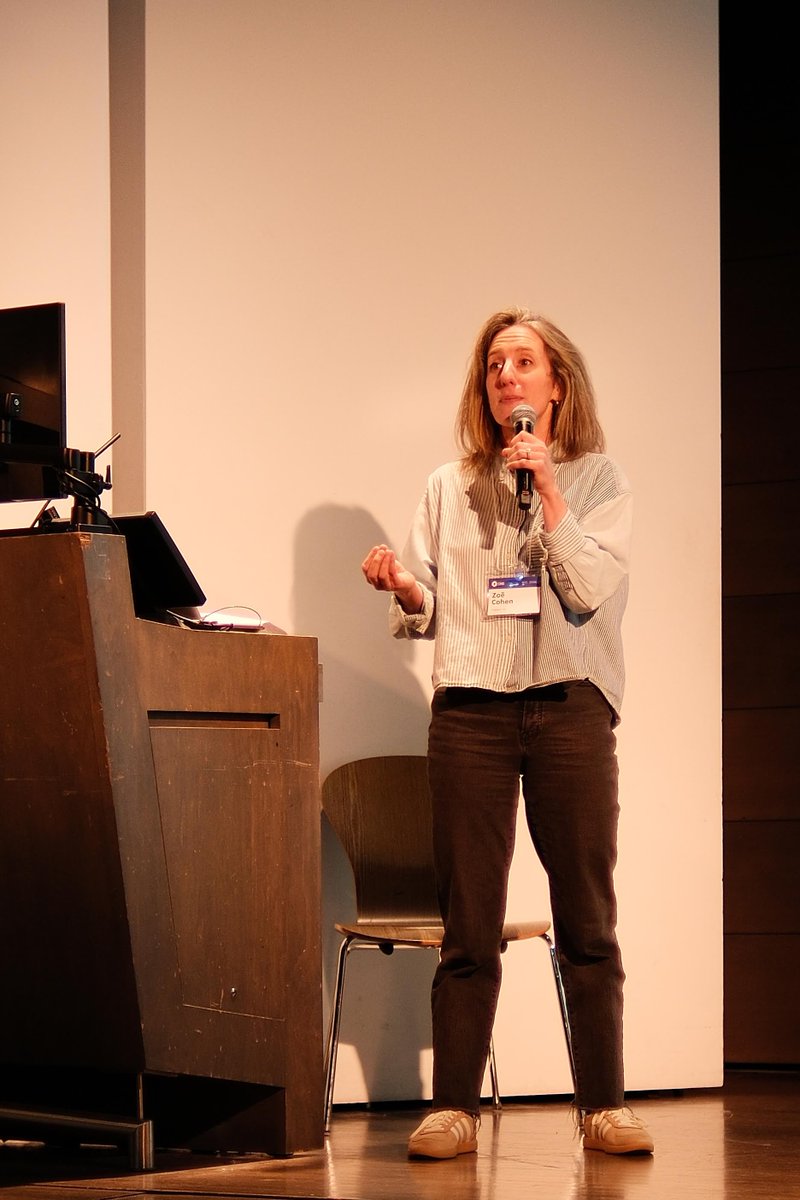
Zoe Cohen and @rajadain had a blast presenting at the @cloudnativegeo event (1/2)
We are headed back to #ClimateWeekNYC! If you'll be there too, reach out to Zoe Cohen and @rajadain to meet up.
We're especially looking forward to the CNG NYC event hosted by @cloudnativegeo.
For more information about the event, visit: https://t.co/nBgXx2ZNL8
We are looking forward to continuing these conversations next month @cloudnativegeo in Utah, and we're excited to contribute to the accompanying @STACspec Maintenance Sprint scheduled for Tuesday 10/6!
With #FOSS4G Hiroshima 2026 in the books, we've been loving hearing Jarrett Keifer's takeaways from his time in Japan!
In addition to #FOSS4G2026, Jarrett attended the latest @STACspec sprint and the @cloudnativegeo Japan event.
🧱 #FOSS4G, sessions emphasized the need for clear provenance & reproducibility.
📈 There is a lot of room for the community to continue to invest in @STACspec, and this event allowed the community to solidify priorities and determine where to invest in the future.
Last week's Responsible Gen-AI for @NASAEarthData hackweek was a hit!
@JasonGilman's highlight: working directly w/ scientists and researchers to help them learn how to use powerful tools -- & putting the right tools directly in users' hands.
More info: https://t.co/3qe7TAlPUC
Hear @danpilone 's thoughts about open data as it relates to AI & Queryable Earth from the 2026 #AIforGood Summit!
Dan is joined by @awscloud's Tonix & Guyu to discuss how standards like the Model Context Protocol turn data ➡️ real world solutions!
https://t.co/kVk3RSXDnq
We are counting down the days to #ClimateWeekNYC 🗽 and looking forward to contributing to this great @cloudnativegeo event!
At the event, @rajadain & Zoe Cohen will be representing E84.
Check out the full agenda here: https://t.co/pio8CQT0Y8
A great day at JAXA 🇯🇵
Attended the STAC workshop and explored the Tsukuba Space Center. Great to see so many familiar faces again, while geeking out cloud native, open standards, and all things STAC
#STAC#JAXA@STACspec@cloudnativegeo@Michelle__Roby@Element84
Next week, @JasonGilman is headed to Seattle for Responsible Gen-AI for @NASAEarthData 2026! We're looking forward to contributing to important conversations surrounding AI strategy and data access.
For more info about the event: https://t.co/eYrUj9vqIL
From 8/25-27, it's #STACspec sprint time! Day 2 will be geared toward data producers, and Jarrett will be presenting, "Running STAC in Production". For the full schedule: https://t.co/a5AIyy4HKt
If you'll be in Japan for these events, let Jarrett know! (2/2)
E84-er Jarrett Keifer is getting read to head to Japan for FOSS4G Hiroshima 2026, and while he's there he has a packed itinerary!
On Monday, 8/24, Jarrett is attending the @cloudnativegeo.org #CNGJapan event to connect with the global CNG network. https://t.co/fN31j047sw
(1/2)
Last week, our team had the opportunity to attend #IGARSS in Washington, DC. We loved having the opportunity to connect with other open data fans, & to hear from users who are employing Earth Search in their research!
It's newsletter time!! ⏰ 📬 In case you missed it, we sent our most recent newsletter update to our mailing list last week.
We covered:
✨ Dan Pilone's thoughts on open data + AI
📆 Conference & presentation schedule preview
💻 Our newest website page
https://t.co/nSyyn1ZtUd