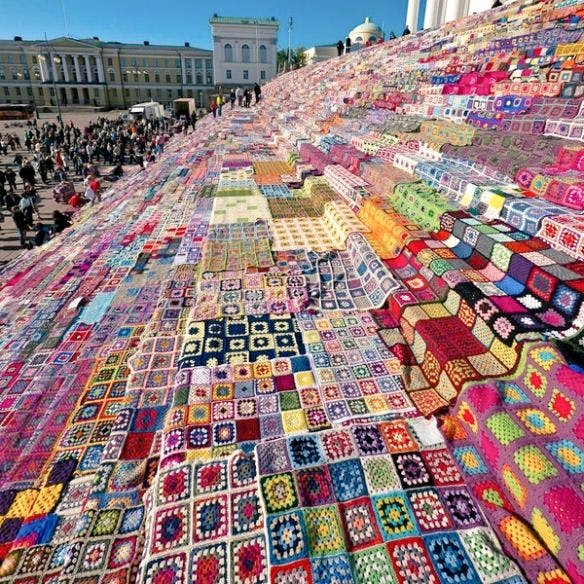
Large-scale yarn bomb at Helsinki Cathedral steps in Finland, 2011. Crocheted squares created 3,800 blankets which were later donated to charity #WomensArt
The massive Rose Window in the south Transept of Chartres Cathedral, with Christ enthroned in Heaven at its centre, dates back to 1224. Over 10.5 metres across (34 ft), it’s just one of more than 170 stained glass windows in the church (photo: PtrQs, Wikimedia Commons)
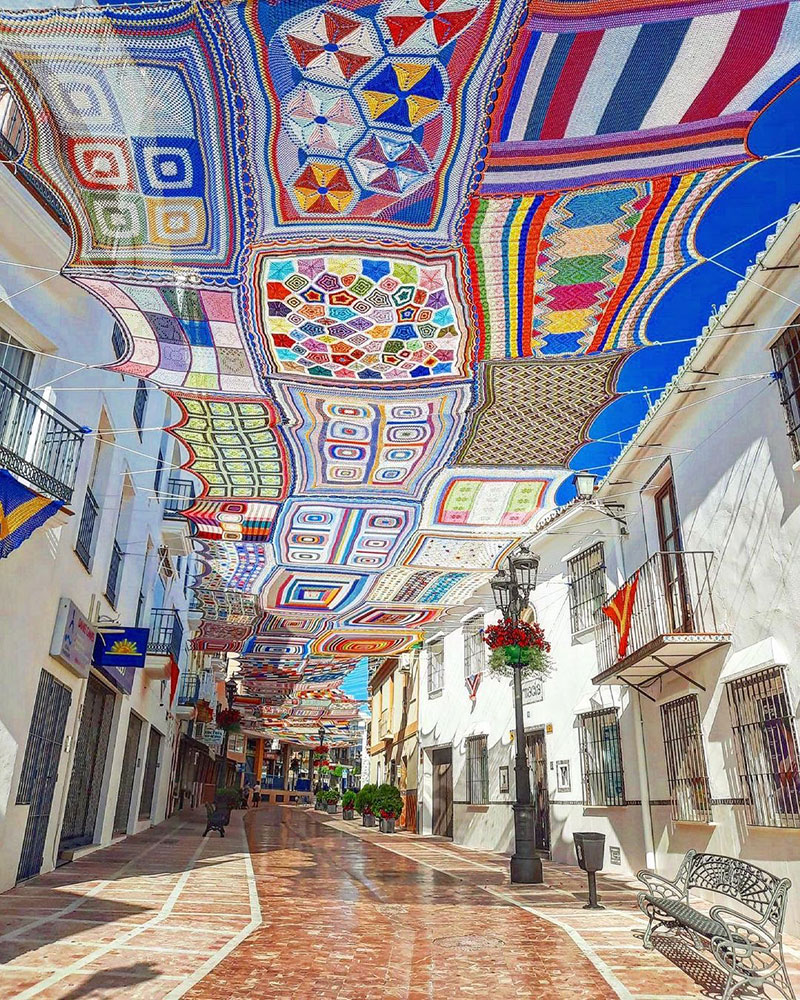
Eva Pacheo, a local crochet teacher and her students in Alhaurín de la Torre, in Malaga, Spain, collaboratively created a massive canopy of patchwork crochet to create shade for their community #WomensArt
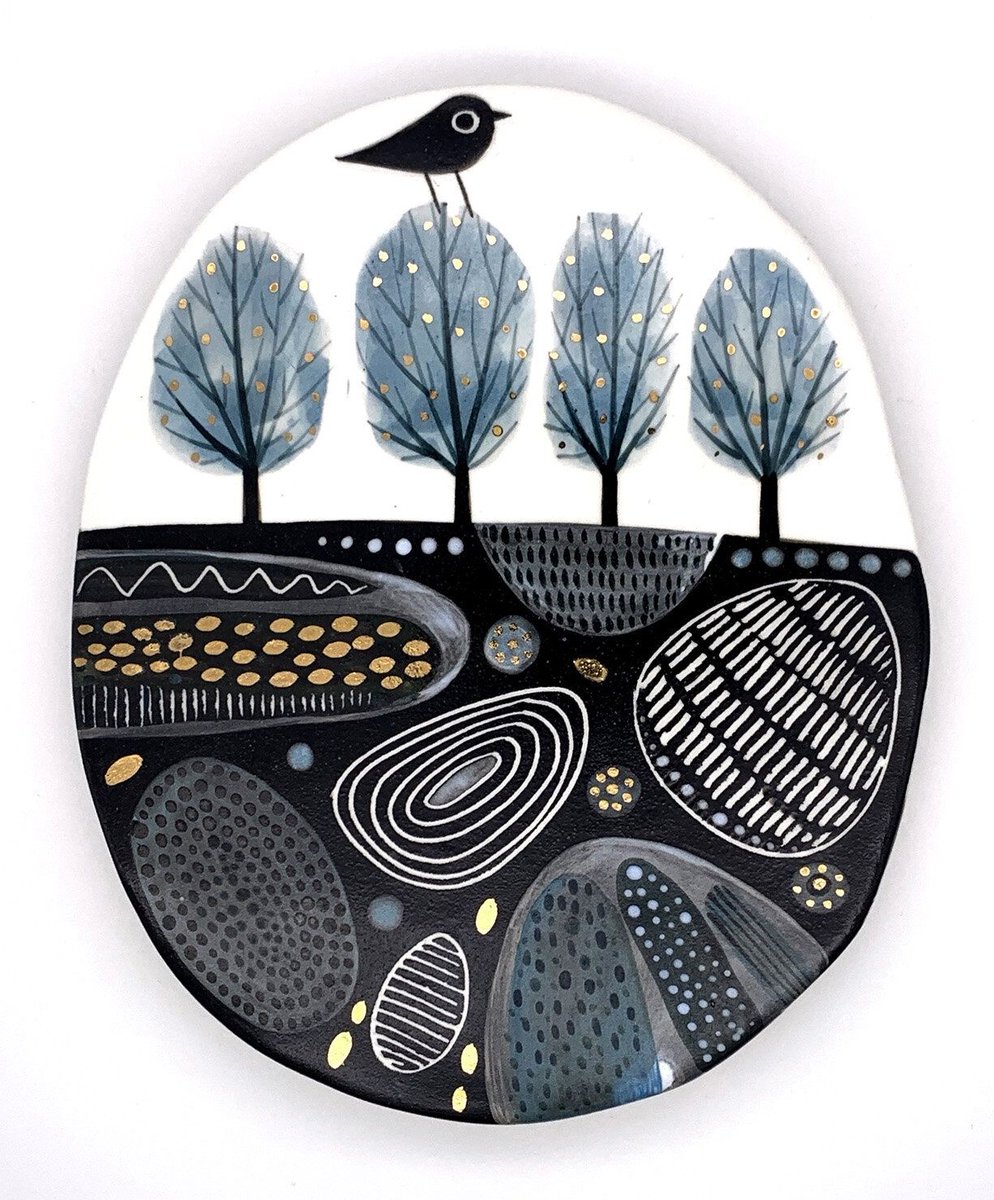
Balder (ᛒᛅᛚᛏᚱ [ˈbɑldz̠]), Norse god of joy, light, and summer sun. He is known for being friendly, attractive, and impervious to harm, though mistletoe proved to be his Achilles’ heel. ✨
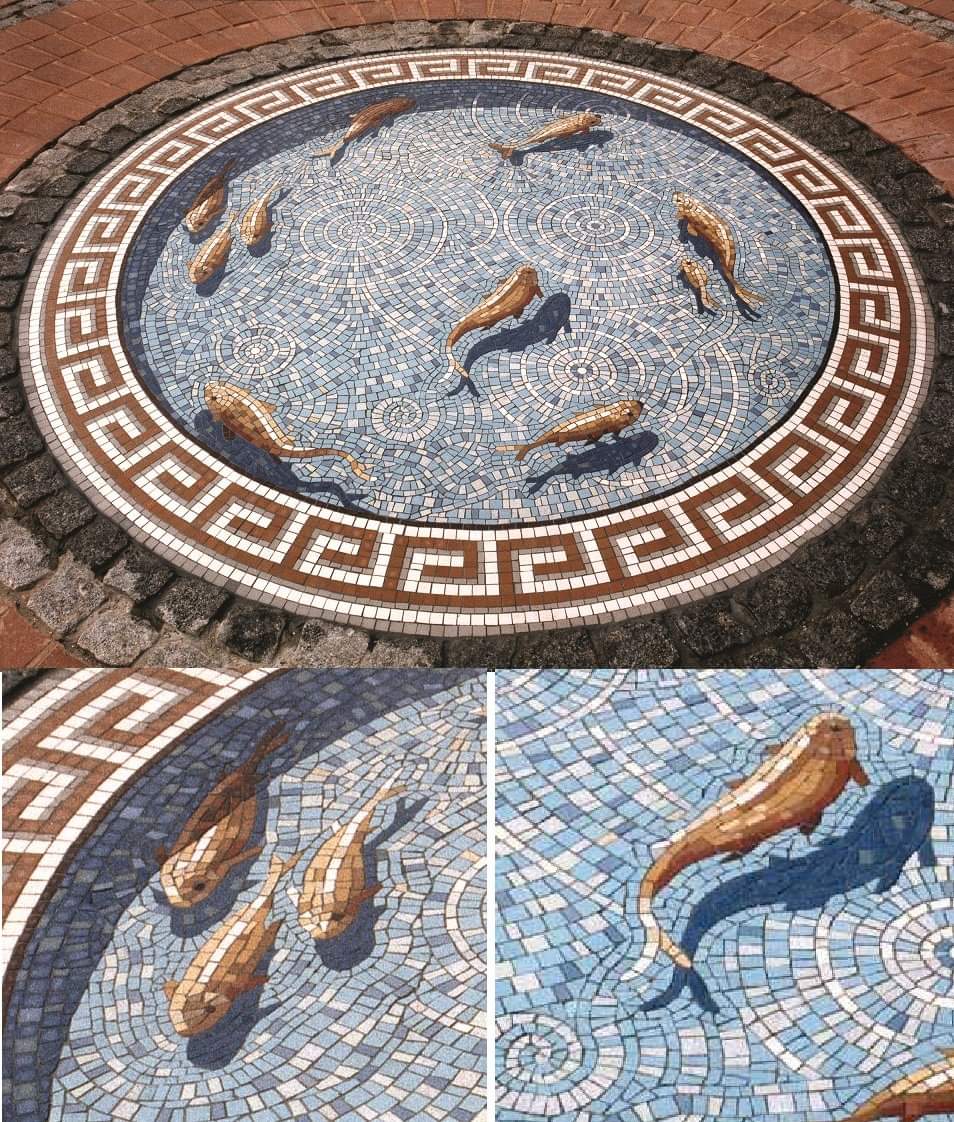
Fish Pond Mosaic by Gary Drostle :
It's made of vitreous ceramic tesserae using a ‘reverse technique’ and measures 2m in diameter. Made for a small public garden in Croydon, Surrey, UK, it won several art awards.
#drthehistories
Possibly the one of the creative Book Covers :
Cover design of the 1946, edition of Edward Gibbon's "The Decline and Fall of the Roman Empire" Volumes.
The book that permanently made me a sadder and wiser man was Edward Gibbons' The Decline and Fall of the Roman Empire. To follow one of the greatest civilizations of all time as it degenerated and fractured, even before being torn apart by its enemies, was especially painful in view of the parallels to what is happening in America in our own times. The fall of the Roman Empire was not just a matter of changing rulers or political systems. It was the collapse of a whole civilization - the destruction of an economy, the breakdown of law and order, the disappearance of many educational institutions. It has been estimated that a thousand years passed before the standard of living in Western Europe rose again to the level it had once reached back in Roman times. How long would it take us to recover from the collapse of Western civilization today -if we ever recovered ?
Gibbon offers an explanation for the fall of the Roman Empire, a task made difficult by a lack of comprehensive written sources.
According to Gibbon, Roman Empire succumbed to barbarian invasions in large part due to the gradual loss of civic virtue among its citizens. He began an ongoing controversy about the role of Christianity, but he gave great weight to other causes of internal decline and to attacks from outside the Empire.
Like other Enlightenment thinkers and British citizens of the age steeped in institutional anti-Catholicism, Gibbon held in contempt the Middle Ages as a priest-ridden, superstitious Dark Age. It was not until his own era, the "Age of Reason", with its emphasis on rational thought, it was believed, that human history could resume its progress.
#archaeohistories
Varieties of Potatoes from South America; eventually there were as many as 5000, different native varieties of Potatoes :
Among many edible crops that emerged at the dawn of modern human civilization and managed to spread across entire world, few managed to distinguish themselves by their ruggedness, storage quality and its nutritional value. Potato, indigenous flowering plants of South America and Andes mountains (modern-day southern Peru and northwestern Bolivia) managed to prove its usefulness to our ancestors, who cultivated it, nurtured it, and ensured its survival during last 10,000 years of our history.
Incans in Peru and parts of Bolivia, were the first to cultivate potatoes around 8000-5000 BC. Ancient civilizations of the Incas used the time it took to cook a potato as a measurement of time. Earliest archaeologically verified potato tuber remains have been found at coastal site of Ancón (central Peru), 2500 BC. Aside from actual remains, potato is also found in Peruvian archaeological record as a design influence of ceramic pottery, often in shape of vessels. The potato has since spread around the world and has become a staple crop in most countries.
In 1536 AD, Spanish Conquistadors in Peru discovered the flavors of the potato and transported them to Europe. It arrived in Europe sometime before the end of 16th Century by two different ports of entry: first in Spain around 1570, and second via British Isles between 1588-1593 AD. At first, the vegetable was not widely accepted. First written mention of potato is a receipt for delivery dated 28 November 1567, between Las Palmas de Gran Canaria and Antwerp. Sir Walter Raleigh introduced potatoes to Ireland in 1589 AD, but it took nearly four decades for the potato to spread to the rest of Europe. In France, at end of 16th century, potato had been introduced to Franche-Comté, Vosges of Lorraine and Alsace. By the end of 18th Century, it was written in 1785 edition of Bon Jardinier: "There is no vegetable about which so much has been written and so much enthusiasm has been shown ... The poor should be quite content with this foodstuff." It wasn’t until Prussia’s King Fredrick planted potatoes during wartime hoping that peasants would start eating them. It had widely replaced turnip and rutabaga by 19th Century. Throughout Europe, most important new food in 19th Century was potato, which had three major advantages over other foods for consumer: its lower rate of spoilage, its bulk (which easily satisfied hunger) and its cheapness. Crop slowly spread across Europe, becoming a major staple by mid-century, especially in Ireland.
Potatoes arrived in colonies in 1620s, when the Governor of the Bahamas sent a gift box containing potatoes to the governor of the colony of Virginia. With the passage of time, it spread throughout the northern colonies in limited quantities, an important part of potato history is when they received an aristocratic seal of approval from Thomas Jefferson, who served potatoes to guests at the White House. Thereafter, the potato steadily gained in popularity, this popularity being strengthened by a steady stream of Irish immigrants to the new nation.
#archaeohistories
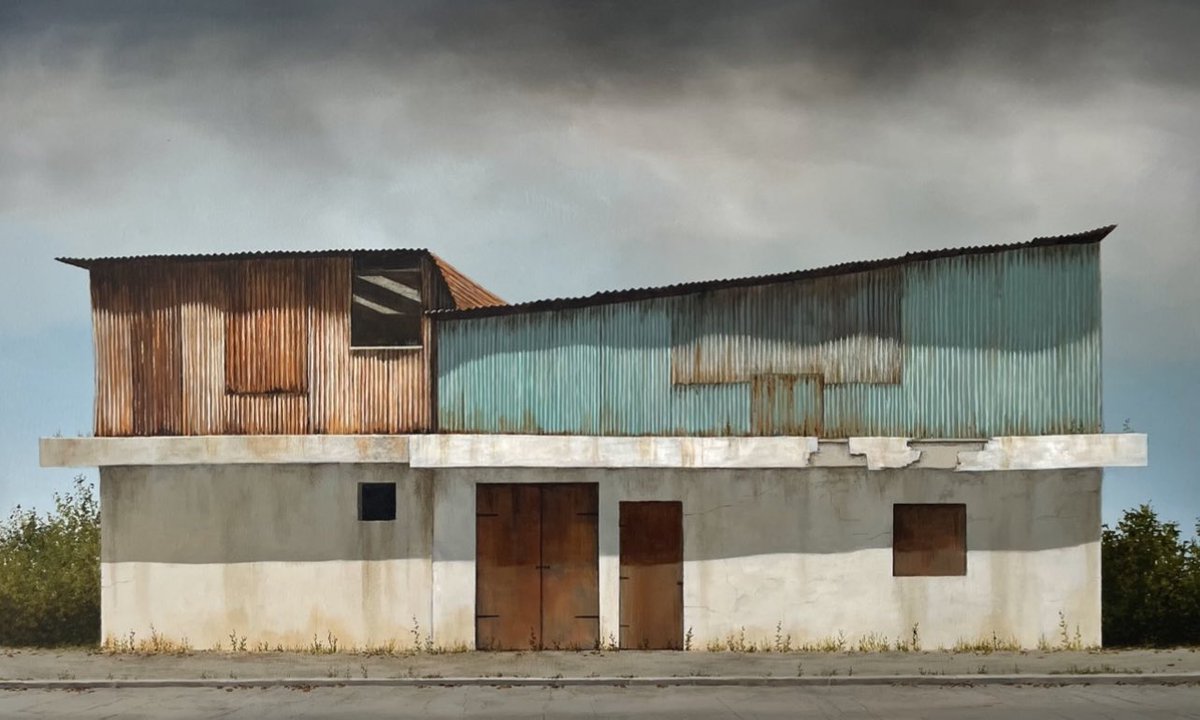
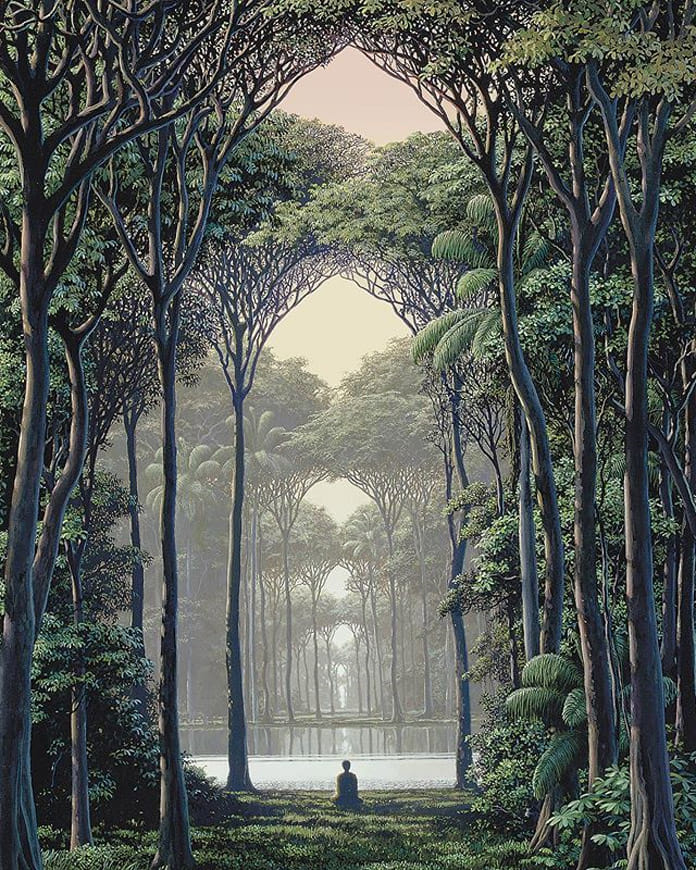
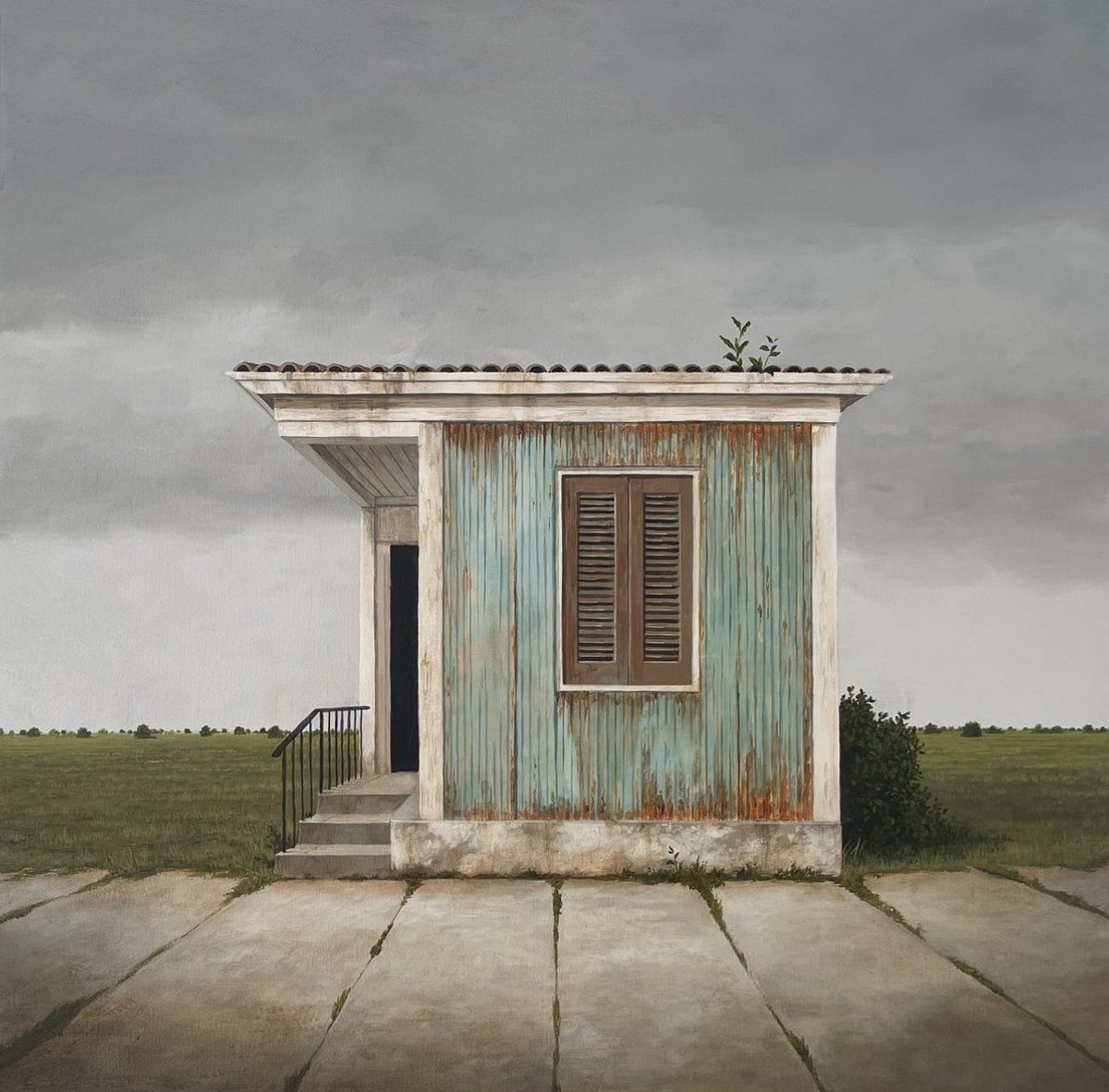
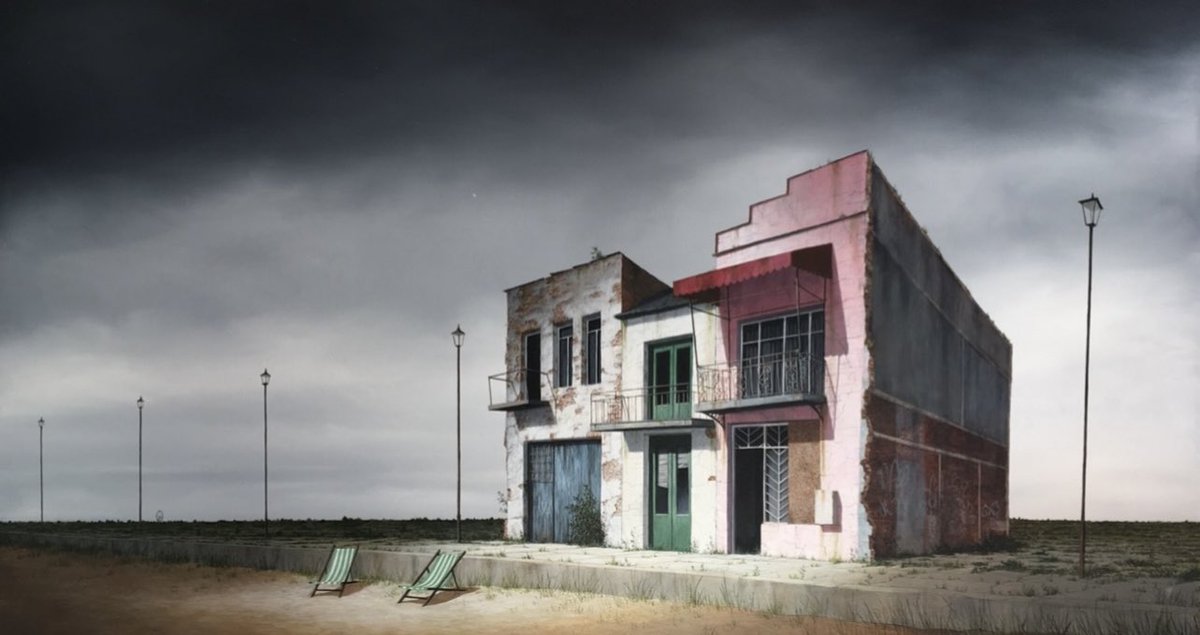
Hi #PortfolioDay, I’m a painter from England. I’m a fan of abandoned buildings and quiet, mildly foreboding landscapes. Here are just four examples. (All oil/acrylic on canvas.)

















![Kerria's tweet photo. Balder (ᛒᛅᛚᛏᚱ [ˈbɑldz̠]), Norse god of joy, light, and summer sun. He is known for being friendly, attractive, and impervious to harm, though mistletoe proved to be his Achilles’ heel. ✨ https://t.co/nhChULy7u3](https://pbs.twimg.com/media/GJHyG0oWQAA6x6u.jpg)