𝗗𝗢 𝗜 𝗡𝗘𝗘𝗗 𝗘𝗚𝗚 𝗜𝗡 𝗠𝗬 𝗥𝗕𝗔𝗕𝗜𝗧 𝗣𝗘𝗟𝗟𝗘𝗧𝗦 𝗣𝗥𝗘𝗣𝗔𝗥𝗔𝗧𝗜𝗢𝗡?
SHORT ANSWER: No, you do not need egg in rabbit pellet ingredients. Rabbits are herbivores, and their pellets should be made mostly from grasses, hay, fiber, and plant‑based proteins. Adding egg (an animal protein) is unnecessary and can even upset their digestive system.
🐇 WHY EGG IS NOT NEEDED IN RABBIT PELLETS
1. Rabbits Are Herbivores
- Their digestive systems are designed for plant matter, not animal protein.
- Egg can cause digestive imbalance and health issues.
2. Pellet Basics
- Good pellets are made from grass or hay as the first ingredient.
- They should contain fiber (14–18%), moderate protein (12–16%), and low fat (<5%).
3. Safe Protein Sources
- Rabbits get protein from soybean meal, alfalfa, groundnut cake, or peas.
- These plant proteins are easier to digest and safer long‑term.
4. Egg Risks
- Too much animal protein can lead to obesity, kidney strain, and digestive upset.
- Rabbits don’t need cholesterol or high fat from eggs.
📊 WHAT TO INCLUDE IN RABBIT PELLETS
- Fiber Base: Alfalfa meal, timothy hay, or meadow grass.
- Energy: Maize, wheat bran, oats, barley.
- Protein: Soybean meal, groundnut cake, sunflower meal.
- Minerals & Vitamins: Salt, calcium (limestone), premixes.
- Optional Additions: Molasses (for binding), herbal supplements.
📸🥕🐇
Keep rabbit pellets plant‑based—hay, grains, and legumes are all they need. Skip the egg, and your rabbits will stay healthier, happier, and more productive.
#RabbitFarming #HealthyFeed #AgroBusiness #FarmLife #BunnyCare
Benefits of Growing Tomatoes in Buckets
1. Space-Saving and Ideal for Urban Areas
Bucket cultivation allows you to grow tomatoes even in small spaces like balconies, patios, or rooftops. It’s perfect for urban gardeners who don’t have traditional garden plots.
2. Controlled Soil Environment
Buckets let you use high-quality, well-draining soil with the right mix of compost and fertilizers. This control reduces soil-borne diseases and ensures optimal nutrition for your plants.
3. Better Drainage and Root Health
Buckets with drainage holes prevent waterlogging, which is a common problem in traditional tomato beds. Healthy roots lead to stronger plants and higher yields.
4. Mobility
Buckets are portable, allowing you to move plants to sunny areas, protect them from extreme weather, or adjust positioning for better light exposure.
5. Reduced Pest and Weed Problems
Growing tomatoes in buckets reduces exposure to weeds and many soil pests that typically affect ground-planted crops. This makes pest management easier.
6. Higher Yield per Plant
With proper care, bucket-grown tomatoes can produce abundant fruits because each plant gets enough nutrients and space in its own container.
7. Ease of Harvesting and Maintenance
Plants are at a convenient height in buckets, making watering, pruning, staking, and harvesting easier compared to field-grown tomatoes.
8. Flexibility for Different Varieties
You can grow determinate or indeterminate tomato varieties in buckets, and even experiment with high-value or specialty types that might need special care.
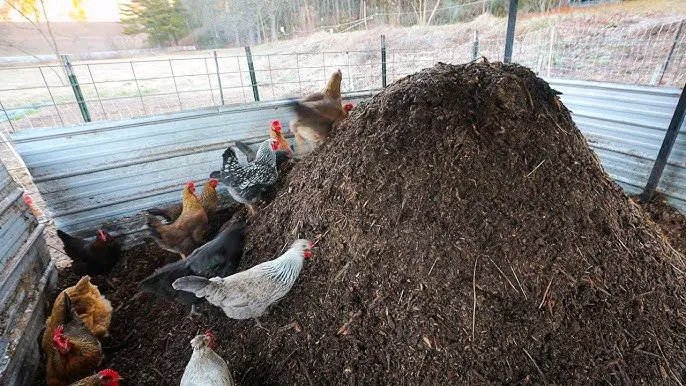
HOW TO USE CHICKEN MANURE IN FARMING (THE RIGHT WAY)
Chicken manure is one of the richest organic fertilizers you can use. It’s packed with nitrogen, phosphorus, potassium, and other micronutrients that improve soil structure, boost plant growth, and increase crop yields — if used correctly.
Here’s how to safely and effectively use chicken manure on your farm:
👉 1. Age the Manure:
Fresh chicken manure contains high ammonia levels that can burn plants.
Always age it for at least 4–6 months before use.
This reduces ammonia, lowers salt content, and makes the nutrients more stable and safe for crops.
👉 2. Compost It for Better Results:
Composting makes chicken manure even safer and more effective.
Mix it with carbon-rich materials like dry leaves, straw, sawdust, or rice husk, keep it moist (not wet), and turn the pile weekly.
Composting reduces pathogens and creates a nutrient-dense, balanced fertilizer.
👉 3. Apply It Correctly:
Once aged or fully composted:
• Spread it evenly on the soil.
• Work it into the topsoil using a hoe, fork, or tiller.
• Best applied before planting (early planting season) or after harvest to enrich the soil for the next cycle.
👉 4. Don’t Over Apply:
Chicken manure is powerful. Too much nitrogen can burn roots, stunt plant growth, and disrupt soil balance.
General guideline: Apply 2–4 kg per square meter or a thin layer, not more than 4–6 cm per year.
For accuracy, run a soil test to know how much your soil actually needs.
👉 5. Be Careful with Potted or Small Plants:
Because it’s very strong, never use raw chicken manure in pots.
If using liquid manure:
Mix 1 part manure to 3 parts water, let it sit for a few days, then apply lightly.
Always test on one plant before applying to all.
.
.
.
When used properly, chicken manure is one of the most effective and affordable ways to improve soil fertility and boost crop production.
Age it, compost it, apply moderately — and your soil will reward you with healthier, stronger, and more productive plants.
Pomegranate is one of the most nutrient-rich fruits.
✔️ Boosts immunity
✔️ Improves heart health
✔️ Great for skin
✔️ Rich in antioxidants
#HealthyEating#FarmFresh
Pomegranate is one of the most nutrient-rich fruits.
✔️ Boosts immunity
✔️ Improves heart health
✔️ Great for skin
✔️ Rich in antioxidants
#HealthyEating#FarmFresh
Today was my tour day, and later I’ll update you on everything I’ve seen from morning till evening. But for now, let me start with this farm I’ve just walked out of at exactly 2:50pm.
This farm deserves to be story number one.
They are producing tomatoes, capsicum, bitter tomatoes, and okra ,and it’s not even far from my own farm. Yes, they have a few challenges here and there, which I’ve already noted and offered to assist with, but let me tell you, they are doing a great job. It’s living proof that food production in The Gambia is possible when you put in the work.
Now let’s come to my favorite part ,money. And allow me to keep it local in Dalasi, then you can convert for yourself.
Tomatoes → 70 Dalasi/kg
Bitter tomatoes → 90 Dalasi/kg
Green pepper (hoho) → 250 Dalasi/kg
Okra → 1500 Dalasi per basin
These are farm-gate prices today, and this farmer is producing over 1,000 kg of each every week.
So my fellow Kenyans,with such prices in The Gambia, do you still want me back home? 😄
Meanwhile, my farm back home is still on sale, just in case someone is feeling philanthropic(kizungu tupu).
~Village-based investor (VBI)