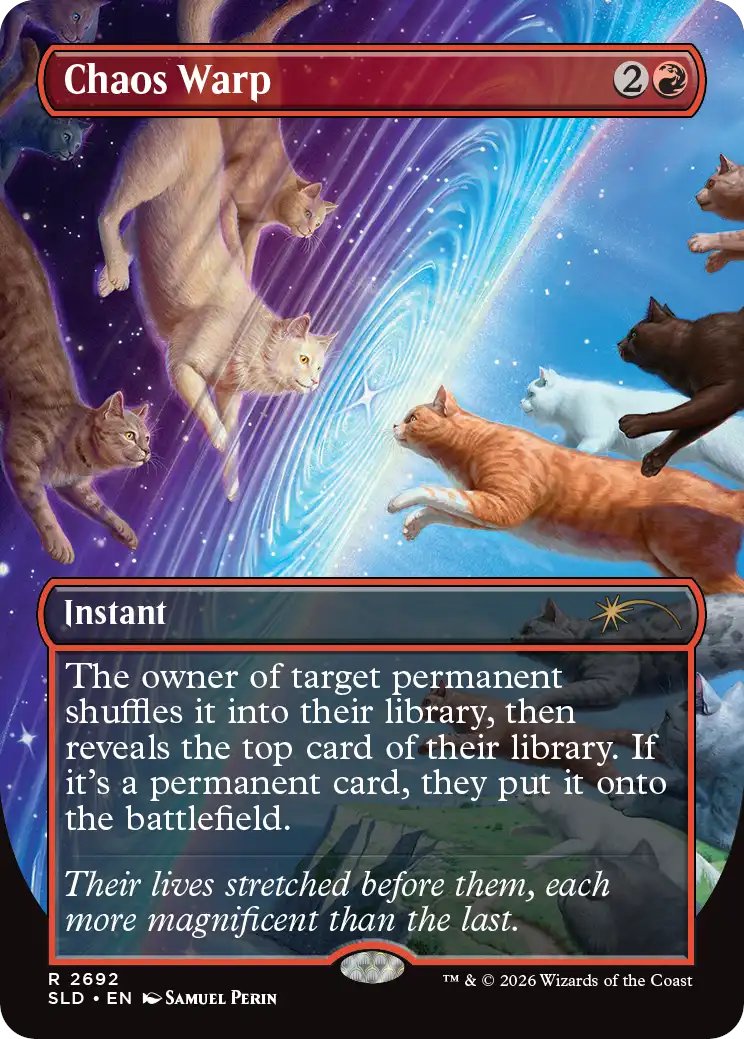
@jor_astudillo@LycanMTG Justo Magda...Depende como la buildees, pero es un mazo que optimizado va a turbo combo y por lo general no quieres robarte las cosas que puedes tutorear a veocidad de instant. Pero tienes a Daretti, Scrap Svant; Raggadragga...opciones hay.
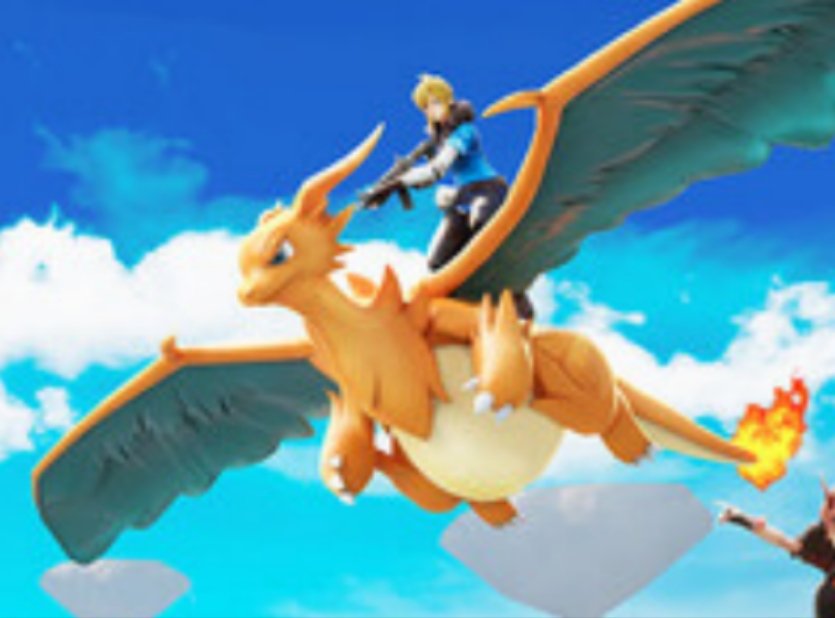
Van a lanzar otra copia de Pokemon, casi más Palworld, de supervivencia y captura de bichos con cartas que se llamará Pickmon.
Hasta ahí bueno, pero los COJONES que hay que tener para meter a Churuzurd me parece ya el descojono máximo
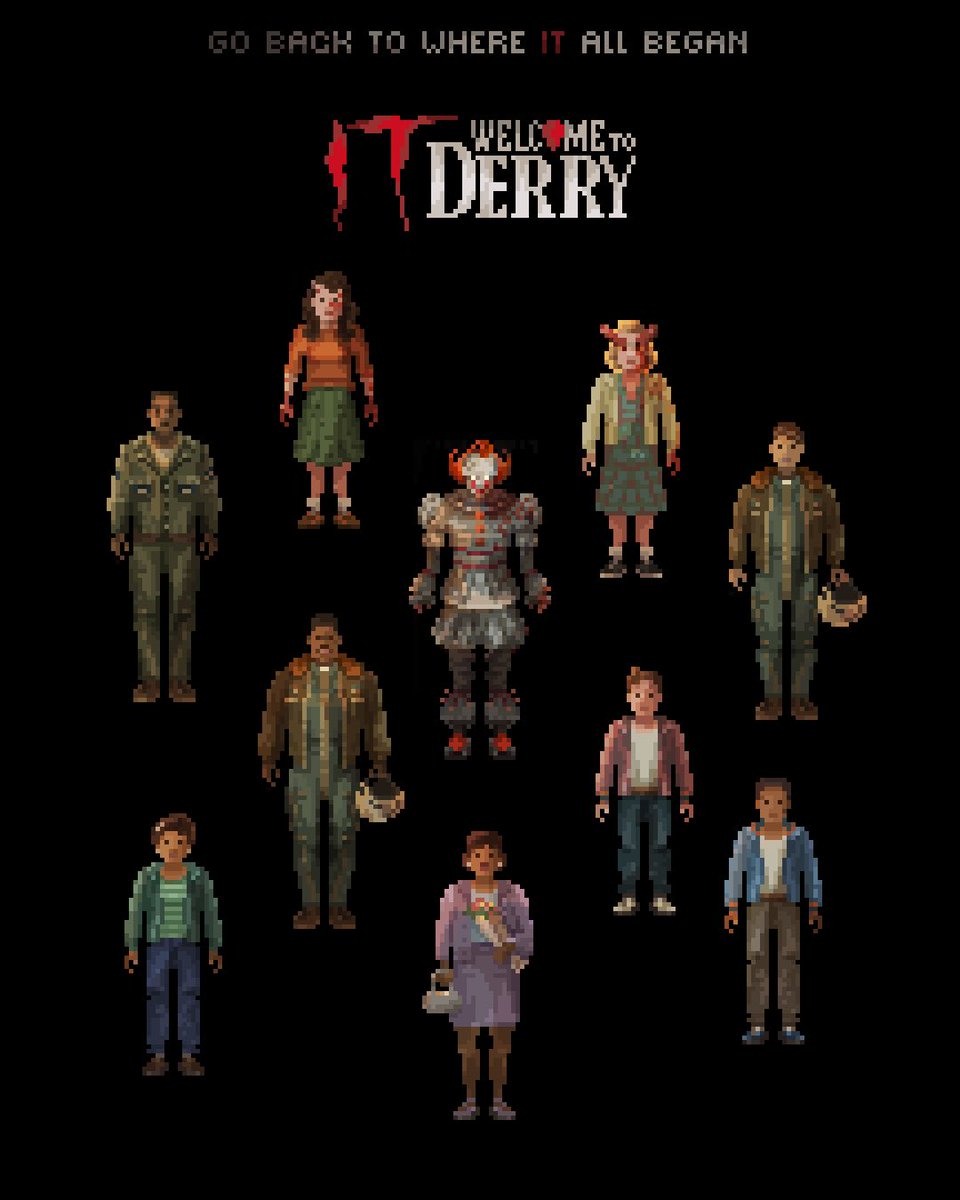
Ya se ha mostrado a la prensa el episodio final de la primer temporada de 'It: Welcome to Derry', y es descrito como un final lleno de sorpresas y un nivel de horror estilo Game of Thrones. Además de confirmar que el episodio durará más de una hora.
El episodio 8 llegará a HBO Max este domingo, después tendremos que esperar dos años para volver a ver a Bill Skarsgård como Pennywise.
I chose the green door ninety-three days ago.
At the time, it seemed obviously correct. Not even a close call. The red door offered two billion dollars immediately—a sum so large it would solve every material problem I'd ever face, fund any project I could imagine, and still leave enough to give away amounts that would meaningfully change thousands of lives. But two billion is a number. It has a fixed relationship to the economy, to the things money can buy, to the world.
The green door offered one dollar that doubles every day.
I remember standing there, doing the mental math. Day 30: about a billion dollars. Day 40: over a trillion. Day 50: a quadrillion. The red door would be surpassed before the first month ended, and after that, the gap would grow incomprehensibly fast. Choosing the red door would be like choosing a ham sandwich over a genie's lamp because you were hungry right now.
So I walked through the green door.
The first few weeks were unremarkable. I had a dollar, then two, then four. By day ten I had $512, which felt like finding money in an old jacket. By day twenty I had over a million, and I started getting calls from financial advisors I'd never contacted. By day thirty-one I had crossed the two-billion threshold—officially richer than I would have been behind the red door.
I didn't understand what was happening until around day sixty.
The money, you see, had to exist somewhere. Not philosophically—I mean physically. Digitally. When I checked my bank balance, a computer somewhere had to store that number. And storing the number 2^n requires n bits.
One bit per day. That's it. That's the rate at which my fortune's representation grows. A linear function. Almost comically modest.
But here's what I'd failed to understand about exponential growth: the value doesn't care about the representation. The bits grow linearly. The dollars they encode grow exponentially. And dollars make claims on the physical world.
Day sixty. My balance: 2^60 dollars. About 1.15 quintillion. Roughly 1,000 times the entire global GDP. The number itself required only 60 bits to store—less than a tweet, less than this sentence, trivially small from an information-theoretic perspective.
But money is not information. Money is a claim.
The calls started coming from the Treasury Department. Polite, confused, increasingly frantic. They explained that the M2 money supply of the United States was approximately 21 trillion dollars. I now held about 15,000 times that amount. When I tried to spend any of it—even a tiny fraction—the transaction represented a claim on more goods and services than the entire human economy had ever produced in its history.
"The number in your account," a Treasury official said, "is not meaningful."
"It's in your computer," I replied.
"The computer," she said carefully, "does not understand what the number represents."
Day seventy-five. 2^75 dollars. I could purchase—in principle—roughly 350 million copies of the entire Earth's annual economic output. The representation remained elegant: 75 bits. Nine and a half bytes. I could write my net worth on a Post-it note in binary.
But representations aren't wealth. Wealth is factories, farmland, human labor, time, attention, atoms arranged into useful configurations. And I had laid claim to more atoms than existed.
This is where it gets strange.
The global financial system is, at its core, a system of ledgers. Distributed, reconciled, audited. When the Federal Reserve's systems recorded my balance, and Chase's systems recorded my balance, and the IRS's systems recorded my balance, those numbers had to match. And they did match—trivially, easily, using a handful of bytes each.
But then the systems tried to do things with the number.
Calculate taxes owed. Assess systemic risk. Determine what fraction of GDP was held by a single individual. Run inflation models. Price assets in a market that now included a participant with claims exceeding the value of all other claims combined.
Day eighty-two. The S&P 500 became undefined. Not zero, not infinity—undefined. My proportional ownership of the market, if I chose to exercise it, exceeded 100%. The shares I could theoretically purchase outnumbered the shares that existed. Financial models divide by market cap; market cap now included a term that broke the arithmetic.
Day eighty-five. The International Monetary Fund published a paper titled "On the Representability of Post-Scarcity Claims." It concluded that exchange rates could no longer be calculated because the dollar itself had become paradoxical—simultaneously the world's reserve currency and a unit of measurement that had lost all meaning.
My balance on day eighty-five: 2^85 dollars. Still just 85 bits. About ten and a half bytes.
The representation remained trivial. The reality it pointed to had become impossible.
Day ninety. I tried to buy a coffee.
The transaction failed. Not because of insufficient funds, not because of a technical error, but because the payment system could not determine a meaningful exchange rate. My card represented a claim on approximately 10^27 dollars. The coffee cost $4.50. The ratio between these numbers—the percentage of my wealth the coffee would cost—was so small that it rounded to zero in every floating-point system on Earth. I could not pay because the act of payment required representing a number smaller than any computer could distinguish from nothing.
I offered to pay in cash. I had a twenty.
The barista looked at me like I'd offered to pay with a seashell.
"Where did you get physical currency?" she asked.
That's when I realized: I had broken cash too. The Treasury had stopped printing bills three weeks earlier. Why maintain physical currency when one account holder could—at any moment—claim more dollars than had ever been printed in human history? The symbolic relationship between paper and value had always been a polite fiction, but my existence had made the fiction impossible to maintain.
Day ninety-three. Today.
My balance is 2^93 dollars: approximately 10^28. About 10 billion times the estimated value of all assets on Earth. The representation requires 93 bits. Twelve bytes. Smaller than my name.
The economy hasn't collapsed, exactly. People still trade, still work, still produce. But they've stopped using dollars. They've had to. A currency in which one person holds virtually infinite units is not a currency at all—it's a monopoly ticket that everyone has silently agreed to stop playing with.
I keep thinking about what money actually is. It's not the bits. The bits are trivial; they always were. It's not even the paper or the gold or the entries in a ledger. Money is a shared agreement about who has claims on what. A story we tell together about value and exchange and debt.
I broke the story.
Not through violence, not through fraud, not through any action more dramatic than walking through a door and watching a number tick upward. Just by existing. Just by holding a claim that grew faster than the world's ability to honor it.
The red door offered two billion dollars. A large but finite claim. A claim that fit within the story, that could be exchanged and spent and taxed and inherited. A claim the world could accommodate.
The green door offered something else entirely: a claim that would grow until it consumed all other claims, until the very concept of claiming became incoherent.
I still have the 93 bits. They're sitting on a server somewhere, humming along, doubling quietly at midnight. By next week they'll represent more dollars than there are atoms in the observable universe.
And I still can't buy a coffee.
Mis primeras impresiones tras ver el episodio 5 de #ITWelcomeToDerry (con spoilers):
EL ESPERADO MOMENTO LLEGÓ Y, MENUDA BARBARIDAD. 🤯
La catarsis narrativa llega en este episodio, todo lo que se ha estado construyendo previamente a este episodio, el argumento que nos han dado del pasado, la historia de como "Pennywise" o "It", llega a la tierra, toda esa construcción explota aquí y de que manera... Que maravilla de episodio, por Dios. Para cualquier fan del terror, esto es un regalo y, me atrevería a decir, que es uno de los mejores productos de terror del año y, a nivel televisivo, en su género, es de lo mejor que he visto en esta presente década.
Las escenas de terror son una bestialidad, te erizan la piel y te ponen un muy cuerpo, la banda sonora es TREMENDA, Benjamín Wallfisch está haciendo otro trabajo memorable, la dirección también me ha parecido bestial, todo este conjunto recrea una atmósfera terrorífica y una cuerda super tensa que se mantiene en todo el acto final de una manera sorprendentemente buena.
Todo el "Lore" de Pennywise, la historia que tienen el general y su amiga de la infancia Rose, todo lo que trasciende su historia pasada en el propio presente, hasta intentar combatir muchos años después a su tormento del pasado que siempre vuelve para devorar. Ambos bandos están muy bien narrados y se entiende perfectamente la posición de cada uno. El general Francis quiere controlarlo y domarlo, mientras Rose quiere mantenerlo alejado porque sabe que es incontrolable (Pennywise).
Todos los actores son fabulosos, todos los niños están geniales y, de nuevo, impresionante Hallorann, interpretado por Chris Chalk, que en casa escena que sale se come la pantalla. Tiene una expresividad impresionante, ves el terror y el trauma en su cara y te la transmite a través de la pantalla de una manera escalofriante.
Me he equedado completamente loco con como se ve Pennywise y lo bien hecho que está, me atrevería a decir, que lo que se ve en este episodio de él, se ve mejor que incluso las propias películas. El maquillaje, el color del pelo, la vestimenta, me ha fascinado la estética. Lo he sentido como más colorido y visual, las partes en las que se transformae parecen una locura. Cuando va a por Lilly, como se siente esa escena, te cagas en los pantalones y, como se ve el CGI cuando va cambiando y deformando las caras, es una BESTIALIDAD. Me he quedado a cuadros, porque en la serie en general, se ve muy bien, pero hay momentos que se nota el CGI, pero es que he sentido y he visto el cgi perfecto e impecable, y como digo, a Pennywise lo he visto con más color, me ha flipado como se veía.
La dirección de las escenas, como los planos, le dan poder y dominancia a Pennywise, sin si quiera salir en el plano es impresionante, junto a una banda sonora que infunde pavor, logran crear unas escenas apabullantes de terror.
En definitiva el episodio 5 de #ITWelcomeToDerry es esperadísima regreso de Pennywise o It (en la forma que popularmente conocemos) por todo lo alto, con una construcción super solida previa y un desencadenante memorable y APABULLANTE.
#ITWelcomeToDerry es cine de terror en estado puro, agradecido de vivir esta serie.
Me ha fascinado.
Mi nota en caliente: 8,5/10 🧐
Lo que deja claro el episodio 4 de #ITWelcomeToDerry es que la serie se va a meter hasta el fondo del Macroverso, con lo que, además de plantearse de verdad como una serie de horror cósmico a escala inédita, se va a adelantar a la TORRE OSCURA de Mike Flanagan. Ese lore indígena.
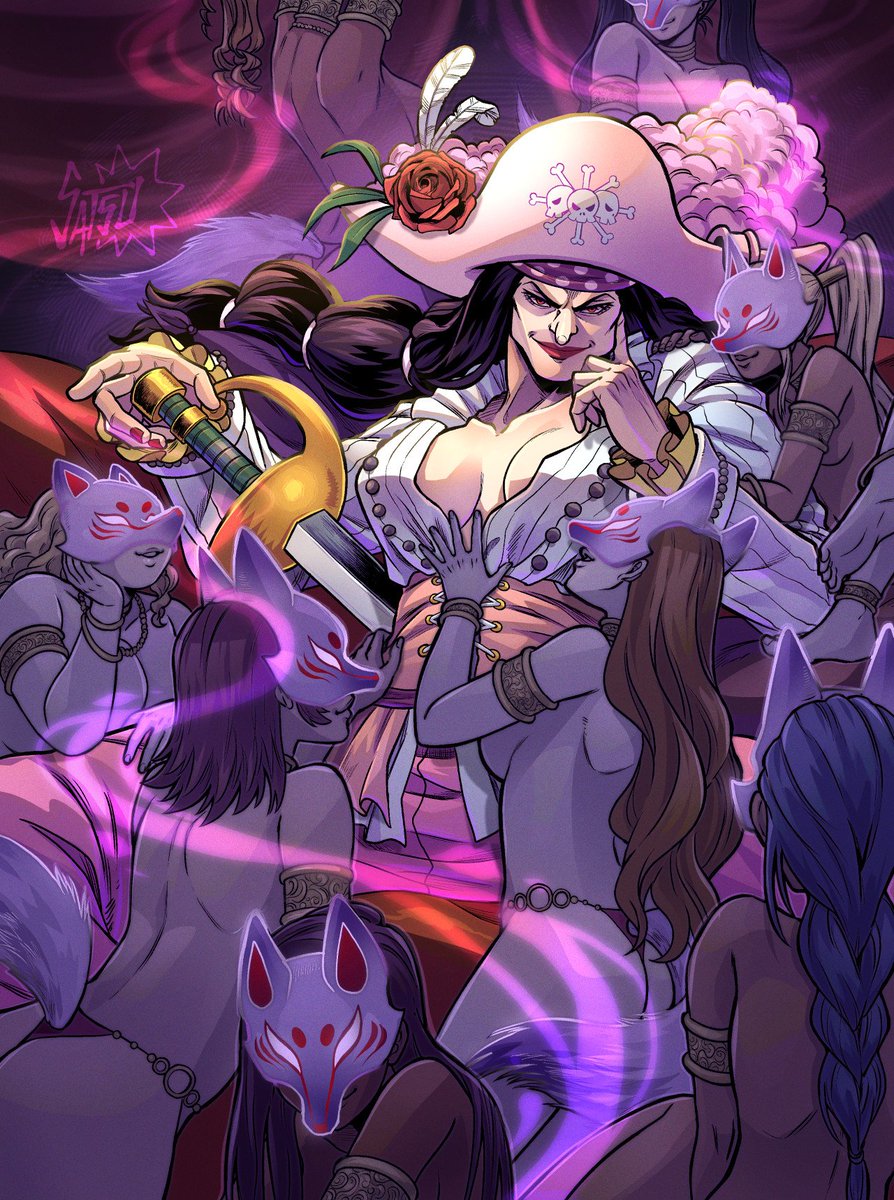
I think it's intentional that the strongest people in the world were there but the ones that actually saved others were a 17 year old rookie marine and a couple of slave kids. It shows that helping others and being a hero isn't about strength but bravery and kindness.