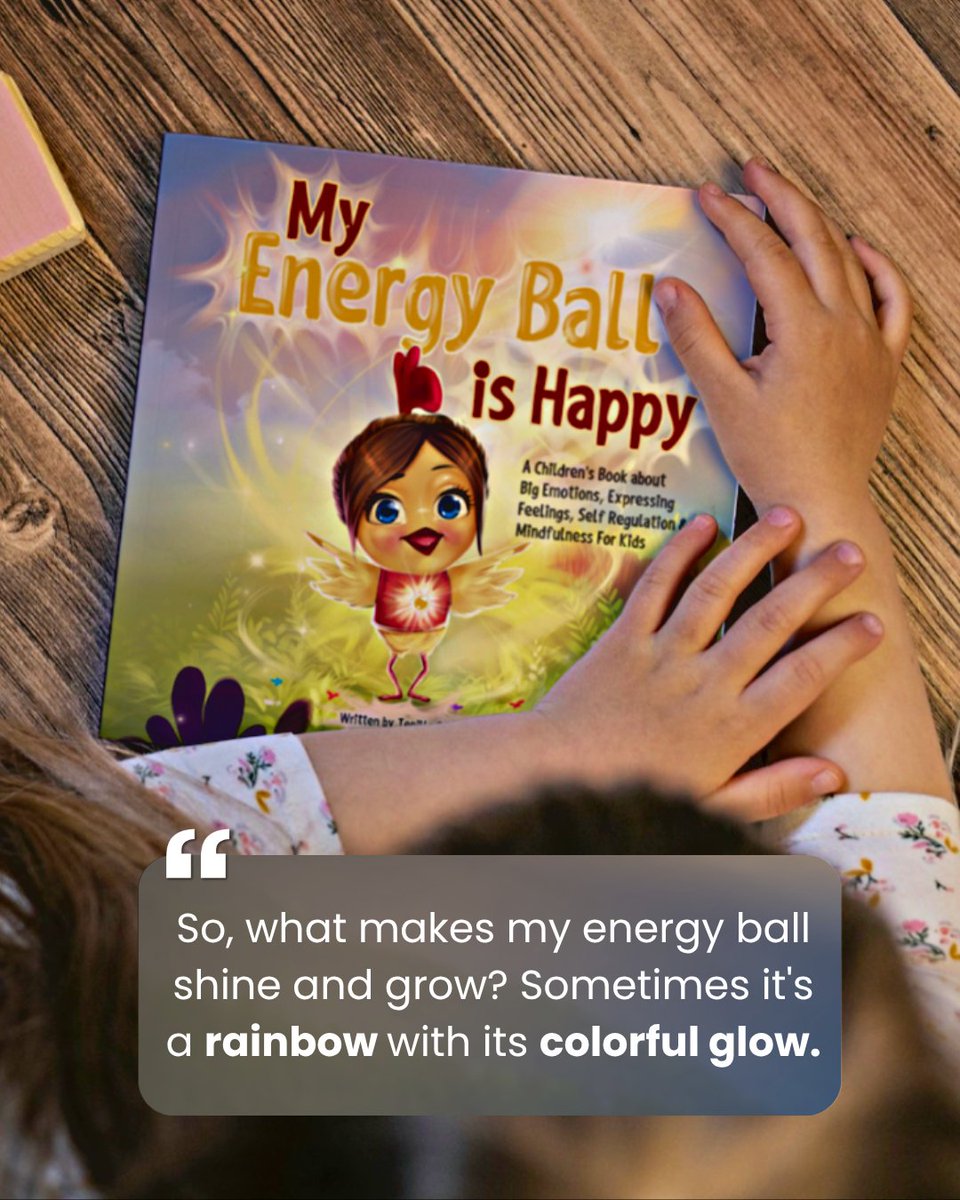
✨ Every child has a light inside them — and their energy ball helps it shine. 🌈
My Energy Ball Feels Happy teaches kids how gratitude and joy help their feelings grow bright.
📘 Read it with your little one—grab your copy today!
https://t.co/iqRFZyfkAb
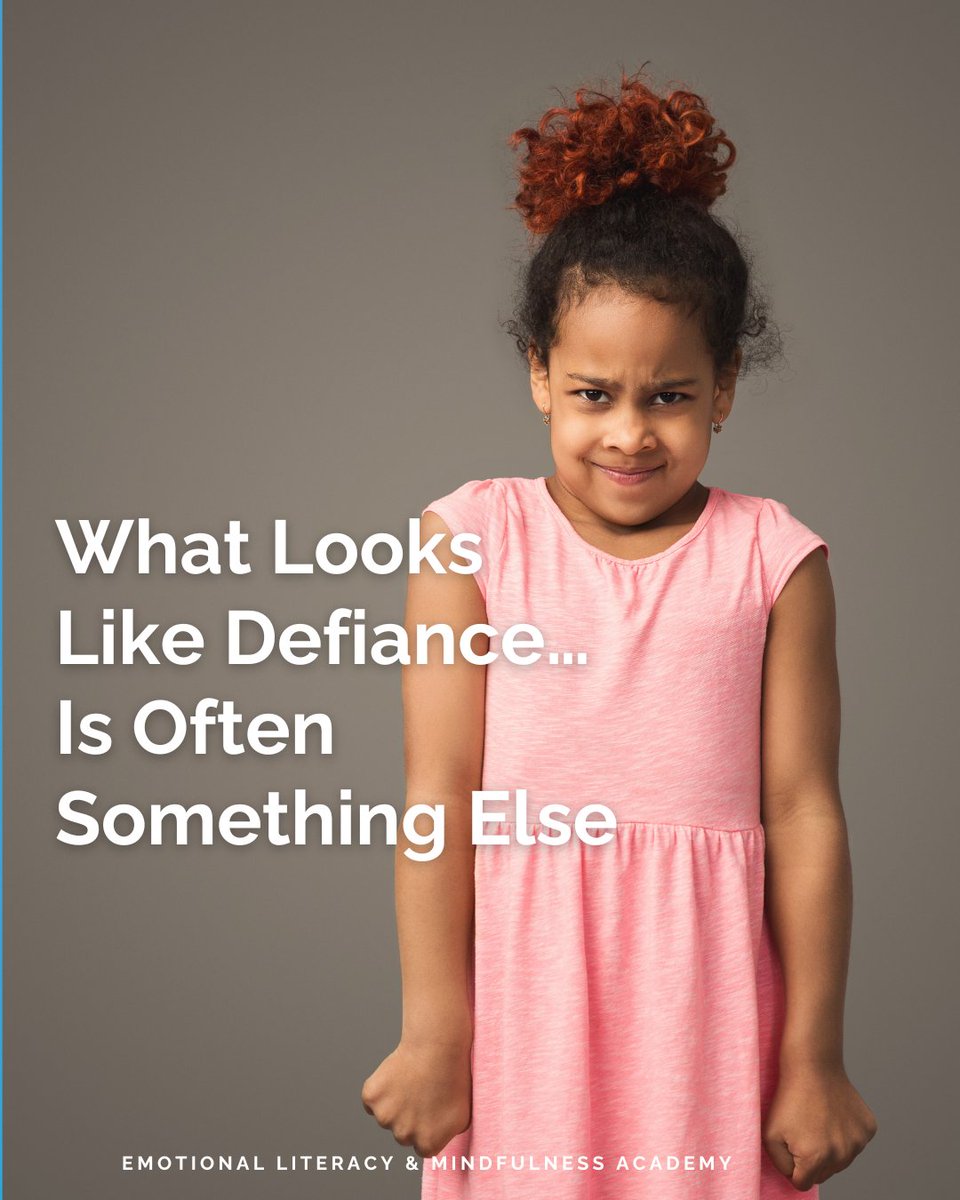
When a child throws something or shouts “no,” they’re not trying to misbehave.
They’re trying to be understood — without the words yet to explain why.
The ELMA Emotional Literacy Program helps children name their feelings, regulate their bodies, and connect with care.
Home is the first classroom. The way we teach emotional safety and connection in our homes sets the tone for everything that follows.
Remember as educators to encourage your parents to get the at home program, if you don't know the link to send them just comment HOME below.
Emotional intelligence isn’t instant — it’s built moment by moment through presence and awareness.
Each mindful pause helps us understand ourselves and others a little more.
How were you present today?
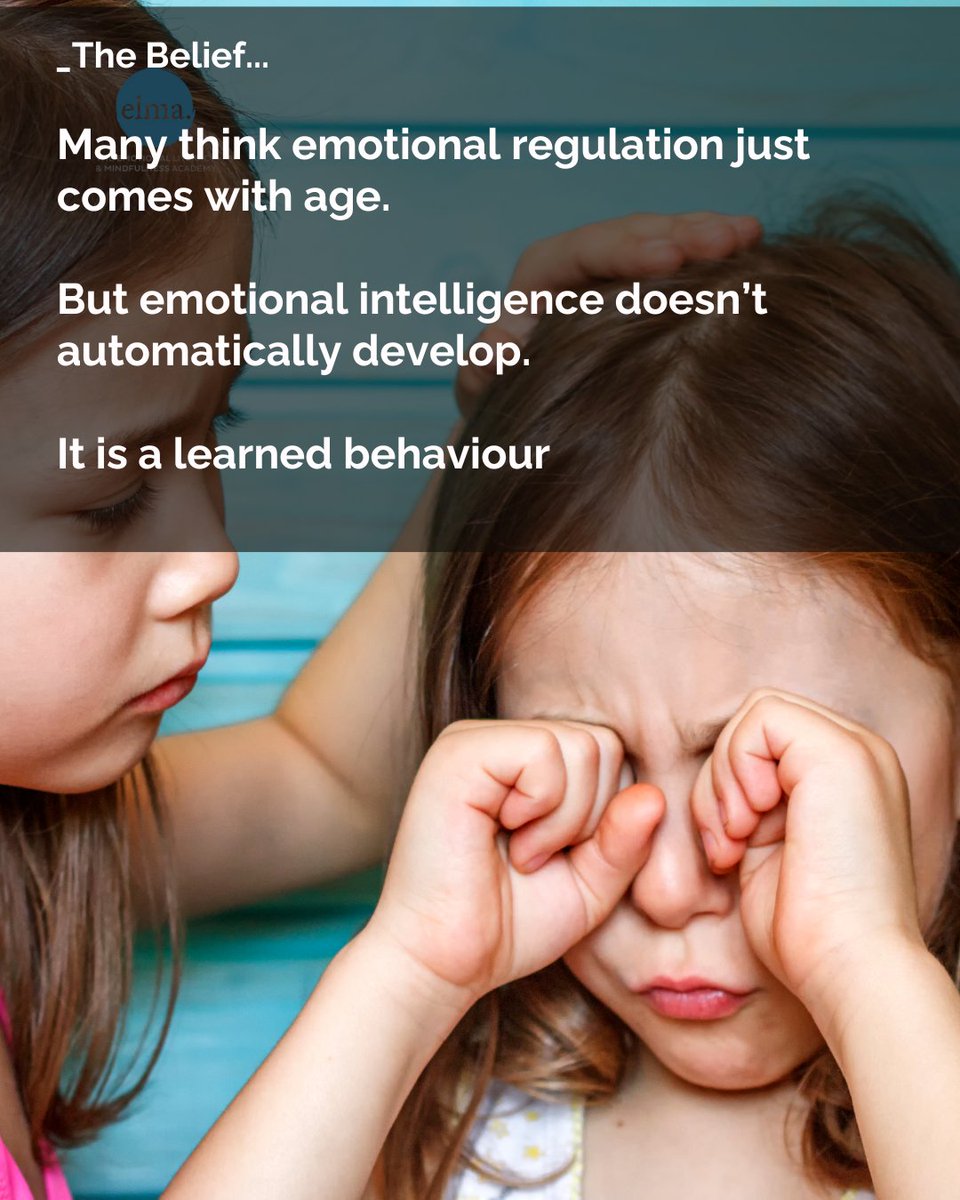
Emotional intelligence doesn’t just happen.
We teach kids the alphabet before they read—emotions are no different.
The ELMA Program helps children build emotional intelligence skills proven to benefit them for life.
We help organisations build emotional literacy from the inside out.
The result? Safer, more attuned, more connected cultures. And all whilst meeting the psychosocial workplace legistative requirements.
Comment “Work” and we’ll send you the details.
Our At-Home Program turns everyday moments into growth opportunities. All it takes is a few minutes, and the right support.
Comment “Homepro” to learn more today.
Not every child acts out. Some shut down and go quiet.
That’s why the ELMA Program helps children, and educators recognise the silent signals of emotional distress.
Because quiet kids need emotional support too.
How do you help support your quiet kids?
We’ve made emotional education simple, practical, and designed for families. A program that gives you the essential tools to help your children with mental health, stress, anxiety and more. Only 10 minutes a day for ages 2 - teens.
Just comment HOME below.
In a world that rewards hustle, mindfulness invites us to slow down, not to fall behind, but to catch up with ourselves.
It’s not a fleeting wellness trend. It’s a lifelong tool for managing emotions, finding clarity, and creating space to respond instead of react.
This relatable moment helps children recognize and talk about their emotions — even when they don’t fully understand them.
A gentle way to start meaningful conversations about mood, frustration, and self-awareness.
https://t.co/qYQWnaTPu5
When a child melts down after a simple request, it’s not about the request.
It’s about emotions they haven’t learned to name yet.
The program you have learnt with us here at ELMA teaches children and educators how to meet feelings before they spill out as challenging behaviours.
Performance is emotional.
With ELMA’s At Work neuroscience-backed tools, teams learn to manage internal states, so they can meet external demands.
Comment “Work” and we’ll send you the details on how this could benefit your educators.
Words like “I’m sad” and “I feel frustrated” may seem simple—but they’re the building blocks of lifelong wellbeing.
Remember as educators to encourage your parents to get the at home program, if you don't know the link to send them just comment HOME below.
There’s so much competing for our attention notifications, schedules, endless demands.
But mindfulness cuts through the noise.
It reconnects us to what matters:
Our breath. Our values. Our emotions.
And from that place, we lead with more clarity and compassion.
Emotional literacy isn’t a nice-to-have. It’s the foundation for calm, confident adults who can regulate, relate, and respond with heart.
Remember as educators to encourage your parents to get the at home program, if you don't know the link to send them just comment HOME below.
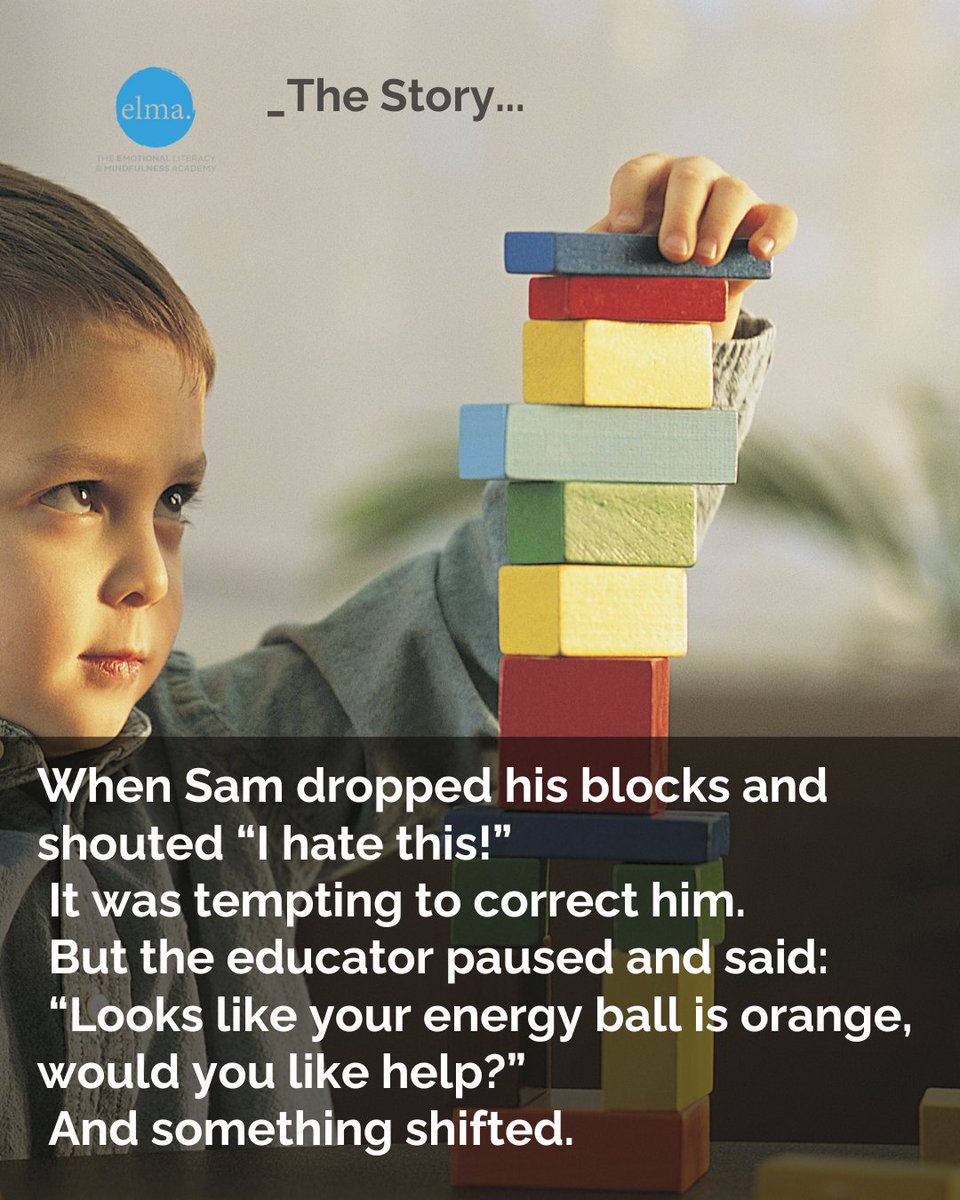
When a child throws a toy in anger or frustration, it's not bad behaviour. It's a feeling without language.
The ELMA Early Childhood Emotional Literacy Program gives children and educators the tools to understand emotions before they become outbursts.