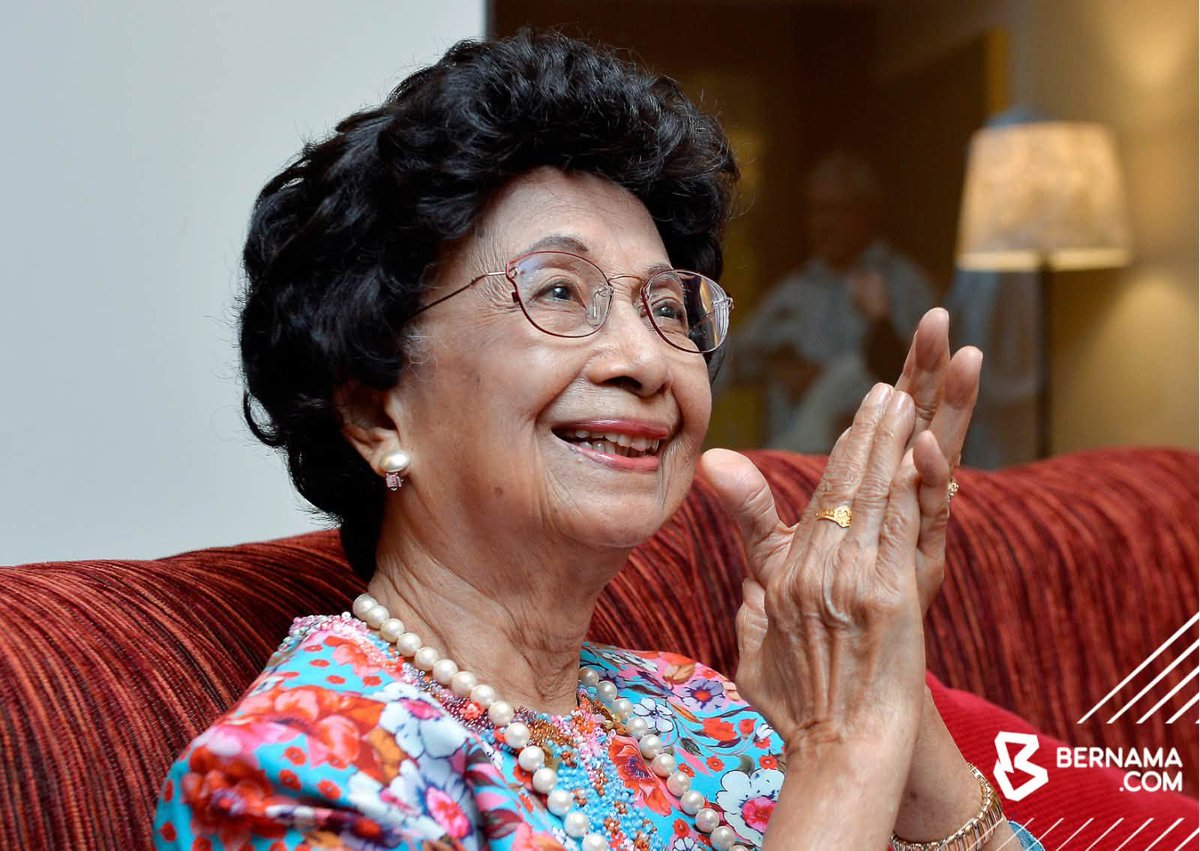
We lost a flower, a diamond, a model of softness and elegance, beauty with brain. Rest in peace Tun Siti Hasmah. May Allah bless her soul with rahmah and ease her journey in the afterlife. Innalillahwainnailaihirajiun
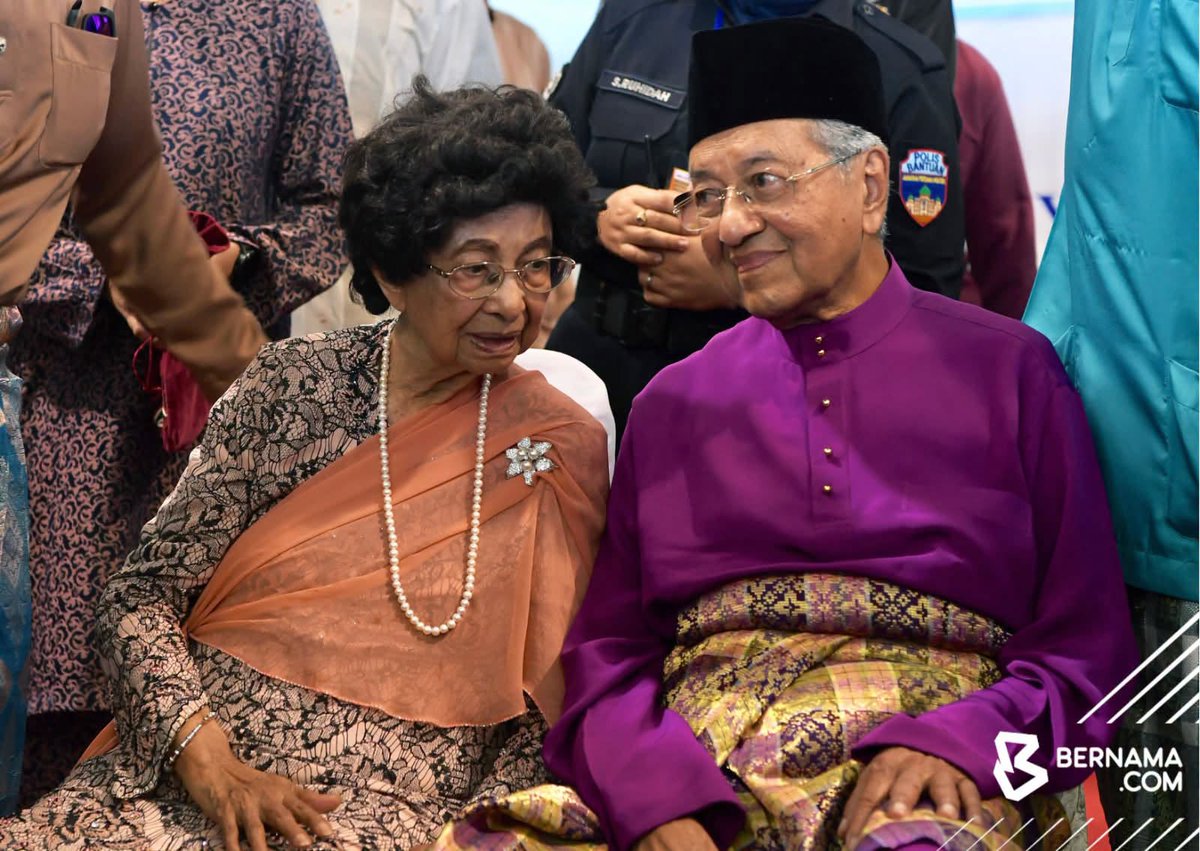
Sejarah Perkahwinan Tun Dr Mahathir Mohamad dan Allahyarhamah Tun Dr Siti Hasmah dipaparkan di Rumah Kelahiran Tun Dr Mahathir Mohamad di Alor Setar Kedah
Mereka berkahwin selama 70 Tahun sebelum pemergian Tun Dr Siti Hasmah di Institut Jantung Negara IJN hari ini
Mereka dikurniakan 7 Cahaya Mata
Pergi jua Tun Hasmah. Allahuakbar. Biasanya suami akan menyusul short after... 😭 Manakan sama dunia ini without other half yg sekian lama. They reached 70 years anniversary kot. Anniversary. Bukan birthday.
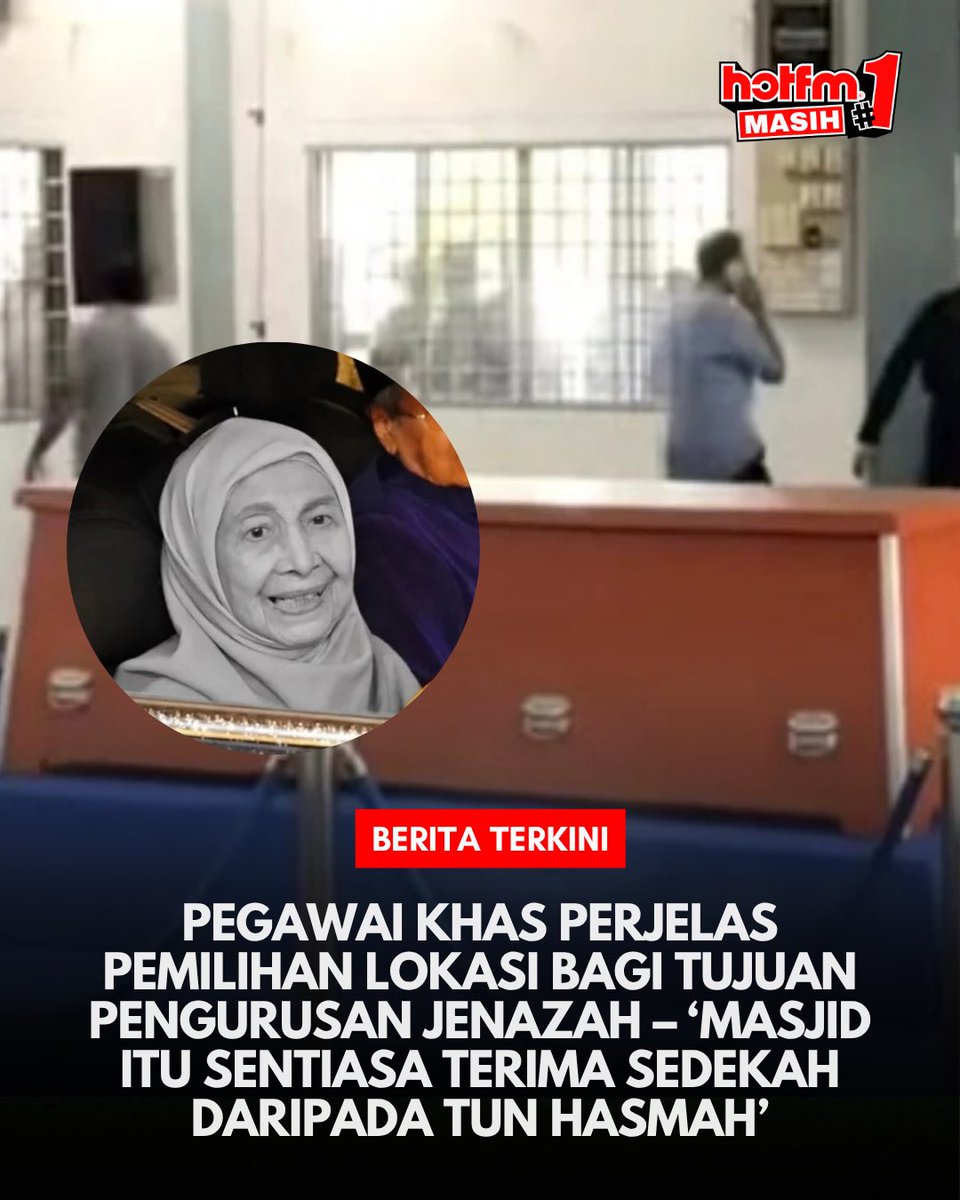
Menerusi perkongsian yang dimuat naik di Threads, Pegawai Khas Tun Dr Mahathir Mohamad menjawab persoalan segelintir pihak mengenai pemilihan masjid berkenaan.
Menurutnya, Masjid As-Syarif sering menerima sumbangan daripada Tun Hasmah pada setiap Jumaat sejak dahulu lagi.
#HotFMNo1 #HotFM #BekpesHot #TerbaikSentiasaHangat #KJjadiDJ
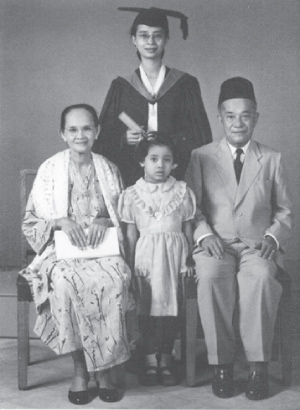
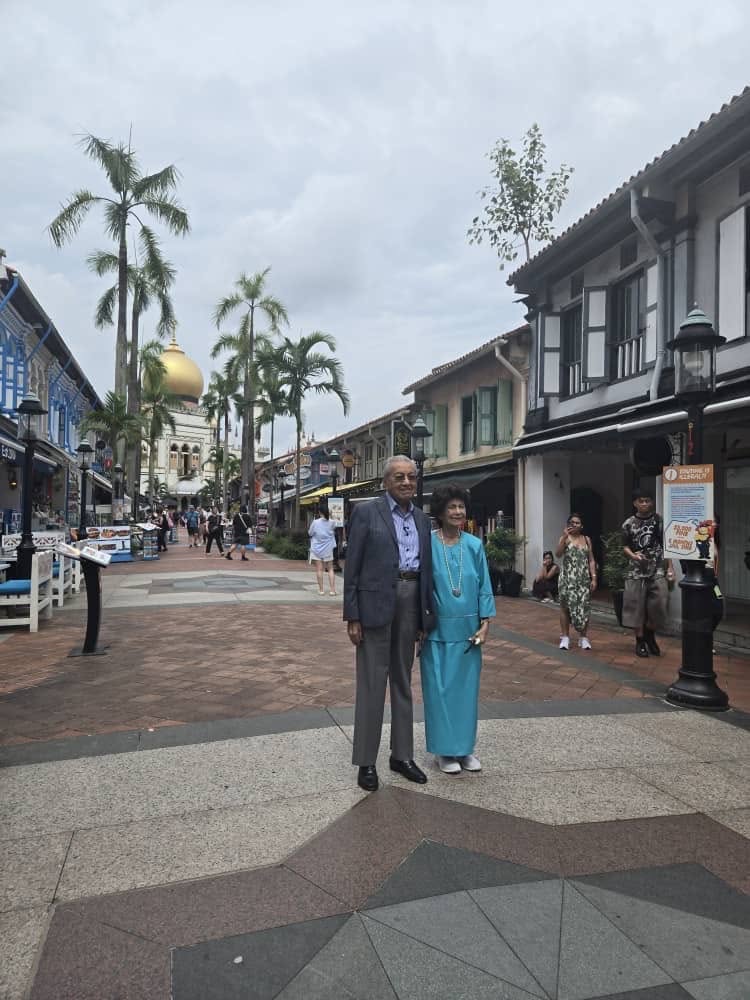
Tun Dr Hasmah first met with her fellow coursemate, a certain Kedah boy named Mahathir, in 1947 whilst studying at Edward VII College of Medicine in Singapore, the first Malay woman to study there.
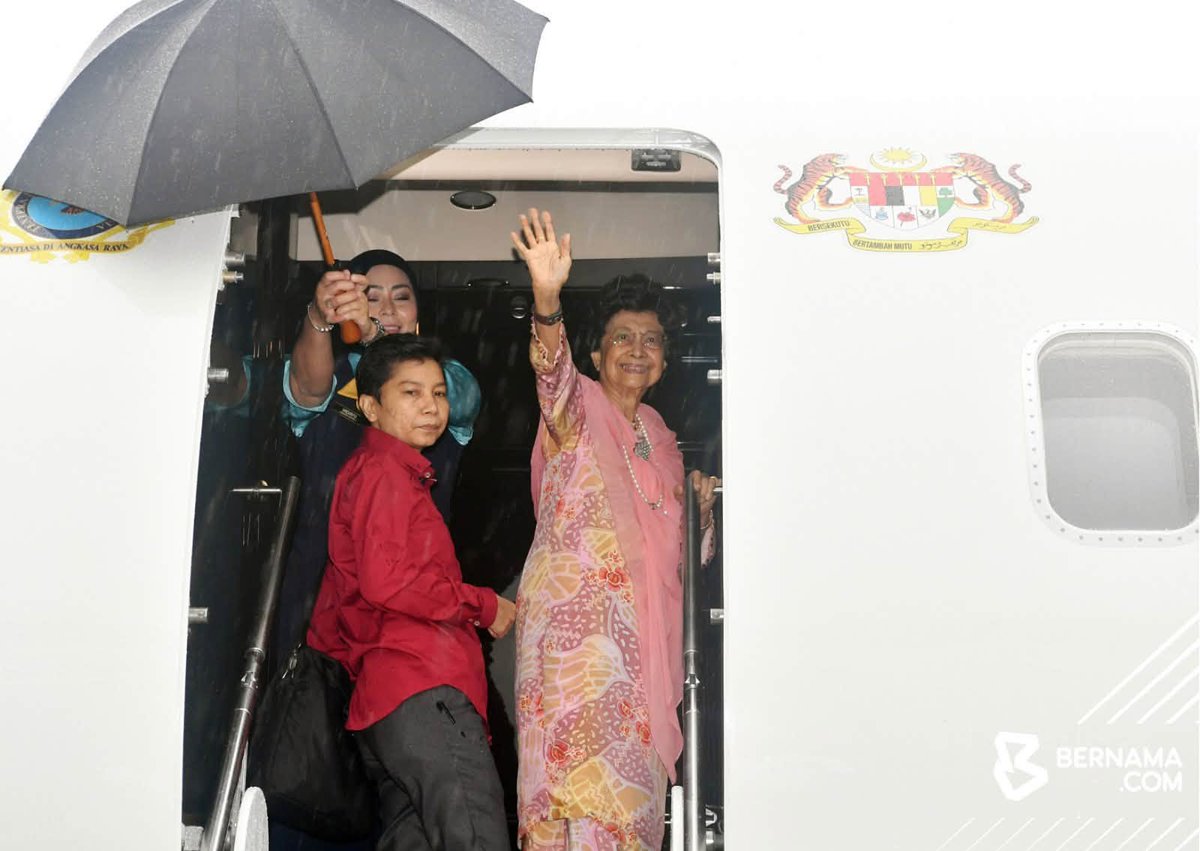
Her last visit to Singapore was last year, with that same boy, 78 years later.
Yet, back home, she remained grounded. She was often seen courtside supporting Malaysia’s badminton players, many of whom affectionately called her “ibu” (mother).
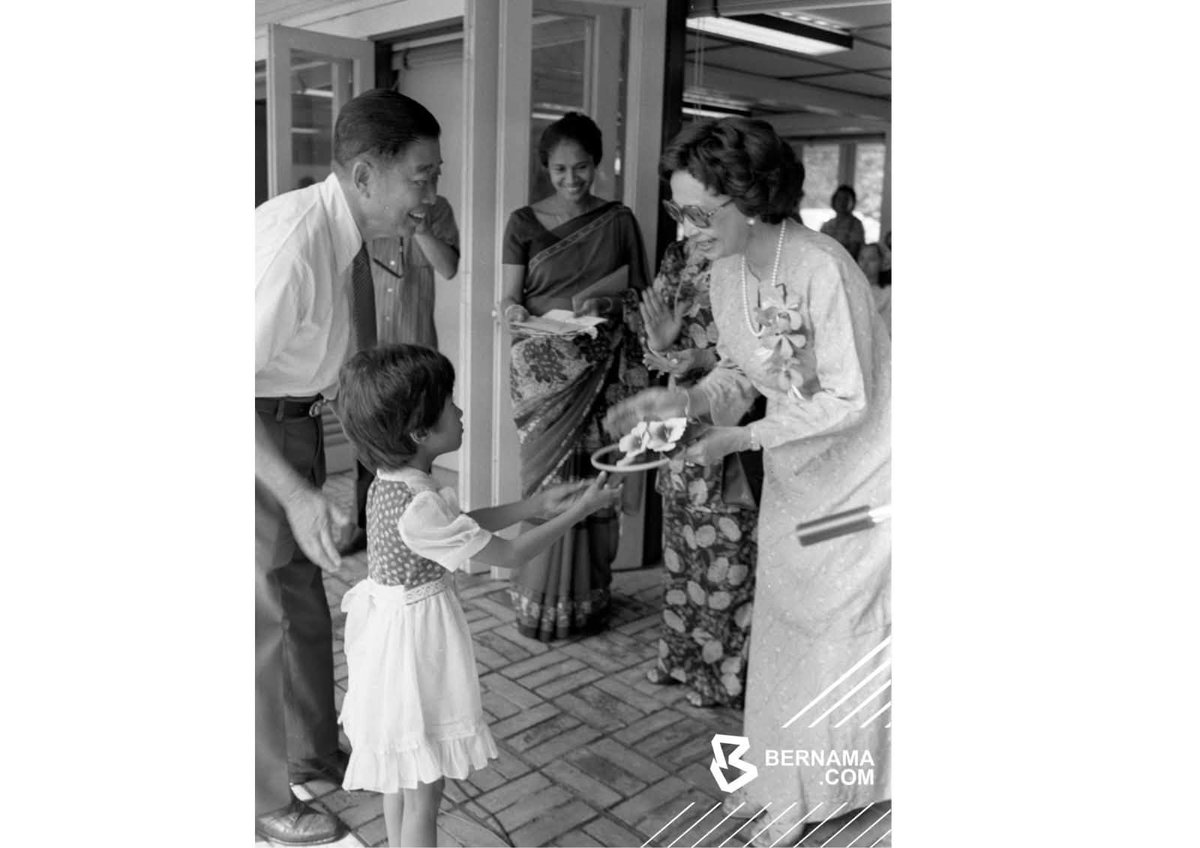
Dr Siti Hasmah was more than a medical trailblazer. For generations of Malaysians, particularly women and children in rural communities, her work helped bring healthcare closer to home.
In her later years, she humbly stated that she had nothing to leave the people ‘except my love and my advice’. But looking at the generations of mothers and children who survived because she cared enough to walk into their villages, she clearly left much more.
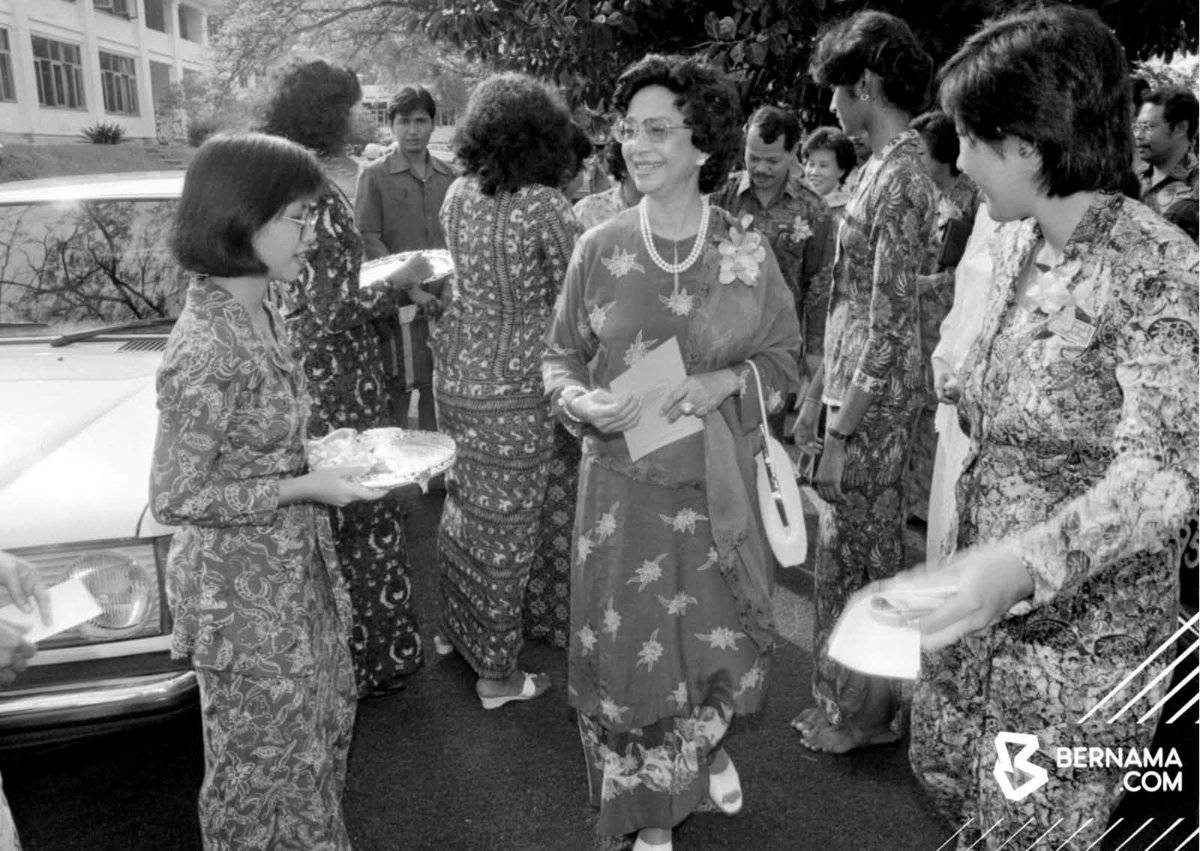
📷 FotoBERNAMA
#BernamaNews
#BernamaImages
#SalamTakziah
#AlFatihah
#SitiHasmah
Trading the sterile comfort of a clinic for the muddy paths of the kampung, she brought vaccines, basic health education, and a fierce, maternal compassion directly to the people. Rather than fighting local traditions, she worked alongside them. She trained traditional village midwives in modern safety practices so they could confidently protect mothers and newborns. Because she bothered to listen and connect, rural communities finally learnt to trust modern medicine. Infant mortality rates plummeted.
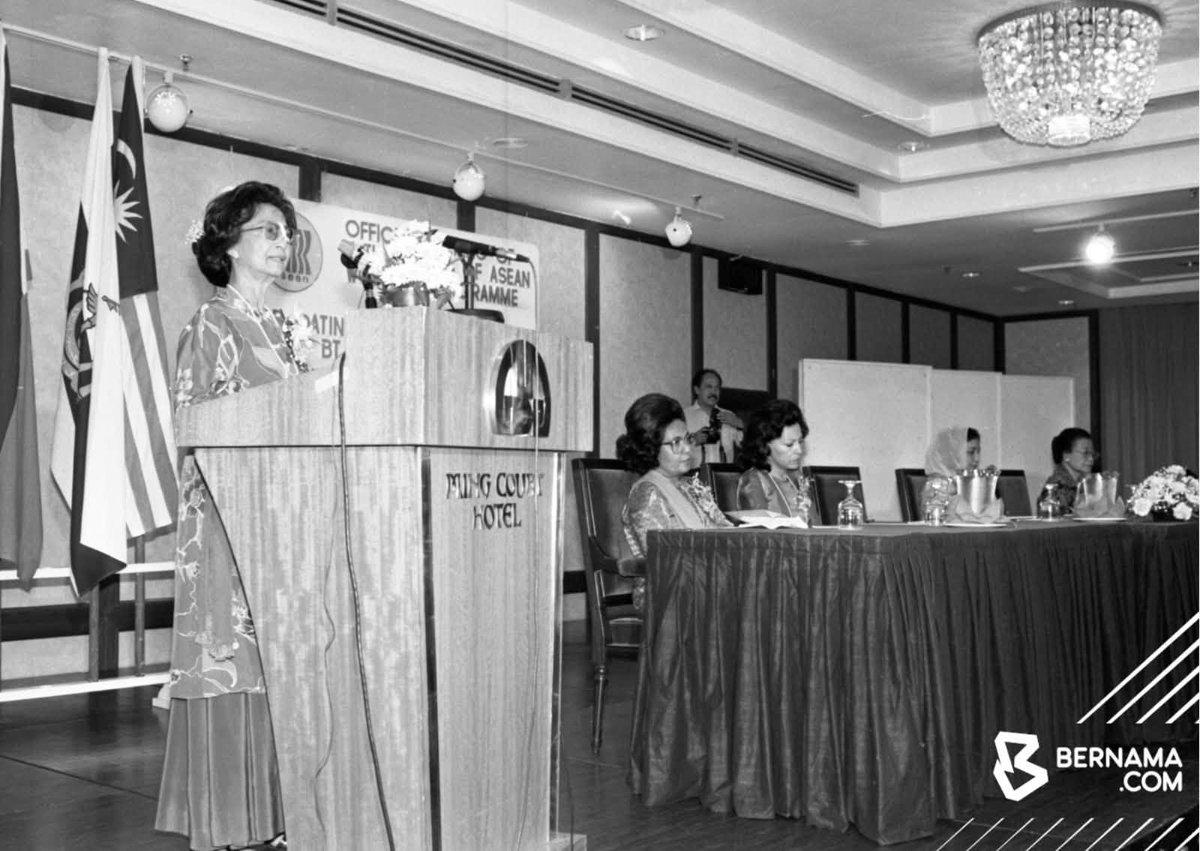
Her empathy carried her to the global stage – from championing rural women’s rights in Geneva to walking the volatile streets of Iraq in 2001, determined to check on children suffering under heavy economic sanctions.
She didn’t just survive a gruelling curriculum. She shattered the expectations of a deeply patriarchal era and went on to become one of the nation's earliest female doctors.
But her true calling wasn't found in gleaming hospital corridors. It waited for her in the sun-baked, remote villages of Kedah.
There, she saw the devastating toll of preventable illness and death. Mothers and infants were suffering, caught in a web of poverty, traditional taboos, and a sheer lack of medical knowledge. The threat of childhood killers like polio, tuberculosis, and diphtheria constantly hung over these communities.
Dr Siti Hasmah didn't wait behind a desk for patients to find her. She went out to find them.
Long before she became known as the woman beside a Prime Minister, a young Hasmah Mohd Ali of Klang dreamt of becoming a journalist.
But life took her down a different path, and the young lady who would eventually become known as Tun Dr Siti Hasmah would instead go on to make history herself.
She died at the age of 100, leaving behind a legacy deeply rooted in Malaysia’s rural communities. She was not only a devoted spouse, but a pioneering doctor who helped transform public health.
Medicine wasn't her first love, but it became her life's masterpiece. In 1947, she entered Singapore’s King Edward VII College of Medicine as the only Malay woman among a largely male student body.
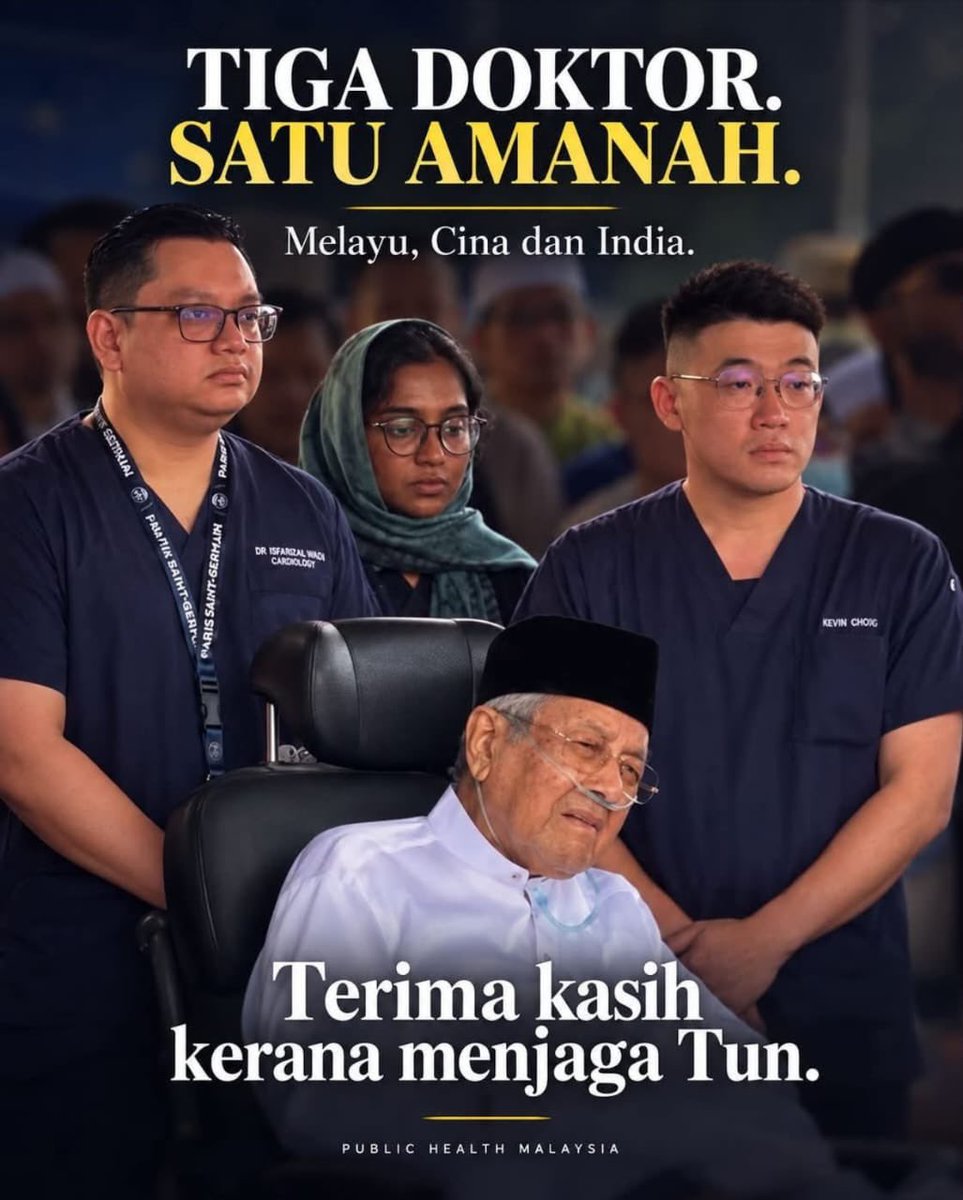
As Malaysians worry and pray for Tun Mahathir’s health, three dedicated healthcare workers from IJN, one Malay, one Chinese and one Indian stand by his side.
They are a powerful reflection of Malaysia’s diversity, united in caring for him. Thank you to our frontline workers.