$BTC On the macro chart, I always aim for maximum simplicity.
When the price is in key areas, the context is clear and decisions become relatively straightforward. In between, however, there is nothing but noise: chaotic movements, conflicting signals and often subjective interpretations.
For this reason, I haven’t even looked at it for the last two days. I don’t feel the need to analyse every single candle when the market isn’t at any truly interesting points.
They are simply market cycles.
At this stage, $BTC appears to be driven more by capital flows and the decisions of large investors than by retail investor sentiment. Sudden price movements, liquidations and the scramble for liquidity are all part of the game and often create the perception of significant market manipulation.
As traders, however, this changes little. Our job is not to guess what institutions will do, but to adapt to what the price shows us every day, managing risk, exposure and opportunities.
Bitcoin’s history has taught us one thing: after every phase of weakness, fear and distribution, a new cycle of expansion has always followed. No one can know exactly when this will happen, but finding a bottom and witnessing a new bull run is part of the very nature of this market.
That is why I am not worried. I remain disciplined, stick to the plan and let the market run its course. Phases pass, cycles change and, sooner or later, liquidity will return. When that happens, many of those who are pessimistic today will suddenly become optimistic again.
Many people think that traders with years of experience and impressive results are somehow unbeatable or even ‘aliens’. The reality is quite different.
We make mistakes too; we hit our stop-losses and close trades at a loss. It’s all part of the job. The difference isn’t in never making mistakes, but in knowing how to manage them, protect your capital and stick to your plan without letting emotions get in the way.
Anyone who judges or insults a trader for a loss simply demonstrates that they have not understood how financial markets really work. In trading, it is not the person who is always right who wins, but the one who manages to manage risk when they are wrong.
Losses are part of every professional’s journey. To think otherwise is to have a naive view of the markets. True failure is not losing a trade, but failing to learn anything from one’s mistakes and continuing to repeat them.
It was a good day – in fact, an excellent one.
Many people think that to have an excellent month you need to make dozens of trades, but often the reality is the opposite: just one or two trades made at the right time can make all the difference to your overall monthly performance.
The secret isn’t to be in the market all the time, but to wait patiently for the best opportunities, whilst managing risk, position size and emotions.
Discipline and operational intelligence always prevail over the urge to trade on every single price movement. Great results stem from the quality of decisions, not the quantity of trades.
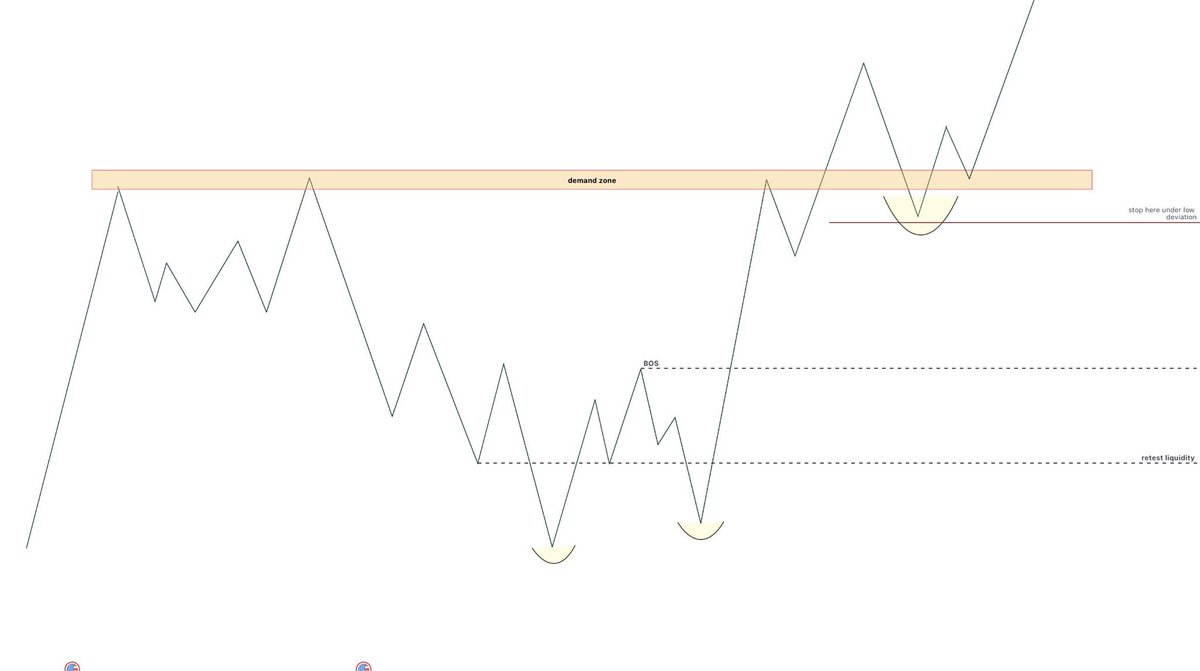
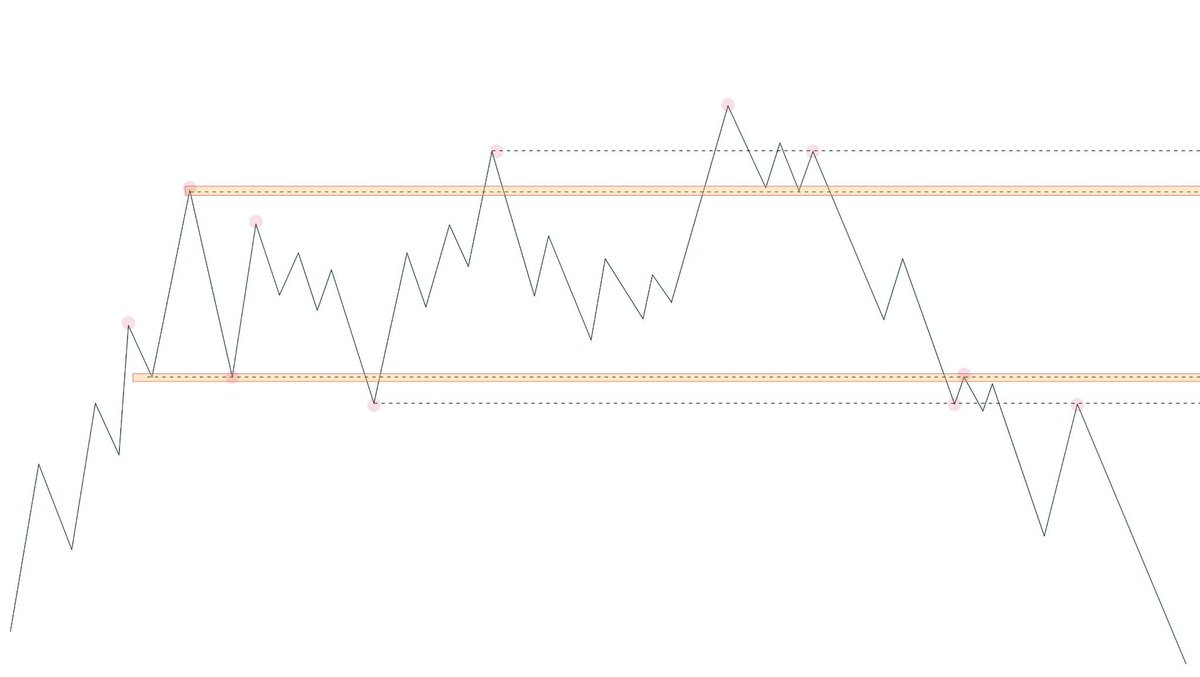
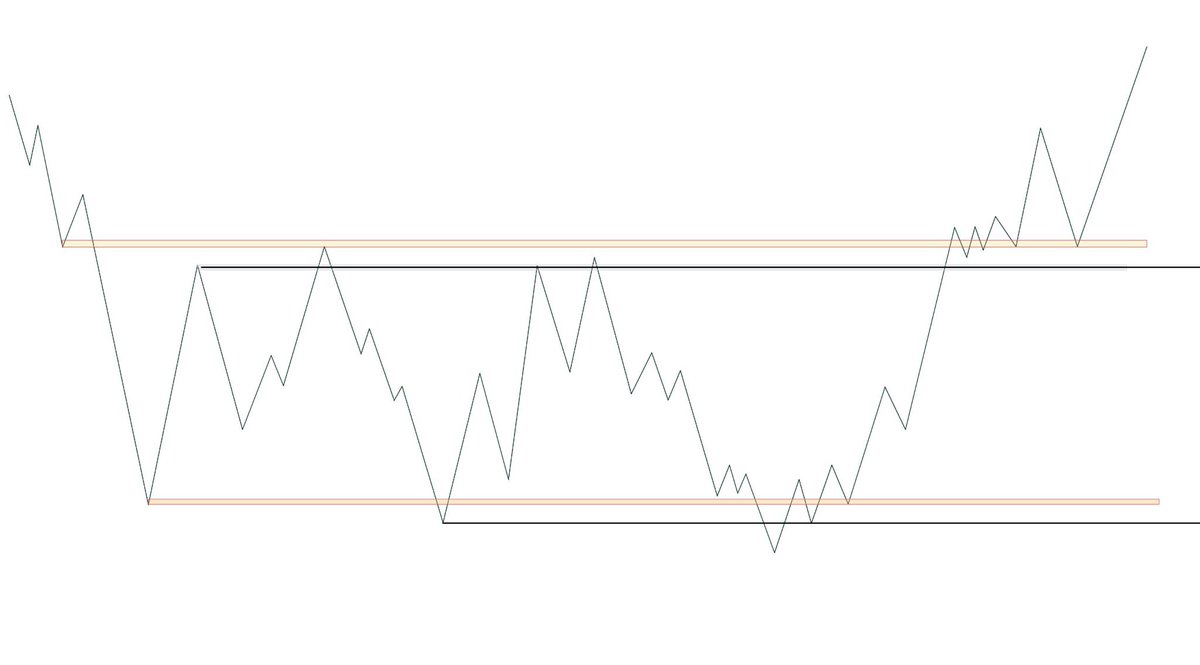
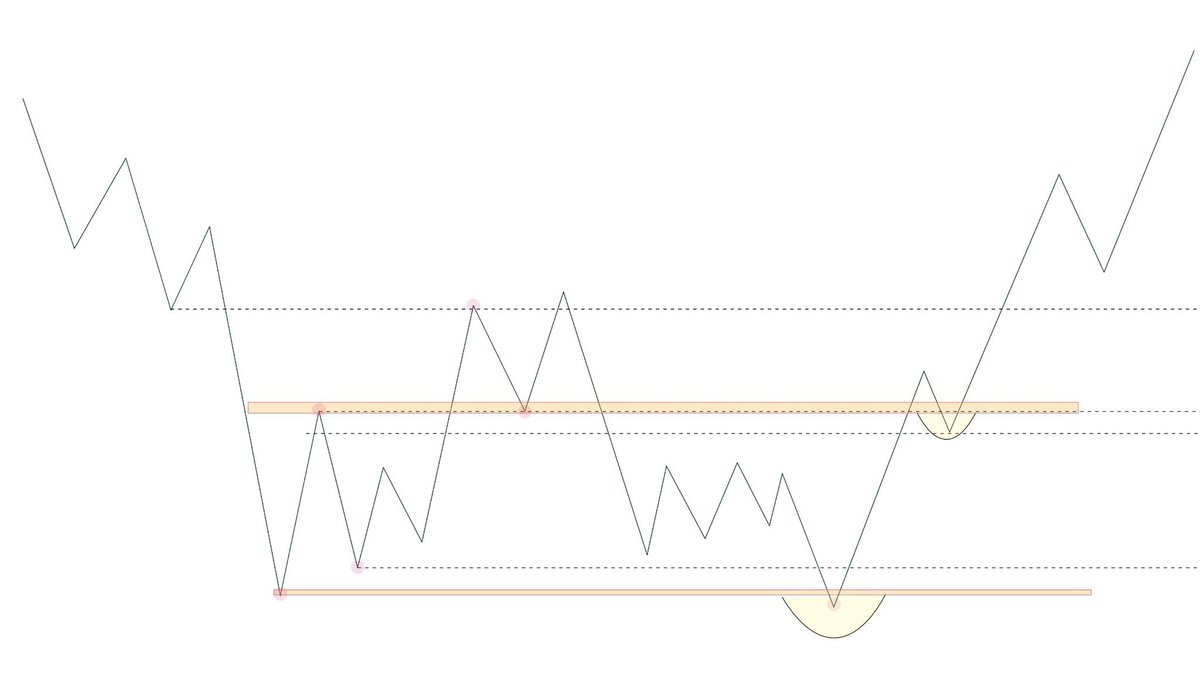
Support and resistance levels are among the simplest yet most misunderstood concepts in technical analysis. The longer a price zone holds over time, the greater its practical significance tends to be. The difference between an inexperienced trader and an experienced one lies in their approach: the former seeks the perfect level, whilst the latter observes how the market reacts within a zone of interest.
Liquidity sweeps, deviations, reclaims and structural confirmations are often the elements that allow us to distinguish a simple reaction from a high-probability opportunity.
Ultimately, support and resistance levels are not used to predict the future, but to identify areas where it is worth paying closer attention and waiting for the market to reveal its intentions.
Study these slides and they will be useful to you
A retweet would be helpful
If you enhance your mitochondrial function, your health will most likely improve.
After all, mitochondrial dysfunction is implicated in a host of health conditions ranging from chronic fatigue, low testosterone, depression, bipolar disorders and neurodegenerative diseases all the way to cardiovascular issues, diabetes and even sleep apnea.
Here's how to power up your cells for better health.
Thread 🧵
As you can see, calmness and boredom are also part of trading.
In fact, it is often the most experienced traders who cope best with these phases. Those with experience know that opportunities don’t arise every day and that forcing trades in a directionless market often means giving money away to the market.
Patience is one of the most underrated qualities in trading: knowing how to wait for the right setup, keeping exposure low when conditions are unfavourable, and accepting periods of inactivity is what distinguishes a professional from those who feel the need to always be in a position.
Sometimes the best trade isn’t entering the market, but having the discipline to do nothing until a real opportunity arises again.
Many people wipe out their portfolios not because the market is ‘impossible’, but because they go into trading with the wrong mindset: high exposure, a rush to make money, misused leverage and zero patience.
Real trading is completely different from what you’re often shown online.
It’s not about trading every day.
It’s not about making 20 trades.
It’s not about chasing the perfect pump.
It’s not about getting rich in a week.
Real trading is, above all, about knowing how to wait, protecting your capital and understanding when to do nothing.
Most people lose because they try to rush a process that requires experience, discipline and emotional control. They increase position sizes, chase the price, enter without a trigger, move their stops, and then when the market makes a normal move, they get wiped out.
The problem isn’t just the wrong direction.
The problem is the wrong exposure.
You might even have a good market idea, but if you enter too heavily, too early or with too much leverage, the market won’t forgive you.
Trading doesn’t reward those in a hurry.
It rewards those who survive long enough to learn.
GM best
As I’ve been saying for weeks now, $BTC is going through one of the slowest and most frustrating phases of the entire cycle.
The price action is messy, sluggish, full of false moves and, above all, lacking the liquidity needed to give continuity to setups.
And when liquidity is lacking, the whole market suffers:
altcoins suddenly losing their structure, breakouts that fail to materialise, triggers that seem perfect and are then invalidated a few hours later.
Not because trading ‘doesn’t work’, but because without real capital participation, the market becomes much more manipulable and erratic.
And this is precisely where you see the difference between those who survive and those who destroy their portfolio by chasing every move. Trading is fine, and so is taking stops, but do it with the right level of risk.
In these phases, there is no need to force trades or increase exposure to recoup boredom or losses.
You need exactly the opposite:
smaller position sizes,
strict risk management,
patience,
and the ability to accept that there are periods where the best trade is simply to wait.
None of this is ‘strange’ or worrying.
These are normal market phases that have always existed: periods of expansion alternating with long spells of contraction, confusion and lack of interest.
The true trader is not destroyed during these phases.
They navigate them with discipline, protecting their capital and mindset… and ensure they are ready when volume, volatility and real opportunities return.
Honestly, as far as trading is concerned, the market has been terrible over the last few months: messy price action, low liquidity, constant false moves and very few genuinely clear-cut opportunities.
But after years of experience, you learn that you don’t always have to be aggressive.
It’s not those who open the most trades who make the real difference… it’s those who understand when the market is giving you a real edge and when it’s just burning through capital and energy.
That’s why I don’t mind the boring phases: you reduce your exposure, protect your capital and wait for better conditions.
The problem is that those without experience often do the opposite: they increase position size, force trades and constantly search for ‘the game-changing trade’ in a market that is offering almost nothing.
And that is precisely where many have really got hurt over the past year.
Because in difficult markets, it is not those who make the most money who survive… but those who manage to lose the least and stay clear-headed long enough to capitalise on the next real trend.
Many traders underestimate just how important volume is in the altcoin market.
When trading activity drops, even the best technical analysis starts to lose its effectiveness.
The levels look perfect, the breakouts look valid, the triggers look clean… but without real capital behind the move, the price often lacks continuity.
And that’s where the classic fake moves begin: sudden spikes, aggressive deviations, stop-hunting and immediate returns within the range.
In markets like this, it’s not a question of ‘reading the chart better than others’.
It’s that the market itself becomes less efficient and far more manipulable.
When volume is lacking:
setups lose confirmation
stops are hit easily
the risk/reward ratio worsens
volatility becomes messy and hard to read
And this is precisely where the real difference between those who survive in the long term and those who don’t comes into play: risk management.
You don’t need to be exposed all the time.
Sometimes the best trade is simply to wait.
Reducing position size, protecting capital and remaining selective doesn’t mean being afraid of the market ….it means understanding the kind of environment you’re operating in.
Because ultimately, capital needs to be preserved during turbulent times… so that you can be aggressive when the market returns to offering truly favourable conditions.
It’s been a fairly quiet week for my trading: not much action, and profits that are, all things considered, in line with the market conditions.
But this is precisely where many people get their approach wrong: they think that in trading, the only thing that matters is how much you make. In reality, what really makes the difference is how you manage to navigate through the difficult periods.
There will be aggressive weeks and slow weeks, times when the market offers opportunities and others when the best course of action is simply to protect your capital. Knowing how to stay disciplined, avoid overtrading and not force unnecessary trades is what separates those who last the test of time from those who burn through everything in a matter of months.
In trading, you don’t always have to be the hero of the day. Sometimes winning simply means not losing. And believe me, just learning to protect your capital will make you better than 99% of the people who approach this sector without patience and risk management.
The market thrives on emotions, euphoria and constant noise.
That’s why, in trading, there’s no need to force every move or always seek out the perfect trade.
The real strength lies in proceeding calmly, taking one step at a time and maintaining control over risk.
Small, consistent profits are worth far more than impulsive big trades that can jeopardise weeks of work.
In the long run, those who remain disciplined, protect their capital and know how to avoid excesses come out on top.
Because in trading, consistency always beats ego.
GN best and happy weekend
$BTC has simply done what the market tends to do most often: follow the money.
The lower zone we had highlighted was almost reached, but beyond that, there has been no real breakout or clear direction over the last 48 hours. And this is precisely where many people start to go wrong.
Because trading isn’t a constant rush of adrenaline; it isn’t about entering the market every hour just to feel active. Most of the time is spent waiting, managing your mindset and maintaining a clear head even when the market offers nothing particularly interesting.
And this is why so few manage to last in this sector: everyone knows how to buy or sell, but almost no one knows how to manage themselves.
Knowing how to control emotions, ego and impulsiveness often counts for more than technical analysis itself. When the market slows down, many start forcing trades out of boredom, frustration or a need to ‘do something’. And that is where the mistakes begin.
Sometimes the real skill isn’t finding a trade, but having the discipline to stay put until the market offers a real advantage.
GM best
Over the last few days, I’ve opted to take a cautious approach to leverage.
The main reason is that several indicators were starting to point more towards a bearish than a bullish outlook for $BTC on the lower timeframes.
First of all, volume was starting to lose momentum: a very wide buy delta was no longer able to support the price, and this is often an early warning sign. When you see lots of aggressive buying but the market isn’t reacting as it should, it means that on the other side, someone is absorbing it all.
Furthermore, there was a real risk of being caught off guard by a shift in market conditions.
The 12-hour chart was showing a possible trend reversal, whilst the 76/75k area was becoming a major magnet for the price.
Finally, the order books for BTC perpetuals …particularly on Binance …were also clearly becoming heavier on the sell side: large sell orders continued to trail the price, limiting any attempt at a bullish rally.
In situations like this, I prefer to reduce my exposure and keep a clear head, because in trading it’s not about always being in a position… but about understanding when the risk no longer justifies the reward. These were the kinds of doubts I had; when they get into my head, I’d rather hold back than force the issue, even if I might be wrong… but missing out on an opportunity is better than losing money
First-born daughters who were raised spiritually as sons and hold genuine respect for their fathers are often capable of immense devotion in love, as they tend to be habitually perceptive and are not averse to taking accountability. What is often misunderstood is that, while they may not ask for help, they are highly sensitive to when it is proactively anticipated and provided, making them especially aware of and grateful for acts of attuned consideration.
Body fat is the most underrated attraction lever in existence:
Every % point you drop below 15% rewires how women perceive you on a biological level.
15% - Jawline becomes visible. Cheekbones emerge. Mandibular angle that signals high T finally surfaces
12% - You have abs. Vascularity shows in the forearms. Your face looks 5 years younger because subcutaneous water retention drops
10% - You enter the top 1% of men globally. Shoulder-to-waist ratio women are hardwired to detect (1.6+) becomes geometrically impossible to miss.
Beyond height + frame…
Number one driver of attractiveness is adiposity (facial fat percentage);
15% is the floor to tap into this attribute.
10% is where you reach elite adiposity.
That’s the range where you get nonstop looks in public (matters when you don’t have it, becomes normal fast)…
Link in bio for the systems.