@Krysia830073 The shared address establishes a connection to Apex Peptides, but it doesn’t establish what investigators were targeting.
That distinction matters when people are using this raid to predict what happens to the entire peptide market.
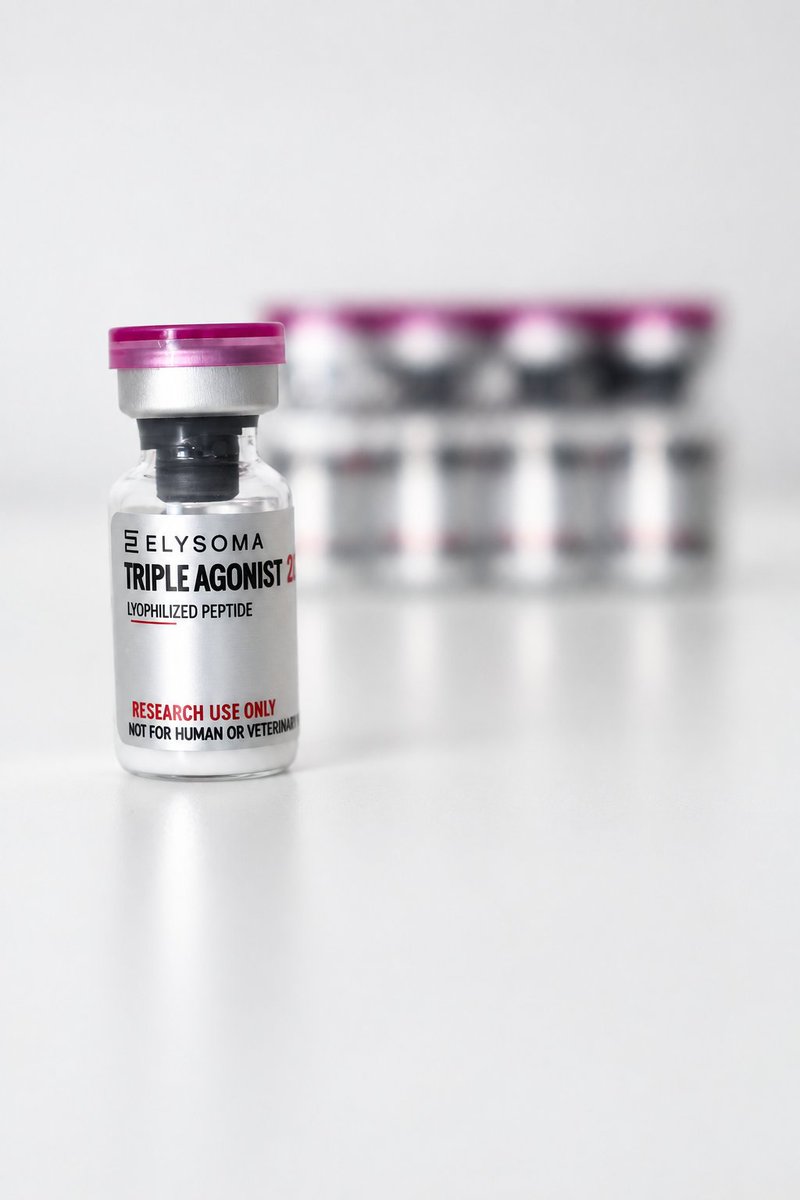
The 20mg Triple Agonist vial became the unit this market prices against.
Vendor comparisons, 10mg conversions, and reta / GLP-3 search traffic all land on this size. That does not make it a different compound. It makes it the denomination.
Lot ELY-3AG20-2609-01 is one instance. The COA is how you know which.
@blankpeptides The useful question is whether a lot number connects the raw material, filling run, and tested samples, or just identifies the box that shipped.
I’d like to see vendors document that connection alongside their COAs.
@reptidesco The strength testing alongside imaging is what makes this worth watching. Seeing whether a repaired tendon looks better and whether patients actually regain function would make the findings much more useful.
@Medscape The reason for switching deserves as much attention as the next prescription.
If a medication is working but coverage forces a change, preserving that progress and avoiding a treatment gap should be central to the plan.
@GenePeptides I’d start with “what are you trying to understand or improve?”
Choosing a compound comes after having a clear question, not just seeing it on a beginner list.
@hironoza What makes these “beginner” options? human safety data, ease of use, or popularity?
That distinction would be more useful to someone starting out than a list of promised benefits.
@sangwnam71 Custom ratios are interesting.
I’d want the testing to be just as specific, does each compound stay stable in that exact blend, and can the lab verify each amount?
That’s what would make the convenience meaningful.
@BioDispatch I’d rather see “research-backed” get more specific than disappear.
Tell us which findings are from animals, which are from humans, and whether they apply to the product being sold.
@BasedBiohacker The gut-brain connection is what makes this research so interesting to me.
I’d love to see human trials track mood and cognition alongside gut symptoms to understand whether improvements happen together.
@ItsPeptime We should be able to check on someone without shaming them or deciding their dose from a photo.
“How are you feeling, and are you managing to eat enough?” opens a much better conversation.
@BowTiedHRT The frustrating part is how quickly an access conversation turns into a stockpiling conversation.
People want a reliable, affordable supply without having to guess what next year looks like.
@EPTplatform The maintenance phase is what I’d like to see next. Losing more weight is exciting, keeping it off while feeling well enough to stay active is what makes that progress useful long term.
@MounjaroNotes The GLP industry should be competing on better outcomes and broader access. If the next generation arrives with higher barriers to competition, patients could face the same old choice: pay what’s asked or go without.
@BabyD1111229 I’d be interested in whether activity dropped because people felt less need to exercise, were under-fueled, or had side effects.
Those call for different responses. The tracker data can show the change, but understanding why it happened is what makes it useful.
@ThePepGuy I’d make sustained health the goal. Coming off medication can be part of that for some people, but staying on a treatment that helps shouldn’t be treated as a failure of discipline.
@pIain_tofu A short chain of amino acids. Insulin is one, and your body makes plenty of others that help regulate hunger, growth, and other functions.
The internet talks about them like someone bottled the devil. “Peptide” describes a type of molecule.
@DrAlexTatem The research question matters even if the bill goes nowhere, which compounds could meaningfully improve veterans recovery and quality of life?
Worth pushing for studies designed to answer that, with results published either way.