In His Passion, Jesus Christ suffered greatly for the sins of man. He wore the crown of thorns, was scourged at the pillar, and had the Five Holy Wounds inflicted upon Him. While most Catholics know of these, few are familiar with the shoulder wound of Jesus, and the miraculous story behind its devotion.
Tradition says as Jesus walked the three miles from Pontius Pilate’s courtyard to His Crucifixion at Calvary, the Cross dug through His shoulder
ripping flesh from bone. According to a pious legend, Saint Bernard of Clairvaux prayed and asked of Christ what was his greatest unknown suffering, and what wound suffered in His Passion was most painful. Christ replied to him:
“I had on My Shoulder while I bore My Cross on the Way of Sorrows, a grievous Wound which was more painful than the others, and which is not recorded by men.”
Christ asked that Saint Bernard and other members of the Faithful keep a devotion to his shoulder wound, and that those who do will receive God’s grace.
“Honor this Wound with thy devotion, and I will grant thee whatsoever thou dost ask through its virtue and merit. And in regard to all those who shall venerate this Wound, I will remit to them all their venial sins, and will no longer remember their mortal sins.”
Saint Bernard heeded Christ’s call, composing a beautiful devotional prayer to honor the shoulder wound of Our Savior:
“O Loving Jesus, Meek Lamb of God, I, a miserable sinner, salute and worship the most Sacred Wound of Thy Shoulder on which Thou didst bear Thy heavy Cross, which so tore Thy Flesh and laid bare
Thy Bones as to inflict on Thee an anguish greater than any other wound of Thy Most Blessed Body. I adore Thee, O Jesus most sorrowful; I praise and glorify Thee and give Thee thanks for this most sacred and painful Wound, beseeching Thee by that exceeding pain and by the crushing burden of Thy heavy Cross, to be merciful to me, a sinner, to forgive me all my
mortal and venial sins and to lead me on towards Heaven along the Way of Thy Cross. Amen.”
While Saint Bernard was the first to venerate the shoulder wound, he was not the last. Saint Padre Pio kept a devotion and also suffered the same wound himself as a stigmata. When Pope Saint John Paul II was still a priest he visited Padre Pio and asked him which wound was his most painful. Father Wojtyła expected that it was his chest wound, but the saint replied:
“It is my shoulder wound, which no one knows about and has never been cured
or treated.”
Prior to his death, Padre Pio confided to Brother Modestino Fucci at his friary in San Giovanni Rotondo that his greatest pains happened when took off his shirt. At the time, Fucci believed it to be his chest wounds much like John Paul II. When he was later assigned the task of inventorying all the items inside the cell of the late Padre Pio, he noticed his undershirts had blood stains on the right shoulder.
That night, Brother Fucci prayed asking Padre Pio for a sign if he truly bore the shoulder wound of Christ. At 1 A.M., he awoke with an excruciating pain in his right shoulder and the room was filled the aroma of flowers, the sign Padre Pio’s spiritual presence, and he heard a voice call out: “This is what I had to suffer!”
This prayer has protected generations of the faithful:
Saint Michael the Archangel, defend us in battle. Be our protection against the
wickedness and snares of the devil.
May God rebuke him, we humbly pray; and do thou, O Prince of the heavenly host, by the power of God, cast into hell Satan and all the evil spirits, who wander through the world seeking the ruin of souls. Amen.🙏🏻
Costituzione italiana, Art. 15: «La libertà e la segretezza della corrispondenza e di ogni altra forma di comunicazione sono inviolabili.»
Se questa porcata verrà applicata, vuol dire che l'Italia non esiste più, perché tradita dai nostri politici infami.
#italexit#chatcontrol
ChatControl è stato approvato. Dice, ma il parlamento ha votato contro. Questo è il bello: non importa! Dice, ma se il parlamento ha votato contro, chi ha voluto questo ChatControl? Questo è il bello: non si sa! E chi se ne assume la responsabilità? Questo è il bello: nessuno!
In 1986, the American Medical Association published an article titled "The Physical Death of Jesus Christ." It details the entire process, from Jesus' trial to his death on the cross. In Luke 22, before Jesus was arrested, it is described that he was in great distress and sweating blood.
Though rare, it is known as hematidrosis, a condition caused by high levels of stress. In that era, crucifixion was considered the worst death for the worst criminals. But Jesus did not only suffer this. He was flogged with such severity that it tore his flesh.
They beat him so brutally that they tore his face and ripped out his beard. A crown of thorns 5 to 7.5 centimeters long was driven deeply into his scalp. The leather whip with which he was flogged had small iron balls and sharp bones attached.
The balls caused internal contusions, while the bones tore his flesh. His skeletal muscles, veins, and intestines were left exposed, causing him massive blood loss. Most men do not survive this kind of torture.
After being severely flogged, Jesus was forced to carry his cross while people mocked him and spat on him. Crucifixion was a process designed to inflict unbearable pain, leading to a slow and agonizing death.
Nails up to 20 centimeters long were driven into Jesus' wrists and feet. The Roman soldiers knew that the tendons in the wrists would tear and snap, forcing Jesus to use the muscles of his back to breathe.
Imagine the struggle, the pain, the courage...! Jesus endured this reality for 3 hours! The Gospel of John recounts that, after Jesus' death, a Roman soldier pierced his side with a spear, and blood and water flowed out.
Scientists explain that, due to hypovolemic shock, tachycardia causes fluid to accumulate in the membrane surrounding the lungs and heart.
This accumulation of fluid in the membrane surrounding the heart is called pericardial effusion, and in the lungs, pleural effusion. To the world, Christianity is foolishness. They believe it is for the weak. But when one confronts the reality of the cross, it is clear that it is not a pleasant image. It is brutal and horrifying.
This is the weight that Jesus bore. The weight of the world's sins, all so that we may live. God's wrath is fully satisfied in Jesus. This is what it took.
Repent and believe! Jesus is "God with us" incarnate. Jesus is our Savior. Jesus loves you so much that he endured this spiritual and physical punishment for your sins and mine.
Jesus is the LORD, God Almighty, Everlasting Father.
Thank you, Jesus.
Ricapitolando: i messaggini della von der Leyen a Mr. Pfizer non si possono leggere, ma i tuoi a tua zia d’ora in avanti sì. Questa è la feccia che va in giro per il mondo a dare lezioni di democrazia…
Questa cosa del chat control è l'ennesimo colpo contro la democrazia. Tutti coloro che l'hanno votato sono contro i cittadini e lo stato di diritto. Tutti coloro che lo appoggiano sono dei poveri ignoranti come la merda.
L'apparato dell'unione è un nemico e come tale va trattato
Il post sul chat control (con link all'ottimo approfondimento fatto da @Pinperepette ) è stato messo a libera lettura perché lo possiate diffondere il più possibile. Ovviamente l'abbonamento a substack anche con piano gratuito è gradito. I numeri contano.
https://t.co/QdZRzCEusG
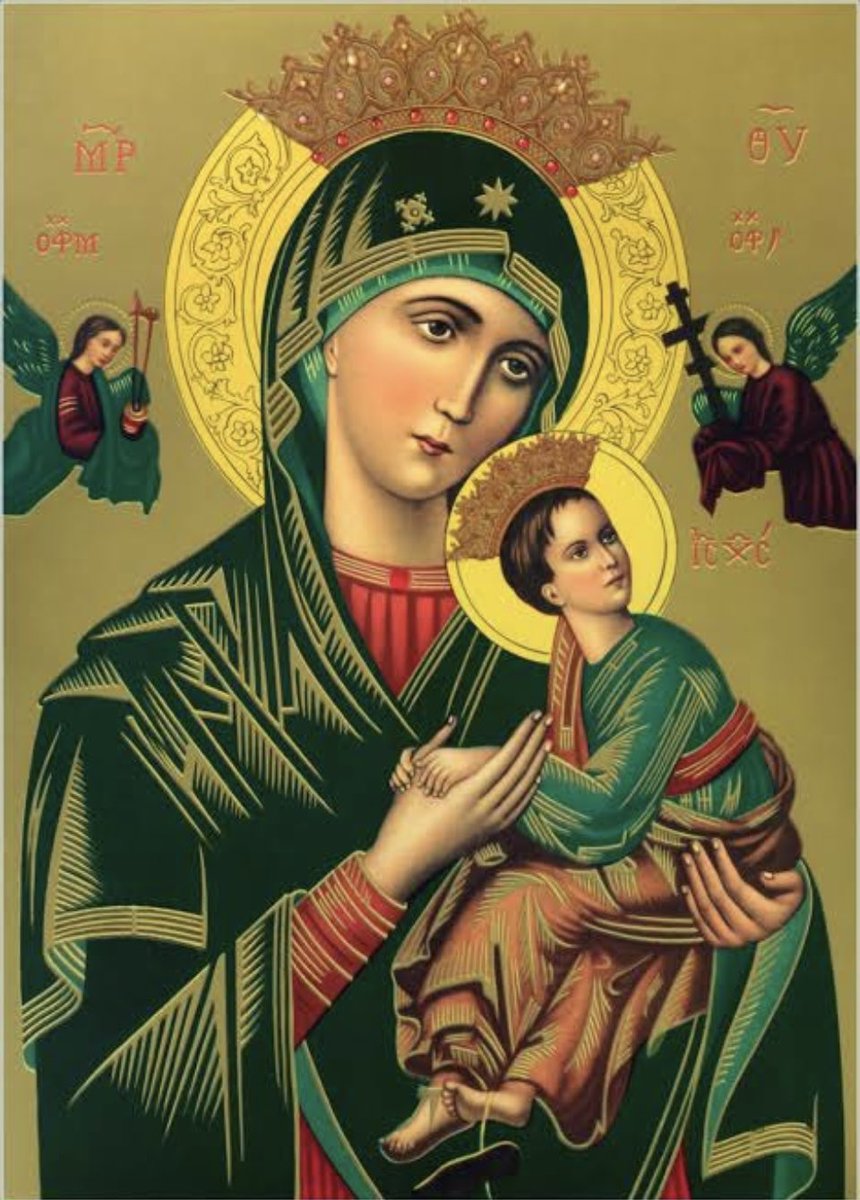
Mary, Refuge of Sinners, pray for us whenever we are tempted to sin. Obtain for us the strength to resist evil and the courage to choose what is right. Help us to rely on God's grace rather than our own strength, and lead us always closer to your Son. Amen.
Buttate i probiotici e mangiate invece Parmigiano Reggiano.
Ma come, Dabizzi, che c'entra il Parmigiano coi probiotici?
Beh, il terribilissimo e temutissimo formaggio a latte non pastorizzato (non solo il Parmigiano Reggiano, tutti) è non solo quello che dovreste mangiare, ma ha un'abbondanza di batteri.
E non è solo l'abbondanza, è anche la qualità.
Mangiare cibi fermentati - non pastorizzati! - come il Parmigiano Reggiano, il Gruyere o il kefir, tanto per citarne alcuni, permette di introdurre il batterio L. helveticus, un ceppo ampiamente studiato per i suoi benefici sulla salute intestinale, immunitaria e sull'asse intestino-cervello.
Quando s'ingolla una capsula di probiotici commerciali, i batteri liofilizzati si trovano privi di nutrienti e sono interamente esposti alle condizioni estreme dello stomaco, dove l'acido cloridrico e i sali biliari distruggono una percentuale altissima di microrganismi prima ancora che possano raggiungere l'intestino.
Ma quando mangiate formaggi a latte crudo, o un latte fermentato come il kefir, i batteri sono incorporati in una rete tridimensionale di proteine e grassi.
Questa struttura solida o colloidale funge da scudo.
I grassi e le caseine del formaggio tamponano l'acidità gastrica, proteggendo fisicamente le membrane cellulari del L helveticus durante il transito nello stomaco, garantendo una sopravvivenza nettamente superiore dei batteri fino al colon.
Oltre alla protezione fisica, il cibo fermentato fornisce ai batteri il sostentamento immediato per colonizzare l'ambiente intestinale.
La matrice viva contiene già i substrati prebiotici, i peptidi e gli aminoacidi liberi generati durante la stagionatura del formaggio.
Il Lactobacillus helveticus è un batterio fortemente proteolitico, il che significa che è specializzato nello scomposizione delle proteine del latte.
Nel formaggio o nel kefir, si trova nel suo habitat ideale, pronto a moltiplicarsi.
Questo non solo permette al ceppo di insediarsi efficacemente nel microbioma dell'ospite, ma rilascia anche sottoprodotti benefici, come i biopeptidi attivi che aiutano a regolare la pressione sanguigna e a ridurre l'infiammazione sistemica, un vantaggio terapeutico che una semplice capsula di batteri isolati non è in grado di replicare.
Inoltre volete mettere due morsi di un Comtè stagionato, bello puzzolente, a due capsule di probiotici?