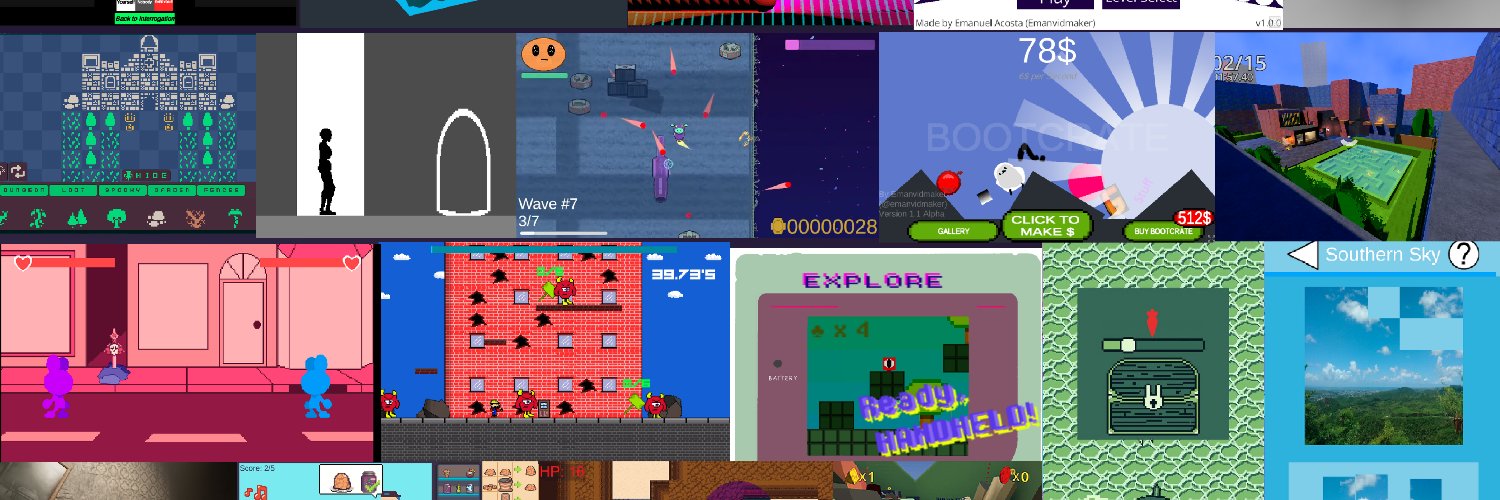
CHUNKY JUMP! DEMO is OUT NOW on Steam as part of the #SteamNextFest!
Play the first night of Jeff’s Story + new FREE PLAY mode with ghost races, leaderboards & minigames… if you can handle Anky’s insults.
Game developer Thomas Grové from Studio Interrupt recreated the same horror game in both Unity and Godot to compare the engines side by side, and the results were surprisingly one-sided.
The project, a retro-style horror game called “Eyes Never Wake,” was built in both engines under the same conditions.
According to Grové, Godot performed better in most areas affecting everyday development.
>The engine started much faster, scripts compiled dramatically quicker, exports finished in seconds instead of minutes, and the install size was only a tiny fraction of Unity’s.
>Godot launched in about 13 seconds versus Unity’s 80 seconds, and exporting took around 2 seconds in Godot compared to nearly 15 minutes in Unity.
>The developer also found that Godot delivered stronger lighting and atmosphere, showing how much the engine’s visuals have improved.
Google announces it will now prioritize AI-generated answers in search results over human-written website articles.
A move that could make it significantly harder for independent websites to gain organic traffic starting next Tuesday.
Ai-generated artwork officially is ineligible for copyright protection as the US Supreme Court declined to review a appeal case.
The court rules that artwork needs to have a human creator in order to be eligible.
(Source: https://t.co/WnYEKs7IcB)
Over 100,000 UNDERTALE cover songs exist.
I've listened to most, by nature of passion and professional obligation.
And the Okanagan Synthetic Orchestra version of Fallen Down is bar none. Please listen https://t.co/NwchTEZwyl
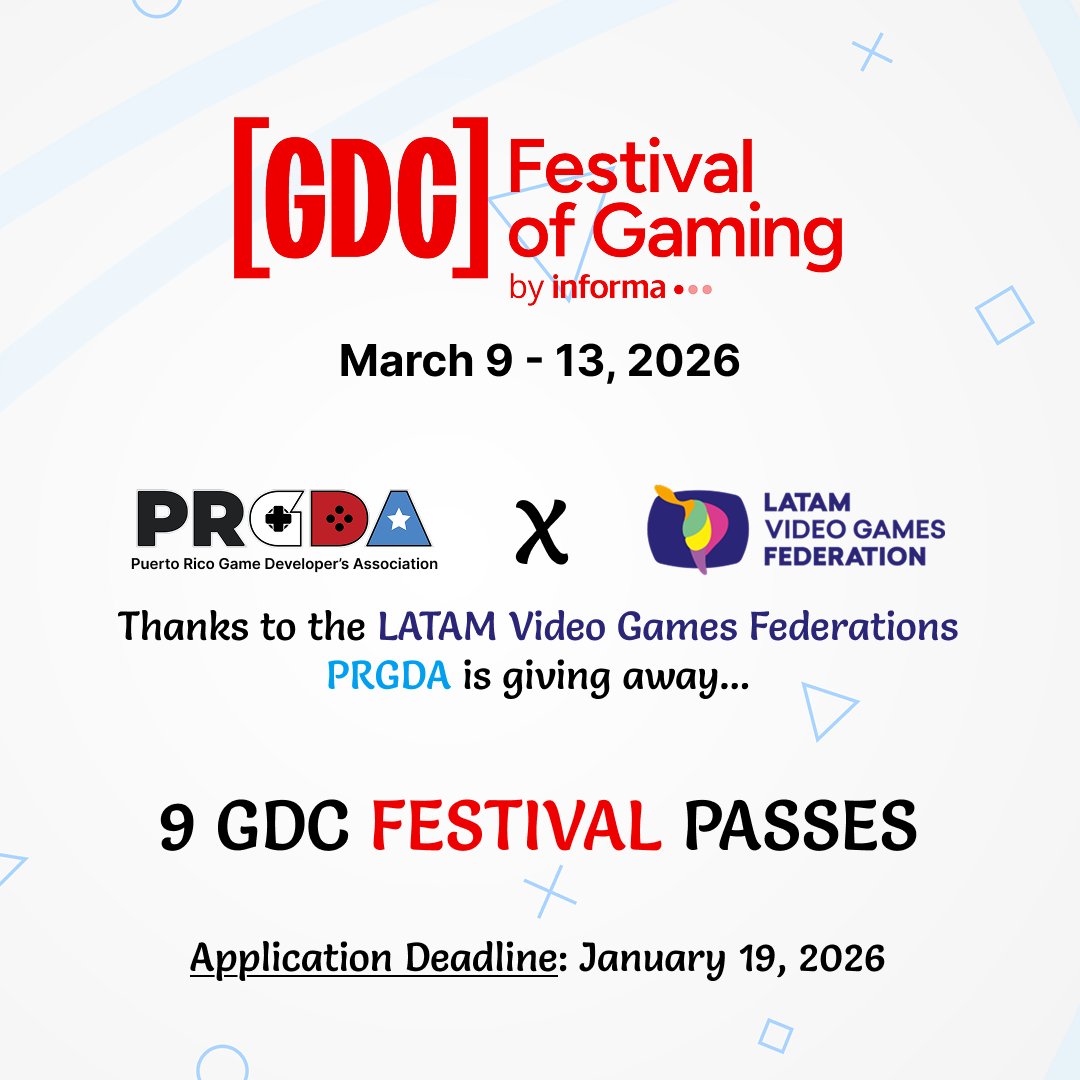
The #PRGDA, in collaboration with @latamVGF, is excited to announce our GDC 2026 Scholarship with 9 GDC Festival Passes! ✨
For more information, eligibility, and application form: https://t.co/a31mW2yTEm
Application Deadline: Jan. 19, 2026
Scholars Announcement: Jan. 30, 2026
ITS MADE IN PASCAL!?!?
> "There are 179 files in the zipped folder, comprising about 128,000 lines of mostly uncommented but well-structured code. By line count, about 75% of the code is in Pascal, about 15% is in 68000 assembler language, and the rest is data of various sorts."
"With the permission of Adobe, the Computer History Museum is pleased to make available the source code to the 1990 version 1.0.1 of Photoshop. All the code is available with the exception of the MacApp applications library that was licensed from Apple."
https://t.co/0795WRmRy7