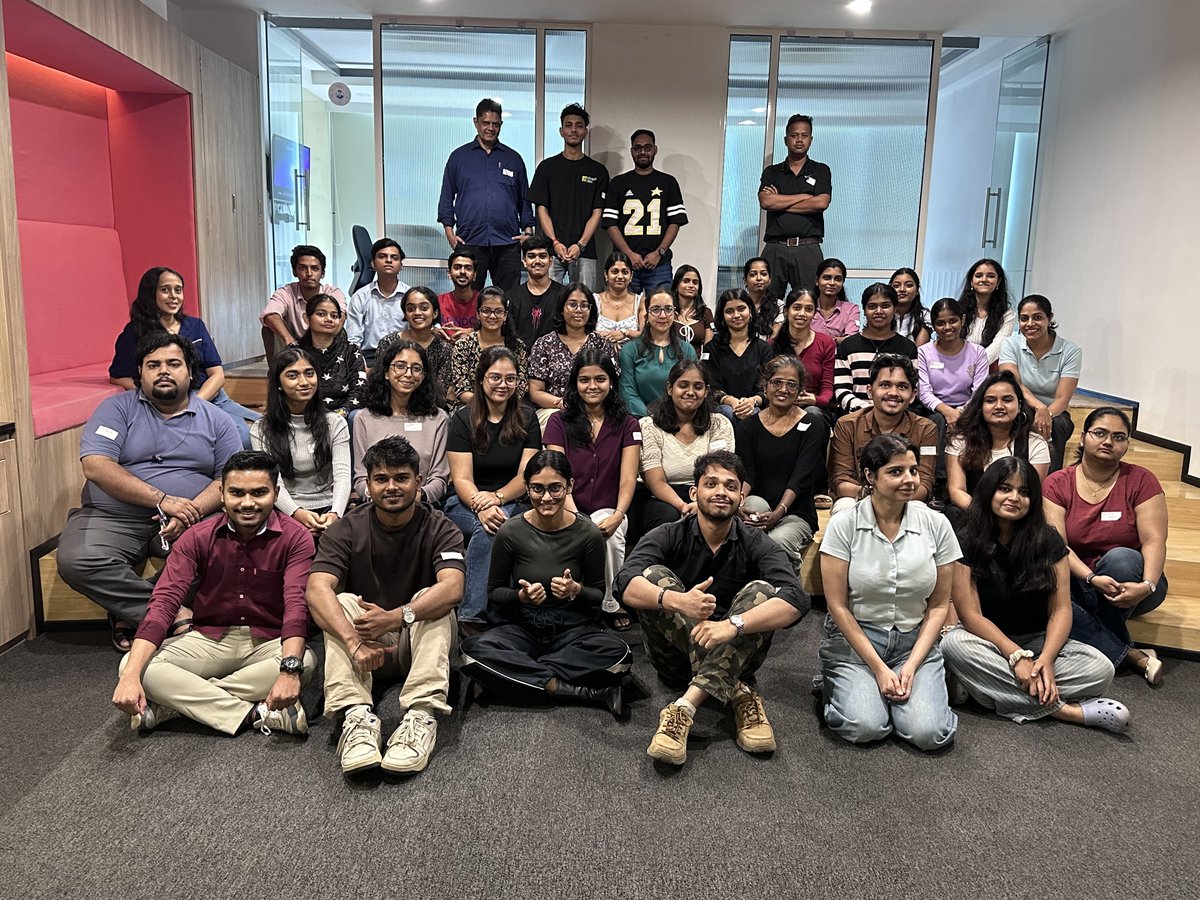
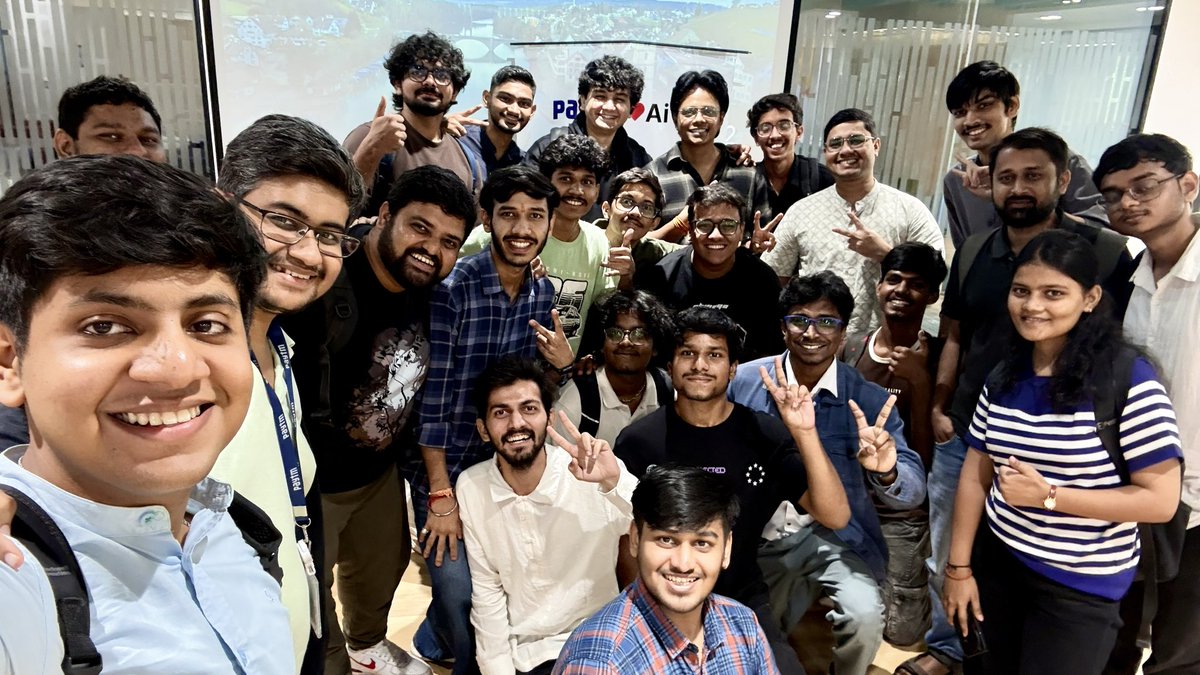
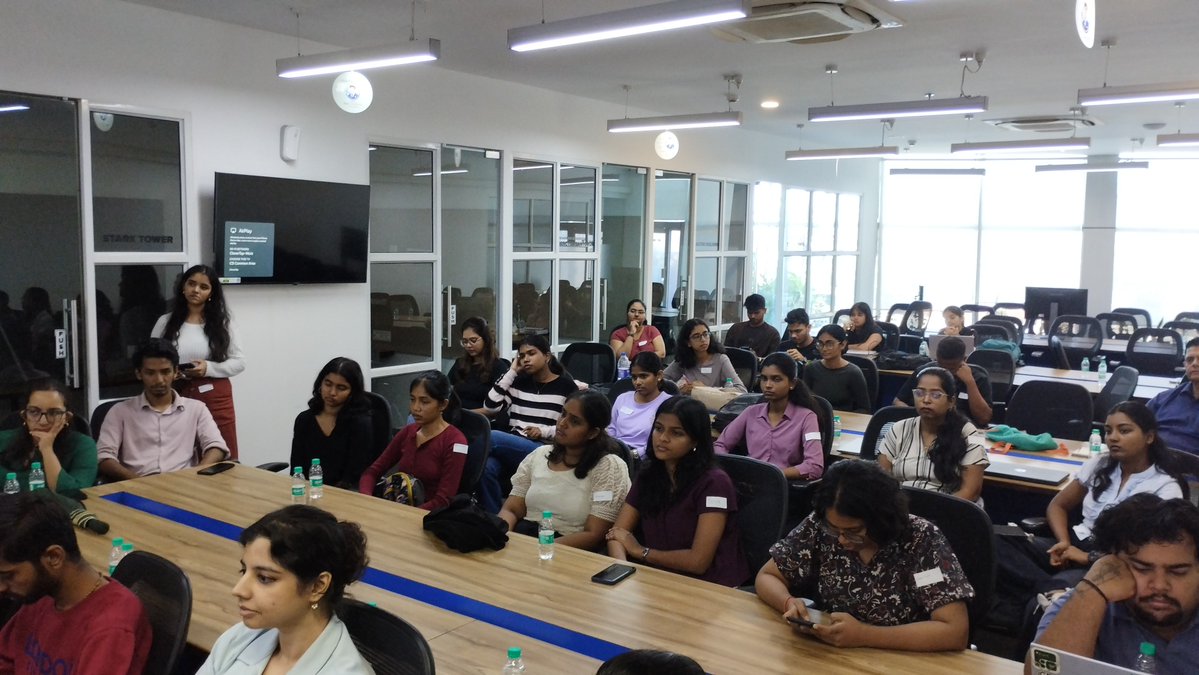
Ideas → Insights → Inspiration. 💡
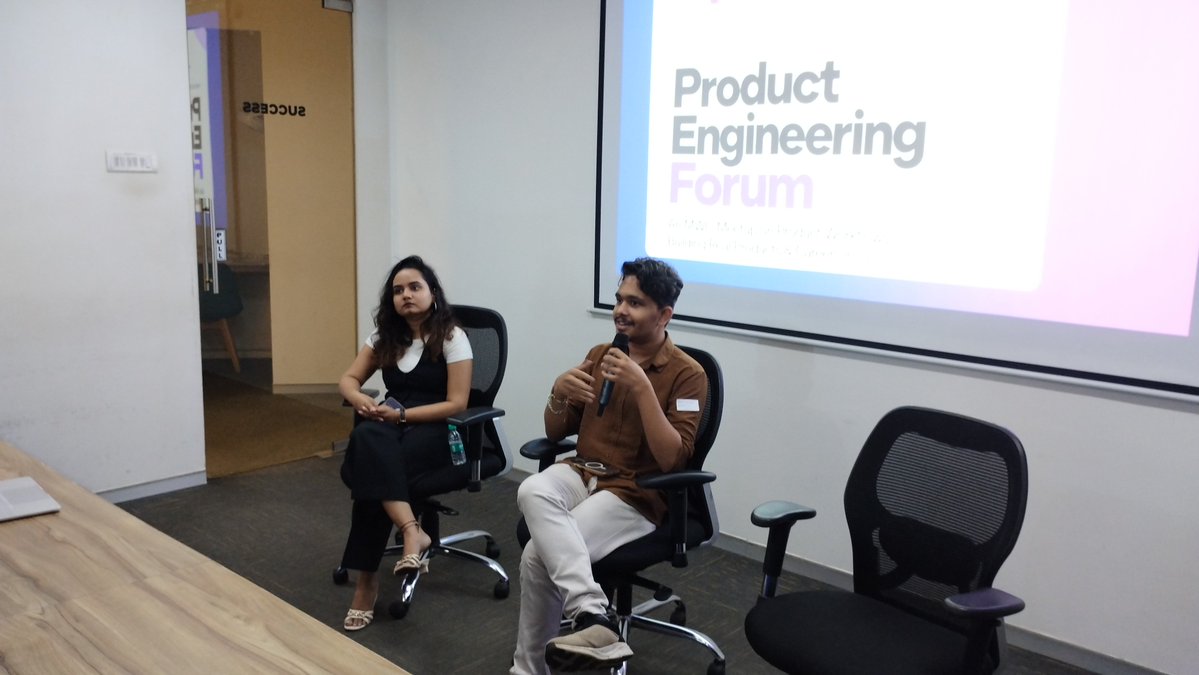
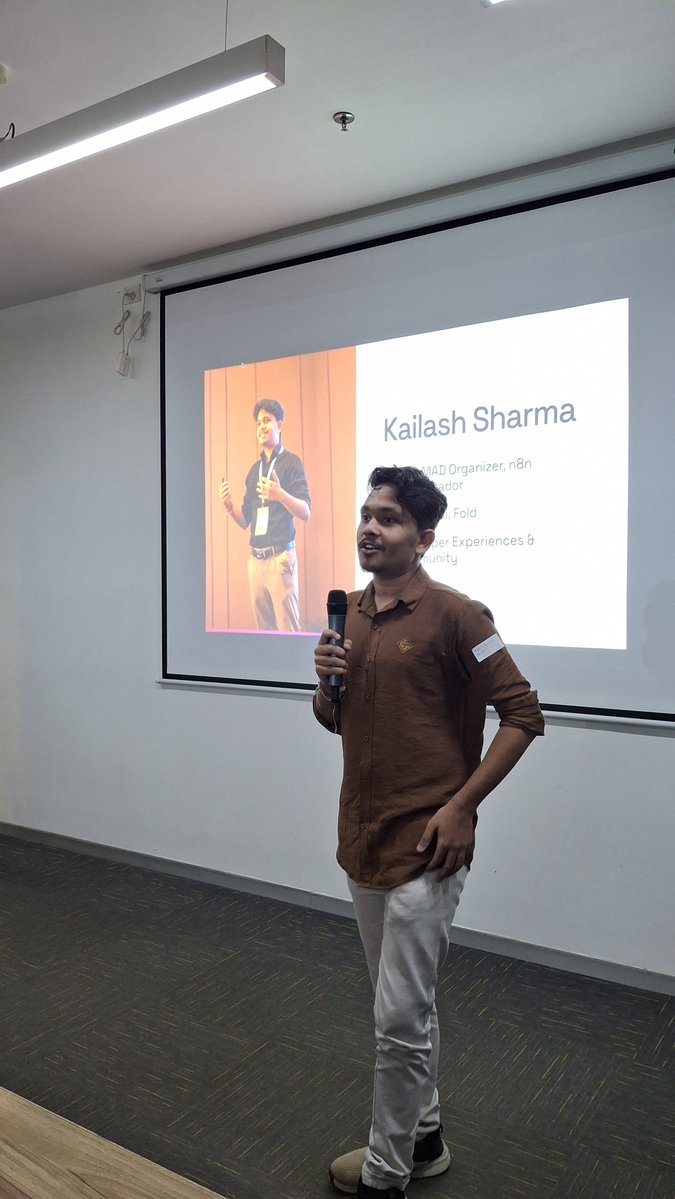
Thank you to Nandini, Suvidhi & Kailash for an insightful session, and to everyone who joined us! ✨
#mwc#productengineeringforum
Concluding this, I wouldn’t start by designing the perfect travel app.
I’d start with a blank page.
User > Problem > Journey > JTBD > Opportunity > Prioritization > MVP > Metrics > Iterate
I’m still learning how to do this well.
That’s exactly what makes it exciting to me.
10
If planning a trip was a product…
As an aspiring PM, this is how I’d start thinking about it.
Not with features.
Not with AI.
Not with an itinerary builder.
First:
What problem are we actually trying to solve?
1/10
And this is probably the biggest learning of product thinking
A PM doesn’t start with:
“What should we build?”
They start with:
“Why should we build it?”
Who has the problem?
How painful is it?
Why does it matter?
What is the smallest thing we can test?
Then we build.
9/10
Then, I’d want to understand whether users are actually getting value.
For eg:
Time to create a trip
Planning completion rate
Recommendation acceptance
Booking conversion
Post-trip satisfaction
The metrics should reflect the value we’re trying to create.
8/10
Then comes the part I’d probably find hardest:
What do we NOT build?
If the core problem is helping someone confidently plan a trip, maybe the MVP doesn’t need 25 features.
I’d identify the smallest experience that solves the core problem.
Then test it.
Learn.
Iterate.
7/10
At this point, I’d probably have 50 ideas.
AI itinerary generation.
Personalized hotels.
Restaurant recommendations.
Concierge.
Maps.
Budgeting.
Booking.
But I’d force myself to ask:
Which problem is painful enough to solve first?
That’s where prioritization comes in.
6/10
Then I’d ask:
What job is the traveller actually hiring the product to do?
Is it:
“Help me find a hotel”?
Or is it:
“Help me plan a great trip without spending 20 hours researching it”?
Those sound similar.
They’re actually very different product problems.
5/10
Next, I’d map their journey.
Inspiration > Destination > Research > Compare > Book > Plan > Travel.
Then I’d look for:
Where is the friction?
Where are users dropping off?
Where are they switching b/w products?
That’s where I’d start looking for opportunities.
4/10
Then I’d try to understand the problem before jumping to solutions.
I’d talk to travellers & observe how they currently plan.
Ask:
What takes them the most time?
Where do they get stuck?
What decisions stress them out?
What would they like to outsource?
The goal: find the pain
My first step would be understanding the user.
Because the term “traveller/tourist” is way too broad.
A solo backpacker, a family with kids, a honeymoon couple and an HNI travelling for 4 days have completely different needs.
So I’d ask:
Who are we actually building for?
2/10
🚀 Women in Swift Spotlight 👩💻
Meet Midhet Sulemani (@itsnotmidget), SDE (iOS) Heady.
Her journey into iOS started from the world of web development and a timely opportunity.
Here’s her story 👇
#WomenInSwift#SwiftMumbai#WomenInTech