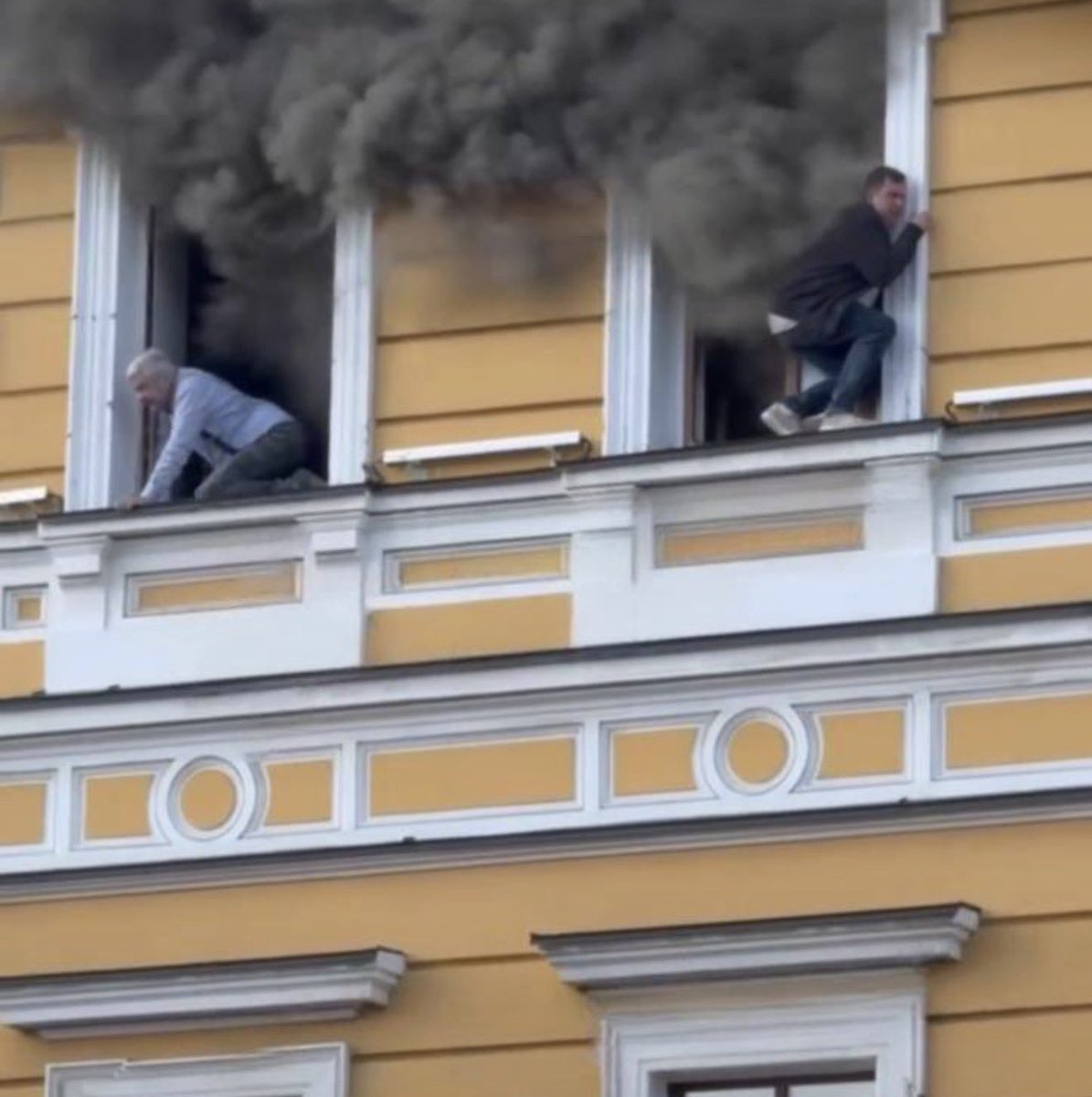
це я з отитом під час 12 тривоги за день ховаюся від дронів та лякаюся кожного шороху. в нас холодно, на вулиці +8, а все, що ми встигли прогріти за пару годин, вже охололо. сьогодні біля нас було 2 прильоти, зараз працює ппо. страшно, що це не все
від чого росія мене рятує?
це я з отитом під час 12 тривоги за день ховаюся від дронів та лякаюся кожного шороху. в нас холодно, на вулиці +8, а все, що ми встигли прогріти за пару годин, вже охололо. сьогодні біля нас було 2 прильоти, зараз працює ппо. страшно, що це не все
від чого росія мене рятує?
Ukraine. The photo the world turns a blind eye to.
A mother and her child.
Buried alive by a russian missile in their own home.
💔📸 Zaporizhzhia, Ukraine. October 10, 2026.
She was lying there, raped, her neck broken, with a noose around her neck. Beside her hung her 3-year-old son.
When they took him down from the rope, he was blue and no longer breathing.
But then a miracle happened. And what this child said a year later will break your heart.
June 20, 2022. Kherson region, an occupied village. At two in the morning, the wife of a Ukrainian serviceman managed to message her husband that someone was breaking down the door to their home.
His sister arrived an hour later. The gate was locked, so she climbed over the fence.
The door had been ripped from its frame, and a window was smashed. Nothing had been stolen. They had not come to rob them. They had come to kill.
In the room, her sister-in-law was lying on the couch, undressed and brutally beaten. Her head was twisted unnaturally, her neck was broken, and there was a noose around her neck. She was 28.
Beside her hung her three-year-old son. He had also been beaten, with about a dozen cigarette burns on his face. The rope was pulled so tightly around his neck that the woman tore her fingernails bloody trying to untie it.
The child was blue. His head was swollen from edema. He was no longer breathing.
The woman screamed at him: “Breathe! Live! Because I won’t be able to live with this — I’ll lie down beside you and die too.”
She performed CPR on him. She was afraid she would break his ribs — she didn’t. And he began to breathe.
He had watched his mother being killed. And she had watched her child being tortured. The window had been broken — people nearby had heard what was happening, but no one admitted it.
Then came three weeks in occupied Kherson. The woman waited for the burns and the rope mark around the child’s neck to heal.
What had not healed, she covered with makeup so they would not be recognized and killed immediately.
At the hospital, they warned her: “If they try to detain you, run. Half the hospital is occupied by FSB officers.”
To get the boy out, the woman forged documents directly on her phone using Photoshop. She was taking him out as if he were her own son. Thirty checkpoints lay ahead.
At one of them, a rifle was pressed against her temple. One Russian said, “Get rid of these two.” Another replied, “No, I’ve had enough for today.” The first said, “I’m fine with it.”
He was wearing a wedding ring. Perhaps a wife and children were waiting for him at home. And he was perfectly fine with killing a woman and a child sitting in a car.
Three days on the road. The woman pressed the pedals with one leg because the other had become paralyzed.
At a filtration checkpoint, a young officer asked whether anyone in the car had survived torture.
She said: “Yes.”
Is anyone injured? — Yes.
Has anyone been tortured? — Yes.
When she pointed to the three-year-old child, the officer began to cry. He could not continue the conversation.
In Odesa, doctors diagnosed the boy with clinical death, asphyxia, cerebral edema, a damaged wrist joint, a jaw injury, and eight broken teeth.
He stopped speaking — his muscles had atrophied. His speech development was set back by a year.
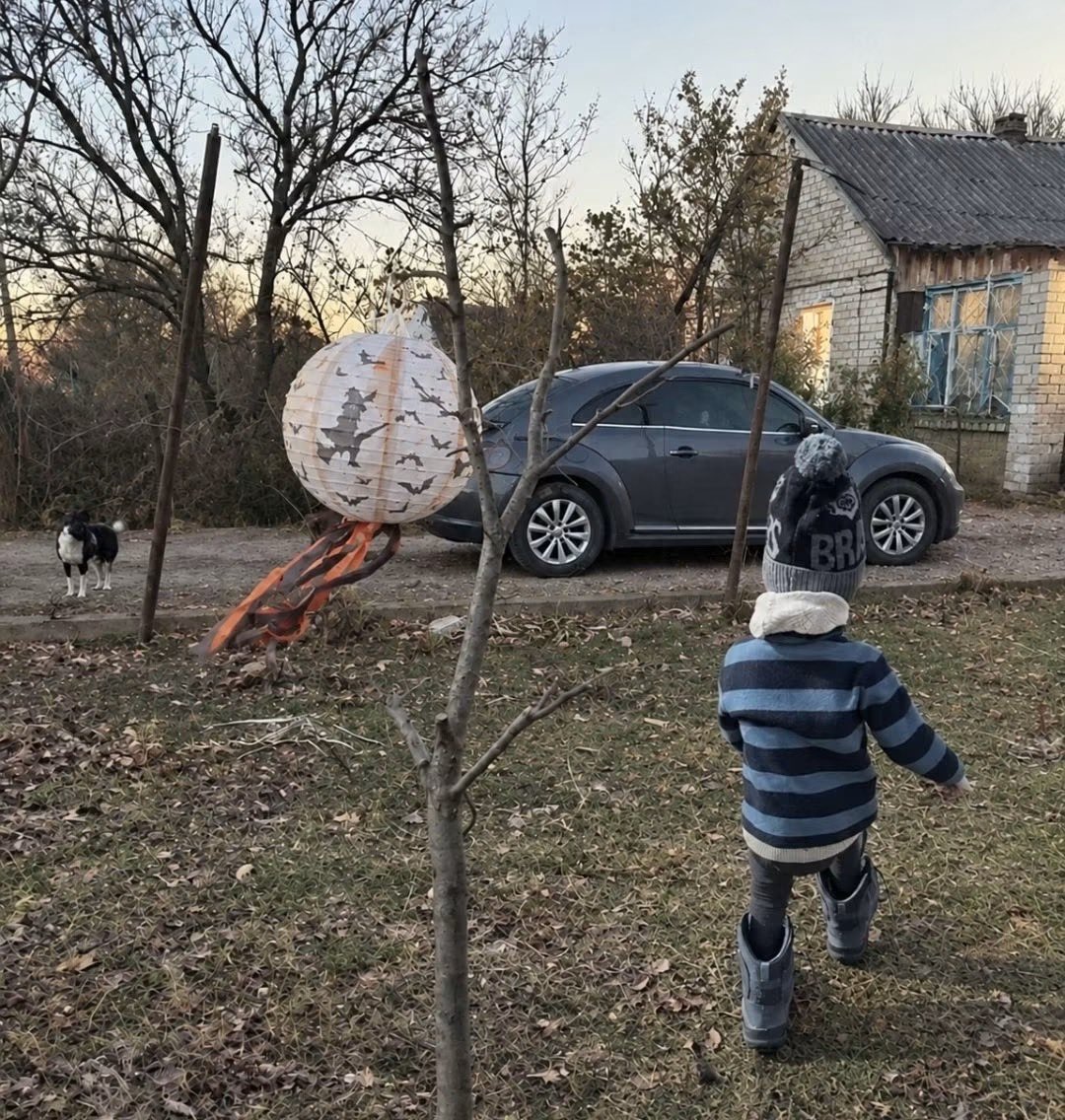
They now live in Odesa. The boy speaks again, goes swimming, attends kindergarten, and works with a speech therapist.
He knows that his mother is gone. A year after the tragedy, he went outside one evening, pointed his little finger toward the sky, and said:
“Moon, sky, Mommy.”
The boy’s father is a serviceman. When they arrived in Odesa, he met them deeply devastated. He was able to stay with them for two weeks — as long as his command allowed.
“He could have left the military and become his son’s guardian. But he didn’t. Because he is a patriot. Because he continues to fight,” she said.
And after the liberation of the left bank of the Kherson region, there will be many more.
Source: translated from the original text by Oleh Bairak.
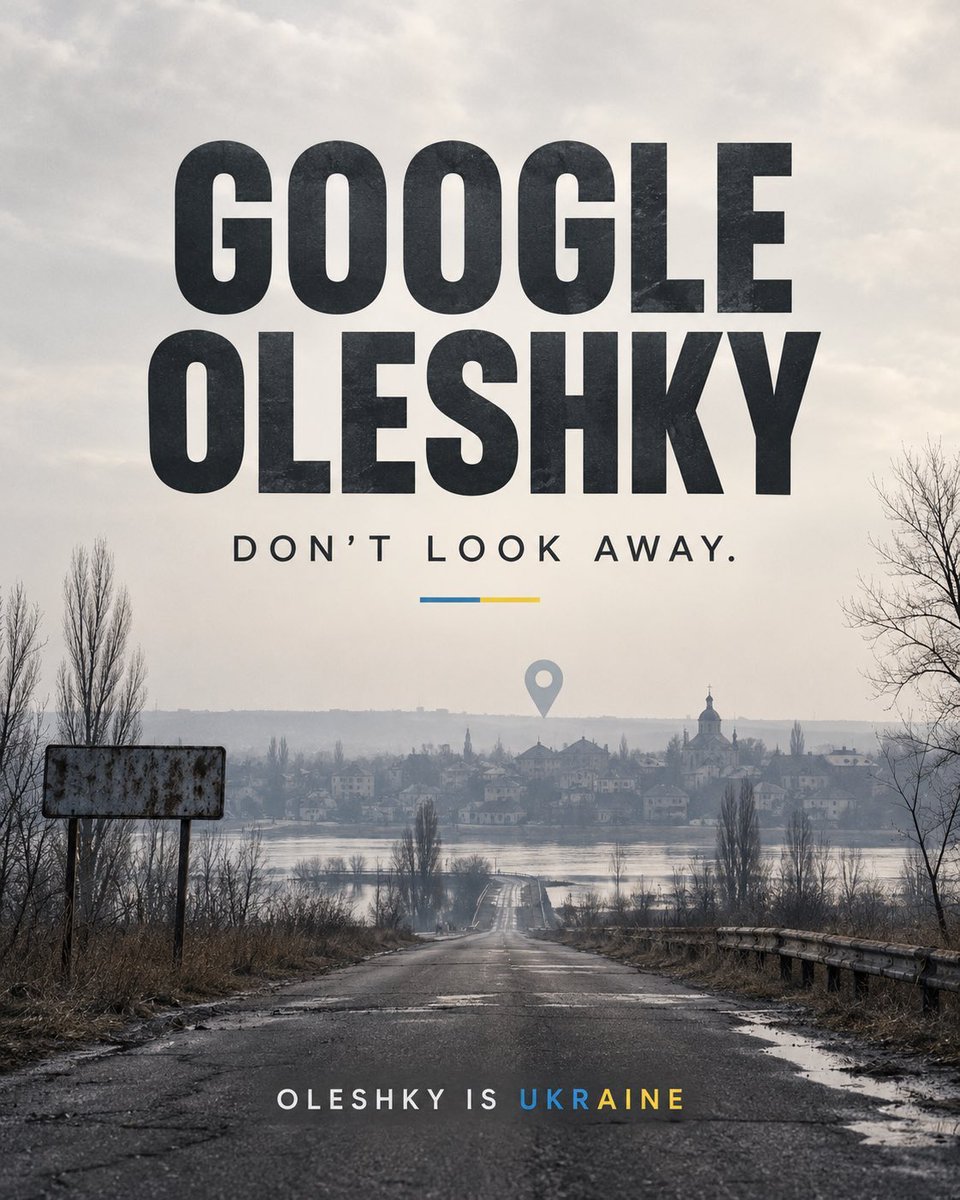
La russie affame les Ukrainiens d’Oleshky occupée.
Plus de 6 000 personnes, dont 200 enfants, privées de ravitaillement depuis le 26 mai, empêchées de fuir.
En Europe. En 2026.
devastating to see this song on so many "doomed yuri" playlists when these women are conservative and homophobic and support russian invasion of ukraine and their supposed queerness was a marketing stragedy from their manager
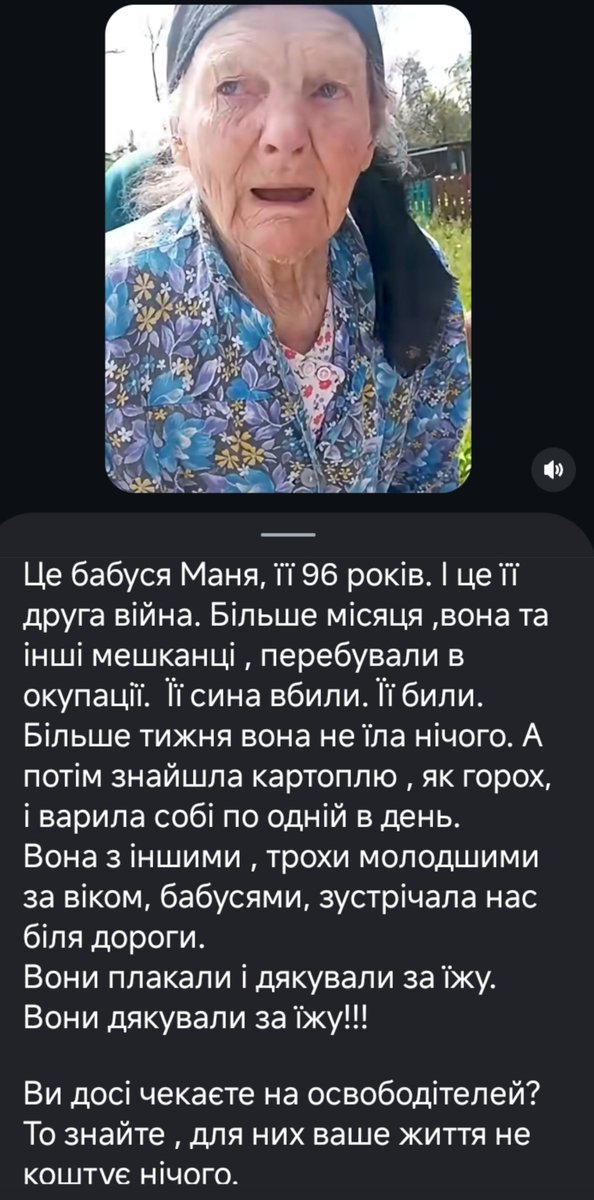
93 years old.
Russia steals childhood from Ukrainian children.
Russia steals adulthood from Ukrainian adults.
Russia steals the twilight years from Ukrainian elderly.
Russia doesn't allow Ukrainians to be born in peace, live in peace, or die in peace. No justice great enough.
❗️The total blockade and resulting starvation in the Ukrainian town of Oleshky bear a striking resemblance to a combination of the Holodomor and the Holocaust. No one cares whether a person lives or dies.
🔴 And the most harrowing part is that there are children there.
What’s happening in Oleshky: a 🧵
Oleshky is a city on the Left Bank of the Kherson Region in Ukraine, formerly around 20,000-30,000 residents, now down to 2000-3000 due to the occupation.
Russian occupiers shot and killed a 13-year-old boy who was trying to escape the war with his mother. He had to be buried twice.
This is the story of 13-year-old Yelisei Ryabokon from Brovary.
In the photo on the left is an ordinary schoolboy. On the right is the hat he was wearing, riddled with bullets and shrapnel, along with his white soccer jersey, which he wore over his jacket to show that he was a civilian.
On March 11, 2022, Yelisei’s family tried to escape from the village of Peremoha, already occupied by russian forces.
As they were driving, russian soldiers initially waved to them, as if wishing them a safe journey.
Then they opened fire on the cars carrying civilians.
Yelisei’s mother and younger brother were in one car, while Yelisei was traveling in another.
The first vehicle exploded after being struck by a shell. People scrambled out of the cars and tried to hide.
“I was pulling the little one by his hood,” his mother, Inna, recalled.
She hoped her older son was still alive. When she was finally allowed to return to him, she realized he had died instantly.
He was lying on the back seat, curled into a small ball. His mother barely survived and managed to pull her younger son out of the gunfire.
At first, Yelisei was buried in a vegetable garden in the village.
Only later was his family able to bring his body home to Brovary and bury him properly.
They never opened the coffin.
His father, Yevhen, who serves in the Armed Forces of Ukraine, never had the chance to see his son one last time.
His mother wants the world to know what russia has done in Ukraine and to remember every murdered child.
Those who knew Yelisei remember a calm, polite boy who was always smiling.
Source: translated from the original text by Oleh Bairak.