White House OMB has proposed putting political appointees in sign-off positions on federal research grants, de-emphasizing peer review, tightening international collaboration rules, and limiting support for journal publications.
What this actually does is change which projects look viable to pursue and which teams can execute them without added friction. Data-heavy fields that run on shared datasets and cross-border work will see the effects first.
Peer review has its flaws. Apparently the solution is to have the final say rest with people who don't need to read the science first.
Source below.
Today, Ripple is breaking into the $120T corporate treasury payments market with the $1B acquisition of GTreasury.
The past few years have reminded this industry why payments, first and foremost, is THE primary use case for crypto and blockchain. Payments are where Ripple first started for exactly these reasons – the infrastructure is complex, siloed and inefficient, but as we know, perfectly positioned to benefit from decentralized financial technologies.
Astounding amounts of cash are trapped in outdated payments systems, creating friction, unnecessary costs, and barriers to entering new markets. GTreasury has been serving some of the most well known brands for decades – and now together with Ripple, we’ll be able to help CFOs manage all their assets, include stablecoins, tokenized deposits, etc at scale around the world, as well as put their idle capital to work with repo markets via Hidden Road.
The opportunity is here, and we’re diving right in. It’s happening!
https://t.co/GCXS6QqNqt
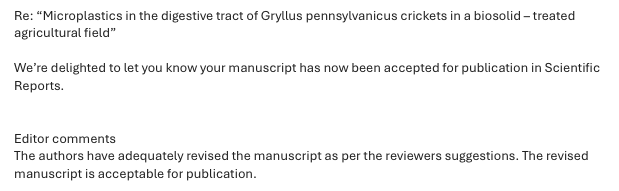
4:28 a.m. A ping. A soft fluorescent glow. Some research I did as an undergraduate was accepted by Scientific Reports. You can read it soon, I guess. If you’re into that sort of thing.
Ripple is dropping our cross appeal, and the SEC is expected to drop their appeal, as they’ve previously said. We’re closing this chapter once and for all, and focusing on what’s most important – building the Internet of Value. Lock in.