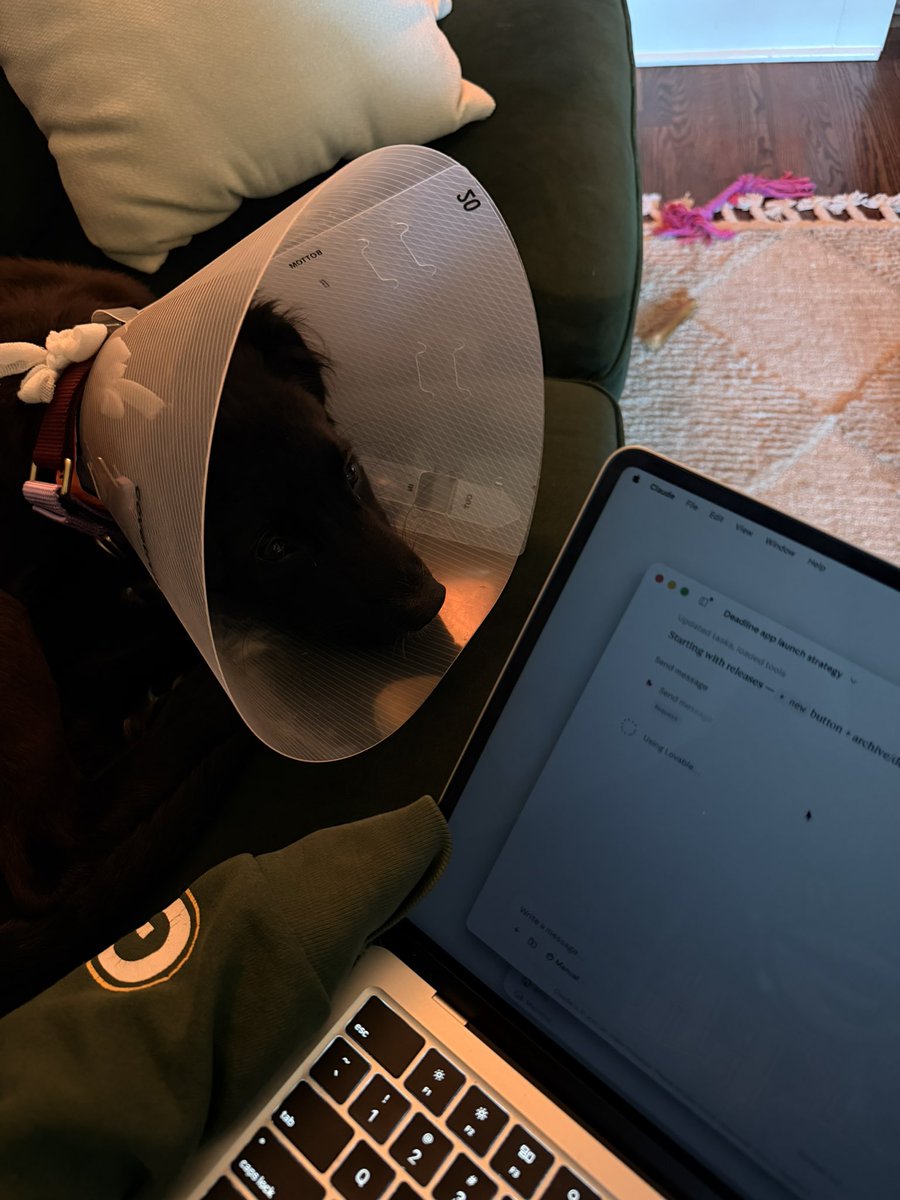
When you’re both the case study and builder!
My names Em,
I’m an indie artist that got v super tired of managing my writes and releases in a thousand places, so I’m building @DedlineApp
I’m a marketer by day, rockstar by night, and now diving into SaaS?! Why not!
Your turn!🫱🏻🫲🏼
I’m a GIGANTIC advocate for bringing your users together irl, to celebrate them and build a sense of belonging beyond a product.
For Tally, it made so much sense. We’ve always been fueled by our users and the community that’s come from that.
We have multiple @TallyForms meetups around the world coming up in the next few months.
Some organized by us, some by the community. It's a deliberate bet on things that don't scale: slower, messier, and harder to measure. But meeting people in real life, hearing their stories, and getting unfiltered feedback is more important than anything else we do at scale. Even with only 30 people in a room.
We’ve done some meetups here and there in the past, they spontaneously happened, but now we’re ramping it up with our Tally Meetup Framework.
Here's how our marketing team of 2 runs them:
1. Ask who wants to organize something. We posted in our community Slack and in our newsletter and made a list per city.
2. Pick a co-host per city. We don't have an ambassador program. We just reach out to long-time Tally power users we've been in contact with, ideally Tally friends with their own community or space. Our informal bar: they build real things with Tally, they talk about it online, and they can bring people in.
3. Chat on Slack. We communicate via our community Slack and always have a quick call first to see if there's a match on both sides, before locking anything in.
4. Set a date and keep the program simple. The host shares how they use Tally, and I join (in person or remotely) for a founder AMA about the story behind Tally. ~45 minutes of program, max. The real value is people talking to each other.
5. Create a @LumaHQ page with the host as co-host. We announce ~4–6 weeks out, share it on our socials and in our newsletter, and let Luma send their built-in reminders.
6. Overbook on purpose. We aim for 30–40 people in the room, so we allow up to 100 registrations to cover no-shows.
7. Make the space feel like Tally. We pick venues that feel like home, nothing too corporate. We made fun merch and decoration to send along (currently figuring out how to get boxes to the other side of the world in an efficient way).
8. Cover the costs. We pay for the location, drinks, and a photographer (good photos make the recap and give the host something to share too).
9. Close the loop. We always ask for feedback afterwards. We share the photos, and we spotlight the host and their work. Hosting should be a win for them, not a favor to us.
10. Turn it into a checklist. Everything above lives in a Notion task template, so each new city is a copy-paste, not a restart. We learn from every meetup and adjust as we go.
As always: quality > quantity. We’re keeping this intentionally small as we’re just getting started.
https://t.co/RRWBxnkloB
Love how seamless this answer piping was through @TallyForms AI agent. Just a small detail that makes allll the difference in a form experience. Took literally 20 seconds.
5. Believing I can actually do this.
That’s it. As simple & human as it is.
But this entire process is metamorphosing me from the inside, out and THAT’S what I’m eager for.
If one of your biggest goals is to improve and gain experience,
Then baby we’re crushin’ since day one.
4. Marketing beyond the algo.
Another road block I can directly tie to ADHD (she’s a big player in my life), but on the other side of pushing through these blocks is game changing: not just conversion, but the content and story that come with it.
More soon with this one 😮💨