Some of the most complex patients in sleep medicine are dealing with four or five things stacked on top of each other. Apnea, restless legs, anxiety, chronic pain, sometimes a mood disorder and a circadian issue, all at once. If that's you, you're not a lost cause.
Alertness has a peak and a trough. Growth hormone has a peak and a trough. Nearly everything in the body oscillates on a daily rhythm, down to things you wouldn’t expect.
Pregnancy insomnia is extremely common, and worth naming clearly: it's not a sign you're doing something wrong, and it isn't always fixable with the usual sleep advice. What's actually driving it varies by trimester.
Your sleep doesn't respond to generic advice nearly as well as it responds to your own data.
The point of experimenting isn't to find the universal answer. It's to find yours.
CBT-I (cognitive behavioral therapy for insomnia) is the most effective treatment for chronic insomnia that almost nobody starts with. Most people try melatonin or sleeping pills first. The research says start here instead.
Struggling to feel rested? A sleep study can uncover the reason and the treatment path. Don’t sleep on it. Most people who need a sleep study never get one.
A rough week of stress-related sleep is common and usually resolves on its own. But there's a point where self-managing stops being the right move.
If you think you have insomnia, speak to your doctor or physician.
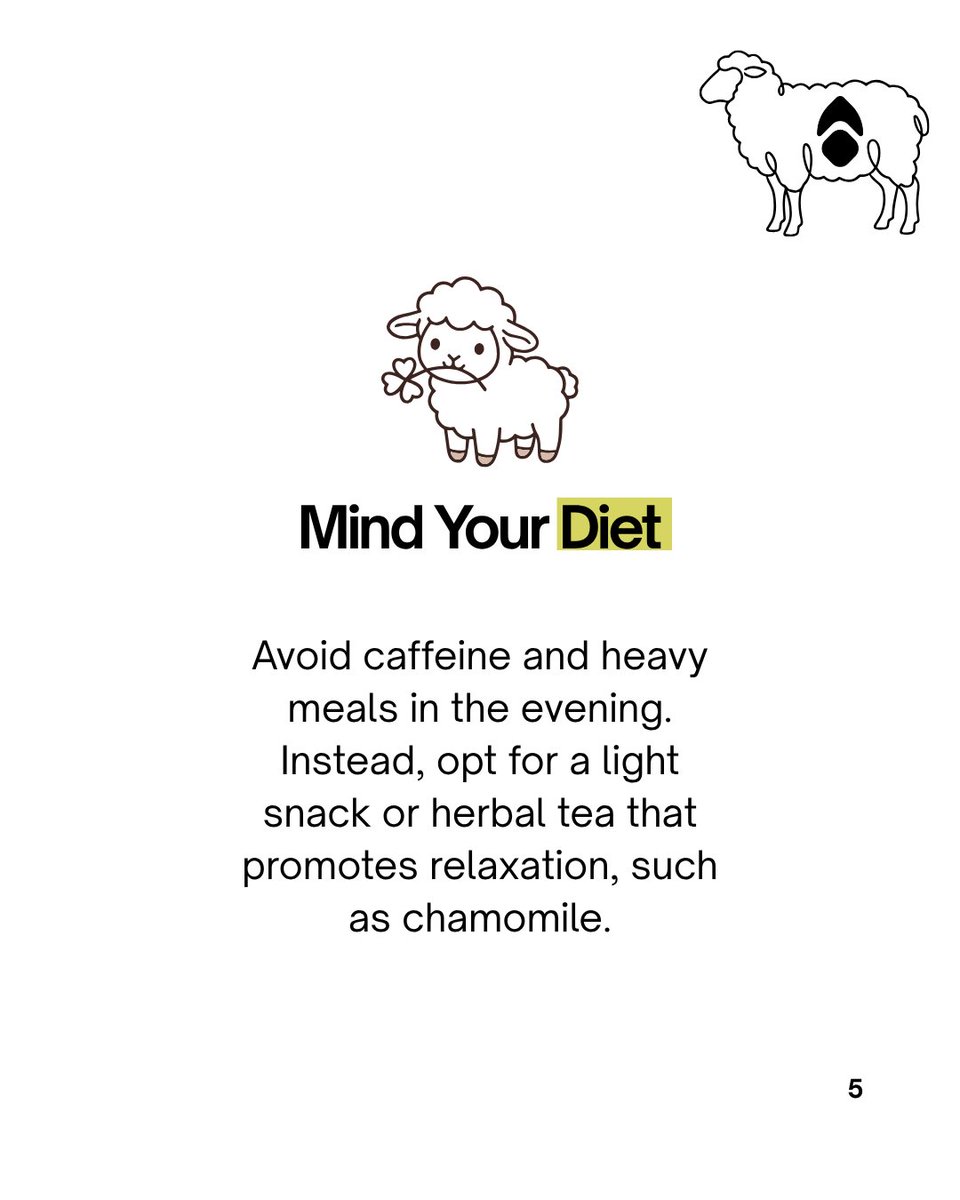
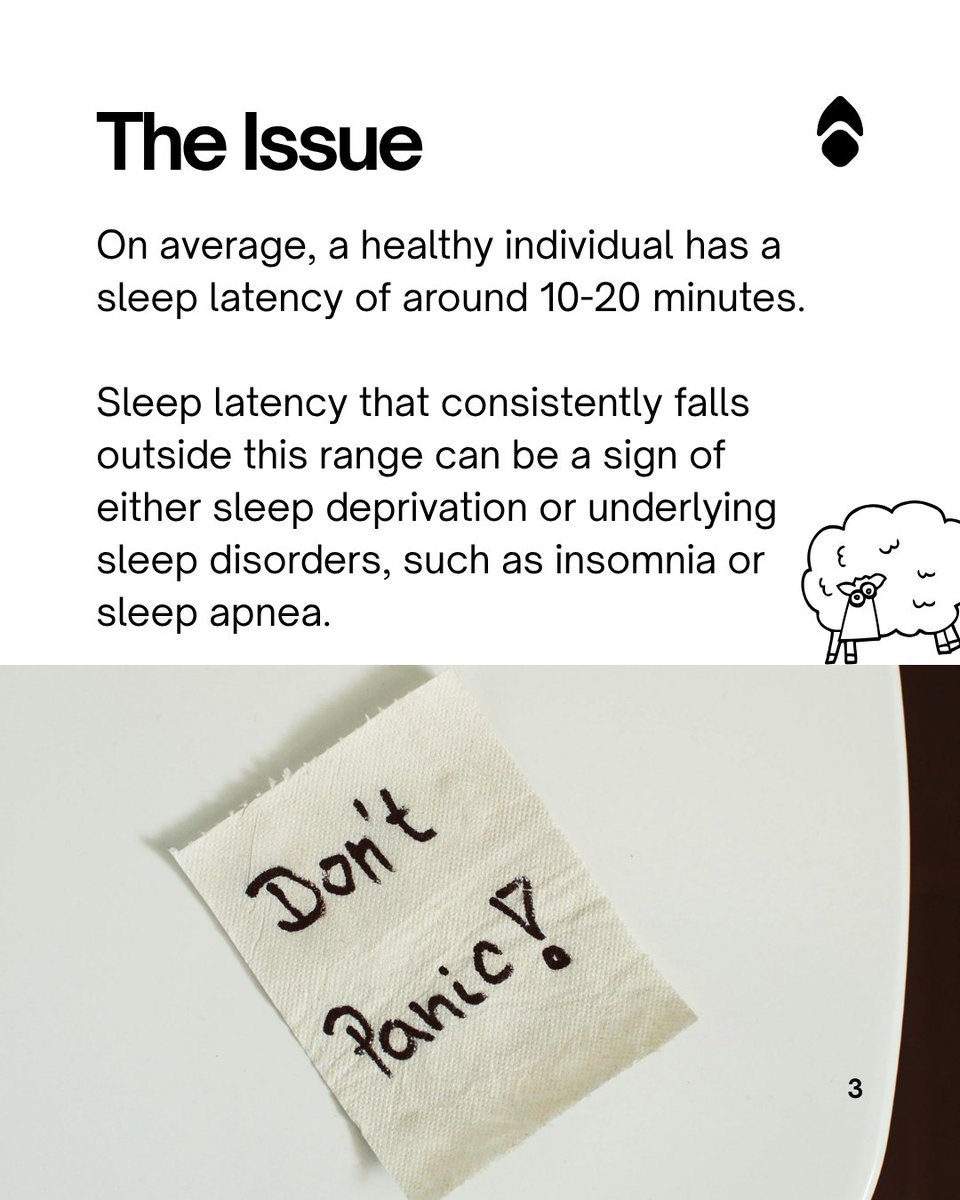
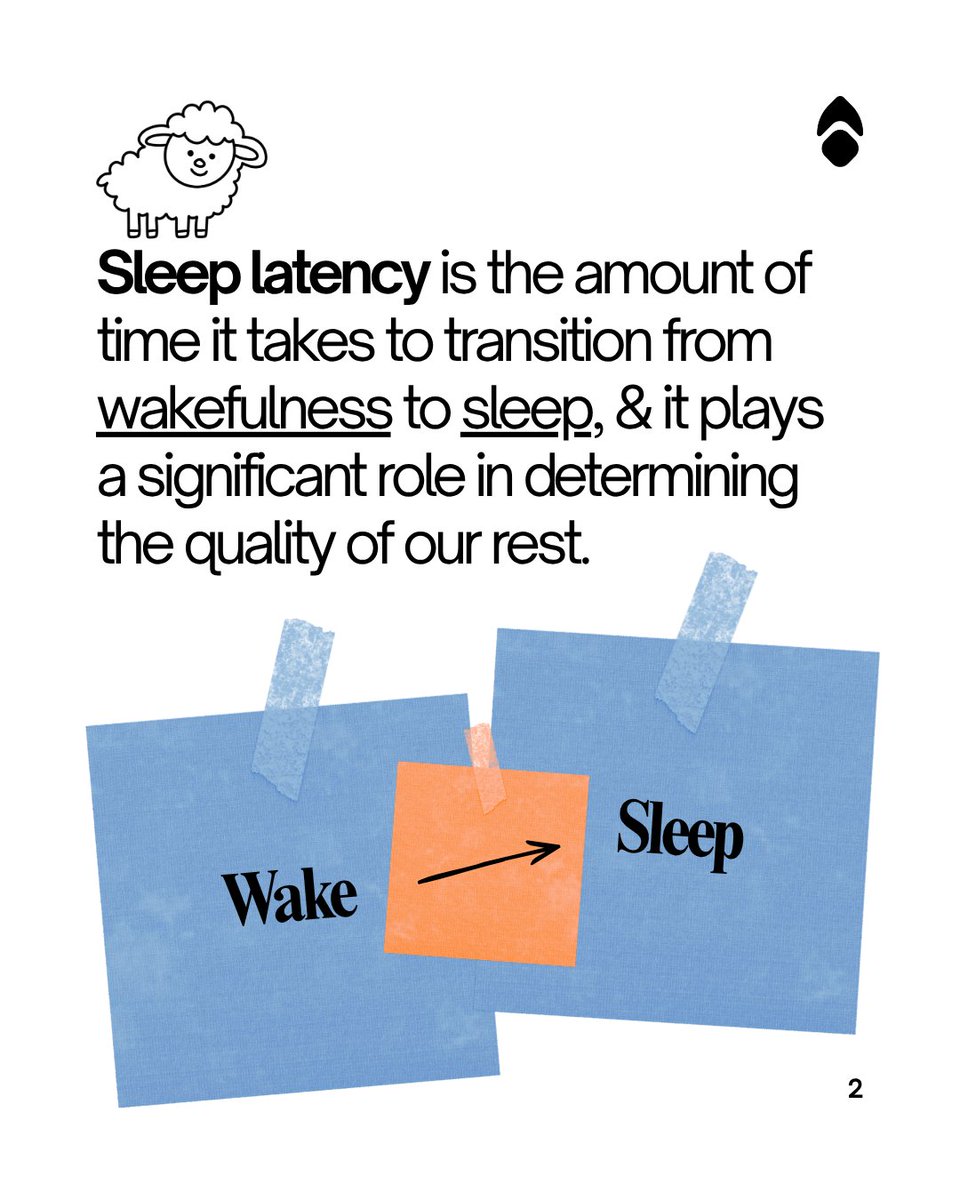
Sleep latency is the amount of time it takes to transition from wakefulness to sleep, and it plays a significant role in determining the quality of our rest.
There's no single "best" CPAP mask. There's the one that matches how you sleep and how you breathe. Getting it wrong is an extremely common reason people stop using a machine that's actually working.