Ondansetron is a serotonin receptor antagonist; drugs in this class are the most effective drugs available for suppressing nausea and vomiting associated with anticancer drugs.
After an inflammatory insult (injury, infection etc.), arachidonic acid is released. The COX enzyme works on arachidonic acid that causes the release of several prostaglandins
Congenital adrenal hyperplasia (CAH) results from an inborn deficiency of the enzymes needed for glucocorticoid synthesis. The condition is marked by increased production of ACTH, because the pituitary attempts to enhance glucocorticoid synthesis.
Menopausal hormone therapy (HT), formerly known as hormone replacement therapy (HRT), has three approved indications: suppression of vasomotor symptoms, prevention of urogenital atrophy, and prevention of bone loss and osteoporosis.
Sitagliptin (Januvia) inhibits an enzyme named dipeptidyl peptidase-4 (DPP-4) that breaks down incretin hormones. As a result, levels of GLP-1 and GIP incretin hormones are increased allowing more insulin production.
Agents that stimulate insulin release include:
— Sulfonylureas: first and second generations
— Meglitinides: repaglinide (Prandin) and nateglinide (Starlix)
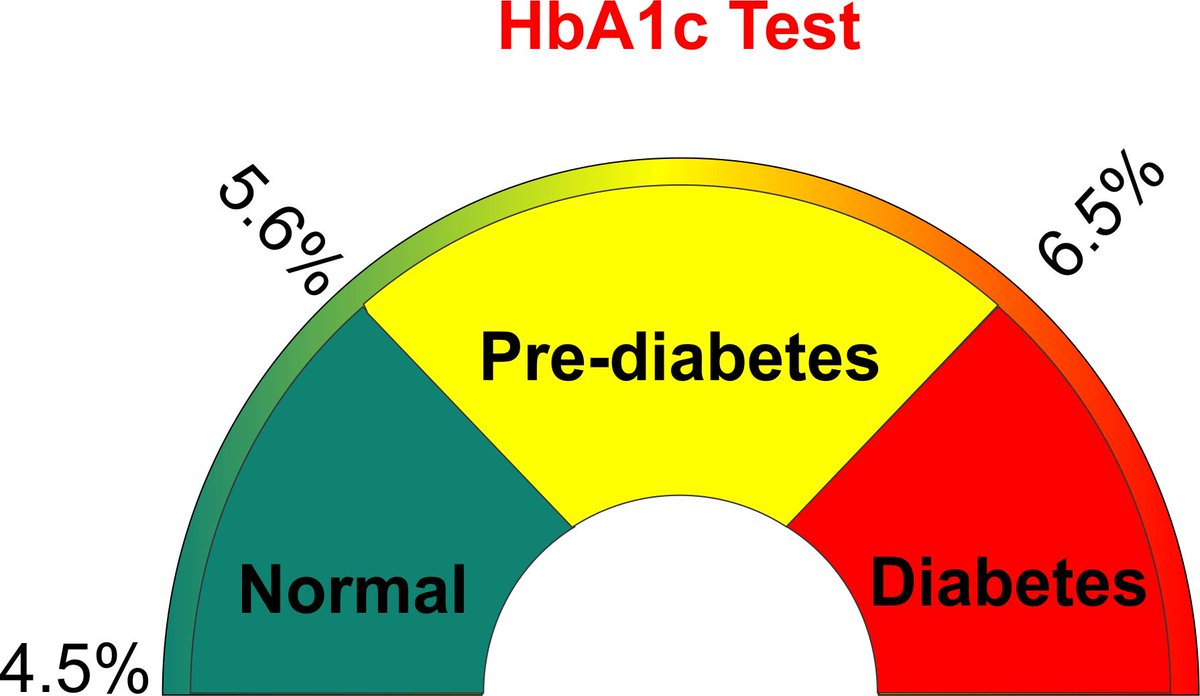
The Glycosylated hemoglobin level, HbA1c, tells you your average level of blood sugar over the past 2 to 3 months. For people without diabetes, the normal range for the hemoglobin A1c level is between 4% and 5.6%.
AVANDIA (rosiglitazone maleate) is an oral antidiabetic agent which acts primarily by increasing insulin sensitivity. AVANDIA is used in the management of type 2 diabetes mellitus.