Historical novelist: author of TRIANON, MADAME ROYALE, and MARIE-ANTOINETTE, DAUGHTER OF THE CAESARS. Catholic Carmelite tertiary. Guest on EWTN Bookmark.
The Daily Routine of Flannery O’Connor
Miss O’Connor would awaken at 6:00 O’clock every morning. She would begin each day with prayers from her breviary.
After prayer, she would head to the kitchen to share coffee with her mother while they listened to the weather report on the radio. Then, she would head to 7 O,clock morning Mass at Sacred Heart church in Milledgeville, Georgia, which was located about 10 minutes from her family’s farm, Andalusia.
After Mass, O’Connor would return home to write for 3 hours straight from 9-12. She typically averaged three pages a day, but once told a reporter, “I may tear it all to pieces the next day.”
Flannery O’Connor suffered from lupus, and was typically exhausted by the time the afternoon arrived. Because of this, she would spend the afternoon relaxing with visitors, painting, or caring for her flock of birds, particularly her beloved peacocks.
She would head to bed at 9, exhausted and ready for sleep. Each evening, she would pray the night office from her breviary and would read Thomas Aquinas. She once said, “I read a lot of theology because it makes my writing bolder.”
She only lived until the age of 39, but lived a life devoted to Christ, spending her time creating beautiful works of literature.
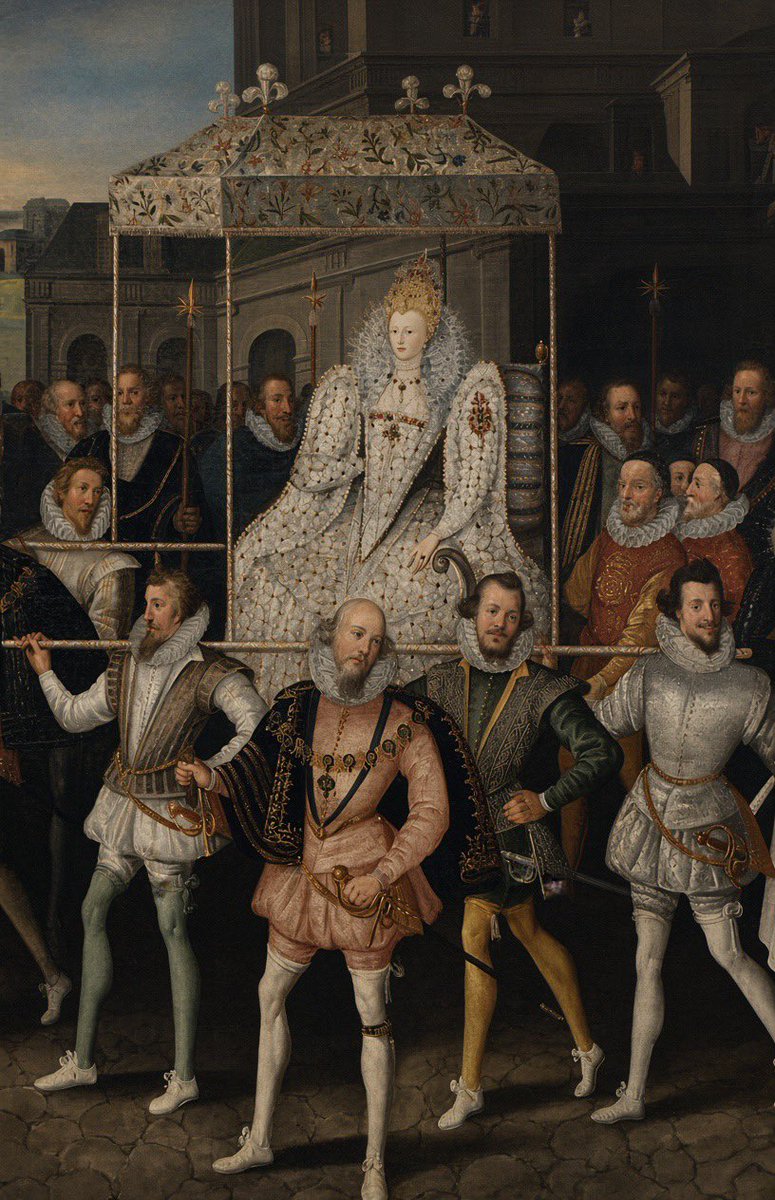
On 17 November 1558, Elizabeth I ascended the English throne following the death of her half-sister, Mary I - Thus began the Elizabethan Age, a remarkable chapter in Tudor history marked by religious change, maritime expansion and a flourishing of English literature and culture.
On 17 November 1558, Catholic England died twice
Queen Mary died that morning
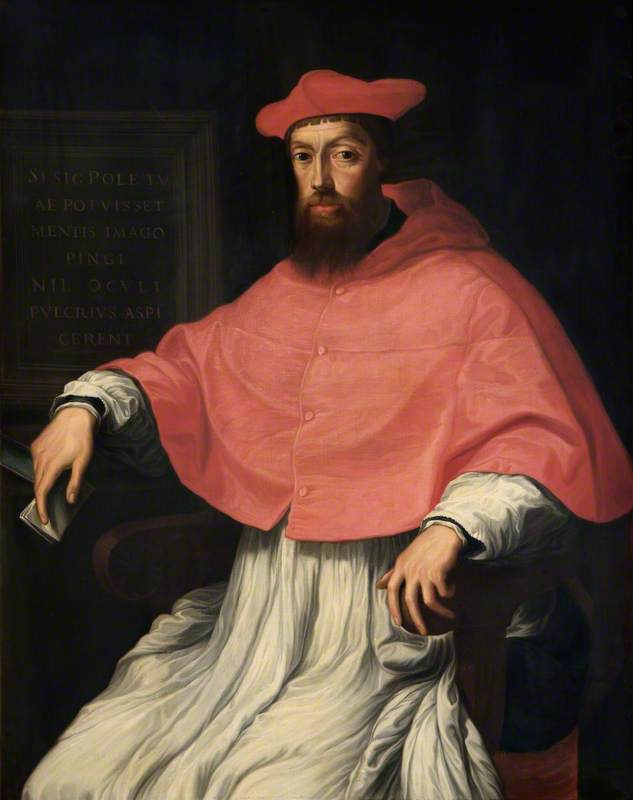
That evening, across the Thames, her Archbishop of Canterbury, Cardinal Reginald Pole, died too
No Catholic has held his see ever since
For two centuries afterwards, English church bells rang every 17 November in celebration
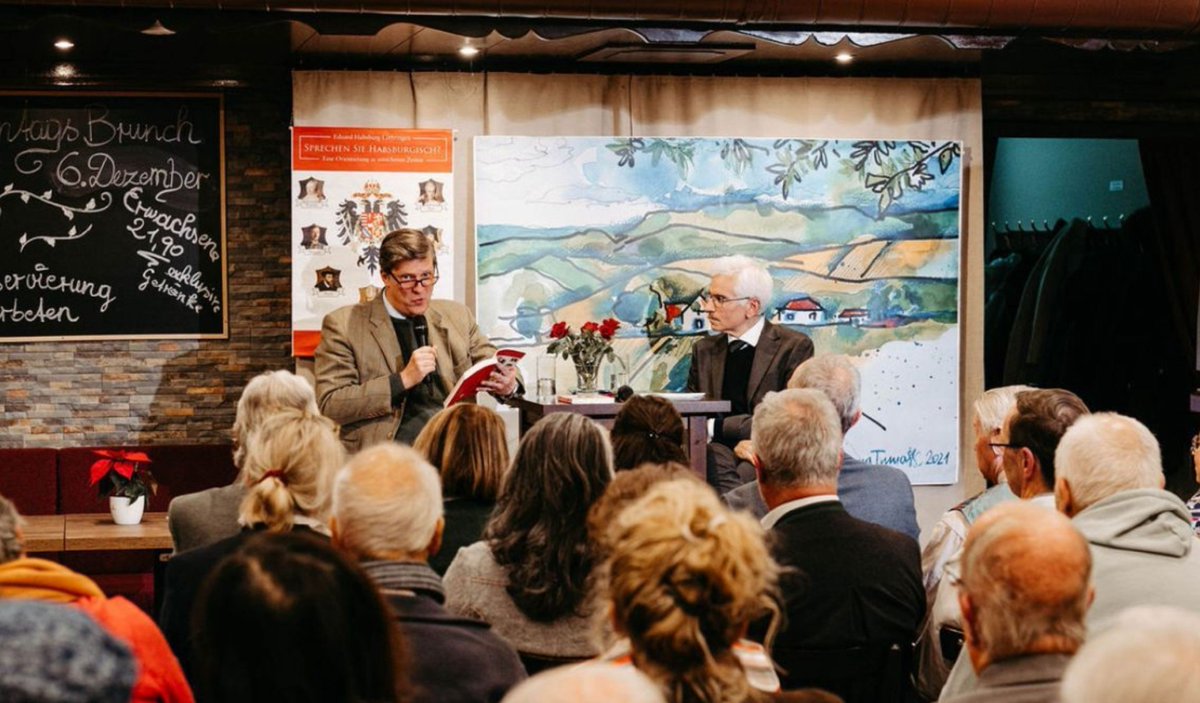
Gestern großartige Lesung von SPRECHEN SIE HABSBURGISCH im Landcafé Marion in 🇦🇹 Göllersdorf (bei Hollabrunn) vor 80 Zuhörern.
Viele Fragen und gute Gespräche beim Signieren.
(@renovamenverlag Link für das Buch in Antwort)
17 novembre 594, rappel à Dieu de Saint Grégoire de Tours. Par devoir de mémoire, il devient historien des Francs et de l'Eglise.
« Aussi beaucoup d'hommes gémissaient disant : « Malheur à nos jours ! l'étude des lettres périt parmi nous, et on ne trouve personne qui puisse raconter dans ses écrits les faits d'à présent. »
Voyant cela, j'ai jugé à propos de conserver, bien qu'en un langage inculte, la mémoire des choses passées, afin qu'elles arrivent à la connaissance des hommes à venir. Je n'ai pu taire ni les querelles des méchants ni la vie des gens de bien. »
It seems like the crown that appeared in season 3 ep. 3 of “The Empress” was inspired from the crown of Bavaria. 8 arches, acanthus leaf on their bases and the same colourful stones style
The design is historically inaccurate and the crown wasn’t given to Maximilian in Vienna
Güzel gelin gözlerindeki korku yaş olmuş akmış...
Hissetmiş sanki başına gelecekleri...
Kaynanası ve kocası genç yaşta onu hayattan koparmış😔
Şirin Oso, evinde sistematik,fiziksel ve psikolojik şid*ete ile işken*eye maruz kaldıktan sonra,kocası ve kayınvalidesi tarafından po*palı tüf*kle vuru*arak öl*ür*lmüş....
Henri V affirmant que voter revient à légitimer la Ripoublique
«Telle que je la comprends l’abstention (...) est une affirmation et une protestation éclatante. C’est s’affirmer, c’est protester que de dire au pouvoir: les royalistes ne veulent pas (...) avoir l’air de prendre au
Lady Susan Feilding, Countess of Denbigh (née Villiers; 1583–1652) was an English courtier. She was First Lady of the Bedchamber to Queen Henrietta Maria from 1626 until her death in 1652. #Stuarts#History