Scientist focused on freshwaters-species-management. Retweets-Likes not (necessarily) endorsements, nor is lack of engagement interpretable as indifference.
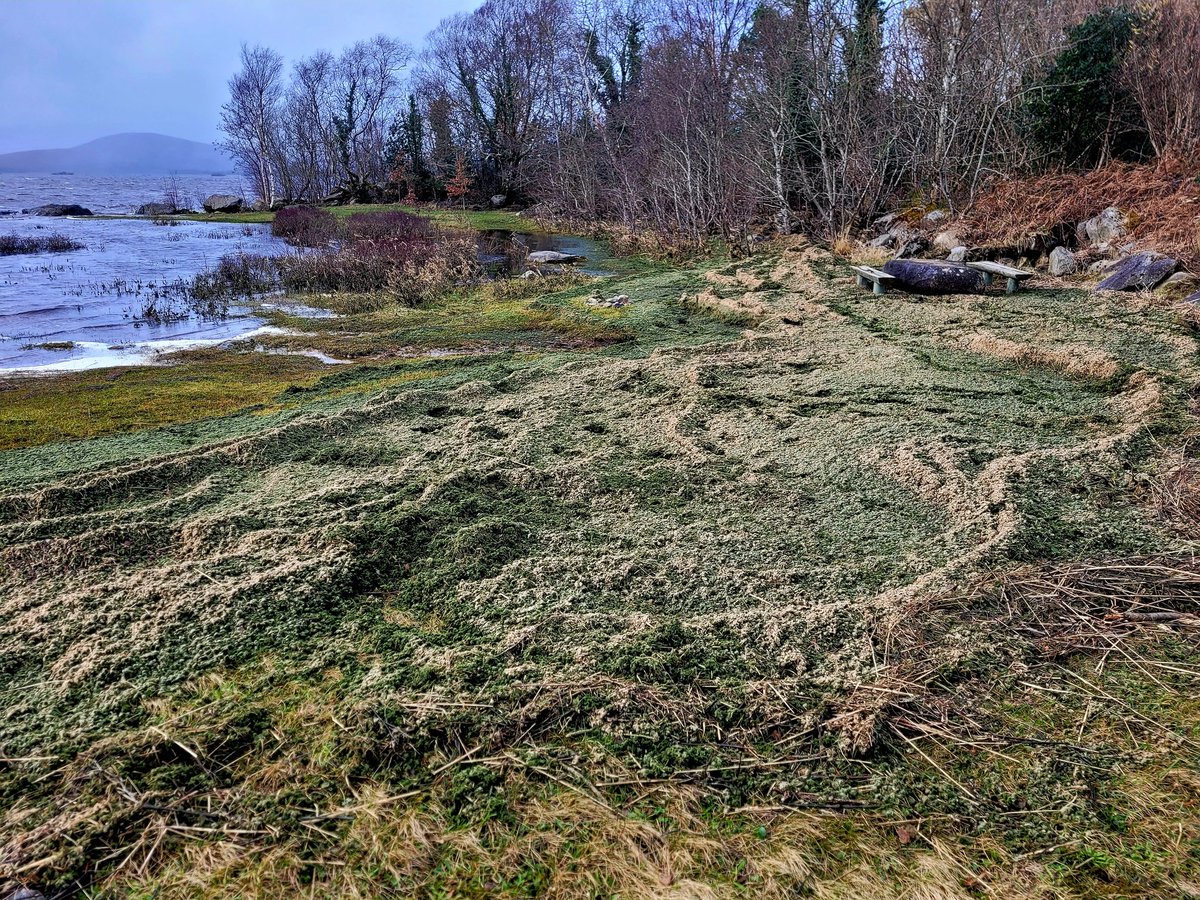
@NeilReid81 @YvonneMcElarney@dannymoore_ni pretty much apparent anually in some turloughs & lakes, or at specific shorelines. But ad-hoc also and perhaps variability in all factors are important: lake level & rate of fall, temperature, irradiance, extent of spring algal bloom, nutrient level, rainfall extent etc.
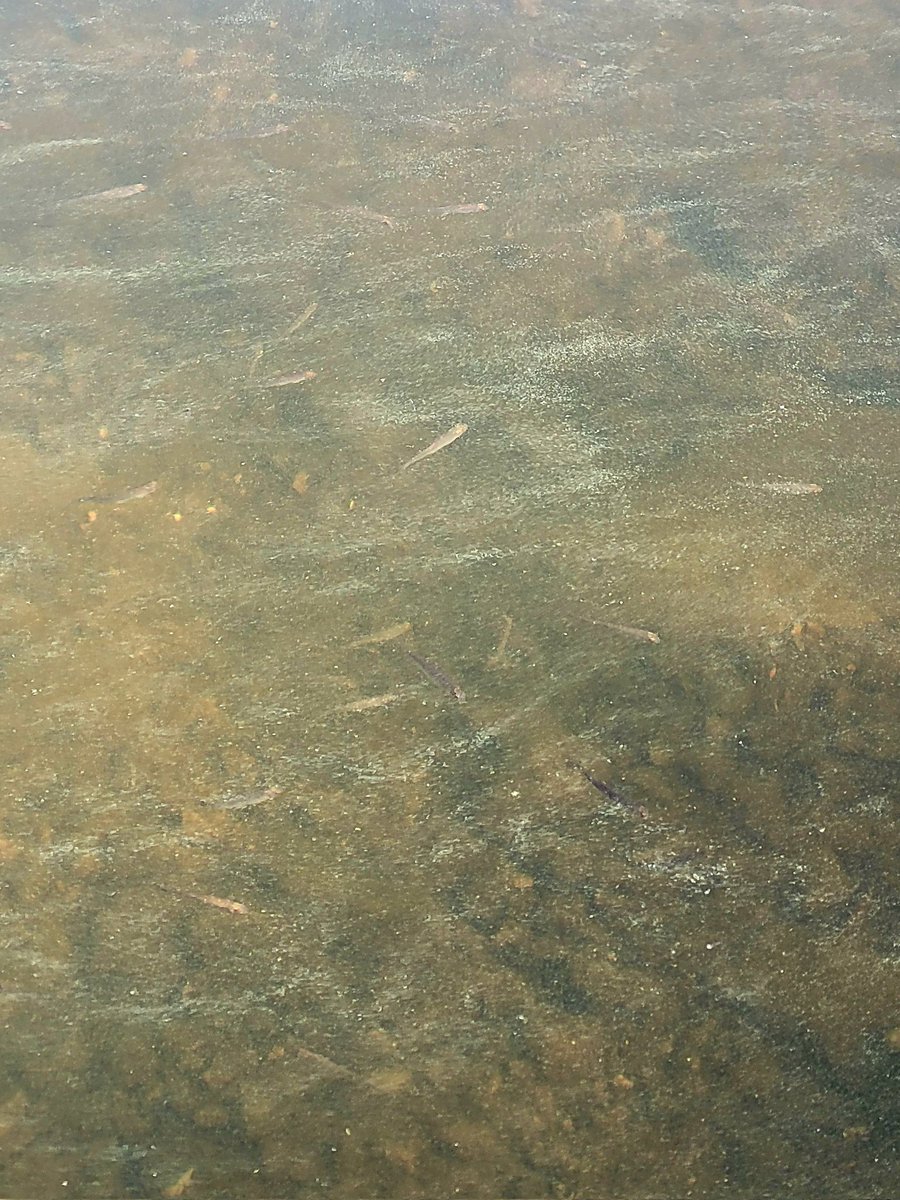
@NeilReid81 @dannymoore_ni currently widespread in many productive - calcareous loughs, following spring periphyton blooms and high water levels receding and the shorelines re-emerging. Becomes less conspicuous after a few showers of rain.
In 2018 PMP was established due to concerns around land-use pressures on conservation of freshwater pearl mussel. The 5 year project ended Dec 2023. PMP have produced: Overview of the Pearl Mussel Project 2018-2023 detailing projects main results.
Get it: https://t.co/HxjsJkodMh
@FreshwaterIzzy can be both - while iron seepages and ochre deposits are often natural, they can also be exacerbated by mining, drainage, and climate pressures etc.
Date for your Diary: Fri 19 April at 12 Noon, AFBI will be holding a Webinar - Lough Neagh: Past, Present and Future. What AFBI's long-term research tells us about changes in Lough Neagh in recent decades. Registration now open https://t.co/19bTtZTG9O
#AFBIScience#AFBIResearch
Did you know there are more than 100 different bee species in Ireland, but only one that makes honey?
The Murmur of Bees/Crónán na mBeach is a new exhibition at the NMI – Country Life, Turlough Park, Castlebar, Co Mayo runs to summer 2025. #Entomology
https://t.co/0kAIRDmK0c
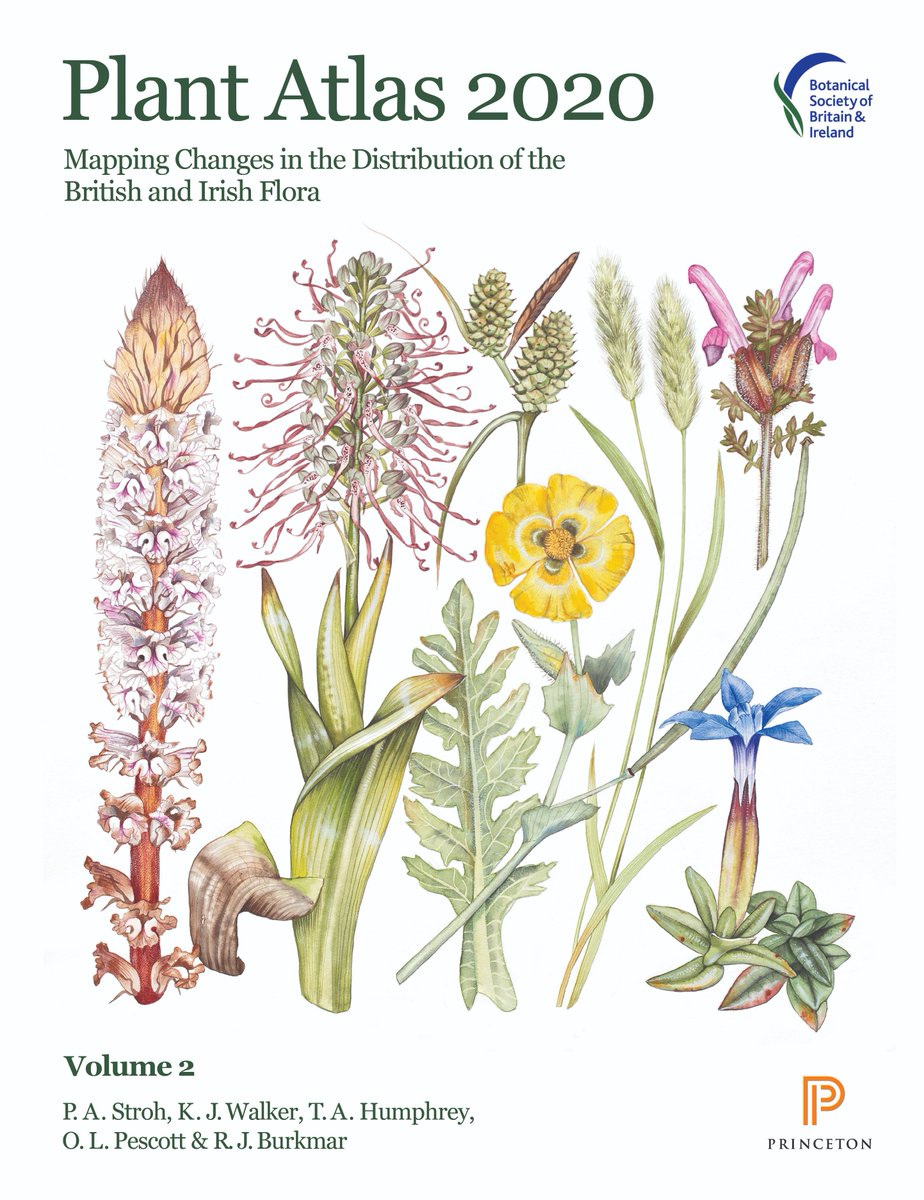
A year ago today we launched #PlantAtlas2020: the most in-depth survey ever undertaken of the British & Irish flora.
Website free to browse for info on 3,495 wild plant species: https://t.co/ZNf5ZYARRQ
Book published by @PrincetonNature
Find out more: https://t.co/1K7IKvFLLv
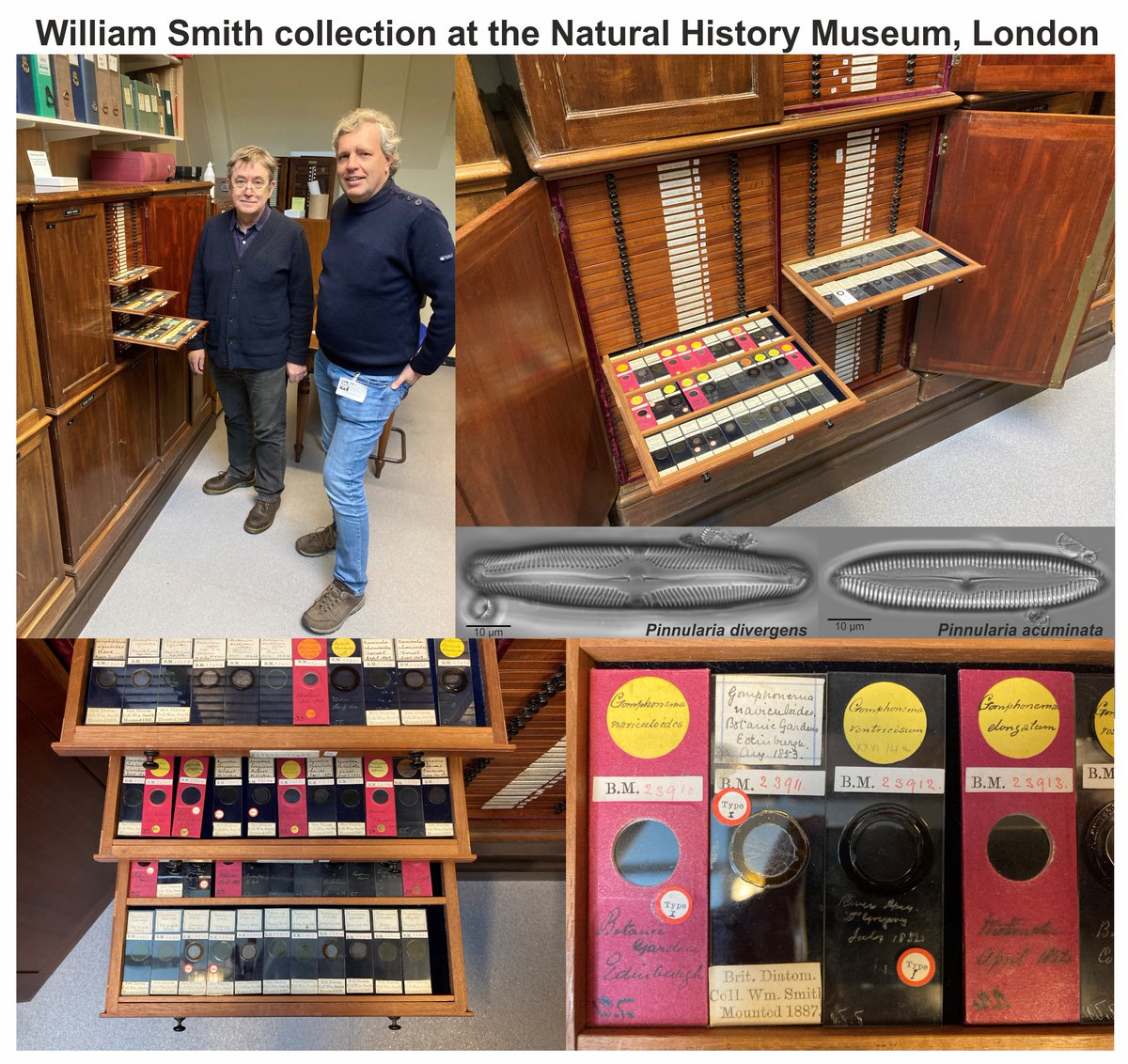
Ingrid Jüttner of @AmgueddfaCymru, David Williams & Bart Van de Vijver working on the William Smith collection @NHM_London for the Diatom Flora of Britain and Ireland project, funded by the British Phycological Society @bps_algae
https://t.co/Begd0j3k29
'In a country like Ireland we had a child die from a water-borne infection’ – 40% of private wells contaminated, scientists warn.
"half the population of rural Ireland could be affected"
“There is no State monitoring & little to no State regulation"
https://t.co/BthKrLwMLM
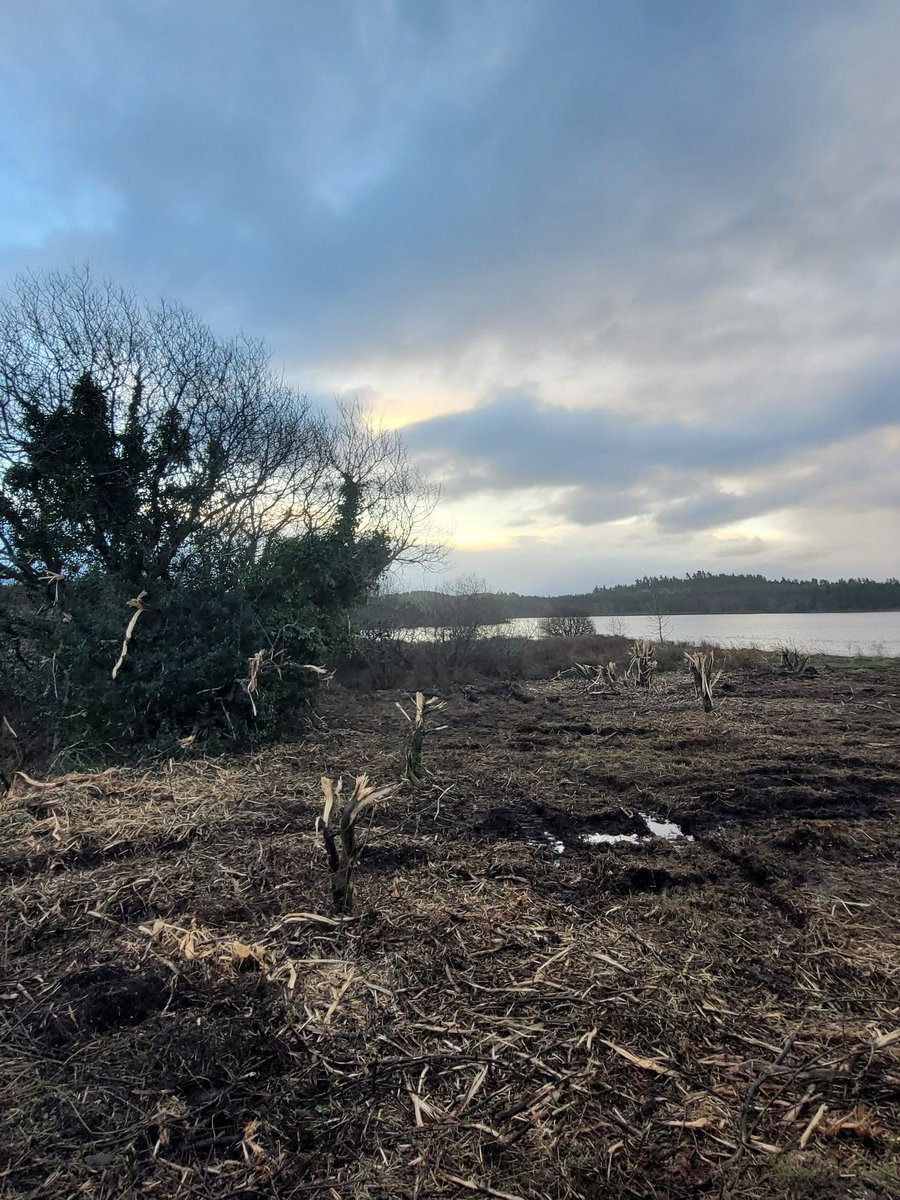
@gerrymcveigh a fascinating lough & story - monitoring agencies have done an excellent job reporting scientifically on its trajectory of recovery from anthropogenic acidification impacts.
🔎 Sightings of exotic fish/plants in Irish waterways can be reported to IFI via our confidential no: 0818 34 74 24.
IFI is to examine remains of 2kg suspected Pacu fish - found by an angler at Garadice lake, Leitrim.
☠️ Non-native species adversely impact our Irish fish/flora.
UPCOMING WEBINAR (tomorrow!)
Tuesday February 13, 2024
10AM (mountain time, US and Canada)
12PM (eastern time, US and Canada)
18:00 Central European Time
Rosalina Stancheva Christova, George Mason University
Cocconeis and its mysteries
Zoom link here: https://t.co/Ysk4CtM22D
Did you attend yesterday's #entoLIVE webinar with Buglife Conservation Director @bugsymac1?
🧑🏫Craig was talking #leeches: life history & identification.
👀Catch up or watch again (watch time 00:57:48)
👇
https://t.co/NuyOd6Kc1q
.
.
#BuglifeScotland#LearnLoveShare#Leech
@deirdredidit 'too much of a good thing', indicative of enrichment, but some observations & metrics also point to improving quality in L. Cullin, although not there yet; check out data here https://t.co/WAwQ8xKz0b https://t.co/pNOyup8xgJ