Cottonball has some news for you! @CBCKids is launching a new battle of the books for young readers: CBC Kids Reads!
The stars of CBC Kids will champion 6 Canadian children's books. Here's Cottonball with the creators of one of the books:
https://t.co/Ni9tcqicyn
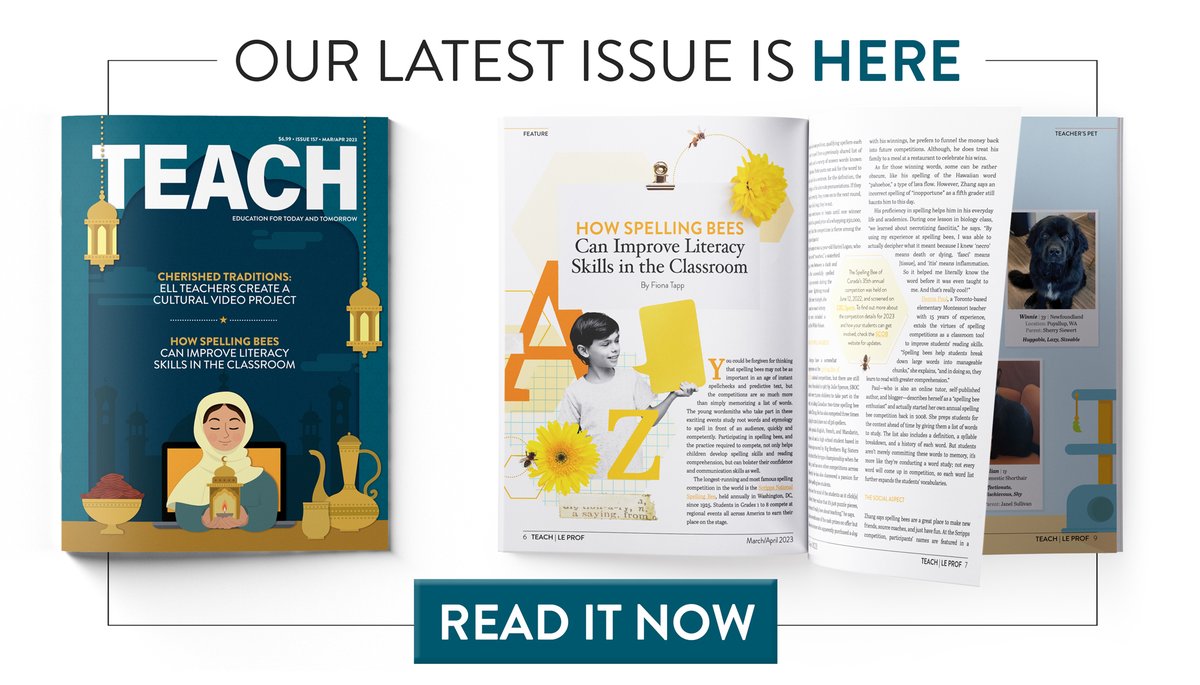
Our March/April issue offers a celebration of spelling, poetry, and culture! Inside you'll also find a ready-to-use lesson plan for Grades 4-6, a list of STEM-based field trips, and more. https://t.co/0OhJtJnPN5 #EdChat
This is why I love Reading Buddy programs. During my practicum, the Grade 6’s went to read with the JK/SK students every Friday. Not only did this build community within the school, but you could see the younger students grow as readers and the older students grow as mentors.
Partner reading boosts struggling readers' confidence with private correction and more practice time. Pair them with patient, confident readers for mutual success. #reading#education#partnerships@PJLanguageArts
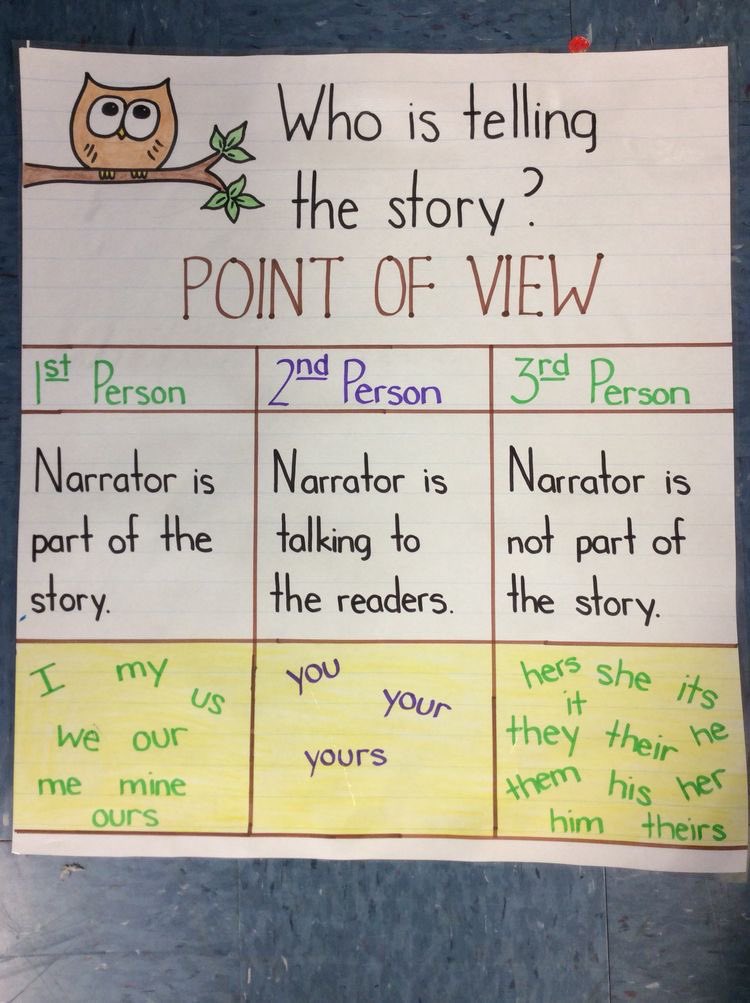
Anchor charts are a great reference point for students when doing independent work. Building them collaboratively with your student will also help bring them into the lesson and make them participate in their learning
Yes! Going off that, I think this is why it’s important to make sure that we provide children with diverse literature in the classroom. We owe it to our students, especially those who may not often see themselves in media, to provide books that will help enrich their inner world.
Children's literature is often dismissed as a lesser form, not even literature at all. But the books we love when we're young are the ones that shape us & stay with us forever, in the deepest parts of our inner lives. That's why I think they're the most important books of all!
Not only is journaling a great way to help students get into the habit of writing, it’s also a method of self-regulation. Regularly setting aside a time for journaling as a mindfulness activity allows students to take a pause in their day to self-reflect.
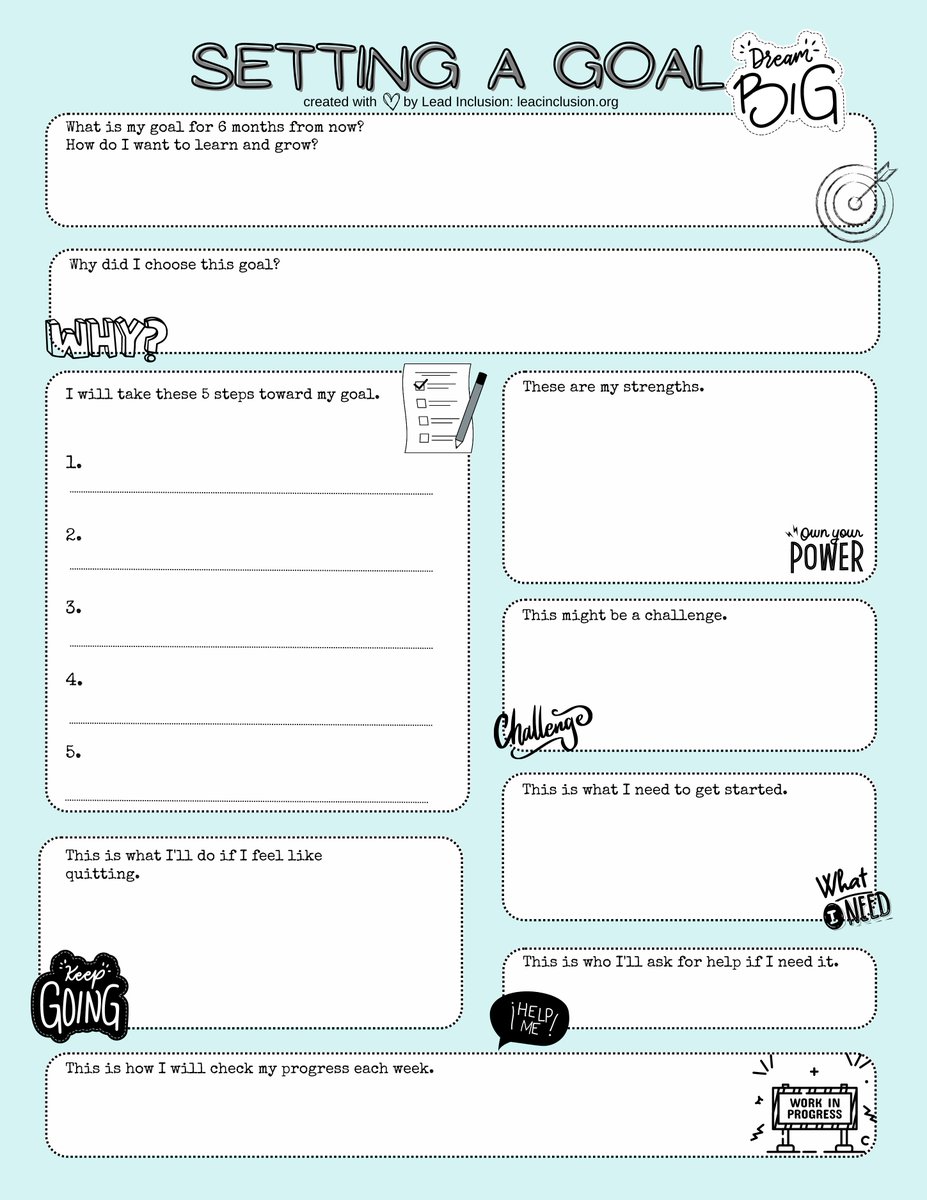
Students who set their own goals and get regular feedback on progress have higher levels of achievement in general, beyond only the goals they set (Hattie, 2009; Henderlong, et al., 2007). Here is a student goal setting sheet. Feel free to use. #LeadInclusion#education#edchat
Making a collaborative idea web is a great way to help your class generate ideas before starting a writing assignment. During my practicum, brainstorming together as a class really helped the students gather their thoughts and figure out where they wanted to begin writing.
Non-verbal cues! This is a great way to help kids focus without interrupting their thought process, especially if they aren’t at the point where they can self-correct their reading.
https://t.co/Qu1PTrkzN5
When we provide too much verbal feedback, it can be confusing and may just register as extra noise. By being selective when we speak, we allow kids to hear their voice foremost when reading.
https://t.co/1ONSKYiwMb
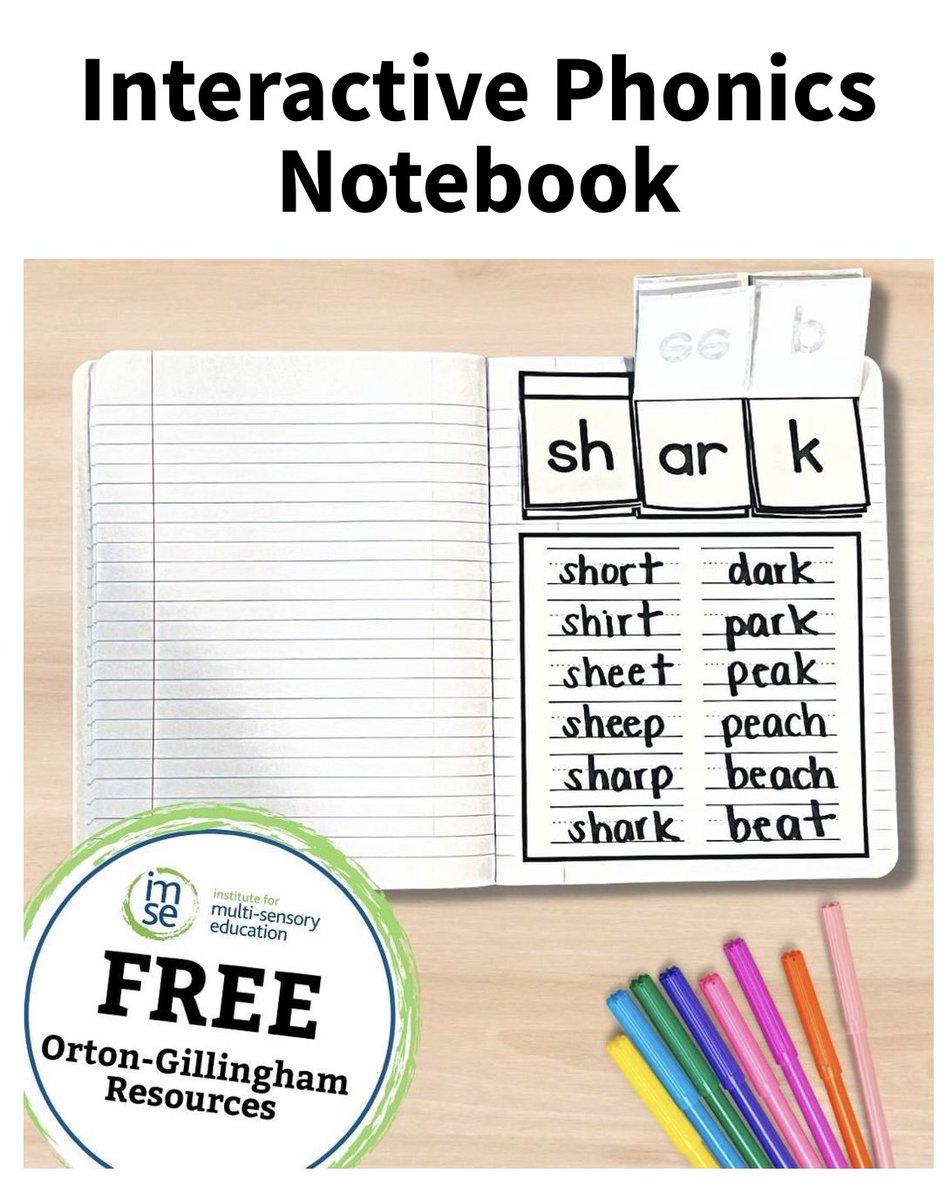
These CVC (consonant-vowel-consonant) word building mats are a fun interactive way to help students learn new words! I love the “Tap It” section, which gives students a visual and kinetic cue to help them orally break down the sounds in the word.