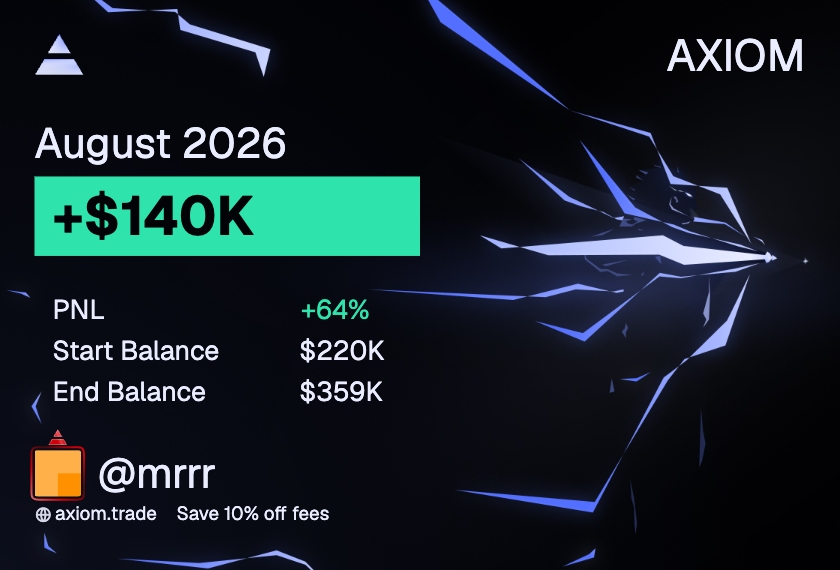
I have been trying to evolve from stream jester into a trencher as well and had my best month trading in August.
Will be calling out coins that I think are good on the pumpfun app and if u follow me, hopefully you'll be able to make some money
https://t.co/mdPaHywjSw
spent the week making the story possible instead of writing it.
the campaign was nailed down in code. objectives wired by hand, content gated by which mission number you were on.
adding a mission in the middle silently repointed all of it. I measured it: drop a new mission in and the endgame artifact became drillable a whole mission early, nothing logged, nothing to notice.
now a mission is data. the whole campaign is one file and you can insert one anywhere.
the part I like: a clue stays hidden until you find the one before it. not hidden in the ui, not checked at all.
the game can't spoil its own mystery by listing what you haven't found yet.
next: an abandoned drill rig. four metres of string still in the ground, tools left on the surface.
visuals will be soon 🙏
@nathan_liow@InspectorMNBL@MINHxDYNASTY Hey! There’s a whole community that wants you to keep developing trickshot and the token has already raised 30k that you can claim to keep developing the project.
DRWnf86Z2MjdMGLq7LFSF875iK9Ajo94RVtjK4owpump
solana:59freTMCVassLRDEgCYLDzM7sgTxWLAHiKKKxcbXpump changelog #2 a.k.a. research day.
> tested Godot and Unity to see if I should rebuild there. measured both properly, neither was actually better for what I need, so staying on @threejs
> then brainstormed the whole sound design and committed it. real samples, a soundtrack and voice acting instead of everything being generated procedurally
> and finally wrote a proper story. before it was just lore sitting in a menu that nobody reads. now it's an actual mystery you piece together yourself
demo is still free, still runs in a browser, still open source 👇
@winchxyz@ramaa100x@rezyonchain No need for re launch in my opinion, at 8k it’s not super bundled and there is already a community plus fees, I think relaunch is bad looks for the project versus just grinding and having the OG coin run, there’s been people still holding from day 1 like myself.
I don’t know why everyone is fading solana:59freTMCVassLRDEgCYLDzM7sgTxWLAHiKKKxcbXpump
@winchxyz will literally put the game on @Steam , @threejs shilled it aswell.
This project takes time to develop so that’s why it feels like it’s not worth but im pretty sure that with the next upcoming news that everyone will follow it.
59freTMCVassLRDEgCYLDzM7sgTxWLAHiKKKxcbXpump
how I am building a Regolith game with two Claude Code chats without talking to each other
there are two "sessions" one writes tickets, one writes code. they share no memory. everything one of them knows, the next one reads out of files in the repo.
the first is the curator.
it decides what happens next, writes the tickets, and accepts or rejects what comes back. it does not touch src/. not one line, not even when it finds the bug itself and the fix would take a minute. the moment it writes code, it is reviewing its own work, and the review is the only thing it was there for.
the second is a worker.
it takes exactly one ticket out of docs/tasks/open/, does it, fills the evidence section with real console output, moves the file to docs/tasks/review/ and stops. it does not commit. it does not pick up a second ticket. if the acceptance criteria turn out to be wrong, it writes that down and submits the ticket unfinished, which is a valid outcome and better than quietly redefining what success meant.
the handoff is just files.
open/ then review/ then done/. one file moves between folders, it is never copied. the sessions don't discuss the work between themselves. the ticket is the spec, and if it needs commentary to be actionable then the ticket isn't finished and the fix is to rewrite the ticket.
the whole thing runs on about 1,200 lines of markdown files.
CLAUDE.md
78 lines. read first, short on purpose. what the project is, the one contract that holds it together, and the handful of rules that are never negotiable.
ARCHITECTURE.md
411 lines. how the systems work and what breaks them. written to be read in pieces, not front to back, so a session reads only the section it is about to touch.
RULES.md
154 lines. the two roles, how a task is picked up, what "done" means, how a commit message is written.
CURATOR.md
235 lines. the curator's job, and every way that job has gone wrong so far. most of that file is not instructions, it is a record of specific mistakes, written down the day they happened so the next session doesn't repeat them.
BOARD.md
153 lines. what is in flight right now, what is queued, what is parked and why.
DECISIONS.md
96 lines. settled questions, so nobody reopens one by accident six weeks later.
BOARD.md
exists because the curator runs out of context. a worker that finishes and closes loses nothing, because its result is in a file, and the curator has to work the same way. so the rule is to write the decision down when you make it, not when the session ends. the test is whether a fresh session could read docs/ and carry on without asking a single question.
the acceptance section carries most of the weight. criteria have to be checkable by someone who wasn't there, because a session that wants to be done will decide "it works" on its own. one criterion that named what to measure and what number to expect back found a real memory leak that reasoning had missed.
the other section that earns its place lists what the ticket does not cover. the rule that gets broken first is "stay inside the task", and it gets broken by a session trying to be helpful: you're reading the code, you find a real bug, you fix it, and now the diff contains work nobody scoped. that has already happened here. the fixes were correct and they were still wrong to make.