"She had a very stern talk with me. She was like: meow, meow, meow." A domestic drama in three acts, a slammed door, and the phrase that has followed Ibsen for a hundred and forty years.
(sub)Text · The Door Slam Heard ‘Round the World: Ibsen’s “A Doll’s House”
Why can a marriage of years never compete with a boy who died at seventeen? On Gretta, Michael Furey, and the cruel advantage of the dead — reading James Joyce's "The Dead".
(sub)Text · What Falls Upon the Living in James Joyce’s “The Dead”
King Lear asks his daughters to say how much they love him. Wes on why that question can never be answered: our real inheritance isn't the estate, it's the sins visited on us — and the very thing a parent wants gratitude for is the thing we blame them for.
(sub)Text · Filial…
Grace, by definition, outruns any thank-you. Which is why the end of Shakespeare's The Winter's Tale asks you to accept a statue coming to life — and to not ask too many questions about where Hermione has been for sixteen years.
(sub)Text · Shakespeare’s “The Winter’s Tale”…
In Notes from Underground, the worst thing anyone says to the narrator is that he could never possibly insult them. Dostoevsky on what happens to a man who cannot make his presence felt at all.
(sub)Text · “Notes from the Underground” by Fyodor Dostoyevsky: An Anatomy of…
In Fellini's La Strada, the strongman murders the clown — and with him, any chance of being loved. Why you can't kill off the fool.
(sub)Text · The Fool Gets Hurt in Fellini’s “La Strada” (1954)
Keats freezes the lovers a second before the kiss. Wallace Stevens asks what happens if you're frozen *during* it — forever. On "Sunday Morning."
(sub)Text · Pagan Poetics in “Sunday Morning” by Wallace Stevens
In 'The Awful Truth' (1937), the Oklahoma suitor's unforgivable sin isn't stupidity — it's laughing too hard at a dry joke. (Also: the dog growls at him.)
(sub)Text · Mutual Amusement in “The Awful Truth” (1937)
Would the horse's head in the bed actually work on you? Erin has a practical objection. On Coppola's The Godfather (1972).
(sub)Text · Business Gets Personal in “The Godfather” (1972)
She was six, it was Thanksgiving, and she was absolutely certain that GONE WITH THE WIND was a James Bond film. What happened next cost her family one VHS box set.
(sub)Text · Gentility and Injustice in “Gone with the Wind” (1939)
Wes & Erin discuss Roman Polanski’s 1968 classic “Rosemary’s Baby,” and why it is that Satanic evil, when confronted with life’s very frightening realities—including pregnancy itself—turns out to be so banal. https://t.co/JXglc1Fb9b
Wes & Erin discuss two poems by Rainer Maria Rilke and whether, as Rilke suggests, death can be put in service of life, and suffering sourced as the principal wellspring of a joyful existence. https://t.co/3ogdPyRyVo
Wes & Erin discuss the 1970 classic “M.A.S.H,” and whether irony ought always to be our anesthetic, when confronted with traumas that are otherwise unspeakable. https://t.co/0qsoHIsuD8
Wes & Erin discuss Marianne Moore’s poem, “The Jerboa,” first published in 1932, and whether power and wealth might paradoxically prove less abundant than the strictures of form and necessity. https://t.co/wGmgkpXiNv
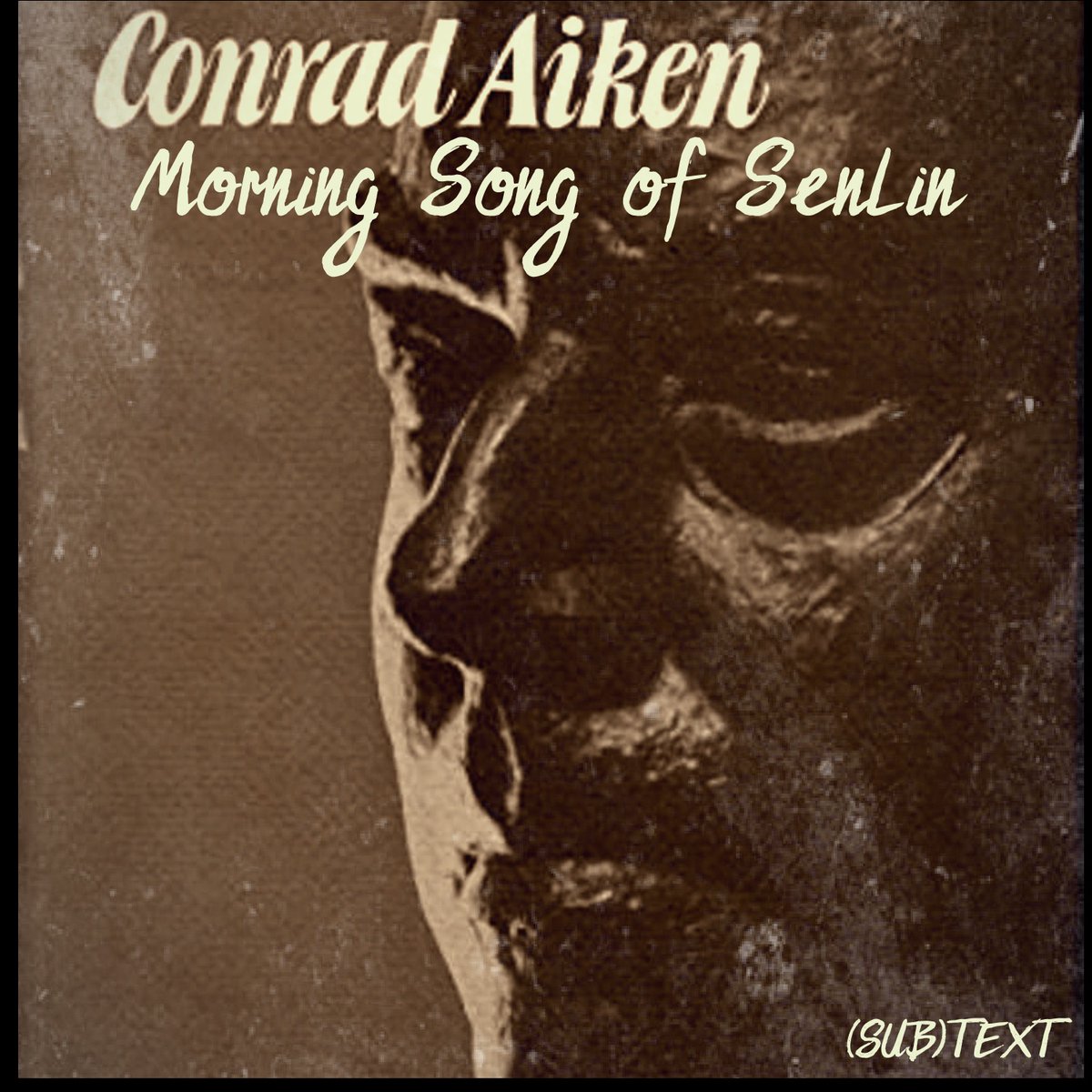
Wes & Erin discuss Aiken’s “Morning Song of Senlin,” and whether humanity’s religious impulses can be fully compensated with an aesthetic or ironic relation to nature and cosmic scale. https://t.co/Z1Wq0rLoFl
Wes and Erin discuss “Beetlejuice,” and what its battle royale between conflicting aesthetic sensibilities—rustic, gothic, and avant-garde—has to say about the connections between love, mortality, and the many pitfalls of growing up. https://t.co/7wrwm6GY34
Wes & Erin discuss Thomas Wyatt’s “Whoso List to Hunt” and “They Flee from Me.” In two of his most celebrated poems, certainty is suspect, irony thick, allegiance changeable, and hunters apt to find they’ve become the hunted. https://t.co/SO1y1fD8zX
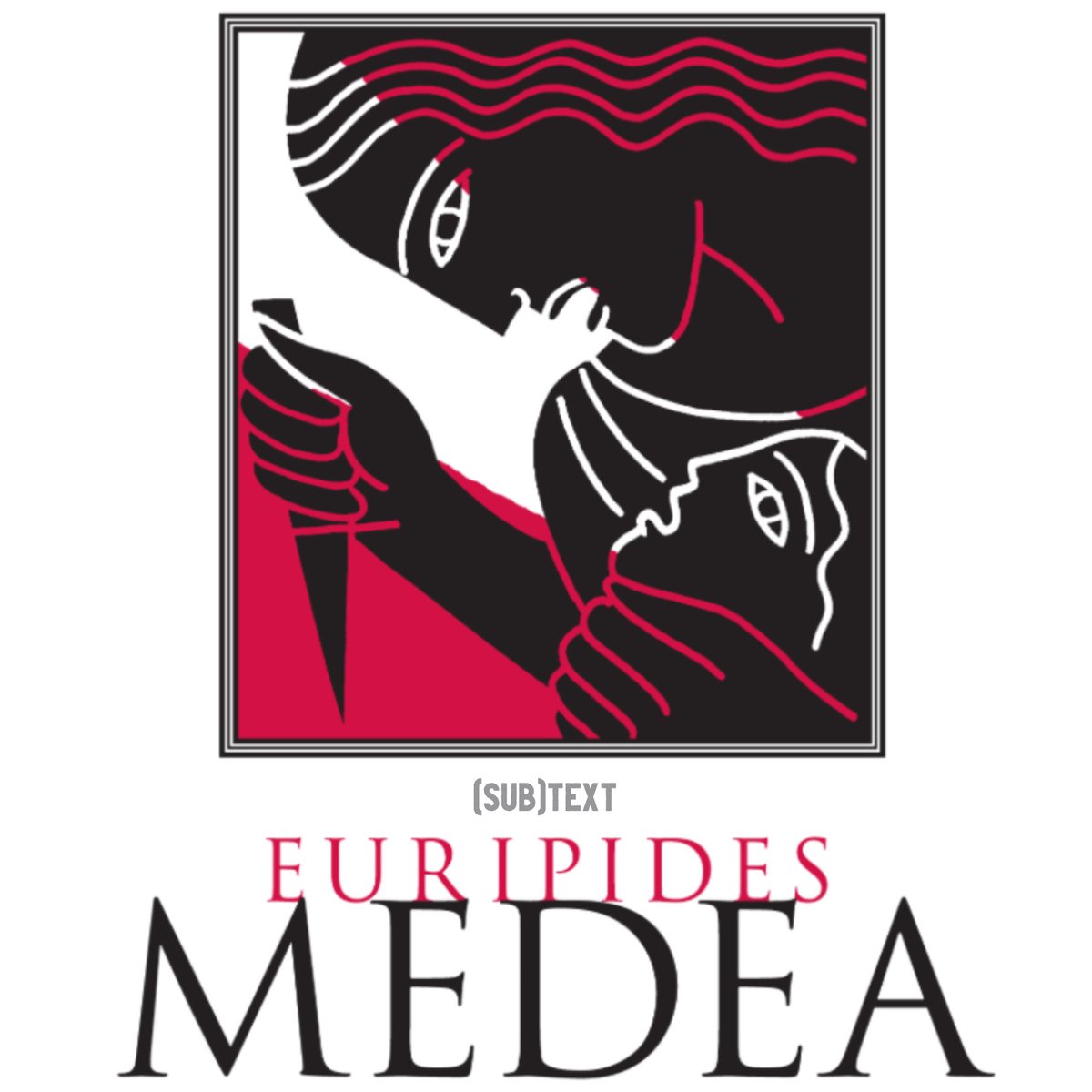
Wes & Erin discuss Ancient Greece’s most notorious battle of the sexes, and Euripides' rumination on the question of whether the Athenian ideals of rationality and moderation sufficiently honor the instinctual side of human nature. https://t.co/2v6OS6qqNS