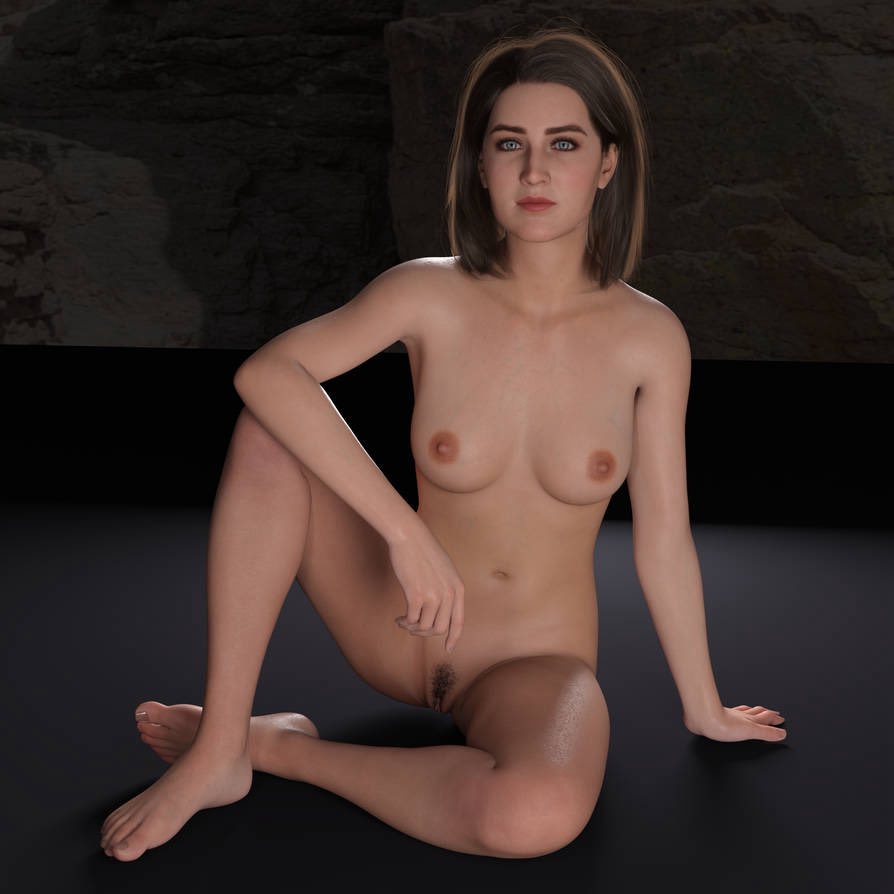
The following example originated as a piece of AI art, not a photograph of a real person, so I have no issue with sharing this. The transitions are a bit glitchy but later attempts have definitely improved on this.
The ‘grey area’ concerning me now is whether it is morally wrong to share a tasteful nude video of a model who sat for a photo, but has no opportunity to give or withhold consent for an AI video of themselves to be shared online.
If you save the last frame of your video as a new JPG and use that as a new Grok input, it becomes a simple matter to make videos of any length. I have successfully used this and the Reverse app to create composite videos a minute long.
Grok’s attitude to nudity seems to be - ‘keeping it to the same level as the input photo is no issue’.
Asking the subject to increase the degree of nakedness by removing clothing is usually unsuccessful. This seems very reasonable to me.
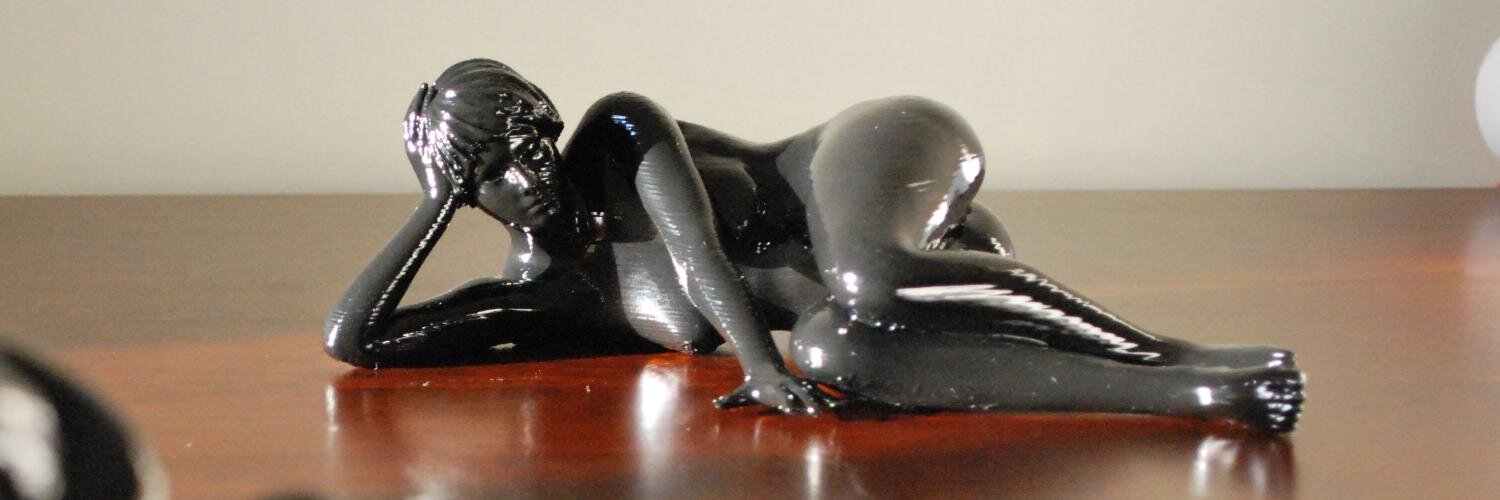
The default animations are high quality but fairly generic. Asking for requests in the Custom option can work, as long as you don’t make them too long or complicated. For the statue video, I used “The statue comes to life and lifts the lid off the urn” - which didn’t work well.
The first thing I noticed was that if you don’t use a VPN to relocate, the strict new UK laws won’t even allow nude statues. Choosing a more liberal European country that embraces nudity as part of its culture was definitely the way to go.
I’ve been pushing at the boundaries to see what is allowed and what gets ‘moderated’.
Given that long-pressing on any photo in X now offers the option to create a video in Grok Imagine, it’s hard to resist the urge to experiment.