Shifting the conceptions of how we understand our environment is part of the systemic shift that we need in order to address climate change, as shifting conceptions is part of shifting our language, values and behaviour. My latest article explores this: https://t.co/dsT31kpiUR
Preparing for the Voice to Parliament referendum: C. Scott and M. Mulrennan explore property as social practice and argue that reordering territorial jurisdiction would provide more authentic conditions for cultural autonomy: https://t.co/x6Kn28i7VG
Our pets have endured too many meetings from the sidelines, crying for attention by barking, doing zoomies, meowing or pushing over plants.
It's time to bring them into the mix.
Join me for the most adorable EPIC event of the conference. Sign up here:
https://t.co/GiXHFXZhSw
To whoever needs to hear this:
You are not your user.
You are not building for yourself, you’re building for your target user group.
Iterate based on customer evidence and primary data.
Hopefully this is the push that somebody needed to really ask: who are we building for?
What are other things you look for in your target audience? Let me know in the comments👇
Me: ‘Who’s our target user group?’
Founder: ‘Well, really, we think that everyone is a potential user.’
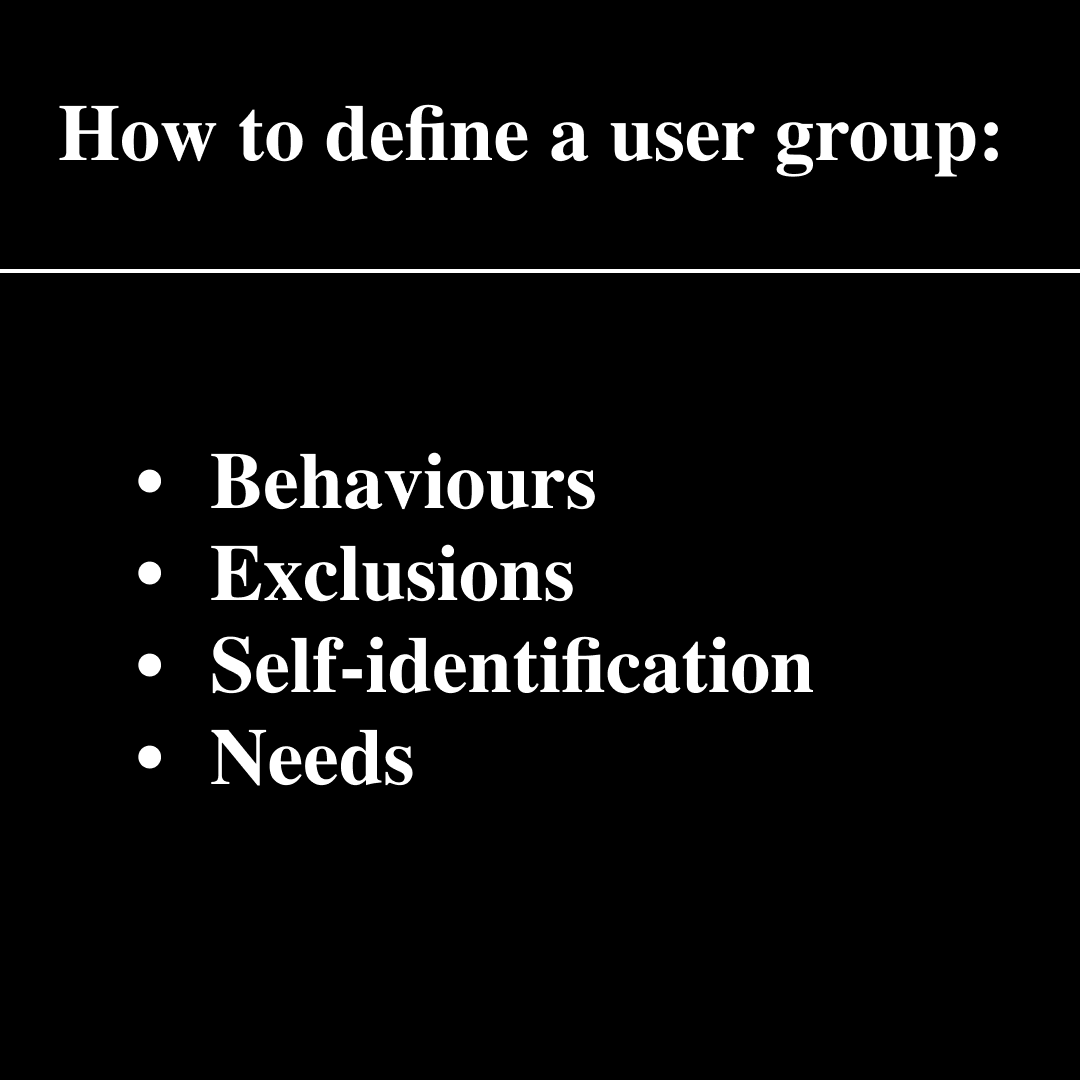
This is a red flag. This means that the team hasn’t thought about in detail who their audience is. And I’m not talking about personas. A thread:
👉 Self-identification: Define identity traits (Do they identify has someone with low/high digital literacy?)
👉 Needs: Physical or other things a person relies on to go about their actions (e.g. needs assistive technology to interact with screens)
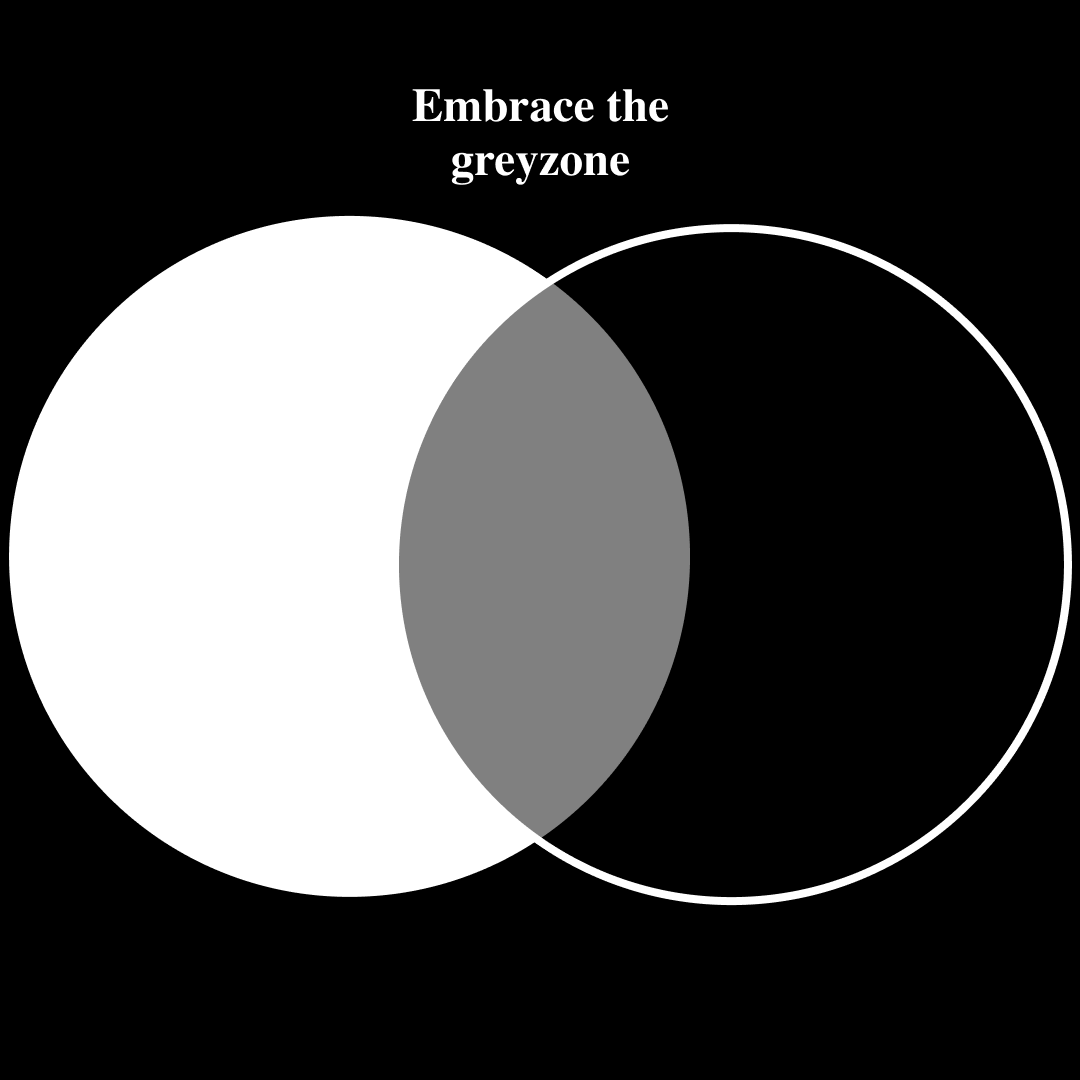
Embrace the grey zone.
Humans are not binary and much more irrational than we’d like to admit. And also: 'it’s complex'. The grey zone means that there’s something that you either don’t quite understand or haven’t quite defined. This is where growth happens - dive in.
To whoever needs to hear this: Just because you have a lot of data, it doesn’t mean that you have to use it, show it to your user, stakeholder or investor. Focus on one indicator that adds value by measuring what matters. If you measure everything, you learn nothing.
A ‘human-centred’ organisation should ‘feel human’: with people and stories. This does not mean looking at graphs, numbers or charts. A mixed methods, interdisciplinary approach gives insights into behaviors, mindsets - understanding ‘what’ and ‘why’ people do it.
@BrettFromDJ I have a background in research and strategy and can do basic web/product design (most UX and working with existing illustrations/components/templates). Do you have any tips on how to productize my skills into a service?
The real superpower of research is not to advocate for the user.
It’s getting those usually far removed from users to attend research sessions, recite user stories and advocate for a need to understand their problems through primary evidence.
We’re starting a new chapter of data commodification through access to and the commodification of words. It’s no longer (only) our attention that’s being sold, but the actual words — content — that humans users create. Read more in my latest blog post: https://t.co/wwGhyVjMap
People writing on the internet are now providing free labor to feed a new technology which is then sold back to us. Read more in my latest blog post: https://t.co/wwGhyVjekR
#llm#ai#machinelearning#ux
We’re starting a new chapter of data commodification through access to words. In a yet unregulated space, product teams need to self-regulate while government regulation lags behind. In this article I explore how I see the industry as moving forward: https://t.co/a28I28hgor
Happy NAIDOC Week! This year we celebrate the theme of 'For Our Elders'. As part of our efforts to increase diverse representations of research in our journal, we invite contributions by Indigenous authors, guest editors and reviewers. More here:
https://t.co/8KB1SNWM3G
Words are another type of data commodity extracted for profit, without the consent of users or their platforms. What will this mean for the large language model (LLM) industry? Read more in my latest article: https://t.co/a28I28hgor
Researchers take note: our discipline is changing. Our roles, skills and contributions have to change if we want to continue to make meaningful contributions to product development. Read the full report here: https://t.co/1r15aSur9a