As EPA weakens protections against pollution, families face greater risks.
Safer, Not Sicker is a national campaign bringing trusted expertise to help Americans understand what’s changing, what’s at stake, and how they can take action.
Learn more at https://t.co/9MYgbDu65S
A lot of what keeps Thanksgiving safe rarely crosses our minds: clean tap water, limits on pesticide residues, fresh air.
To everyone who does that work, and everyone standing up for it: thank you.
Happy Thanksgiving from all of us at EPN.
New EPN polling: 81% are concerned about polluter influence over EPA, 70% want Congress to stop safeguards from being weakened, and 88% agree AI data centers should follow the same pollution safeguards as everyone else.
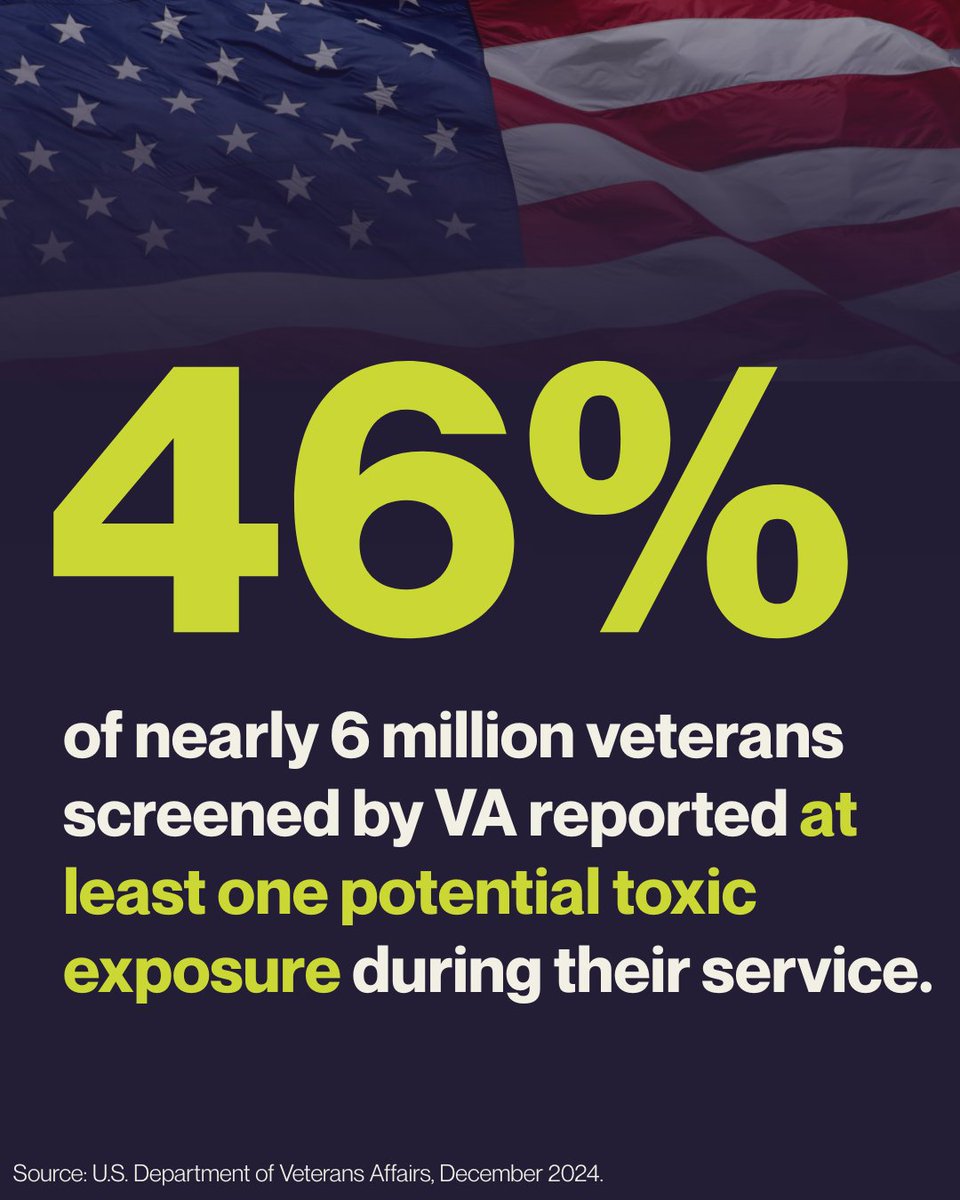
Toxic exposure from military service isn’t always obvious, and health effects can emerge years later. Protecting service members and families requires preventing pollution, cleaning up contamination and informed care.
- National Veterans and Military Families Month -
About 1 million households could cut electric bills by 25% if EPA restarts Solar for All, an EPN analysis finds.
Two federal courts ruled the termination unlawful. We urge EPA to forgo an appeal and restart the program.
Read the full issue brief in the comments.
Read EPN’s full statement for former EPA experts’ oversight priorities for the incoming Congress and what they’re urging EPA to do now: https://t.co/eU8OvQgKPB
81% of voters are concerned EPA rollbacks could end up costing families more.
Former EPA experts at EPN are calling on the incoming Congress to investigate those rollbacks, restore scientific integrity, and rebuild EPA’s enforcement capacity.
Read the full statement below.
Jean-Marie Kauth lost her daughter to a leukemia she links to pesticide exposure.
Now she works to warn parents about the chemicals their kids are exposed to and pushes for stronger safeguards.
“If we say we love our children, then we should not be poisoning them.”
EPA never carried out a planned study of PFAS threatening farms and food. When asked why the survey hadn’t gone out, EPA didn’t give an answer.
Watch Dr. Betsy Southerland’s interview with @TND on the consequences for farms and families.
https://t.co/Y6CvcurTcA
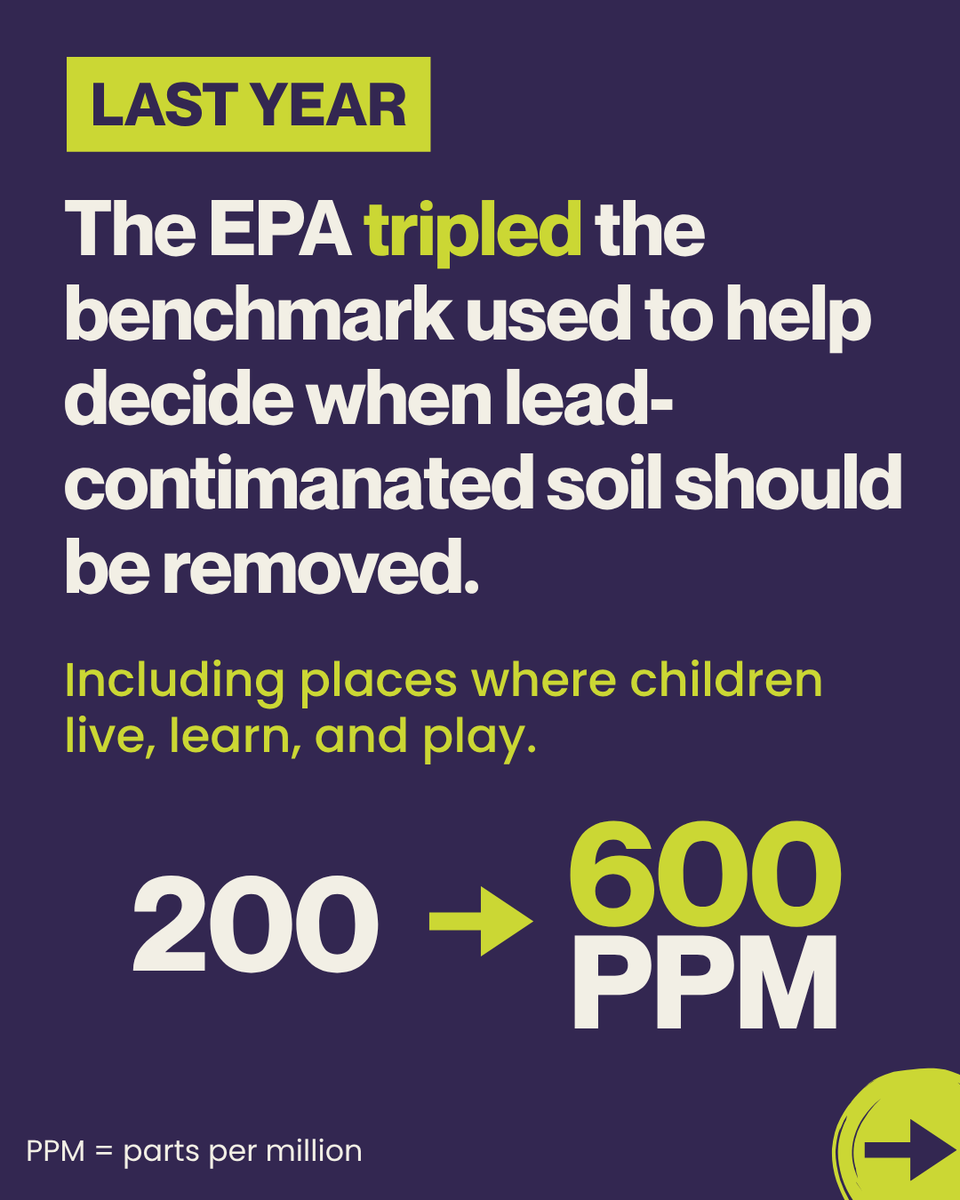
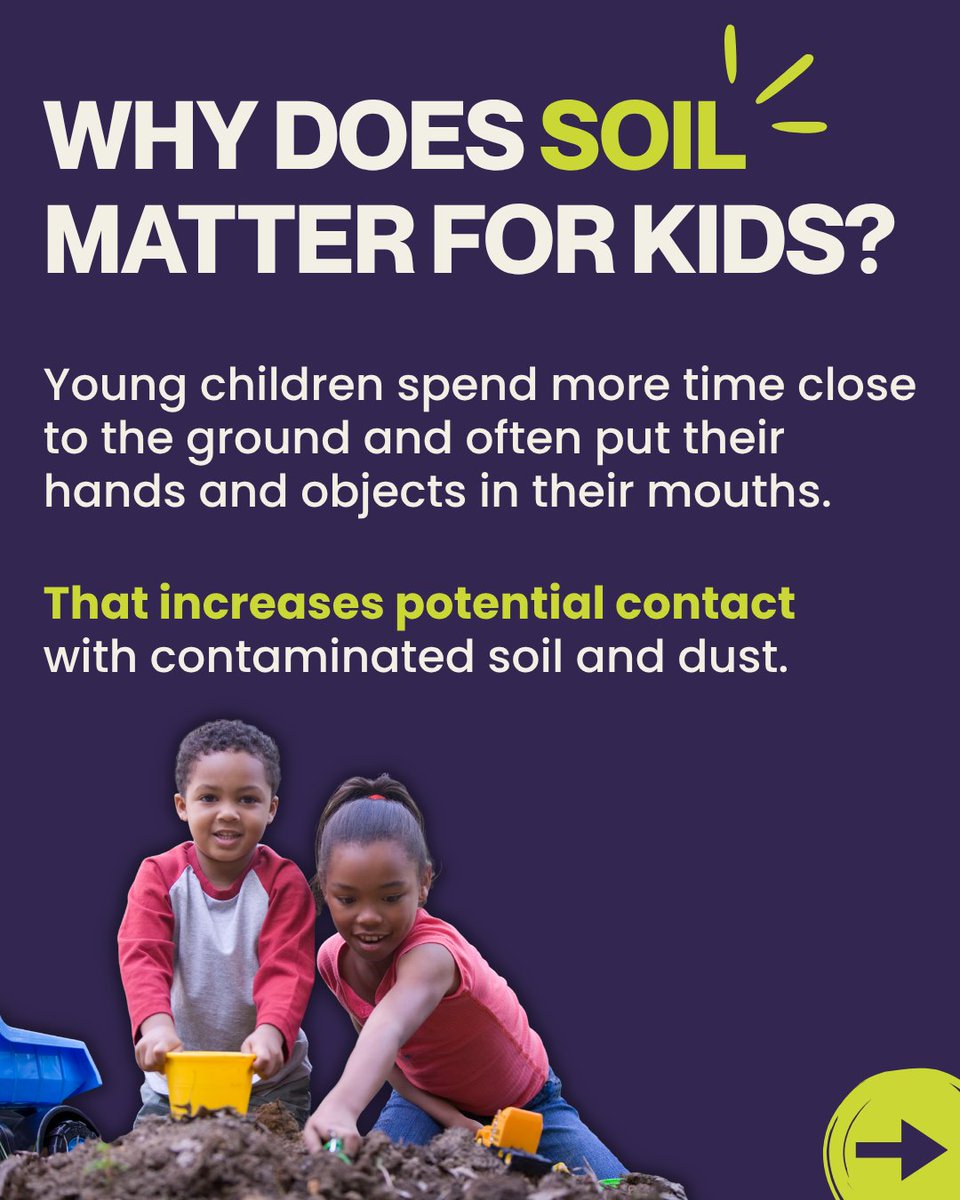
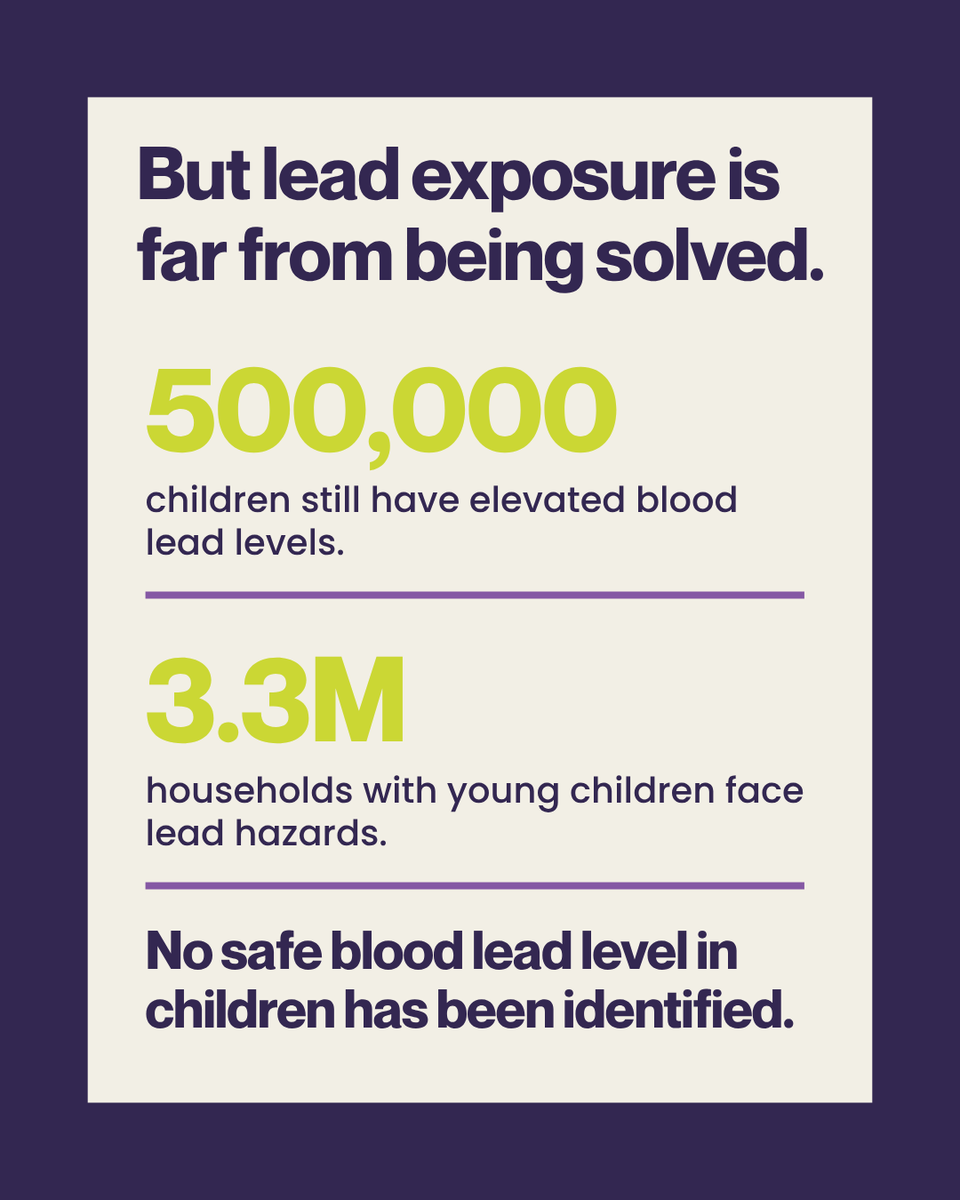
Would you know if your child had been exposed to lead? Most kids show no immediate symptoms. They can swallow or breathe in contaminated soil and dust, including particles tracked indoors.
See why EPA’s decisions about removing contaminated soil matter for children’s health.
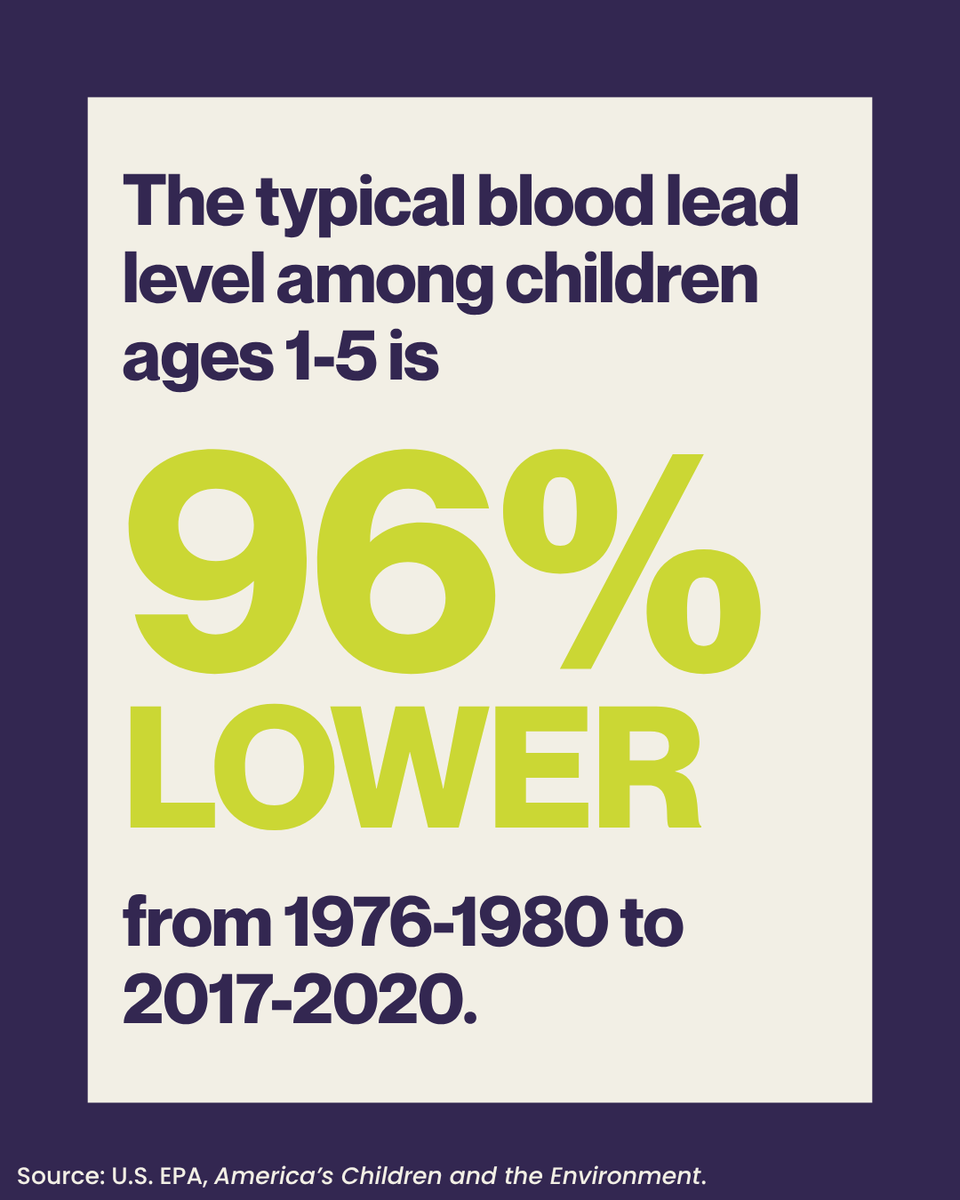
Lead exposure was once more common. Federal rules phased lead out of gasoline, banned lead paint use in homes and reduced lead in air, water, plumbing and products.
The job isn’t done. EPA must build on that progress with stronger action to stop lead exposure at the source.
Trump gave 202 facilities exemptions from clean-air rules. Now EPA political appointees are working to weaken the rules themselves.
This @nytimes investigation shows why Congress must demand answers. Our health comes first.
https://t.co/21zMvzccCL
Your tap water could soon have fewer protections.
EPA proposed dropping limits on several PFAS “forever chemicals” in tap water, including some its own research links to harm in kids’ development.
Jeanne Briskin, who ran EPA’s children’s health office, says that’s the wrong call.
@MTLegalAF The Hidden Health Costs of AI Data Centers explains the harms of data center pollution and documents at least 30 federal actions that could increase health risks. Read the report: https://t.co/HyXMiPcoww
What does AI growth mean for the air people breathe?
Former EPA experts Dr. Lynn Goldman and Walter Mugdan joined @MTLegalAF to discuss EPN’s report on the pollution from powering AI data centers and how those health costs are being passed on to families.
https://t.co/els2tnj3h3
What can parents do about toxic exposure – and where do individual choices fall short?
Learn where risks can arise, why timing matters, and why federal safeguards are essential for Mothers, Babies, and Children: https://t.co/BpGOB5nN9v
EPA says it has taken 100 actions to protect children’s health. But are children more protected?
Counting activities is not the same as preventing pollution. Kids need strong safeguards, not just information about the risks they face.
Read EPN’s response: https://t.co/vRWb8ET9gh
EPA says it has taken 100 actions to protect children’s health. But are children more protected?
Counting activities is not the same as preventing pollution. Kids need strong safeguards, not just information about the risks they face.
Read EPN’s response: https://t.co/vRWb8ET9gh
When EPA weakens pollution safeguards, North Carolina families could pay the price.
Thank you @thatreporter for highlighting what EPA rollbacks and delays could mean for people across the state.
Read @WRAL's coverage: https://t.co/YHISU7Ni5q