Professor of Environmental Meteorology @UniFreiburg | Airflow, greenhouse gases, climate change in urban & natural systems. Moved to @envmet at bluesky.
Can artificial intelligence assist climate adaptation in cities? Our collaborative @UniFreiburg and @Fraunhofer project 'I4C' developed hyper-local deep-learning models to map and reduce heat across entire cities in support of urban planning in @Freiburg https://t.co/KKiFKWeIvI
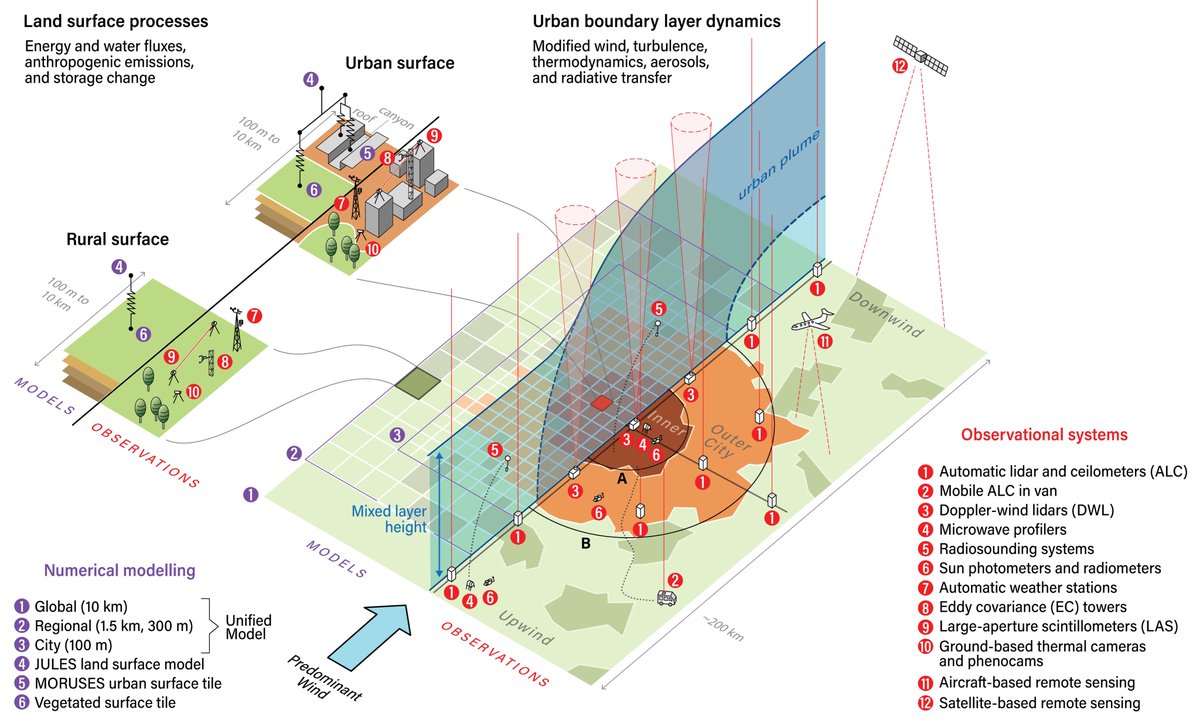
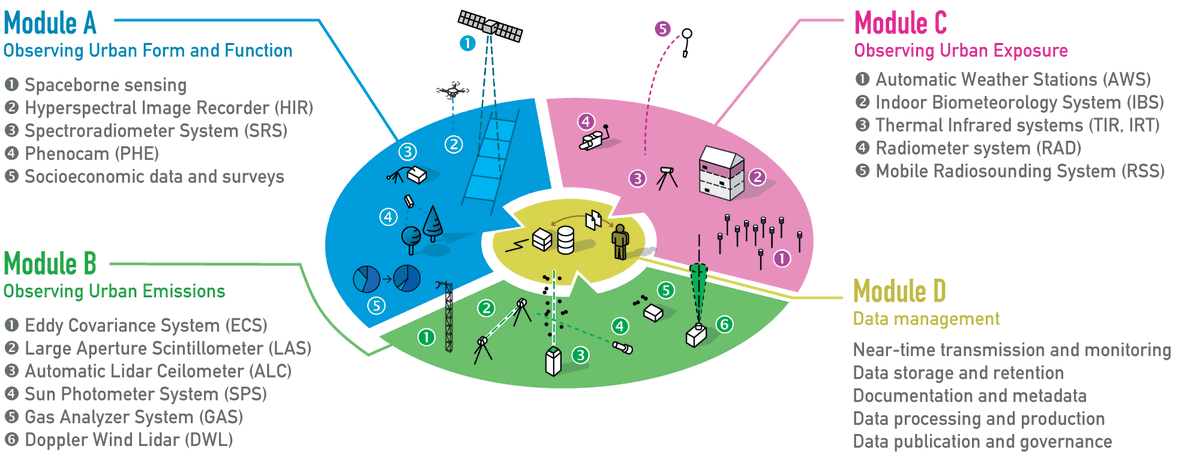
Our new preprint @EuroGeosciences presents a modular approach to near-time data management for observation campaigns on weather and climate in cities - Developed @unifreiburg, @UniRdg_Met and @SlabGr and deployed as part of @urbisphere in multiple cities. https://t.co/p6nO1HHiHl
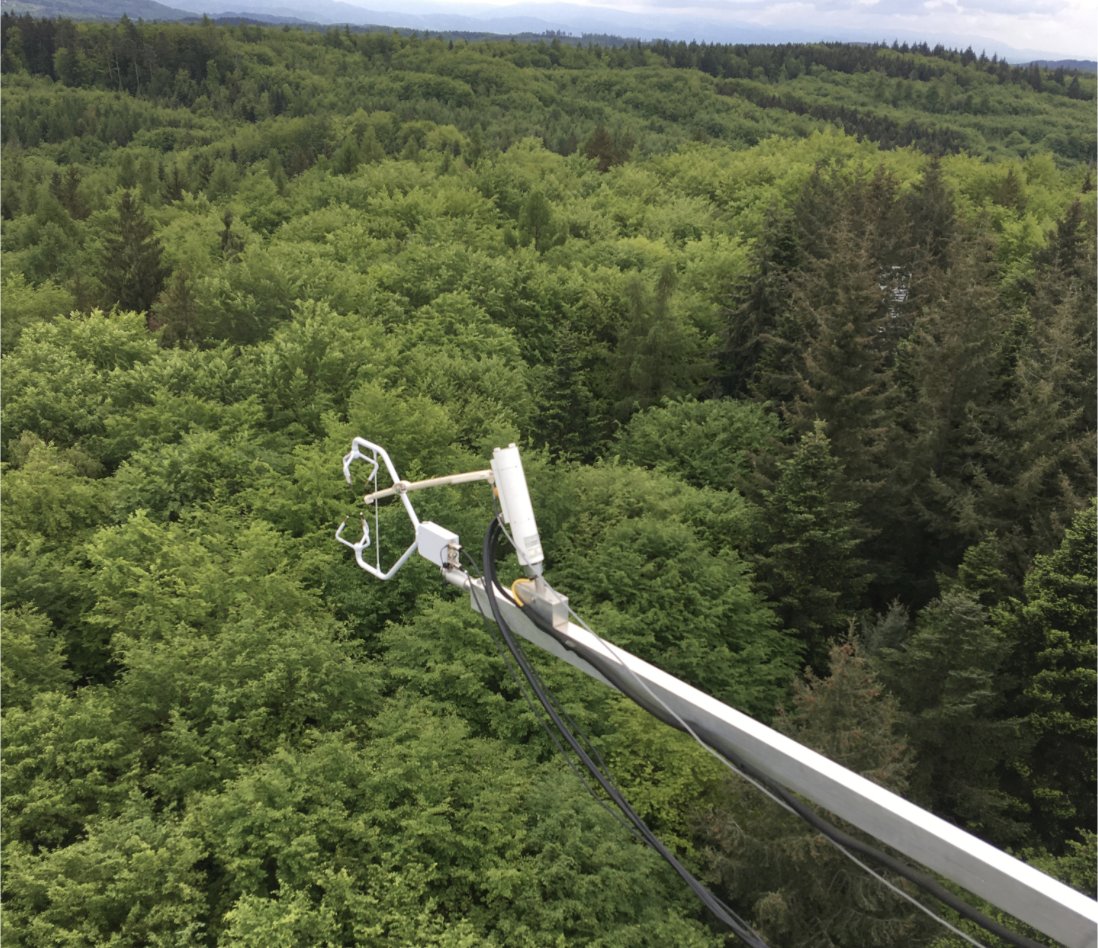
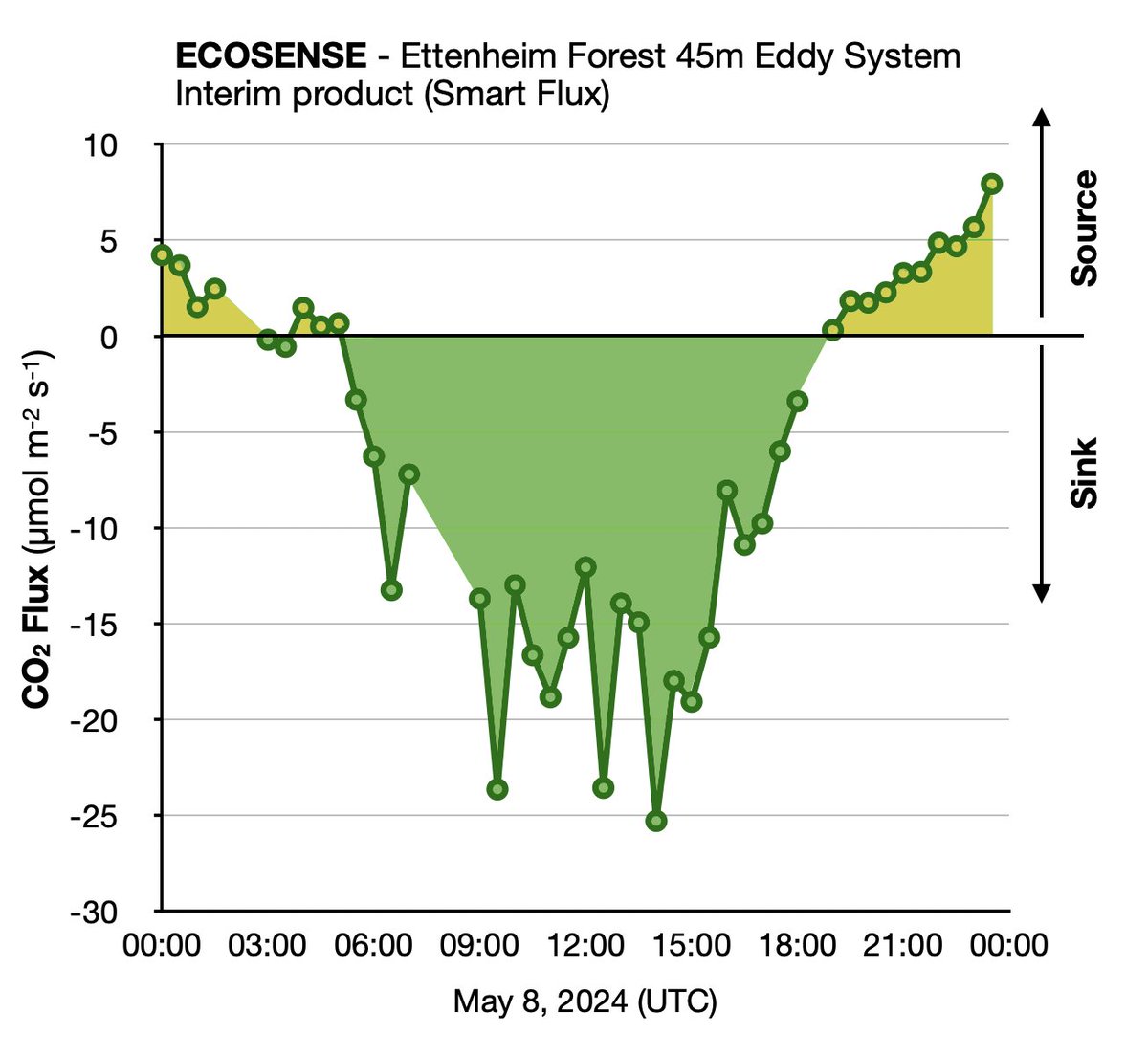
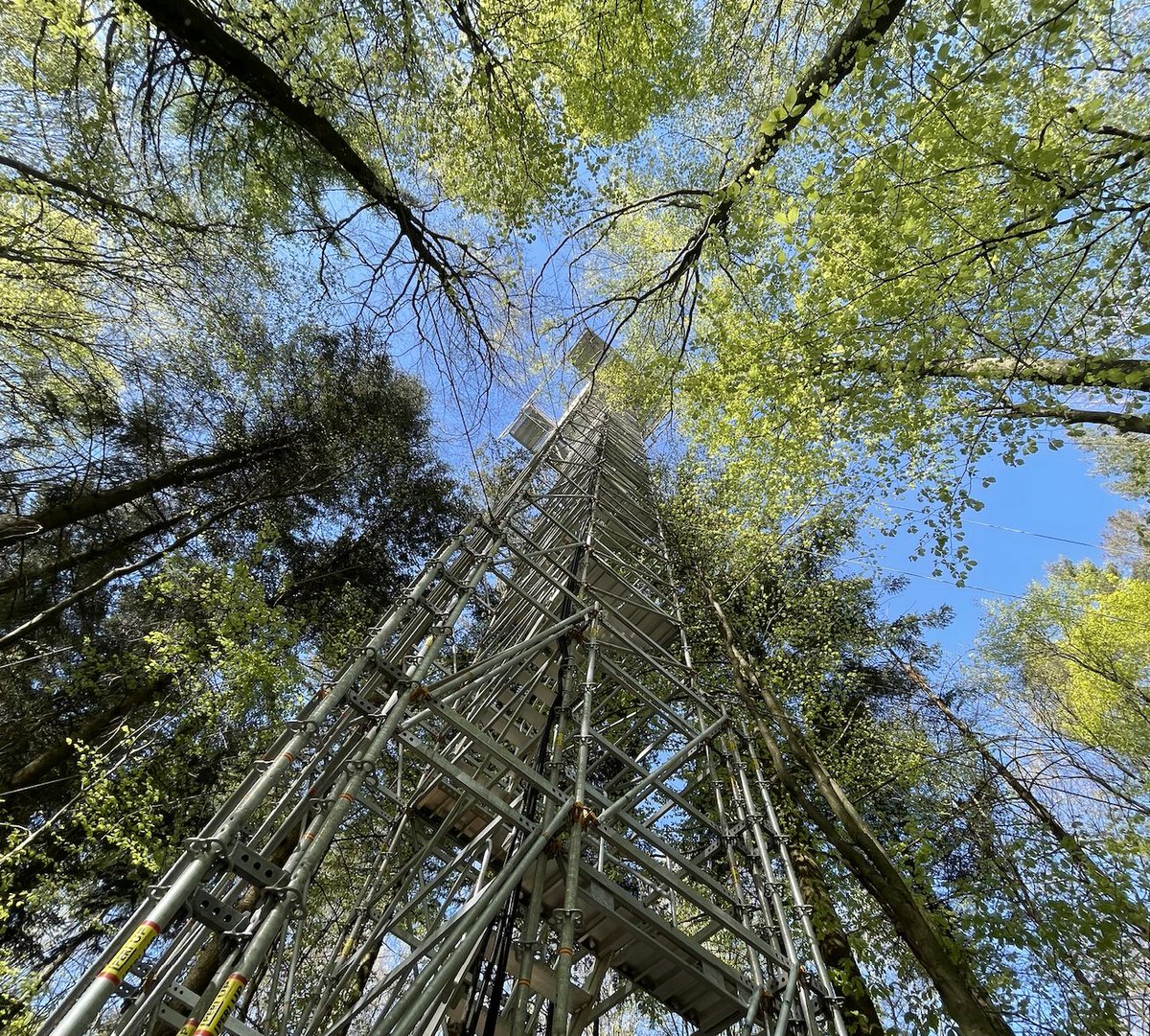
Always great to see 1st day of data from a newly installed eddy covariance system! We just started operation of our new 45 m #ECOSENSE tower - measuring CO2 fluxes from a mixed forest in @dfg_public CRC. Amazing effort by technicians, admins, students & researchers @UniFreiburg.
Using a 3D fibre-optic temperature sensing array in the Namib, we empirically investigated Taylor’s Hypothesis in the atmosphere. In our new article in Boundary-Layer Meteorology we show that small eddies systematically travel slower than large eddies. https://t.co/khvI9dDesC
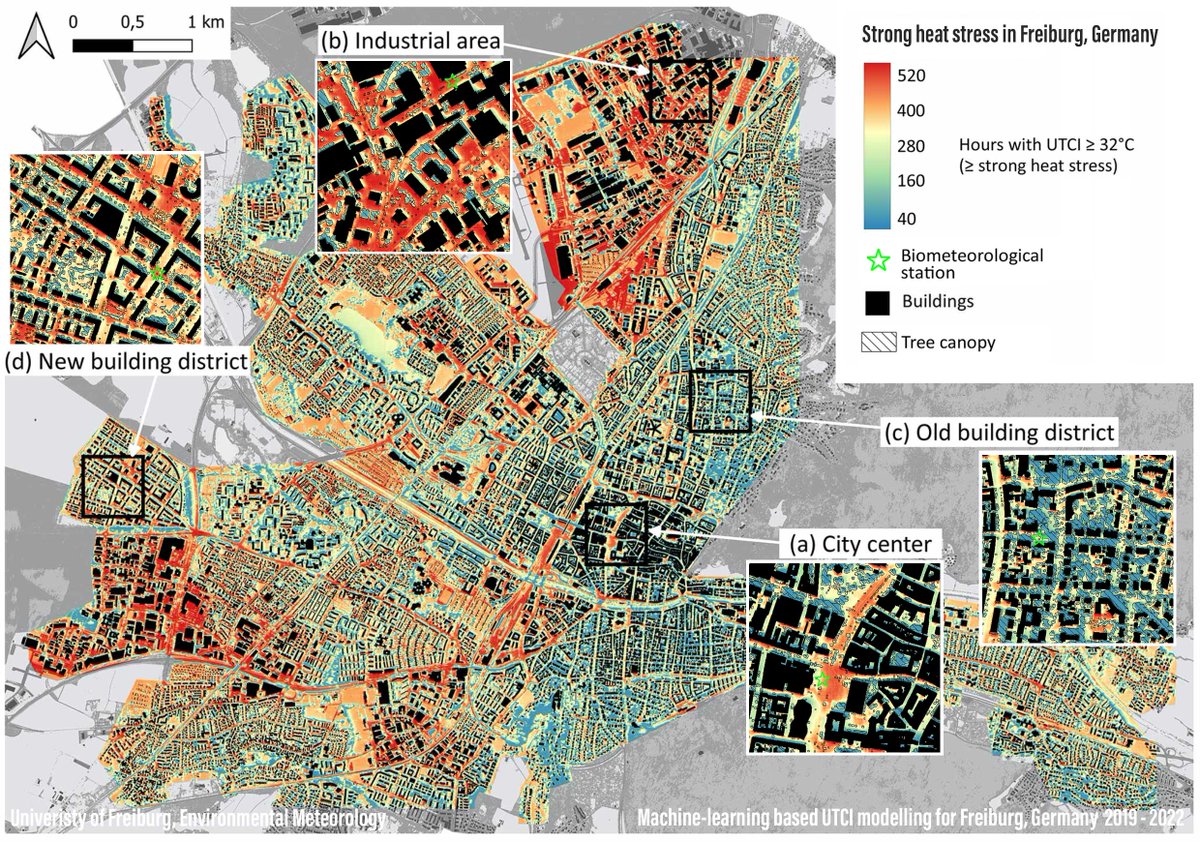
New paper in @EGU_GMD on our machine learning model developed @UniFreiburg for mapping heat stress in cities - faster & with comparable accuracy to physical models it enables multi-year simulations at 1m scale for entire cities @freiburg@urbisphere#I4C https://t.co/WaWP2i0Y8C
Indoor climate change? Yes - not only outdoors but also indoors, heat increases and affects health & productivity. Our work @UniFreiburg published in @ClimaticChange_ uses sensors & climate models to assess future heat stress at 100+ workplaces @urbisphere https://t.co/AESw9JDLuG
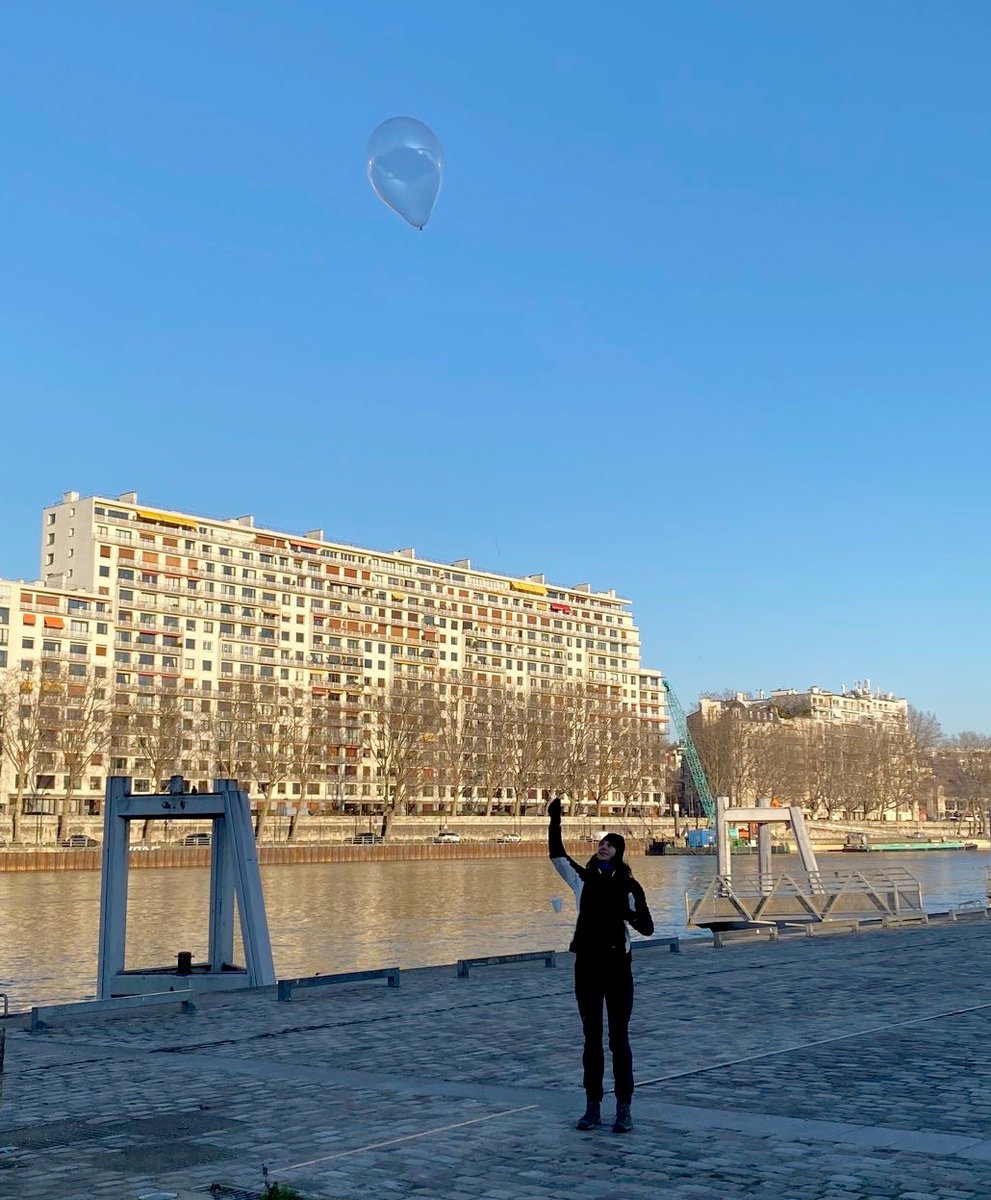
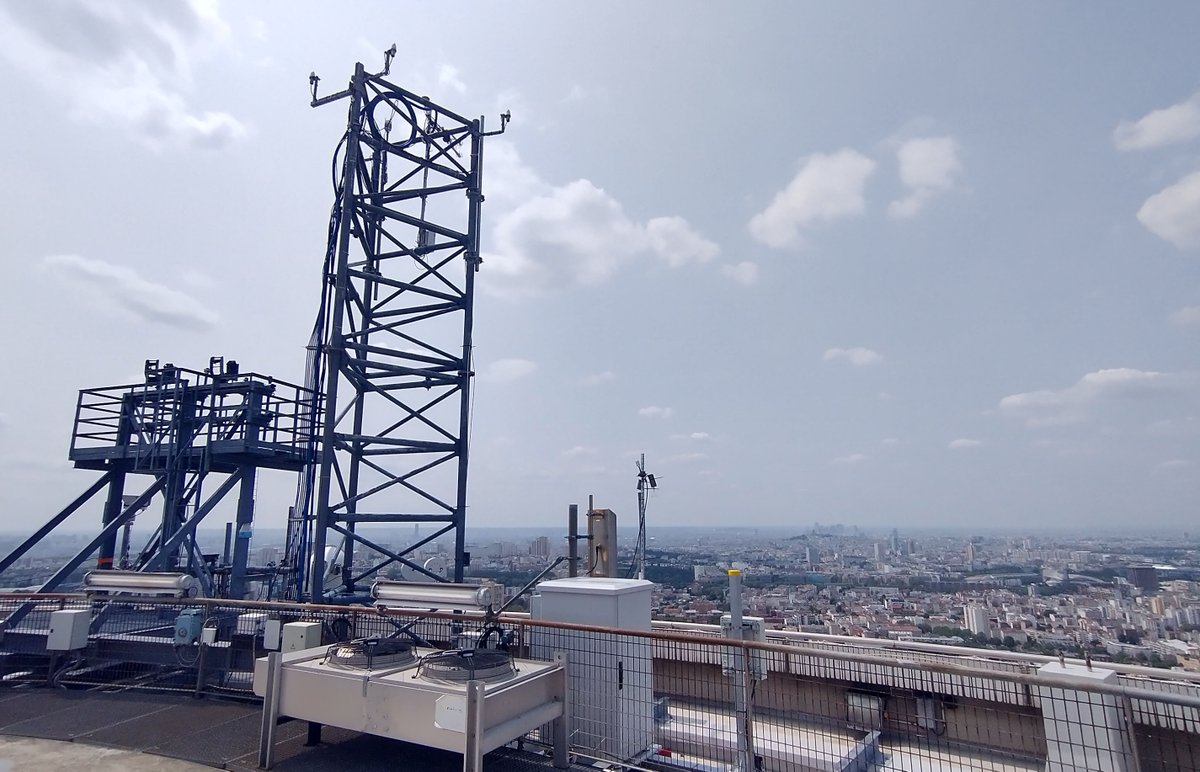
Our year-long @urbisphere campaign in Paris comes to an end. This week, the @UniFreiburg team launched parallel radiosoundings in city & suburbs. With @SueGrimmond@SlabGr@simoneKotthaus and @MPAHaeffelin we study how cities modify winter inversions that cause poor air quality.
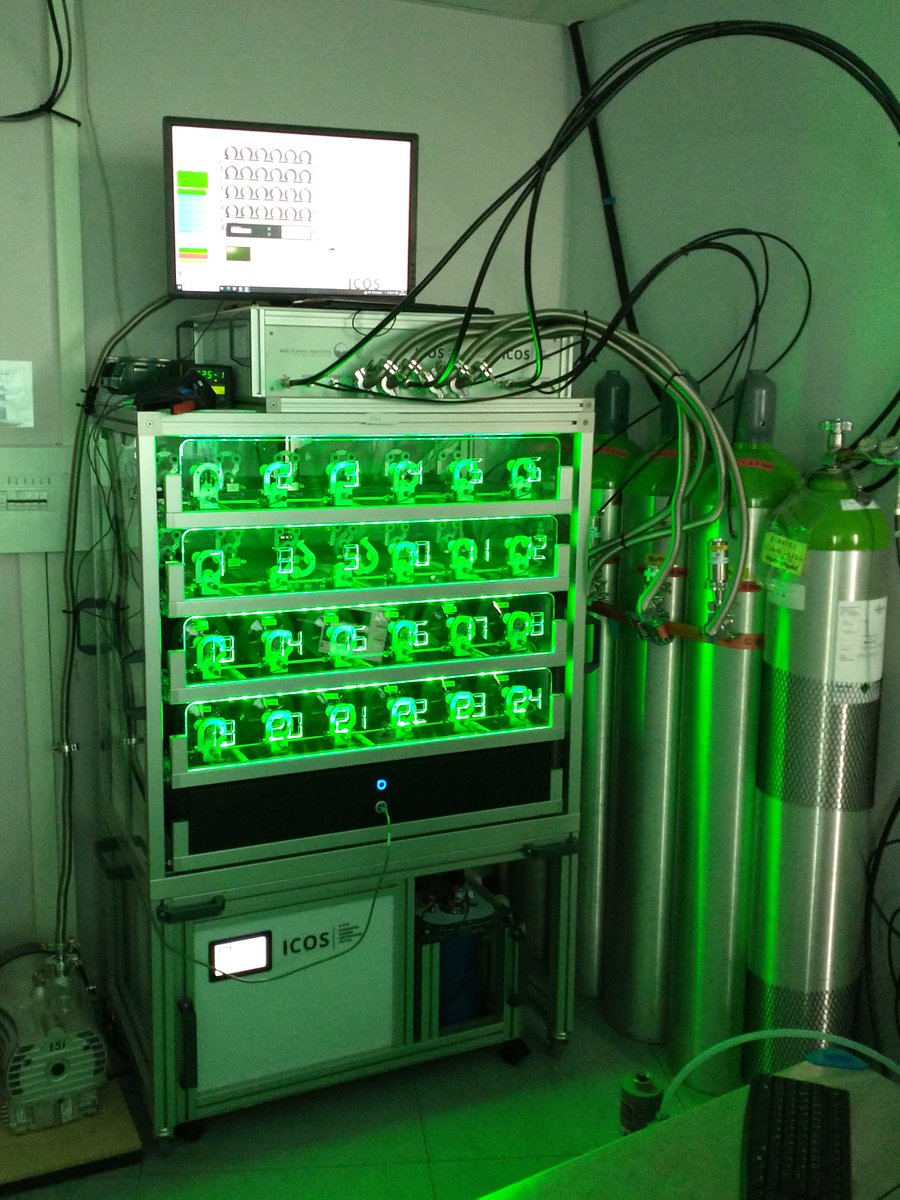
2023 was the warmest year ever measured in the 46 year-long history of our @ICOS_RI forest research site Hartheim @UniFreiburg. 2023 was +1.6ºC over the long-term average. 3 out of last 4 years were warmer and drier, causing accelerated mortality of trees. https://t.co/RSQljacjaU
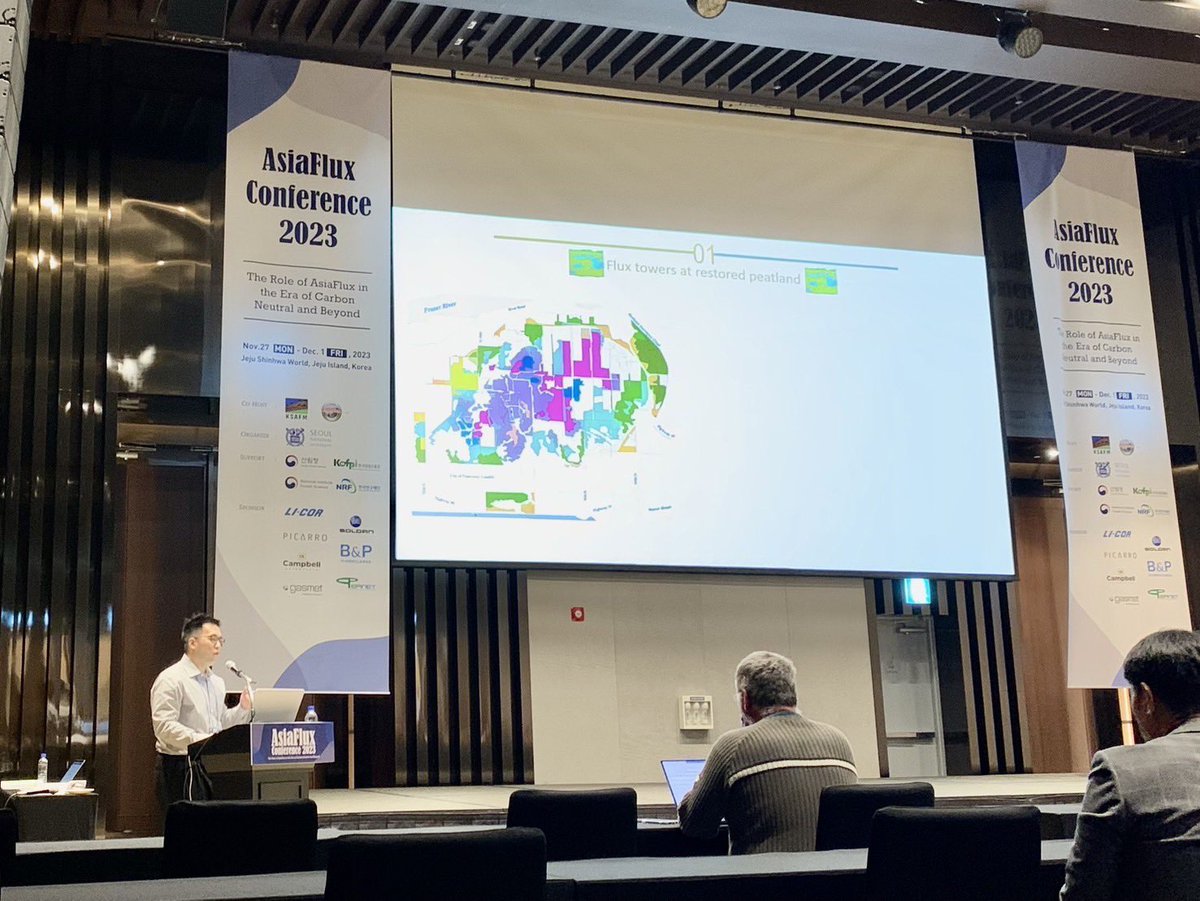
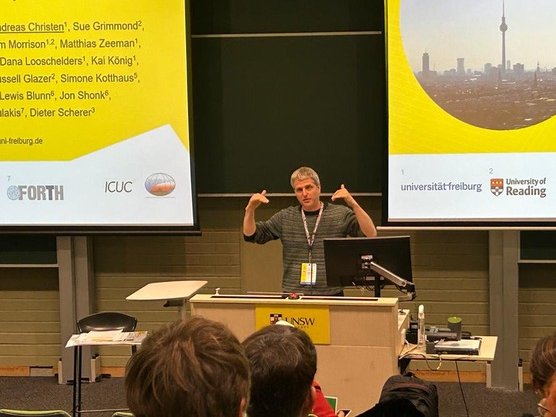
Great honour to give a keynote talk at #Asiaflux2023. Thanks a lot for the invitation (met lots of great people!), also thanks my group members, collaborators, and especially my mentors (@envmet, @Reichstein_BGC, Sara, Andy).
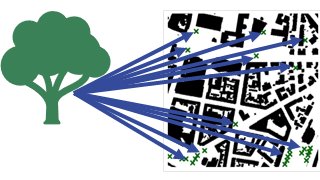
Excited to present “Climate-sensitive Urban Planning through Optimization of Tree Placements” w/ Ferdinand Briegel, Max Argus, @envmet & @ThomasBrox at the #NeurIPS2023@ClimateChangeAI workshop. Tl;dr: we optimize urban tree locations for improved outdoor human thermal comfort.
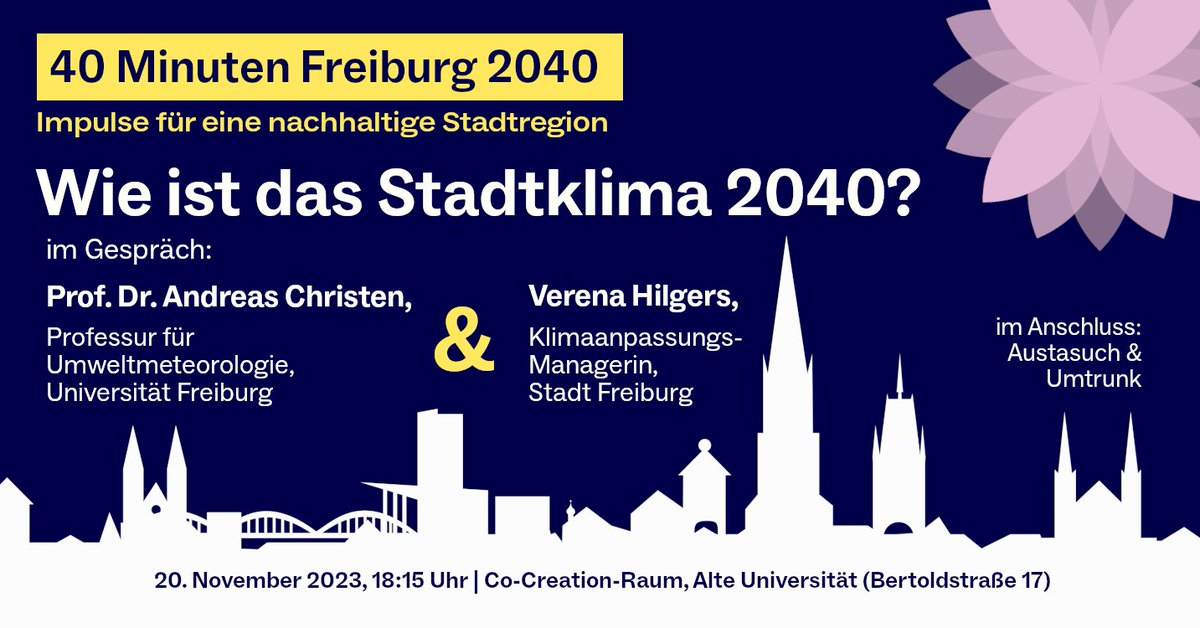
Am 20.11. startet das Format „40 Minuten Freiburg 2040“ mit @envmet & Verena Hilgers. Spontane Teilnahme möglich, aufgrund begrenzter Plätze wird um Anmeldung gebeten: https://t.co/vccnZzQeke
Weitere Infos zur Reihe: https://t.co/50nVvjWKkL
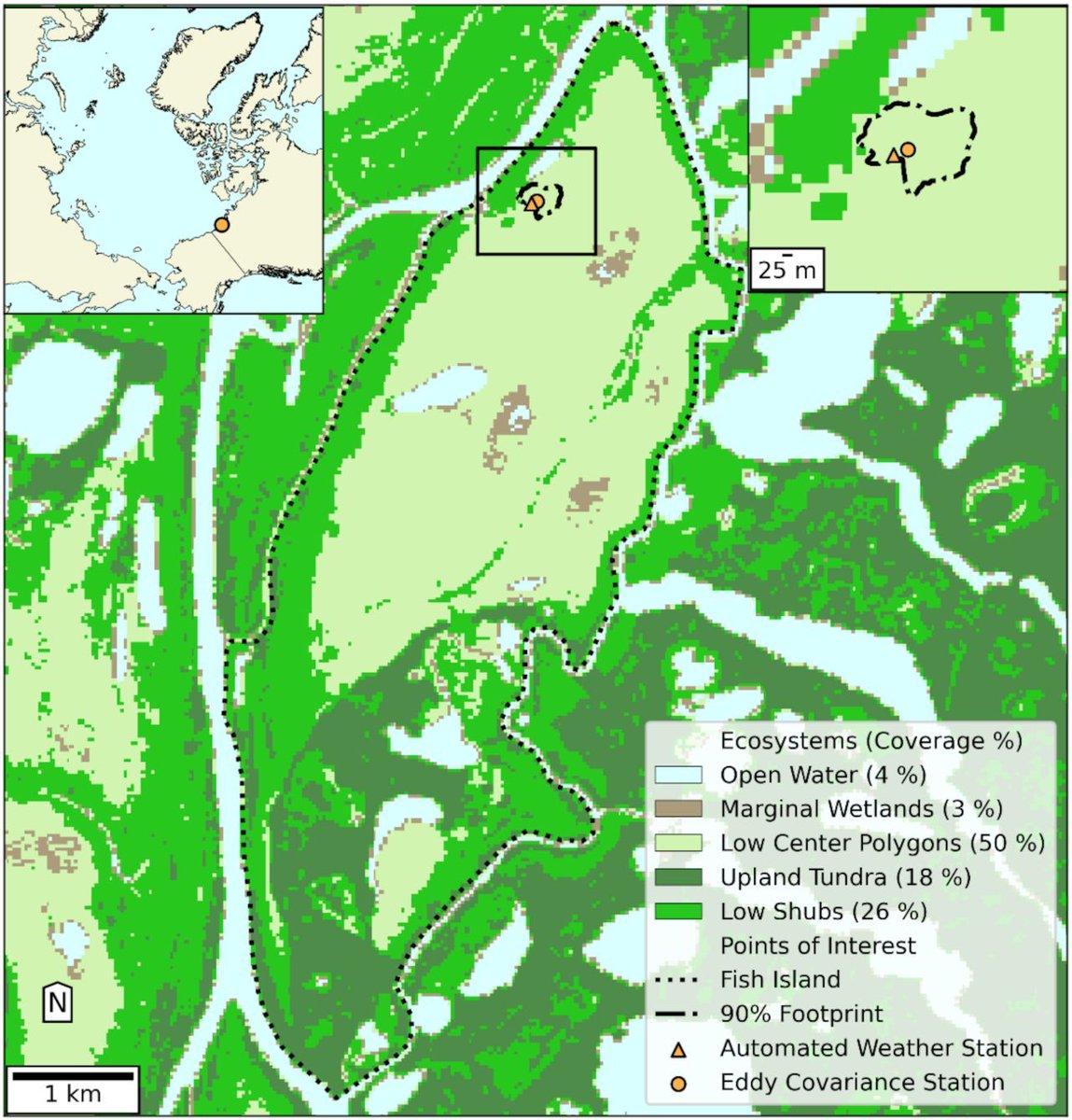
Modelling growing season carbon fluxes at a low-center polygon ecosystem in the Mackenzie River Delta
Read the paper from @envmet (@UniFreiburg) and @UBCGeog colleagues ➡️ https://t.co/MaIIo9v0Le
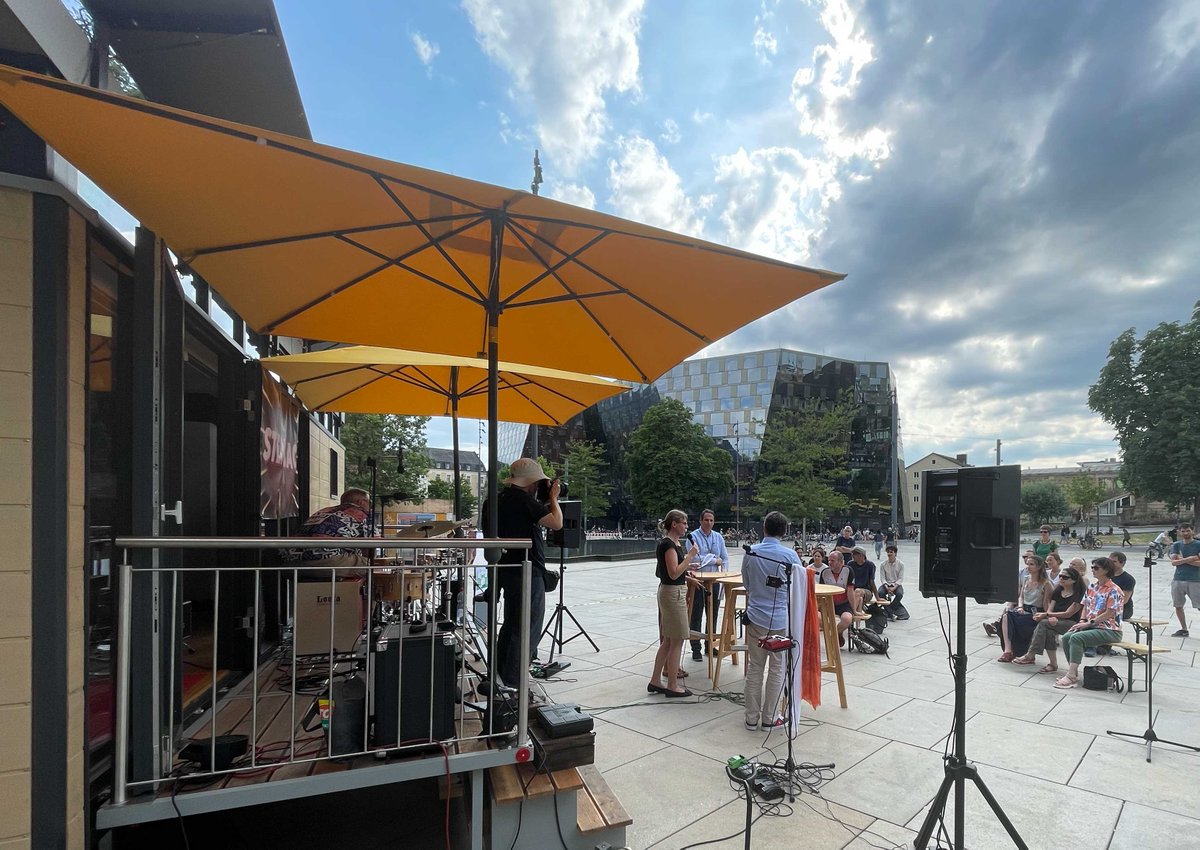
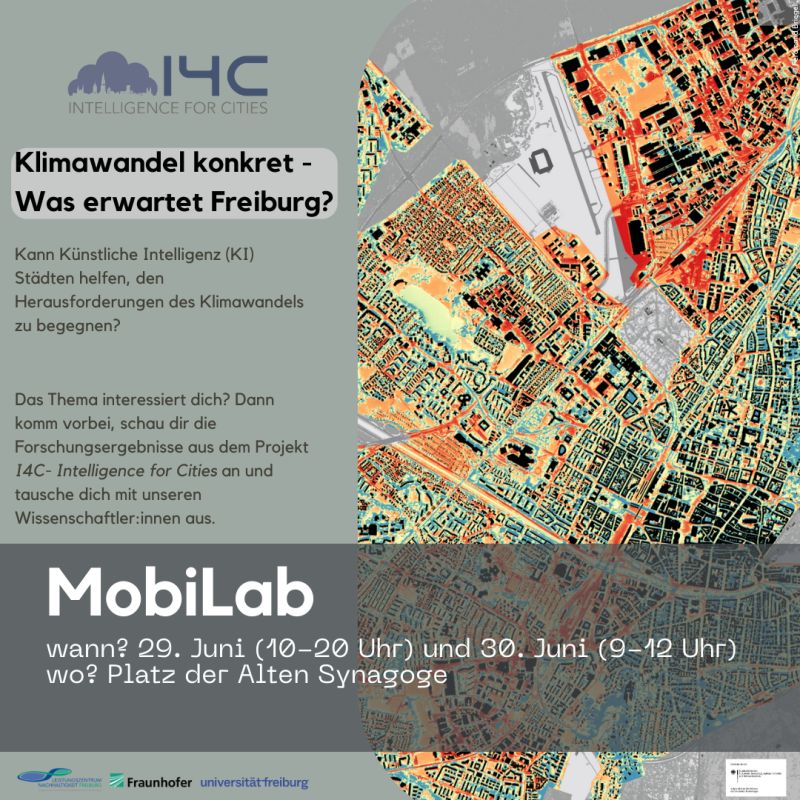
The @eucor#MobiLab roadshow vists @Freiburg this week. Can artificial intelligence inform and support cities in developing effective climate adaption strategies? We feature our project "I4C - Intelligence for Cities" @UniFreiburg on June 29 and 30 at Platz der alten Synagoge.
Our new paper in @ArcticScienceJ by @UBCGeog and
@UniFreiburg applies neural networks to model carbon fluxes between a polygon tundra and atmosphere: Warming climate reduces carbon uptake and longer growing seasons correlate with stronger methane emissions https://t.co/RikLhzjmWE