Cardiovascular disease fellow @Wayne cardio | former CMR @ Trinity Health Ann Arbor | Interested in interventional/critical care card + MedEd #cardiorounds
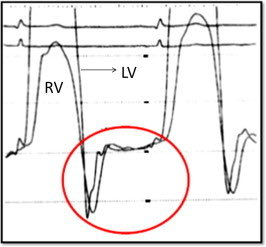
🫀 The "square root sign" (√) on cath:
• Sharp early-diastolic DIP in ventricular pressure
• Rapid rise to an elevated PLATEAU the rest of diastole
• 👉 to impaired ventricular filling
Ddx ➡️constrictive pericarditis or RCM
To tell apart ? Look for ventricular dependency
Tachycardia & mitral stenosis 🫀
• ⬇️⏱️ in diastole → less time to cross a narrow valve.
• Incomplete LA emptying → mean LA pressure ⬆️. MG (LAP - LVP) ⬆️.
• Sx- 🫁 edema.
• Cath hallmark: persistent LA–LV diastolic gradient, no diastasis.
• 💊 Rate control - BB.
🫀 The Treppe (Bowditch) effect:
• ↑ HR → ↑ contractile force
• Mech: faster pacing → more Ca²⁺ influx/time → more Ca²⁺ in the cytosol vs SR→ stronger contraction
• ≠ Frank-Starling (that's preload driven, not HR-driven)
• In failing 🫀 the staircase reverses
Post-extrasystolic potentiation (PESP) 🫀
• Sinus beat after a PVC contracts harder → higher systolic BP
• Driven by Ca²⁺ force-interval relationship
• Pause loads the SR → bigger next Ca²⁺ transient
• High PESP + fewer "ejecting" PVCs may flag PVC-cardiomyopathy
🔊 Why ultrasound gel?
• Air between probe & skin = huge impedance mismatch → ~100% of the beam bounces back, no image
• Gel fills the gap & matches skin, so sound passes cleanly I&Out
• Result: better penetration + sharper image
• Kills air-gap artifacts ! #cardiorounds
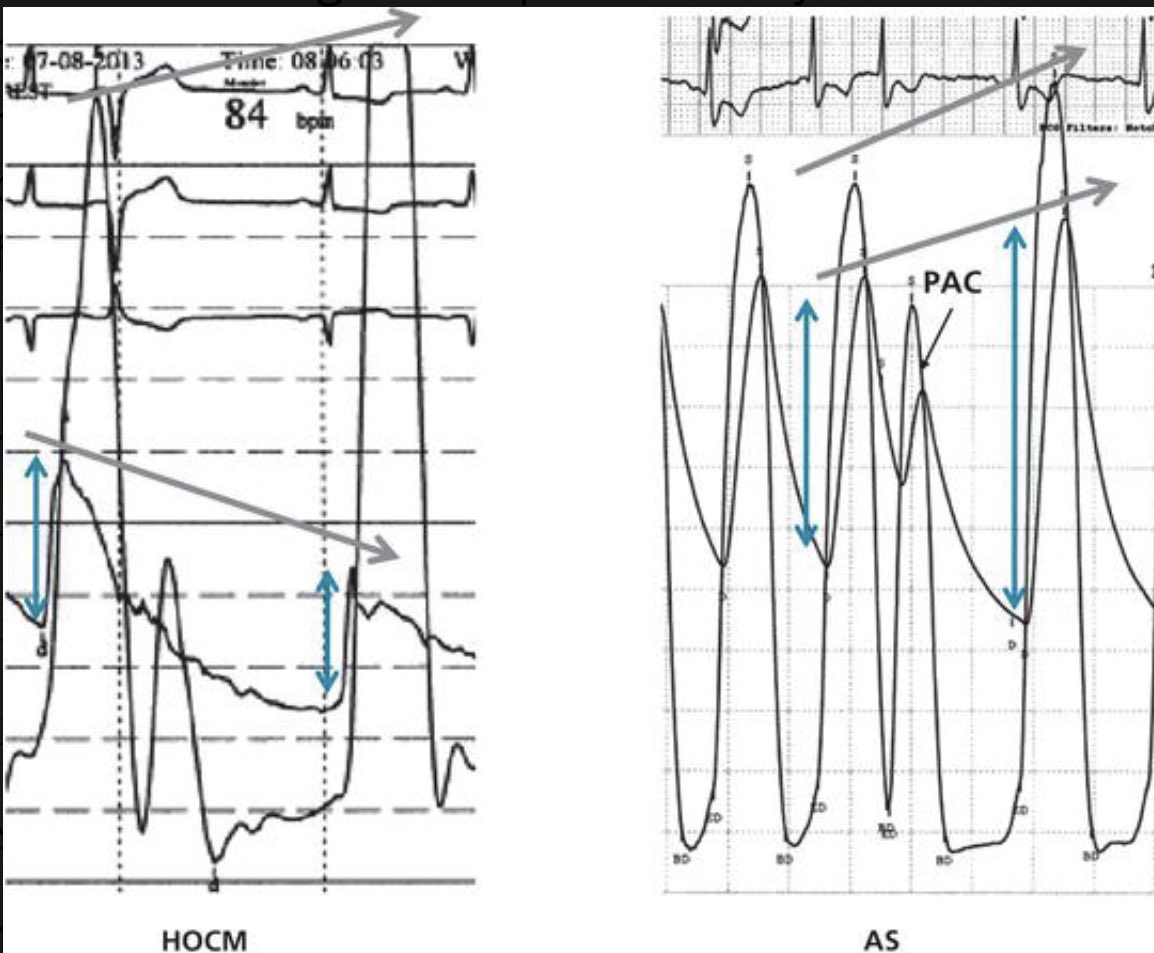
🫀 The Brockenbrough–Braunwald���Morrow sign — a hallmark of dynamic LVOT obstruction in HOCM
- Noted after a premature beat
- See previous tweet on post-extrasystolic potentiation (PESP)
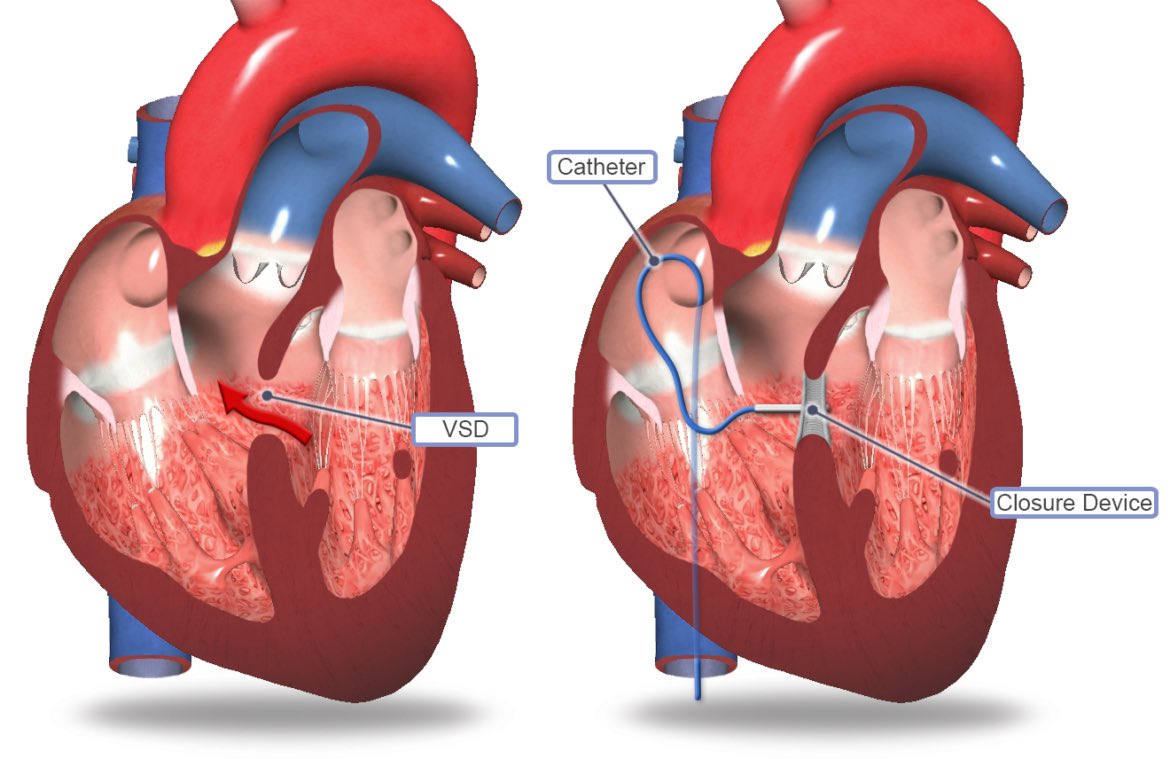
🫀 When NOT to close a VSD:
🚫 Eisenmenger physiology (Class 3: Harm)
🚫 Nonrestrictive VSD w/ PVR >10 WU — prohibitive surgical risk
🚫 Qp:Qs <1.5 & no other indication (Class 3: No Benefit)
⚠️ PVR 5–8 WU = gray zone → treat-and-repair, close only if PVR <5 WU
#cardiorounds
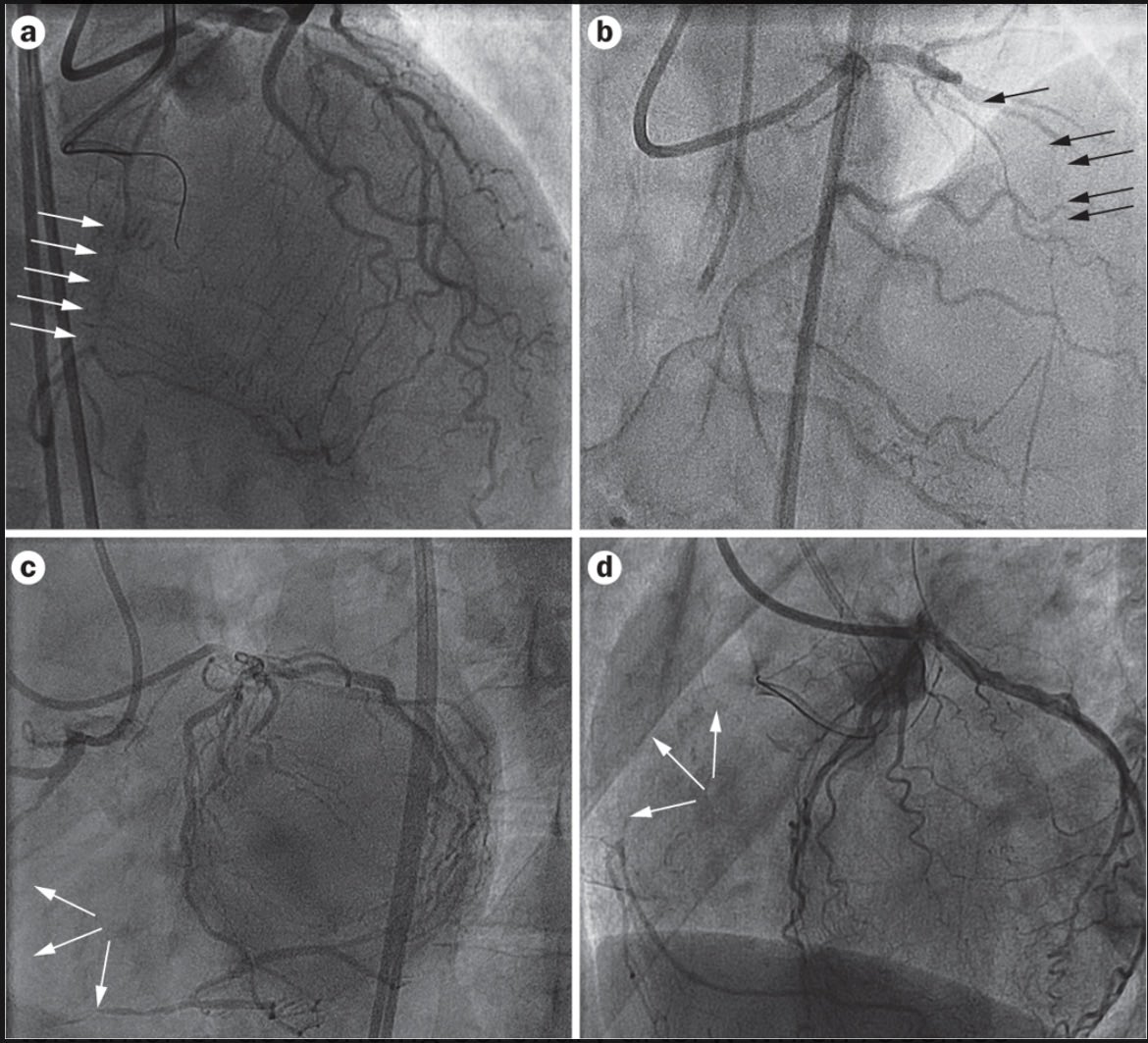
Spotting a CTO on cath🫀
🔴 Blunt/tapered proximal cap, no lumen (TIMI 0)
🔴 No fresh thrombus or contrast staining
🔴 Calcification along the occluded segment
🔴 Well-developed, mature collaterals filling the distal vessel
🔴 Hard, resistant cap on wiring
#cardiorounds
Fascicular VT 🫀
The most common idiopathic LV VT — seen in young, structurally normal hearts. Classically verapamil-sensitive (Purkinje re-entry).
📈 ECG: RBBB with a narrow-ish QRS (<140ms), leftward axis usually
▪️ Acute Rx: IV verapamil
▪️ Ablation: >90% success
#cardiorounds
Turner Syn & Aortic Risk 🧵
~100x ⬆️ risk of dissection. Cos of short stature, index aortic area to BSA
📋 Baseline TTE + cMRI at diagnosis
🔁 Screen q5–10y (more if RF: BAV, coarctation, HTN, growth >3mm/yr) & before🤰
📅 Annual imaging if ASI >2.3 cm/m²
🔪 referral at ASI >2.5
The day after the announcement of the neutral results of HORIZON Lp(a), and while keeping in mind that nobody has yet seen the final results (although, in practical and regulatory terms, that may matter little), much of the discussion is focusing on Lp(a) as a prognostic risk-stratification marker.
The argument goes: “If you, as a patient, have high Lp(a), then you are a high-risk patient, and I will intensify the therapies I have available”—starting from the assumption that, without knowing your Lp(a), I would somehow not have done so based on other available biomarkers and clinical features.
But this raises at least two other questions.
First: what therapy has evidence specifically in patients with elevated Lp(a)? Are there trials of non-Lp(a)-lowering drugs conducted specifically in patients with elevated Lp(a) (all patients, not just a subgroup—no cheating)?
Second: if universal Lp(a) screening is indeed useful even though we have no evidence that lowering Lp(a) improves outcomes, are there at least studies showing that knowing the Lp(a) level improves outcomes? In other words, are there trials in which physicians—not patients—are randomized to know versus not know the Lp(a) value, and therefore to act accordingly (e.g., prescribing exercise or other therapies that physicians in the control group would presumably consider anyway)?