Answer: B) Ototoxicity
Explanation:
High-dose IV Furosemide given rapidly is a classic cause of ototoxicity.
Mechanism: Furosemide is a "loop diuretic" that inhibits Na-K-2Cl in the loop of Henle. At high doses + rapid infusion, it can also affect the ion transport in the inner ear → damage to hair cells in the cochlea.
https://t.co/VbrRFEU4dJ
🩺 A stoma is a surgically created opening that connects an internal hollow organ to the skin surface, allowing the passage of stool, urine, or air.
Common types:
Colostomy → Colon → Stool
Ileostomy → Ileum → Liquid/high-output stool
Urostomy (ileal conduit) → Urine diversion after bladder removal
Tracheostomy → Trachea → Airway
Key clinical points:
Ileostomy: Higher risk of dehydration and electrolyte loss due to liquid output.
Colostomy: Stool consistency depends on the level of the colon; more distal stomas produce more formed stool.
Healthy stoma appearance: Pink to red, moist, and slightly protruding.
Concerning findings: Pale, dusky, black, or necrotic stoma suggests ischemia and requires urgent evaluation.
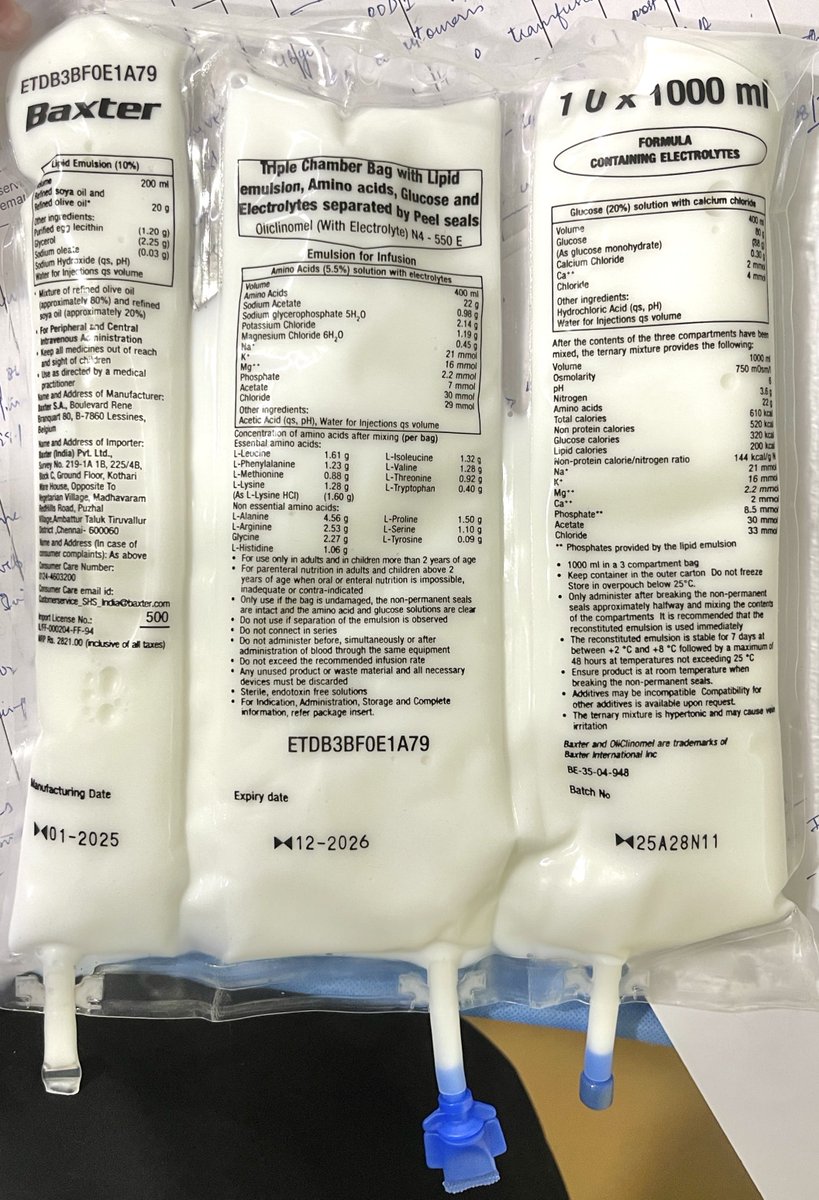
@TheKoshurDoc From a nursing perspective: 1. Hyperglycemia 2. Varietal electrolyte imbalances (hypophosphatemia, hypokalemia etc. etc.) 3. Catheter associated infection with potential for sepsis. 4. Potential for hypoglycemia and hyperglycemia. In the long term we worry about TALD.