The best mosquito repellent for your patio costs $20 and runs on a wall outlet: a fan.
Mosquitoes are terrible fliers with a top speed of about 1-2 miles an hour, slower than you walk, and they struggle to make headway against even a gentle breeze. Point an oscillating fan at your outdoor seating area and they'll physically struggle to get to you.
It works on two levels too. A mosquito finds you by following the plume of carbon dioxide you exhale, plus the heat and scent rising off your skin. A fan scatters all of it and erases the trail that leads them in. So it knocks them out of the air and helps hide you from their senses at the same time.
This isn't folk wisdom. The CDC notes that fans reduce mosquito landings, and studies have found that using a fan can substantially reduce mosquito bites.
Citronella candles offer only modest protection and are generally much less effective than a fan or EPA-registered repellents. Plug in a fan, aim it at the table, and take your evening back.
Despite having hundreds of mosques in New York, mass street “prayers” are becoming a staple of life in the Big Apple.
And it’s not prayers, my friends, but assertion. They are claiming turf, like hyenas pissing to mark territory.
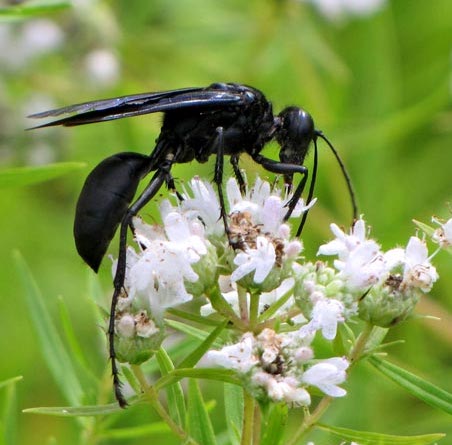
There are about 18,000 species of wasps in North America. Roughly 20 of them can hurt you.
The wasps people fear are all from one family: Vespidae. They make up less than 1% of wasp species on the continent. They build the visible nests, they defend them aggressively, and they're the ones you remember from a bad encounter.
The other 99% live solitary lives and ignore humans entirely. Many can't sting at all. Many more have stingers but never use them on people because they don't have a nest to defend.
What they do instead is hunt other insects. A single mud dauber stocks her nest with paralyzed spiders, including widows and recluses. A braconid wasp lays eggs in tomato hornworms. An ichneumon wasp parasitizes wood-boring beetles that kill ash trees. A cuckoo wasp infiltrates the nests of other wasps and bees. Some species control aphids; others control caterpillars, beetle grubs, or flies.
Most agricultural pest insects in North America are controlled, in part, by parasitic wasps that almost no human ever sees. There are over 25,000 species of ichneumon wasps alone, and they keep entire orders of insects in check.
The five or so wasp species that ruin a picnic in late August are real. The 17,995 species that are running the pest control infrastructure of an entire continent get almost none.
@johnkonrad@brentdsadler About mine sweepers (or MH - hunters ), your secwar declared sonething in the movie line of “we have such capabilities I may share with you but then I’d have to k*ll you” 🤷♂️
@ThomasK05319742@SwedishTech_ Of course, point is the author was wondering why the germans were putting up such a massive fleet of A400 cargoes, what for..