INSTEAD OF WATCHING AN HOUR OF NETFLIX TONIGHT.
This 1 hour Stanford lecture by Joel Peterson will teach you more about negotiation and getting what you want than most people learn in years.
Bookmark it and give it an hour, no matter what.
1)Zamanında yazdım, "Daron önemli 1 iktisatçı değildir, nüfuz ajanıdır, 2. Orhan Pamuktur, ABD sosyal bilimlerde böylelerini başka ülkeleri yönlendirmek amacıyla yükseltir, paye verir" dedim. İşte buyrun, Atatürk ve Cumhuriyet düşmanlığını kendi ağzından dinleyin.
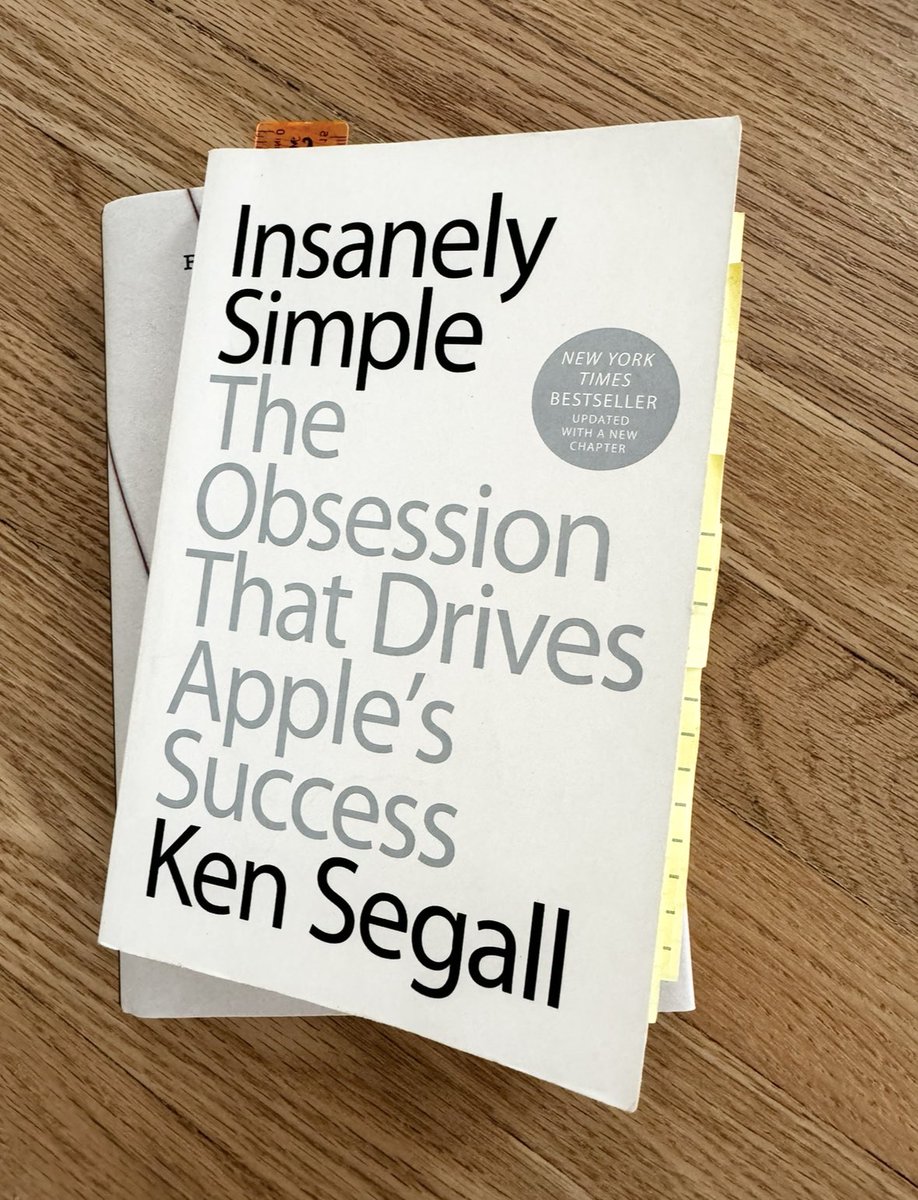
A few ideas from Steve Jobs I found in this book:
1. You will go far with a single idea expressed clearly.
2. When advertising your product pick one feature to focus on.
3. Customers see more choice as more confusion. Steve believed in doing the work for the customer.
4. Steve’s most important concern was making things easier for the customer. Less versions to choose from, less prices to consider. Turn it on and it just works. No hassle. If he found a hassle he’d eliminate it.
5. Cut the product down to its essence.
6. Steve believed that if the ultimate decision maker was involved every step of the way the quality of the work increased.
6b. “The way I like to work is where I touch everything.” —Steve Jobs
7. Steve did not believe in delegating advertising decisions. He approved every image. He approved every word. He would deliberate over the copy.
8. He insisted on seeing the ads *before* his executives. He did not want them to filter what he saw.
8b. Also he wouldn’t let his ad agency narrate what he was about to see: “Are you going to be sitting next to me explaining things when I see the ad in the newspaper?”
9. If Steve didn’t believe you were absolutely essential to a meeting he would ask you to leave. Adding unnecessary people added complexity and Steve hated complexity.
10. Steve had a religious like dedication to simplicity. (This is the main thesis of the book)
10b. This dedication was unrelenting and in your face 24/7.
11. Complexity creep is inevitable. It is your job as the leader to find complexity and beat it back across the line.
12. Steve would not bend his quality standards for money. He once cancelled an ad campaign the day before it was to start because the quality was not up to his standards. Apple had spent millions on the campaign. Sunk costs did not factor into his decision.
12b. Quality was his survival strategy.
13. Steve only had respect for people who did the work. He didn’t like overhead or complicated corporate structures.
14. Big thinking and small everything else. Steve’s main organizational principle was small groups of smart people.
15. You simply cannot mix your messages when selling something new. A customer can barely handle one great idea, let alone two, or even several.
15b. The best example of this in the book:
1,000 songs in your pocket.
16. Steve would pick one feature or one product to advertise per quarter. All of their focus and resources would be on this one thing for the entire quarter.
17. The further you get away from one, the more complexity you invite in.
—
Episode 349: How Steve Jobs Kept Things Simple is waiting for you in your podcast app now.
Araştırma yaparken Youtube'da saatler harcamayın.
Videolarınızı anında Türkçe özetlemenizi sağlayacak GPT-4o destekli ücretsiz bir yöntem gösteriyorum👇🏽
@cem_baykal AB aynı numarayı Gümrük birliğine girdiğimiz gün yaptı. Bir gün önce ithal ettikleri ve Çin den ithale devam ettikleri tekstil ürünlerinin, Türkiye üretiminde AB kökenli kimyasallar kullanılmazsa kanserojen olarak nitelendireceğini bildirdi.
I’m obsessed with great leadership.
But when I was young, I wasted years and opportunities not knowing what great leadership looked like.
Then, I studied every successful CEO alive to learn their secrets.
10 leadership principles that every great leader lives by: