This work presents two new computational methods for reconstructing tumor cell lineage trees from single-cell copy number data. @UConn
https://t.co/3L4Yi8wJlG
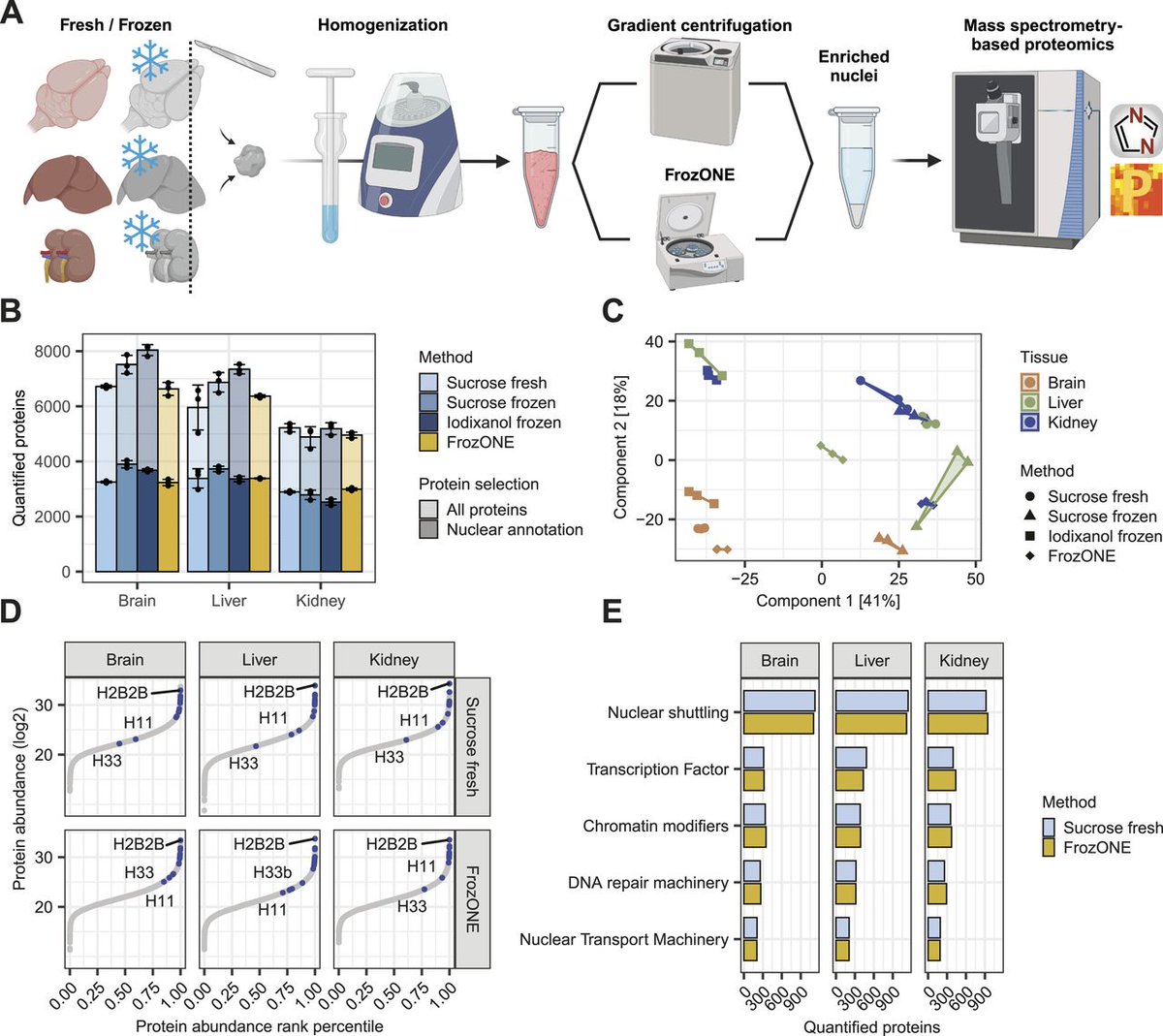
Huschet et al. establish and benchmark a nuclear proteomics workflow that is faster, simpler and more scalable than classical protocols, while being as efficient, specific and reproducible. @LMU_Muenchen
https://t.co/cQw9IusTzg
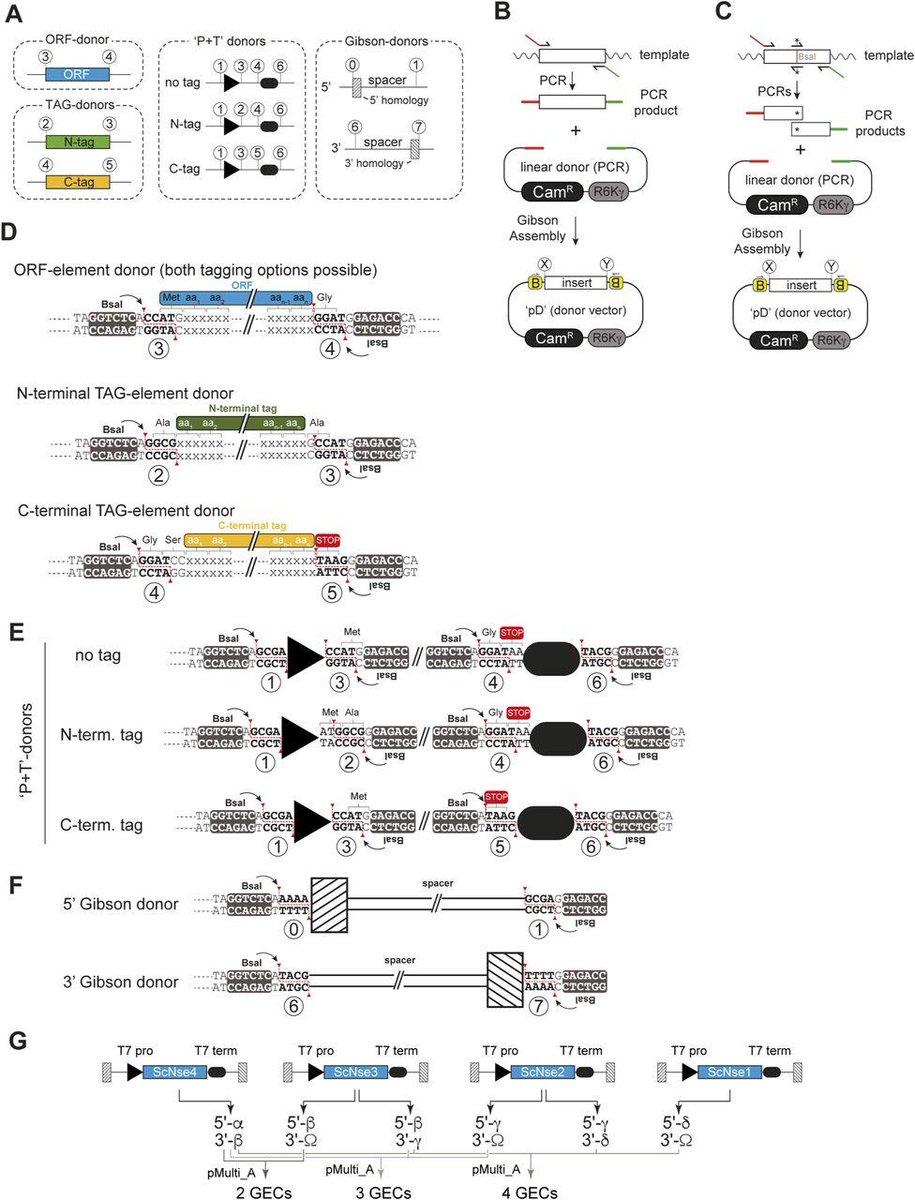
To streamline expression construct preparation for screening in diverse expression hosts the authors present vectors and protocols using Golden Gate ligation to guide one-step Gibson Assembly @DMF_UNIL @Gruber_Lausanne @TaschnerMichael
https://t.co/joSS6wdw9s
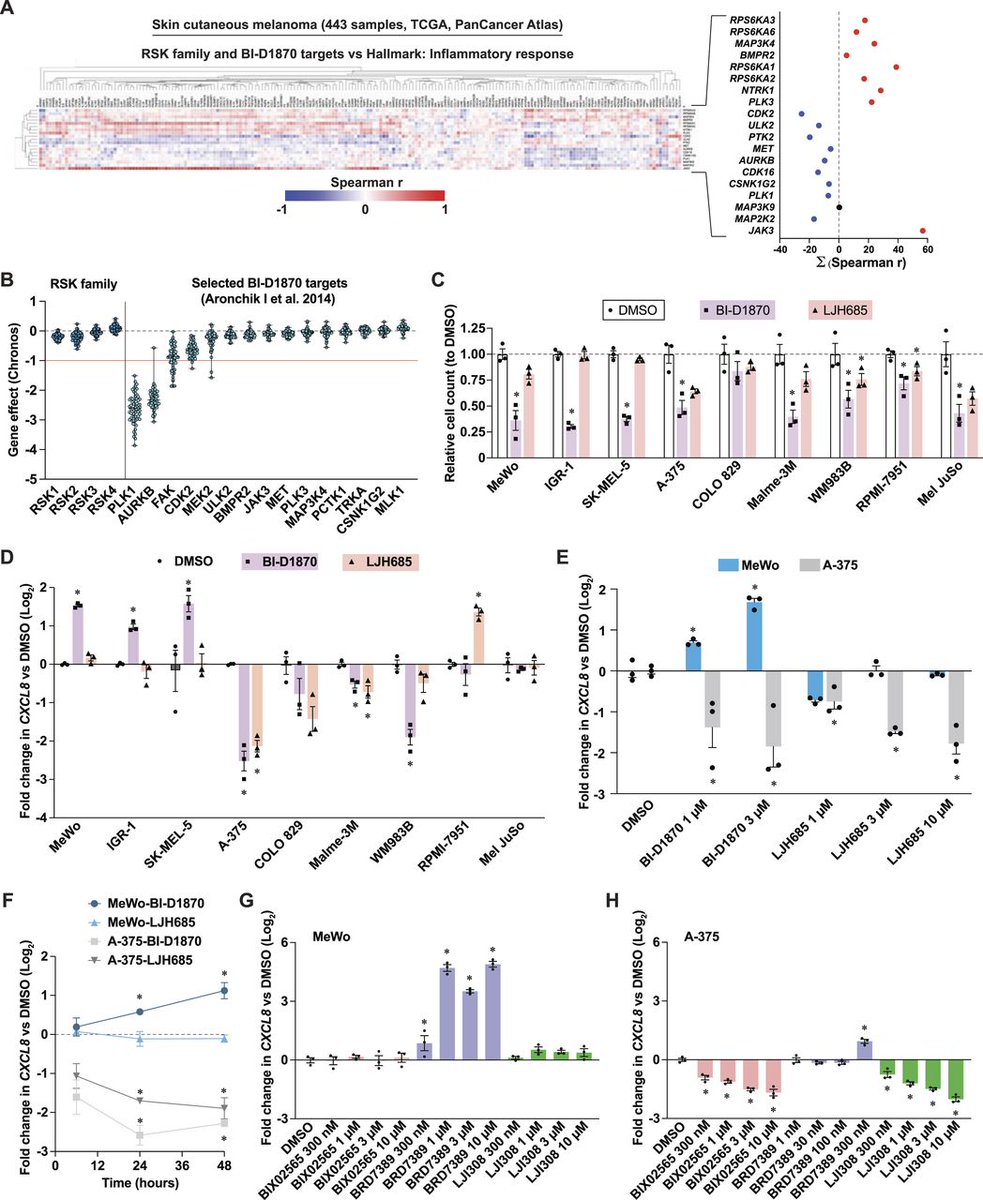
A mitochondrial signature provides clues to understanding the mechanisms of therapeutic resistance in melanoma and could represent a potential tool for predicting the efficacy of targeted therapies.@pharm_umontreal@GravelSP
https://t.co/HY0ICZShxz
Check latest work by Liu et al. on benchmarking structural variant prioritization tools for better genomic research! #SVanalysis@XSLiu_BCH
https://t.co/1A5bWv9Dea
RNA endo-bind-n-seq allows for the identification of RNA elements that are bound by RBPs, which are isolated from their physiological environments using immunoprecipitation and RNA selection. @MeisterLab@TianaHanelt@uni_regensburg https://t.co/T78XZoYxOe
New study by @Kaja_Borankova@SkodaLab unexpectedly reveals that depleting the mitochondrial fission mediator DRP1 does not impair pediatric sarcoma chemoresistance and growth, ruling out DRP1 as a therapeutic target in these tumors. @MasarykUni@FNUSA_ICRC
https://t.co/RrpBjLphch
Vascular dysfunction is at the onset of oxaliplatin-induced peripheral neuropathy symptoms. Brunet lab identifies that vasodilators can alleviate neuropathic symptoms, highlighting the importance of vascular health in OIPN treatment. @CirbCdf@SoniaTaib
https://t.co/Yn2xmneQO2
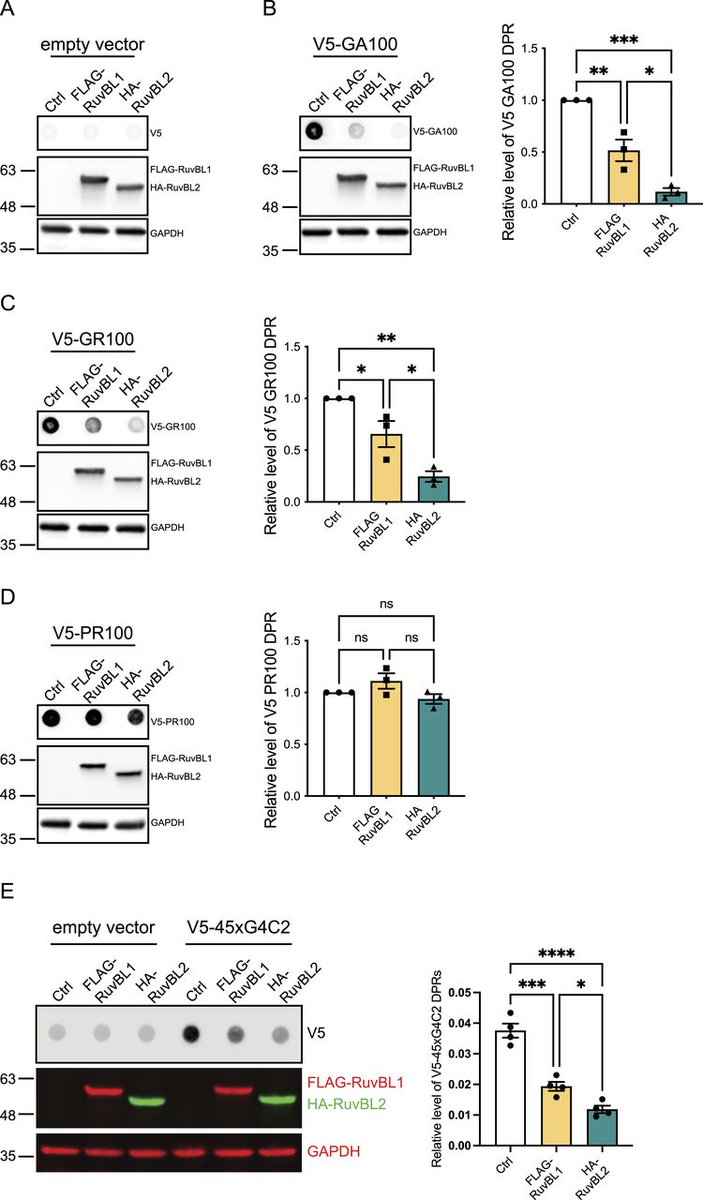
Enhancing RuvBL1, but particularly RuvBL2 expression, reduces toxic dipeptide repeat proteins in in-vitro and in-vivo models of C9orf72-linked ALS/FTD, suggesting that modulating RuvBL1/2 levels could be a promising therapeutic approach for C9ALS/FTD. @neurosheff
https://t.co/PXm2iJa2vB
Here authors show that colorectal cancer cells express hemoglobin delta and the alfaD/beta 1 integrin. They form a cell surface complex, which facilitates oxygen uptake and cell adhesion. Inhibition of either molecule prevents cancer cell proliferation @helsinkiuni
https://t.co/WOqRcTE8Z7
mRNAs with intact 5′SS motifs must be m6A-modified to be nuclear-retained by a conserved pathway that includes YTHDC1/YTHDC2, ZFC3H1 (a PAXT complex component), and U1-70K (a component of the U1 snRNP). @UoftB
https://t.co/SdDgNydawP
Morphoregulatory ADD3 controls glioblastoma stem cells (GSC) connectivity, proliferation and chemoresistance, showing that GSC morphology is a new layer of tumor heterogeneity. @KalebicNereo@CarlottaBarelli@humantechnopole
https://t.co/RoTjSEeLpy
In a new paper @TaschnerMichael and co describe a cloning platform supporting quick and efficient optimization of heterologous expression of protein complexes. @DMF_UNIL @Gruber_Lausanne @TaschnerMichael
https://t.co/cGH7x9yboI
ciBAR1-KO mice exhibit ciliopathy phenotypes such as embryonic lethality and exocrine and endocrine pancreatic defects, indicating that ciBAR1 plays a critical role in ciliogenesis in vivo. @StonyBrookBIO
https://t.co/DPryvEKoh3
Study employs CRISPR/Cas9 loss-of-function screens to simultaneously investigate the contribution of the entire transportome in regulating the toxicity of arsenic, cadmium and mercury in human cell lines. @cemm_news, @gsf_lab, @AndreFerdigg, and @giuliosf https://t.co/BTiPXwAhla